
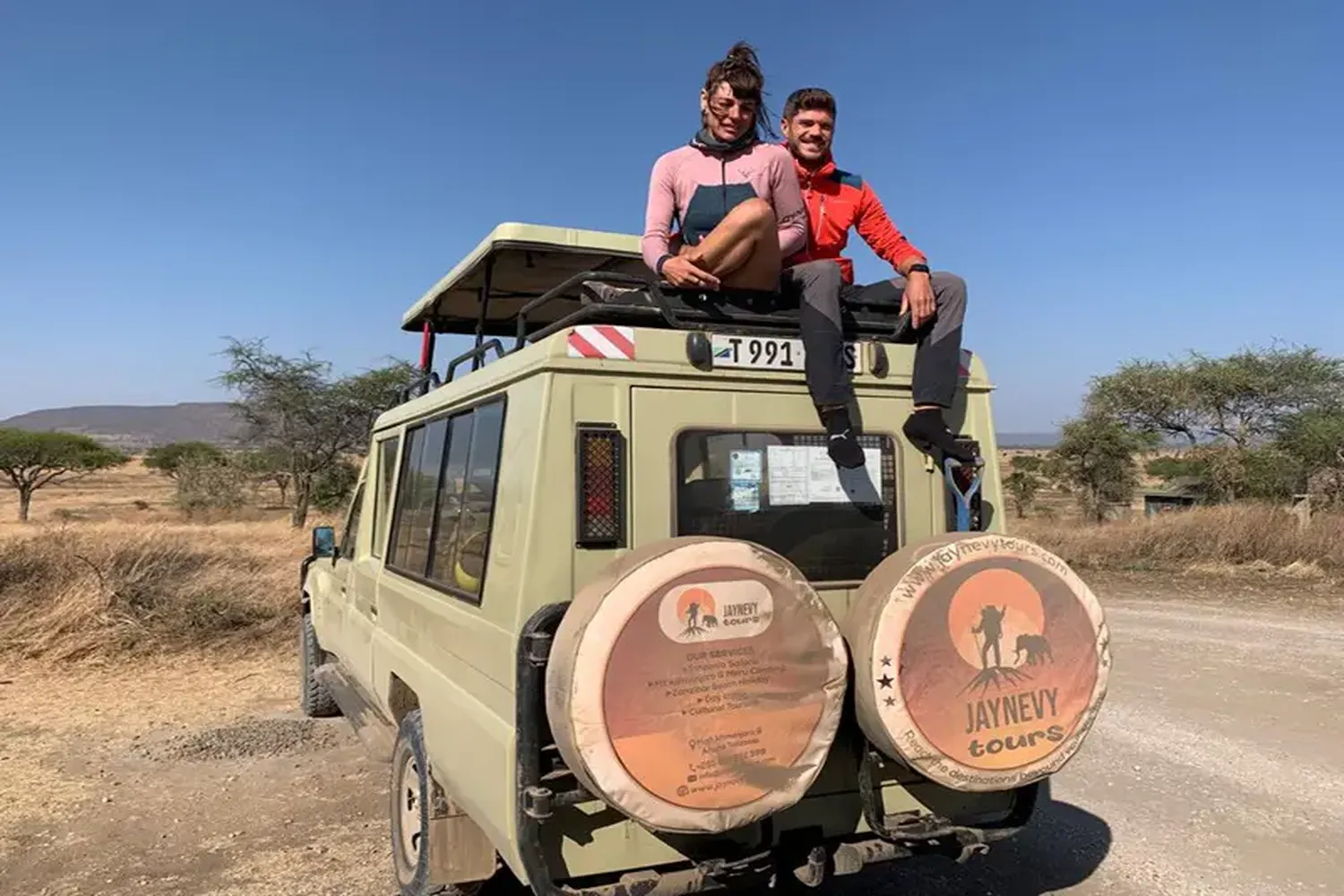
Why the Season You Choose Can Make or Break Your Safari
Tanzania’s wildlife doesn’t follow a fixed script — it follows the rain. When water is scarce the animals come to you, gathering in huge numbers around the few remaining waterholes and rivers. That’s when you get those close, unforgettable sightings. Pick the wrong window and the same animals spread out across the plains, making every game drive feel quieter even though the bush is full of life. The right timing turns good photos into stories you’ll tell for the rest of your life.
The Dry Season (June to October) – Still the Gold Standard for Wildlife Viewing
From June right through October the grass is short, skies are clear, and animals concentrate around limited water. In the central Serengeti and Ngorongoro Crater your chances of seeing the Big Five in a single day often hit 80–90%. Game drives are comfortable and dust is manageable most days. This is also when the Great Migration is in full swing, with the herds moving north and the dramatic Mara River crossings happening almost daily in July, August and September. The only real downside is higher prices and more vehicles in the popular areas.
July to September – The Peak for Migration Drama
These three months are what most people picture when they dream of Tanzania. The wildebeest herds cross the Mara River in the northern Serengeti in huge numbers, creating scenes of chaos and raw nature with crocodiles waiting below. Lion prides are easier to find because prey is bunched together. Photographers love the golden light and the sheer scale of movement. If river crossings are on your bucket list, this is the window that delivers them most reliably.
Shoulder Seasons (March–May and November) – Surprisingly Strong Wildlife with Real Savings
March to May and November bring 25–40% lower prices while still offering excellent game viewing in most parks. The grass is longer so animals spread out a bit, but your guide knows exactly where to look. You’ll often have the plains almost to yourself, and the green landscapes make photos pop. Birdlife explodes after the rains, and many travellers say these quieter months feel more personal and relaxed than the busy dry season.
Calving Season (January to March) – Predator Action and Baby Animals Everywhere
In the southern Serengeti from late January through March more than 500,000 wildebeest calves are born in a matter of weeks. The predators go into overdrive, and you get constant action — lions, cheetahs and hyenas hunting right in front of you. The landscape is lush and green, crowds are low, and the baby-animal cuteness factor is off the charts. February is often the absolute peak for this spectacle.
Real Insider Tips That Actually Improve Your Wildlife Sightings
Book 8–12 months ahead for July to September in the northern Serengeti — those prime camps fill up fast. Always ask your operator exactly which sector of the Serengeti they’re targeting because the migration moves and not every lodge is in the right place every year. Morning and late-afternoon drives almost always deliver more active animals than midday. Tell your guide what you most want to see and they’ll position the vehicle perfectly. And remember: patience pays off — the best sightings often happen when you stay quiet and wait.
Dry Season vs Green Season – Honest Comparison for First-Timers
The dry season wins for sheer concentration of animals and easier photography because everything is visible and close together. The green season wins for lower costs, fewer safari vehicles, and more dramatic predator-prey action during calving. If this is your first safari, most people find the dry season feels more “wow” because the sightings come thick and fast. If you’ve been before or you value solitude and value for money, the shoulder or green months often give a richer, more personal experience.
Real Cost Breakdown by Season in 2026-2027
| Season | 7-Day Mid-Range (per person sharing) | Crowd Level |
|---|---|---|
| Peak Dry (Jul–Sep) | $3,800 – $6,200 | High |
| Shoulder (Mar–May & Nov) | $2,600 – $4,200 | Low–Medium |
| Wet / Calving (Dec–Feb) | $2,800 – $4,500 | Low |
Recommended Destinations for Your First Safari in Tanzania
Tanzania offers an incredible variety of experiences for first-time safari travelers. From the endless plains of the Serengeti to the majestic peak of Kilimanjaro and the pristine beaches of Zanzibar, these iconic destinations will make your first safari unforgettable.
Serengeti National Park
Home to the largest mammal migration on Earth and one of the best places to see the Big Five
Mount Kilimanjaro
East Africa ’s highest mountain and a bucket-list adventure that many combine with their first safari in Tanzania.
Ngorongoro Conservation Area
A UNESCO World Heritage Site famous for its volcanic Ngorongoro Crater teeming with wildlife
Lake Manyara National Park
Famous for tree-climbing lions, flamingos, and beautiful landscapes..
Frequently Asked Questions About the Best Time for Safari in Tanzania
What is the best time for safari in Tanzania for wildlife viewing?
June to October is widely considered the best time because animals gather around water holes and the grass is short, making sightings easier. July to September offers the famous Serengeti National Park river crossings.
Is the dry season or green season better for seeing animals in Tanzania?
The dry season (June–October) is better for concentrated wildlife viewing and easier game drives. The green season (November–May) has lush landscapes, fewer crowds, and Lower Zambezi prices but animals are more spread out.
When is the Great Migration best seen in Tanzania?
The dramatic river crossings happen from July to September in the Northern Circuit Route Serengeti. The calving season in the South Africa runs from February to March with over 500,000 wildebeest babies born.
How much cheaper is the shoulder season for a Tanzania safari?
Shoulder months (March–May and November) are typically 25–40% cheaper than peak dry season while still offering excellent wildlife viewing in most parks.
Does weather affect wildlife viewing in Tanzania?
Yes. In the dry season roads are dustier but animals are easier to spot. In the wet season the landscape is greener and photography is stunning, but some tracks can become muddy and animals disperse.
The best time for a safari in Tanzania for wildlife viewing really comes down to what matters most to you — maximum animal sightings, lower costs, or fewer people around. No matter when you choose to go, the magic of the African bush is there waiting. If you’d like help matching the perfect month to your dates and budget, the team at Jaynevy Tours is always ready to build an itinerary that feels right for you — no pressure, just honest advice based on what’s happening on the ground right now.