
Introduction: The Question Travelers Keep Asking
“Can you bike Mount Kilimanjaro?” It’s a question we hear more and more from adventurous travelers looking for a unique way to experience Africa’s highest mountain. With mountain biking growing in popularity worldwide, it’s natural to wonder whether Kilimanjaro can be explored on two wheels instead of hiking boots.
The short answer is yes—but not in the way most people imagine. While you cannot bike all the way to the summit of Mount Kilimanjaro, there are incredible and legal biking experiences around the mountain that offer stunning scenery, cultural interaction, and real adventure without breaking park regulations or risking safety.
This page explains exactly where biking on Kilimanjaro is possible, where it’s restricted, and how to plan a safe, rewarding Kilimanjaro bike experience. Whether you’re an active traveler, a cyclist seeking something different, or simply curious, this guide will give you clear, honest answers—no myths, no exaggeration.
Is It Actually Possible to Bike Mount Kilimanjaro?
Let’s be clear and transparent.
You cannot bike to the summit of Mount Kilimanjaro. The upper mountain lies inside Kilimanjaro National Park, where strict conservation rules allow only trekking on designated routes. Biking above certain altitudes is not permitted due to environmental protection, safety concerns, and park regulations.
However—and this is where the confusion often begins—you can enjoy spectacular mountain biking experiences on the lower slopes and foothills of Mount Kilimanjaro, outside restricted zones. These areas still offer breathtaking views of the mountain, diverse landscapes, and authentic local encounters.
So when people ask, “Can you bike Mount Kilimanjaro?”, the accurate answer is:
Bike to the summit? No
Bike around and on the lower slopes of Kilimanjaro? Absolutely
And for many travelers, these cycling routes provide just as much excitement—without altitude risks or multi-day trekking commitments.
What “Biking Mount Kilimanjaro” Really Means
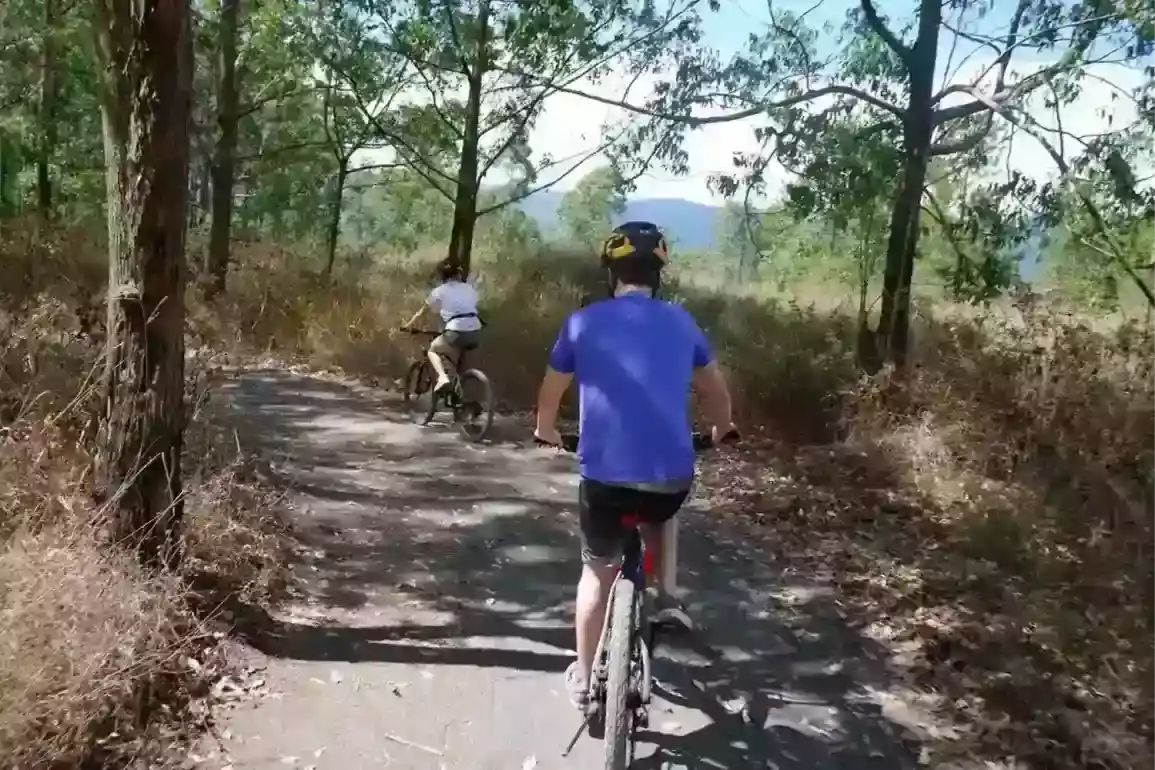
The phrase “biking Mount Kilimanjaro” can be misleading. In reality, it refers to guided cycling tours around Kilimanjaro’s base, passing through villages, coffee plantations, forested trails, and open countryside—all with constant views of the iconic snow-capped peak (weather permitting).
These bike tours typically operate in:
- Kilimanjaro foothills
- Rural Chagga villages
- Agricultural and coffee-growing areas
- Scenic backroads and dirt trails
Instead of battling altitude sickness, cyclists enjoy moderate elevations, fresh mountain air, and varied terrain suitable for both recreational riders and experienced cyclists.
Where Can You Bike on Mount Kilimanjaro?
Lower Slopes and Foothill Zones
The best cycling routes are found on the lower slopes of Mount Kilimanjaro, outside the national park boundaries. These zones sit at comfortable elevations and are rich in scenery and culture.
Here, you’ll ride through:
- Banana and coffee plantations
- Local farming communities
- Forested tracks and rolling hills
- Panoramic viewpoints facing Kilimanjaro
These areas are ideal for cycling because they combine natural beauty, accessibility, and legal riding permissions.
Popular Cycling Areas Around Kilimanjaro
Some of the most popular regions for Kilimanjaro bike tours include:
- Materuni & Mweka areas – Known for waterfalls, coffee tours, and scenic village trails
- Marangu foothills – Gentle terrain with clear mountain views
- Rongai & Rombo areas – Drier landscapes with less traffic and wide trails
Each route offers a different experience, from cultural immersion to more technical off-road cycling.
Why You Cannot Bike to the Summit of Mount Kilimanjaro
This is an important section for trust and authority.
Mount Kilimanjaro is a protected UNESCO World Heritage Site, and its fragile alpine environment requires strict conservation. For this reason:
- Cycling is not allowed on summit routes
- Trails are designed exclusively for trekking
- Weather conditions above 4,000 meters are extreme
- Medical evacuation options are limited
- Trail erosion risk is high with bikes
In short, biking to the summit would endanger both the environment and the rider. Responsible tourism means respecting these regulations—and fortunately, the lower slopes offer incredible alternatives.
Legal Rules & Regulations for Biking Kilimanjaro
All legitimate Kilimanjaro bike experiences operate outside Kilimanjaro National Park or within zones explicitly approved for cycling. A professional operator ensures:
- Routes comply with local regulations
- Landowner and village permissions are secured
- Safety equipment and support are provided
- Guides understand terrain and weather patterns
Attempting to bike inside restricted park zones without authorization can result in fines and trip termination. This is why booking a guided Kilimanjaro bike tour is strongly recommended.
Why a Kilimanjaro Bike Experience Is Worth It
Even without summiting, biking around Kilimanjaro delivers:
- Close-up views of Africa’s highest mountain
- Active adventure without altitude stress
- Cultural interaction with local communities
- Flexible half-day or full-day options
- A unique alternative to hiking and game drives
For travelers short on time—or those who want adventure without extreme physical demands—cycling offers an unforgettable way to connect with Kilimanjaro.
How a Kilimanjaro Bike Tour Works
A Kilimanjaro bike tour is carefully designed to provide adventure, scenic beauty, and cultural immersion without the risks of trekking to the summit. Here’s how it typically unfolds:
- Pickup from Your Lodge or Hotel: Tours usually start early in the morning, with pickups from Moshi, Arusha, or nearby accommodations. Timing ensures cooler temperatures and clearer views of Kilimanjaro.
- Route Briefing and Gear Setup: Upon arrival, your guide gives a safety briefing, explains the route, and provides all necessary equipment: Mountain bike (well-maintained, suited for off-road trails), Helmet and gloves, Water bottle and optional snacks.
- Guided Ride Through Villages & Plantations: Most tours take you through Chagga villages, coffee plantations, banana groves, and forest trails. Guides often explain local customs, farming methods, and coffee production along the way, making the ride both active and educational.
- Scenic Stops and Photo Opportunities: Expect multiple stops for photos of Kilimanjaro’s snow-capped peak, local culture, and landscapes. Some tours also include stops at Materuni Waterfalls or other viewpoints, adding variety and visual appeal.
- Lunch or Coffee Experience (Optional): Many tours combine cycling with coffee tasting or a short village visit, allowing travelers to experience the famous Kilimanjaro coffee from bean to cup.
- Return to Starting Point: After the ride, guides return you safely to your lodge or hotel, often around midday, leaving plenty of time for other safari or mountain activities.
Best Routes for Kilimanjaro Cycling
Not all routes are created equal. Popular biking areas around Kilimanjaro include:
- Materuni Foothills: Moderate trails with lush scenery, Ideal for visiting Materuni Waterfalls, Coffee farm stops along the way, A mix of dirt tracks and small village roads
- Marangu & Moshi Area: Gentle terrain with fewer hills, Great for beginners or families, Close to hotels and accommodations
- Rongai & Rombo Foothills: Dry, rugged terrain with panoramic views, Offers a more challenging ride, Fewer tourists, more authentic landscapes
- Coffee Plantation & Village Loops: Combines short rides with cultural immersion, Stop at local homes, coffee farms, and schools, Perfect for travelers seeking slow, educational experiences
Safety Considerations
While Kilimanjaro bike tours are low-risk compared to summit trekking, safety is paramount. Here’s what to keep in mind:
- Terrain: Trails vary from smooth dirt tracks to uneven forest paths. A moderate level of cycling skill is recommended.
- Altitude: Most bike tours operate below 2,000 meters, so altitude sickness is rarely an issue, unlike summit trekking.
- Weather: Mornings are cool; afternoons may be hot. Bring layered clothing and sunscreen.
- Guides: Always use a licensed, local guide. They ensure proper navigation and handle emergencies.
- Protective Gear: Helmets and gloves are essential. Closed-toe shoes are recommended.
Guided tours also include first aid kits, water, and sometimes support vehicles, providing extra security.
What to Wear & Bring
For a comfortable and safe Kilimanjaro biking experience:
- Clothing: Lightweight, breathable layers; long pants for forest trails
- Footwear: Closed-toe shoes with good grip
- Safety Gear: Helmet, gloves, optional knee pads
- Hydration & Snacks: Water bottle, energy bars
- Extras: Camera, sunglasses, sunscreen, and insect repellent
Pro tip: Dress in neutral or earth tones for a better photography experience—bright colors can distract from the scenery in photos.
Physical Fitness Requirements
Cycling around Kilimanjaro is suitable for most moderately active travelers. Fitness requirements vary by route:
- Beginner: Marangu or village loops, 1–2 hours cycling
- Intermediate: Materuni loops, some uphill climbs, 3–4 hours cycling
- Advanced: Rongai & Rombo trails, longer distances, rougher terrain, 4–6 hours
Most tours are designed so that you can walk your bike if needed, making them accessible to a wide range of travelers.
Combining Cycling with Adventure Highlights
One reason Kilimanjaro bike tours are so appealing is the flexibility to combine cycling with nearby attractions:
- Materuni Waterfalls: Cool off after cycling and enjoy scenic waterfall views
- Chemka/Kikuletwa Hot Springs: Natural pools perfect for a refreshing swim
- Coffee Farm Tour: Experience local Chagga coffee culture
- Village Visits: Interact with local communities and learn about traditional farming
These combinations create a full-day adventure without the stress of high-altitude trekking.
Best Time to Bike Around Kilimanjaro
Timing is important for both safety and scenery:
- Dry Season (June–October): Clear skies, dry trails, ideal for photography
- Short Dry Season (January–February): Cooler, less crowded trails
- Wet Season (March–May): Trails can be slippery, views partially obscured, but landscapes are lush and green
Early mornings are recommended for cooler temperatures and the best views of Kilimanjaro’s snow-capped peak.
Why a Guided Bike Tour is the Best Choice
While independent cycling is possible, booking a guided Kilimanjaro bike tour provides:
- Access to safe and approved trails
- Local knowledge and cultural insights
- Equipment and safety gear included
- Navigation and support for emergencies
- Flexibility to add waterfalls, hot springs, or coffee farms
Guided tours ensure you get the full experience safely and efficiently, especially if it’s your first visit.
Kilimanjaro Bike Tour Packages
Cycling around Mount Kilimanjaro can be tailored to your experience, time, and fitness level. Most operators offer flexible packages, including half-day, full-day, or multi-day options. Here’s what a typical tour package looks like:
- Half-Day Foothill Tour: Duration: 3–4 hours, Difficulty: Beginner to intermediate, Route: Materuni or Marangu loops, Highlights: Village trails, coffee plantation visit, short forest tracks, Includes: Bike, helmet, guide, water, snacks
- Full-Day Adventure Tour: Duration: 6–7 hours, Difficulty: Intermediate, Route: Extended Materuni or Rongai loops, Highlights: Materuni Waterfalls, scenic viewpoints, village stops, coffee tasting, Includes: Bike, helmet, guide, lunch, water, optional support vehicle
- Multi-Day Cycling Experience: Duration: 2–3 days, Difficulty: Intermediate to advanced, Route: Combining Rongai, Marangu, and the nearby Kilimanjaro foothills, Highlights: Village immersion, waterfall visits, coffee tours, natural hot springs, Includes: Accommodation, meals, guide, bike, and gear
Pro Tip: Choosing a full-day or multi-day package gives you the best combination of cycling, sightseeing, and cultural experiences.
Typical Pricing for Kilimanjaro Bike Tours
Pricing depends on duration, route difficulty, included services, and group size. Here’s a general idea:
| Package Type | Approx. Price (USD) | Includes |
|---|---|---|
| Half-Day Tour | $50 – $80 | Guide, bike, helmet, water, snacks |
| Full-Day Tour | $90 – $150 | Guide, bike, helmet, lunch, water, support |
| Multi-Day Tour | $250 – $400+ | Guide, accommodation, meals, bike, gear |
Important Notes:
Prices can vary by operator and season.
Booking in advance during the peak dry season (June–October) is recommended.
Group tours can offer discounts.
How to Book Your Kilimanjaro Bike Tour
Booking is simple but requires planning. Follow these steps:
- Choose a Trusted Tour Operator: Look for licensed operators with local guides, Check reviews and past client experiences
- Decide on the Route & Duration: Half-day or full-day options for beginners, Multi-day options for serious cyclists
- Confirm Equipment & Safety Gear: Ensure bike, helmet, gloves, and first aid are included
- Book Your Tour in Advance: Especially important during peak season, Most tours allow online booking or direct email reservations
- Prepare for the Ride: Wear proper clothing and shoes, Bring a camera, sunscreen, and water
Book your Kilimanjaro Bike Tour via jaynevytours@gmail.com or WhatsApp at +255 678 992 599.
Pro Tip: Many operators can combine your bike tour with a Materuni Waterfalls or hot springs visit, creating a seamless adventure day.
Frequently Asked Questions (FAQs)
Can you bike all the way to Kilimanjaro’s summit?
No, summit routes are strictly hiking-only for safety and environmental protection. Biking is limited to the foothills and surrounding trails.
Is the tour safe for beginners?
Yes, most routes are designed for moderate cycling skills. Beginners can walk their bikes if needed.
What is the best season for cycling near Kilimanjaro?
The dry season (June–October) is ideal. January–February is also good, but shorter. Wet months (March–May) may be slippery, but are lush and green.
Do I need a guide?
Guided tours are strongly recommended for safety, navigation, and cultural insights.
Can families join?
Yes, many tours accommodate families with children. Half-day loops are especially suitable.
What should I bring?
Helmet, gloves, layered clothing, closed-toe shoes, water, snacks, camera, sunscreen
Why Biking Kilimanjaro Is an Unforgettable Experience
Cycling around Kilimanjaro provides a unique perspective compared to trekking or safari:
- Active Adventure: You move faster than hiking but slower than driving, balancing effort and sightseeing.
- Scenic Views: Constant panoramic vistas of Kilimanjaro, coffee plantations, waterfalls, and villages.
- Cultural Immersion: Engage with local Chagga communities along the way.
- Accessible & Flexible: Options for beginners, intermediate, or advanced riders.
- Combination Options: Pair cycling with Materuni Waterfalls, hot springs, or coffee tours for a complete experience.
This adventure is ideal for adventurous travelers, active tourists, and photography enthusiasts. It’s also a memorable way to explore Kilimanjaro without climbing to the summit, especially if time or fitness is limited.
Tips for Making the Most of Your Kilimanjaro Bike Tour
- Start Early: Enjoy cooler temperatures and the best views of the snow-capped peak.
- Stay Hydrated: Bring water and snacks for energy.
- Dress Appropriately: Layers for changing temperatures; long pants protect against scratches on forest trails.
- Bring a Camera: There are countless opportunities for sunrise and village photography.
- Combine Experiences: Add Materuni Waterfalls, hot springs, or coffee farms to create a full-day adventure.
- Follow Your Guide: Safety and navigation are key for both your experience and the environment.
Book Your Kilimanjaro Bike Adventure Today
Ready to ride Kilimanjaro on two wheels? Booking a guided Kilimanjaro bike tour ensures:
- Safety and professional guidance
- Access to approved trails
- Cultural and coffee experiences
- Scenic stops for photography
- Hassle-free equipment and support
Whether you want a half-day, full-day, or multi-day adventure, your Kilimanjaro cycling experience will be memorable, safe, and uniquely yours.
Plan your Kilimanjaro bike tour today! Contact Jaynevy Tours to book a guided experience exploring the foothills, villages, coffee plantations, and stunning views. Combine with Materuni Waterfalls, hot springs, or other adventures for the ultimate Kilimanjaro day.
Plan Your Kilimanjaro Bike Tour
So, can you bike Mount Kilimanjaro?
Yes, on the foothills, village trails, and scenic lower slopes.
No, you cannot bike to the summit due to park regulations and safety concerns.
Even without summiting, cycling around Kilimanjaro offers stunning views, cultural immersion, waterfalls, coffee plantations, and adventure. It’s the perfect option for active travelers, families, and anyone looking to experience Kilimanjaro in a new and unforgettable way.
The mountain waits—but the ride starts at the foothills. Are you ready to pedal your way through the beauty, culture, and adventure of Kilimanjaro?