
Dangerous Mountains to Climb
Mountains have always fascinated adventurers, offering breathtaking views and challenging climbs. However, some peaks are notoriously dangerous due to their extreme conditions, technical difficulty, and high fatality rates. As of 2026, mountains like Annapurna I, K2, and Mount Everest stand out as the most perilous, with hundreds of climbers losing their lives. This detailed guide by Jaynevy Tours explores the world’s most dangerous mountains, their risks, historical incidents, and safety considerations to help you make informed decisions.
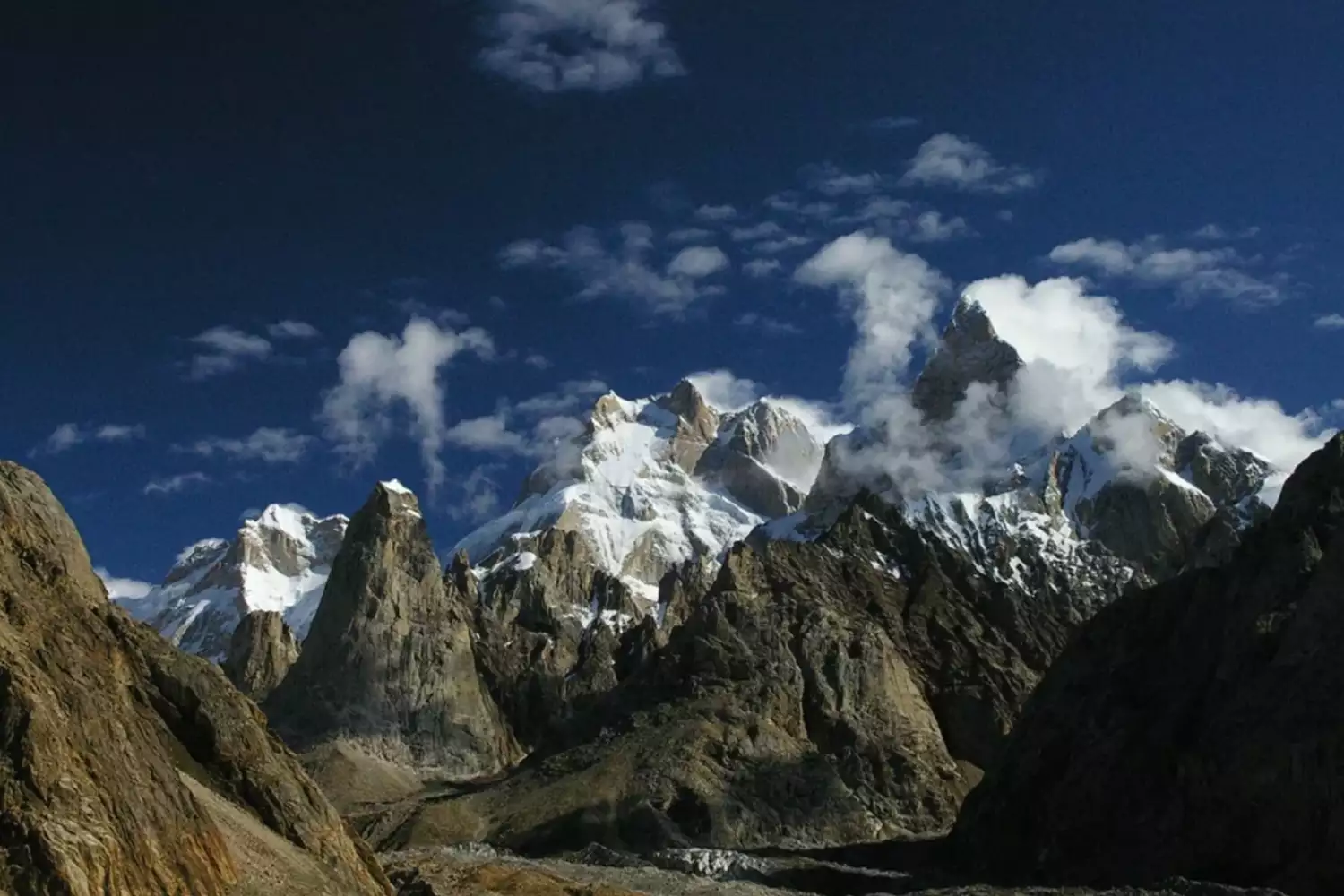
Top Dangerous Mountains to Climb
These mountains are renowned for their high death rates and challenging terrains. Here’s a detailed look at the most dangerous peaks:
- Annapurna I (8,091m, Nepal)
- Fatality Rate: ~32%
- Deaths: Approximately 73 recorded fatalities.
- Risks: Known for its steep faces, unpredictable avalanches, and harsh weather, Annapurna I is the deadliest 8,000-meter peak. The south face, climbed first in 1970 by an all-female team, remains a technical nightmare.
- K2 (8,611m, Pakistan-China Border)
- Fatality Rate: ~25%
- Deaths: Around 91 climbers have perished.
- Risks: Dubbed the “Savage Mountain,” K2 features steep ice walls, the deadly Bottleneck, and frequent storms. The 2008 season saw 11 deaths due to an ice fall.
- Mount Everest (8,848m, Nepal-China Border)
- Fatality Rate: ~2-3%
- Deaths: Over 344 deaths recorded by 2026.
- Risks: Despite its lower death rate, Everest’s high traffic, avalanches, and the Death Zone (above 8,000m) make it deadly. The 2019 overcrowding incident caused 11 deaths.
- Kangchenjunga (8,586m, India-Nepal Border)
- Fatality Rate: ~20%
- Deaths: Approximately 53 fatalities.
- Risks: Its remote location, steep ridges, and unpredictable weather contribute to its danger. A 1992 avalanche killed three climbers.
- Nanga Parbat (8,126m, Pakistan)
- Fatality Rate: ~19%
- Deaths: Around 68 climbers have died.
- Risks: Known as the “Killer Mountain,” its massive south face and frequent avalanches pose significant threats. The 1934 expedition saw nine deaths.
Causes of Death on Dangerous Mountains
The primary causes of fatalities on these mountains include:
- Avalanches: Account for ~33% of deaths, especially on Annapurna and Kangchenjunga.
- Altitude Sickness: ~25% of deaths occur due to HAPE and HACE in the Death Zone.
- Falls: ~20% result from slips on icy slopes, common on K2 and Nanga Parbat.
- Exhaustion and Exposure: ~15% of climbers succumb to hypothermia or fatigue, notably on Everest.
- Other Factors: ~7% include rockfalls, heart attacks, and equipment failure.
Historical Incidents
Key events highlight the dangers:
- Annapurna I, 2014: An avalanche killed 13 climbers, marking a deadly season.
- K2, 1986: A storm trapped 27 climbers, resulting in 13 deaths.
- Everest, 1996: A blizzard claimed 15 lives, as documented in *Into Thin Air*.
- Kangchenjunga, 1989: Six climbers died in an avalanche during descent.
Comparison of Dangerous Mountains
| Mountain | Height (m) | Approx. Deaths | Death Rate |
|---|---|---|---|
| Annapurna I | 8,091 | ~73 | ~32% |
| K2 | 8,611 | ~91 | ~25% |
| Mount Everest | 8,848 | ~344 | ~2-3% |
| Kangchenjunga | 8,586 | ~53 | ~20% |
| Nanga Parbat | 8,126 | ~68 | ~19% |
Safety Tips for Climbing Dangerous Mountains
- Train for 12-18 months, focusing on endurance and altitude acclimatization.
- Climb lower peaks (6,000-7,000m) like Kilimanjaro to gain experience.
- Hire reputable guides and use high-quality gear, including oxygen systems.
- Monitor weather forecasts and avoid climbing during peak storm seasons.
Safer Alternative: Mount Kilimanjaro
For a thrilling yet safer adventure, consider Mount Kilimanjaro (5,895m) in Tanzania. With a death rate below 0.1%, it offers non-technical routes like Marangu and Machame, rich biodiversity, and cultural experiences with the Chagga people. Jaynevy Tours provides expert-guided treks, combining Kilimanjaro with safaris to Serengeti or Zanzibar beaches.
Which is the deadliest mountain to climb?
Annapurna I is considered the deadliest, with a fatality rate of approximately 32% due to its technical challenges and avalanche risks.
Why is K2 so dangerous to climb?
K2’s steep slopes, unpredictable weather, and the treacherous Bottleneck section make it highly dangerous, with a death rate of about 25%.
How can I prepare for climbing dangerous mountains?
Prepare with 12-18 months of training, climb lower peaks (6,000-7,000m), hire experienced guides, and use proper gear and acclimatization techniques.
Are there safer alternatives to dangerous mountains?
Yes, Mount Kilimanjaro offers a safer alternative with no technical climbing, a death rate below 0.1%, and diverse routes suitable for beginners.