
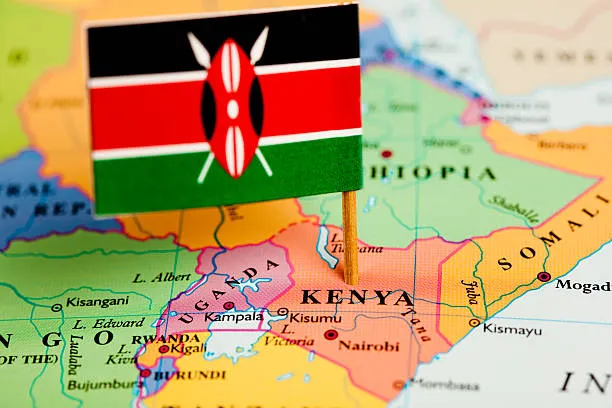
How Did Kenya Gain Independence – Complete Guide
Understanding how Kenya gained independence is essential to appreciate the country’s history, struggles, and triumphs. Kenya’s path to freedom involved political activism, negotiations, and sacrifices by its people. This guide provides a detailed overview of the events leading to independence and the key figures involved.
1. Background of Kenya’s Colonial Period
Kenya was under British colonial rule from 1895 to 1963. During this time:
- Land was seized from indigenous communities for settler farming, especially in the Central Highlands.
- Economic and political power was concentrated in the hands of British settlers.
- Indigenous Kenyans faced discrimination, limited rights, and forced labor.
2. Rise of Nationalism
By the 1940s and 1950s, a strong nationalist movement emerged:
- Kenya African Union (KAU) advocated for political rights and land reforms.
- Leaders such as Jomo Kenyatta, Tom Mboya, and Oginga Odinga became prominent voices for independence.
- The Mau Mau uprising (1952–1960) represented a significant armed struggle against colonial rule.
3. The Mau Mau Uprising
The Mau Mau rebellion played a key role in Kenya’s independence:
- Centered mainly in the Central Highlands, it involved Kikuyu fighters resisting land dispossession.
- The uprising led to emergency rule by the British, widespread arrests, and trials of freedom fighters.
- Though eventually suppressed militarily, the rebellion pressured Britain to reconsider colonial policies.
4. Negotiations and Constitutional Changes
After years of activism and resistance, negotiations began:
- British authorities gradually allowed African representation in government.
- Political parties like the Kenya African National Union (KANU) gained prominence.
- Constitutional talks in London paved the way for self-governance and eventual independence.
5. Independence Day – 12th December 1963
Kenya officially gained independence on 12th December 1963:
- Jomo Kenyatta became the first Prime Minister and later the first President of Kenya.
- British colonial rule ended, and Kenya became a sovereign nation.
- National celebrations marked the historic achievement and unity of the Kenyan people.
6. Legacy of Independence
Kenya’s independence influenced politics, society, and economy:
- Empowered citizens to participate in governance and political processes.
- Opened opportunities for economic development and local entrepreneurship.
- Preserved and promoted cultural identity and national pride.
7. Tips for Learning About Kenya’s Independence
- Visit historical sites such as the Nairobi National Museum and Fort Jesus in Mombasa .
- Read biographies and writings of key figures like Jomo Kenyatta and Tom Mboya.
- Attend cultural events and independence day celebrations on 12th December.
- Engage with local historians or guided tours for deeper insights.
8. Summary – How Did Kenya Gain Independence
Kenya gained independence through a combination of political activism, negotiations, and the sacrifices of freedom fighters. The Mau Mau uprising, nationalist movements, and constitutional talks with the British paved the way for sovereignty. Independence Day on 12th December 1963 marked the beginning of self-governance and nation-building in Kenya.
For more Kenya history, cultural guides, and travel insights, visit www.jaynevytours.com.