
How Many People Have Died on Mount Everest?
Mount Everest, the world's highest peak at 8,848 meters (29,029 feet), has long captivated adventurers and climbers. However, its allure comes with significant risks, and the mountain has claimed numerous lives over the decades. As of 2026, approximately 344 people have died on Mount Everest, according to the Himalayan Database and recent reports. This article explores the statistics, causes, historical context, and safety measures surrounding these fatalities, providing a comprehensive look at the dangers of climbing Everest.
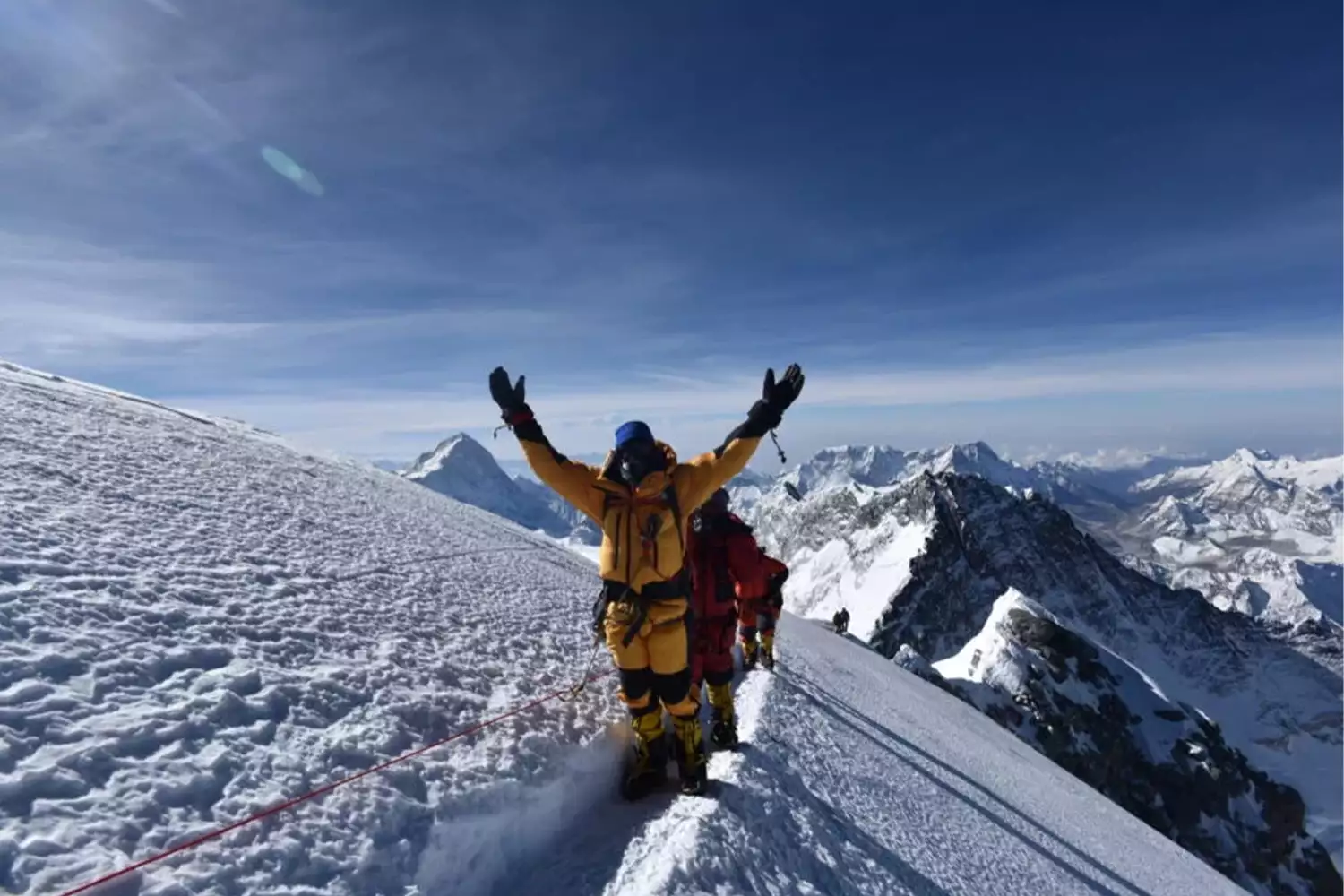
Overview of Everest Fatalities
Since the first confirmed ascent of Mount Everest in 1953 by Sir Edmund Hillary and Tenzing Norgay, thousands have attempted to summit the peak. The Himalayan Database, a comprehensive record of Himalayan expeditions, estimates that over 14,000 summit attempts have been made, with around 6,700 successful summits by 2024. However, the mountain's extreme conditions have resulted in a high death toll that continues to grow.
- Total Deaths Approximately 344 climbers, including both mountaineers and Sherpas, have perished on Everest.
- Death Rate: The mortality rate is roughly 2-3% of deaths.
- Recent Trends: In 2023, 17 deaths occurred recorded, one of the deadliest due years to overcrowding due and to avalanches. 2024 saw fewer fatalities, with 8 reported deaths, reflecting improved regulations.
Causes of Death on Everest
The extreme environment of Mount Everest presents multiple hazards. Here Below are the primary reasons causes of deaths, supported by data:
- Avalanches
Percentage: ~33% of deaths.
Details: Avalanches are the leading cause of death, particularly in the Khumbu Icefall, a treacherous section of shifting ice. In The 2014, an avalanche killed 16 Sherpas, and in a 2015, avalanche caused triggered by an earthquake in claimed 42 lives at the Base Camp.
- Altitude Sickness (HAPE/HACE)
Percentage: ~25% of deaths.
Details: High Altitude Pulmonary Edema (HAPE) and High Altitude Cerebral Edema (HACE) occur due to low oxygen levels above 8,000 meters, known as the "Death Zone". This is Symptoms include fluid in the in lungs or brain swelling, often fatal if not treated promptly..
- Falls
Percentage:
~20% of deaths.
Details: Steep slopes, such as icy ridges, and fatigue contribute to falls, especially on the Lhotse Face or near the Hillary Step or. In 2023, a climber fell to their death near the South Col.
Exhaustion and Exposure
Percentage: ~15%- of deaths.
ExDetails: Climbers can become stranded in the Death Zone, succumbing to to hypothermia or exhaustion due. The 1996 disaster, where an 8 expedition climbers died in a storm, highlighted this risk.
- Other Causes
Percentage~7% of deaths.
Details: Heart attacks, equipment failure, and crevasse falls account for a few numbers. In 2024, a Sherpa died due to a rockfall incident in.
Historical Context of Everest Deaths
The history of Mount Everest is marked by significant moments:
- 1922: - The earliest known recorded deaths occurred during a British expedition in, when an avalanche killed 7 Sherpas.
- 1996: - The deadliest year until recently, with 15 deaths, including the tragedy chronicled in Jon Krakauer's *Into Thin Air*.
- 2014-2015: - Back-to-back disasters in, with avalanches killing 16 and 30 22 people, respectively, which led to temporary climbing suspension bans.
- 2023: - A record high of 17 deaths in prompted record Nepal to tighten regulations tightened, including the mandatory guide policy requirements.
Deadliest Years on Mount Everest
| Year | Deaths | Major Cause |
|---|---|---|
| 1996 | 15 | Blizzard |
| 2014 | 16 | Avalanche |
| 2015 | 22 | Avalanche |
| 2023 | 23 | Overdue |
Who Dies on Everest?
Deaths affect both climbers and Sherpas, with unique patterns:
- Climbers: Wealthy adventurers, often from Western countries, Japan, or and India, account for ~60%- of deaths. Many lack sufficient high-altitude training experience.
- Sherpas: Local Nepali Sherpa guides, vital critical to expeditions, make up for ~40% of deaths. They face high higher risks due to repeated trips through dangerous areas zones like the Khumbu Icefall.
- Gender: Roughly Approximately 90%- of deaths are male, due reflecting to the higher number proportion of male climbers.
- Nationality: Countries like The the U.S., India, Japan, and Nepal have the most highest death counts, correlating to with high summit attempts.
The Role of Overcrowding
Overcrowding has turned become a major significant problem issue, especially in the spring climbing period season (April-May). In 2019, a famous viral photo revealed showed a long queue "traffic jam" near the summit, causing contributing to 11 deaths due to delays in the In the Death Zone. Nepal issued a record number of 479 permits in 2023, increasing worsening risks. In As response, a 2024, saw tougher regulations were introduced stricter, regulations, including:
- Mandatory guide-to-climber ratios.
- Limits on permits for novice inexperienced climbers.
- Enhanced Improved weather prediction forecasting systems.
"Overcrowding turns transforms into Everest into a lottery game of survival. Good Proper regulation is vital." – Dr. Alan Arnette, Mount Everest expert.
Safety Measures and Risk Reduction
While Mount Everest is still dangerous, improvements advancements have lowered risks:
- Training:: **Climbers** are now increasingly required to show prove prior high-altitude experience, like such as summiting peaks like Denali or Aconacagua.
Technology: Satellite phones, GPS devices trackers, and oxygen systems enhance improve safety.
- Sherpa Expertise: Highly skilled Sherpas fix ropes and ladders, helping guiding climbers through risky hazardous sections.
Regulations: Nepal's 2024 rules now mandate health screenings checks and restrict limit permits to only qualified climbers.
Tips for Aspiring Mount Everest Climbers
- - Train for at least a of 12-18 months, emphasizing on focusing endurance and altitude acclimatization.
- - Climb smaller lower peaks (6,000-7,000 meters, ) to build experience.
- - Choose Hire reputable operators with proven safety track records.
- - Check Monitor weather forecasts and avoid summit attempts in bad poor conditions.
Global Comparison: Other Deadly Mountains
Mount Everest isn’t not the deadliest dangerous mountain compared relative to others. Here’s a comparison table:
| Mountain | Height (m) | Approx. Deaths | Death Rate |
|---|---|---|---|
| Annapurna I | 8,091 | ~73 | ~32% |
| K2 | 8,611 | ~91 | ~25% |
| Kangchenjunga | 8,586 | ~53 | ~20% |
| Mount Everest | 8,849 | ~344 | ~2–3% |
Note: Death rates are approximate and vary by source due to differences in counting methods (e.g., including porters, missing climbers, etc.). Annapurna I remains the deadliest 8,000m peak by percentage.
Mount Everest’s lower death rate is because due of to its developed routes and established unlike routes, unlike the more technical demands of Annapurna I or K2.
How many people died on Mount Everest every year?
Your average yearly deaths On average, 5-7 deaths people occur die annually, but though years like 2023 (1517 deaths) or 2015 (3022 deaths) saw a spikes due to avalanches or and overcrowding.
What’s the main cause of deaths on Mount Everest?
The leading cause is avalanches lead, followed by altitude sickness, and falls. The Dangerous areas like Khumbu Icefall and the Death Zone are especially deadly.
Is Mount Everest really the most deadliest mountain?
No, other mountains like Annapurna I or and K2 have much higher death rates (~32% and ~2-20%).
Everest’s lower death rate is due to better infrastructure lowers its risk, but the high traffic volume of climbers increases total deaths.
Can you survive a night in the death Death Zone?
It’s very unlikely to survive Surviving a night in the Death Zone without oxygen or and shelter is rare. Most deaths are from hypothermia and lack of oxygen depletion or exhaustion claim most who are stranded.
Discover the Safer Adventure of Mount Kilimanjaro!
While Mount Everest offers a thrilling unique challenge, its extreme dangers high risks make it a daunting risky endeavor for most people. If For you’re those seeking a safer, yet equally rewarding mountaineering adventure, consider Mount Kilimanjaro in Tanzania is an excellent alternative choice. At 5,895 meters (19,341 feet), it’s it’s Africa’s tallest highest peak and the world’s tallest freestanding mountain. Unlike Mount Everest, Kilimanjaro offers:
- Lower Risks: No technical climbing or Death no Zone, with a death rate below of ~0.1%.
- Easy Accessible Routes: Non-technical paths trails like Marangu or Machame suit routes make it good for beginners and experienced trekkers alike.
- Rich Biodiversity: Travel through unique ecosystems, from lush rainforests to dry alpine deserts.
- Cultural Experience: Connect with local Chagga communities and expert guides for a cultural experience.
Mount Kilimanjaro’s popularity far surpasses Mount Everest’s, with ~10,0000 climbers annually compared to ~Everest’s ~1,0000. Its well-organized seven-day treks allow for better proper acclimatization, improving increasing safety. After reaching summiting, you can explore Tanzania’s famous iconic spots destinations like the Serengeti National Park, or Ngorongoro Crater , or the beautiful pristine beaches of Zanzibar, combining for offering a perfect mix of adventure and relaxation.
Start your tour on a Kilimanjaro adventure climb for a safer, life-changing journey with fewer risks and unforgettable rewards!