
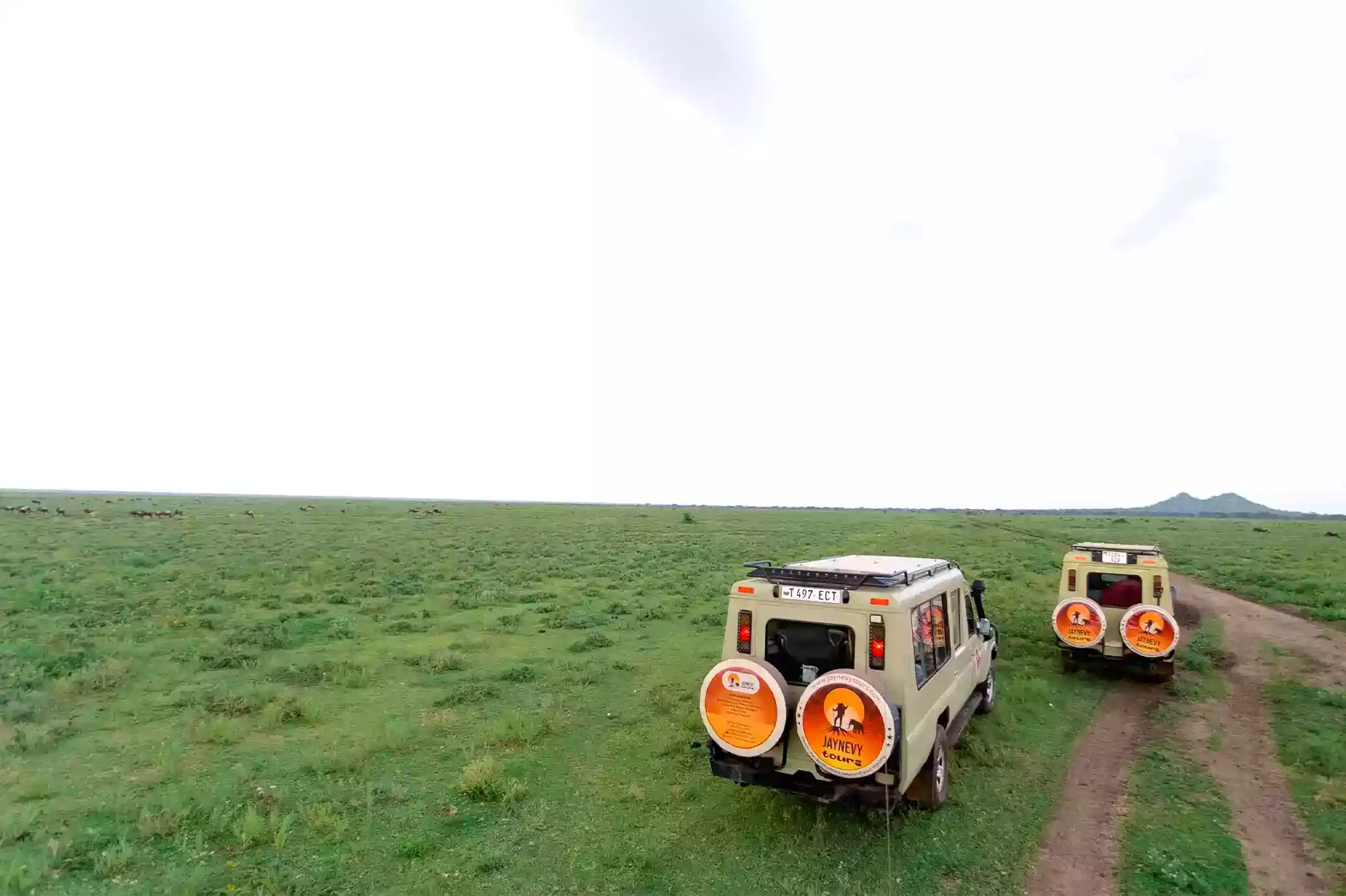
Why Most People Struggle When Planning Their Tanzania Safari
Every year thousands of travelers start researching “how to plan a safari in Tanzania step by step” only to feel lost in conflicting advice, hidden costs, and too many options. One person tells you to book 18 months ahead; another says last-minute deals exist. Park fees change, migration patterns shift, and suddenly your dream trip feels complicated. The truth is that a great safari is completely doable when you follow a clear, realistic plan instead of guessing.
Step 1: Decide the Best Time to Visit Tanzania in 2026-2027
The dry season from June to October offers the clearest wildlife viewing because animals gather around water sources and grass is short. July to September is peak migration time in the northern Serengeti with river crossings that feel cinematic. Shoulder seasons (March–May and November) bring lower prices — often 30-40% cheaper — greener scenery, and fewer vehicles on the plains. December to February is great for calving season in the southern Serengeti but can be hotter and wetter. Choose based on your priorities: dramatic sightings or better value and solitude.
Step 2: Choose Your Safari Style and Budget Level
Decide early whether you want a private safari or a small group one. Private gives you flexibility on departure times and longer game drives; group tours are more affordable. Next, pick your comfort level. Budget camping safaris start around $250–$400 per person per day and still deliver excellent game drives with basic but clean tents. Mid-range lodges and tented camps (the sweet spot for most first-timers) run $450–$800 per person per day with proper beds, en-suite bathrooms, and delicious meals. Luxury fly-in options begin at $850 and go well above $1,500 with private plunge pools and butler service.
Step 3: Pick the Right Parks and Build a Logical Itinerary
For most travelers the classic Northern Circuit is perfect: start with Tarangire for huge elephant herds and ancient baobabs, move to Lake Manyara for tree-climbing lions and flamingos, spend a full day in the Ngorongoro Crater where the Big Five are almost guaranteed, then finish with 3–4 days in the Serengeti for the migration and vast open plains. A balanced 7–9 day trip usually covers these four areas without feeling rushed. Southern Circuit parks like Ruaha and Nyerere are quieter and more exclusive but require more travel time and higher daily costs.
Step 4: Book the Right Local Safari Operator
Working directly with a reputable Tanzanian company almost always gives better value than international agents. Local operators know the current road conditions, have long-standing relationships with camps, and can adjust your itinerary on the spot if the migration moves. Look for operators who include all park fees, bottled water, and English-speaking professional guides in the quoted price. Ask for recent client references and confirm that vehicles have pop-up roofs and reliable radios.
Step 5: Handle Flights, Visas, Health, and Practical Details
Fly into Kilimanjaro International Airport (JRO) for the northern circuit — it’s only a 45-minute drive to Arusha. Most nationalities get a visa on arrival for $50–$100. Yellow fever vaccination is required if coming from a risk country; malaria tablets are strongly recommended. Buy comprehensive travel insurance that covers medical evacuation. Internal flights on small planes have a strict 15–20 kg luggage limit in soft bags only — this detail catches many people off guard.
Step 6: Pack the Right Gear for Comfort and Success
Stick to neutral khaki, beige, and olive clothing that doesn’t scare animals or attract tsetse flies. Bring good binoculars (8x42 or 10x42), a camera with at least 200mm zoom, a wide-brim hat, sunscreen, insect repellent with DEET, a lightweight rain jacket for afternoon showers, layers for chilly 5:30 am starts, and comfortable closed shoes for short walks. A reusable water bottle and small daypack complete the list. Leave bright colors and heavy suitcases at home.
Real Insider Tips That Make Your Safari Better
Guides notice everything — tell yours what you most want to see and they will position the vehicle perfectly. Always carry a small bottle of hand sanitizer and wet wipes for dusty roads. Put your phone away for at least one full game drive and simply watch; the memories feel stronger that way. If you’re lucky enough to witness a lion kill or a river crossing, stay quiet and let the moment sink in. Early morning drives almost always deliver the best light and activity.
Private Safari vs Group Tour vs Self-Drive — Which One Wins?
Private safaris give you total freedom but cost more. Small group tours (4–6 people) share the vehicle and save 25–35% while still feeling personal. Self-drive is possible in some parks but not recommended for first-timers because you miss the expert spotting skills of a guide and navigation through unmarked tracks can be stressful. For most people a private or small-group trip with a trusted local operator offers the best balance of value, safety, and unforgettable experiences.
Real Cost Breakdown for Planning a Safari in Tanzania 2026-2027
| Category | Budget | Mid-Range (Most Popular) |
|---|---|---|
| 7-Day Safari (per person sharing) | $1,750 – $2,800 | $2,800 – $5,500 |
| Daily Rate (private vehicle) | $250 – $400 | $450 – $800 |
| Park Fees (approx. per day) | $70 – $83 | $70 – $83 |
| Accommodation & Meals | Included | Included |
| Transfers & Guide | Included | Included |
Recommended Destinations for Your First Safari in Tanzania
Tanzania offers an incredible variety of experiences for first-time safari travelers. From the endless plains of the Serengeti to the majestic peak of Kilimanjaro and the pristine beaches of Zanzibar, these iconic destinations will make your first safari unforgettable.
Serengeti National Park
Home to the largest mammal migration on Earth and one of the best places to see the Big Five
Mount Kilimanjaro
East Africa ’s highest mountain and a bucket-list adventure that many combine with their first safari in Tanzania.
Ngorongoro Conservation Area
A UNESCO World Heritage Site famous for its volcanic Ngorongoro Crater teeming with wildlife
Lake Manyara National Park
Famous for tree-climbing Lions , flamingos, and beautiful landscapes..
Frequently Asked Questions About Planning a Safari in Tanzania
How do I start planning a safari in Tanzania step by step?
Begin by deciding when to travel, choosing your budget and style, selecting parks, booking a reliable local operator, arranging flights and visas, then packing smartly. This guide breaks every step down clearly.
How much does it cost to plan a safari in Tanzania in 2026-2027?
A 7-day mid-range private safari costs $2,800–$5,500 per person sharing. Budget options start at $1,750 while luxury can reach $7,000+. Park fees alone add $70–$83 per person per day in Serengeti National Park .
What is the best time to plan a safari in Tanzania?
June to October is the dry season with the best wildlife viewing and easiest game drives. Shoulder months March–May and November offer Lower Zambezi prices and fewer crowds but greener landscapes.
Do I need to book a safari in Tanzania in advance?
Yes — book 6–12 months ahead for peak season (June–October) and popular camps during the migration. Last-minute spots are possible in shoulder seasons but choices are limited.
What should I pack when planning a safari in Tanzania?
Neutral earth-tone clothing, binoculars, camera with zoom, wide-brim hat, sunscreen, insect repellent, layers for cool mornings, comfortable walking shoes, and a lightweight daypack.
Planning your safari in Tanzania doesn’t have to be complicated. When you follow these steps and work with people who know the country inside out, the trip of a lifetime comes together naturally. If you’d like help turning these steps into a personalised itinerary that fits your dates and dreams, the team at Jaynevy Tours is always happy to put something together that feels right for you — no pressure, just good honest advice.