
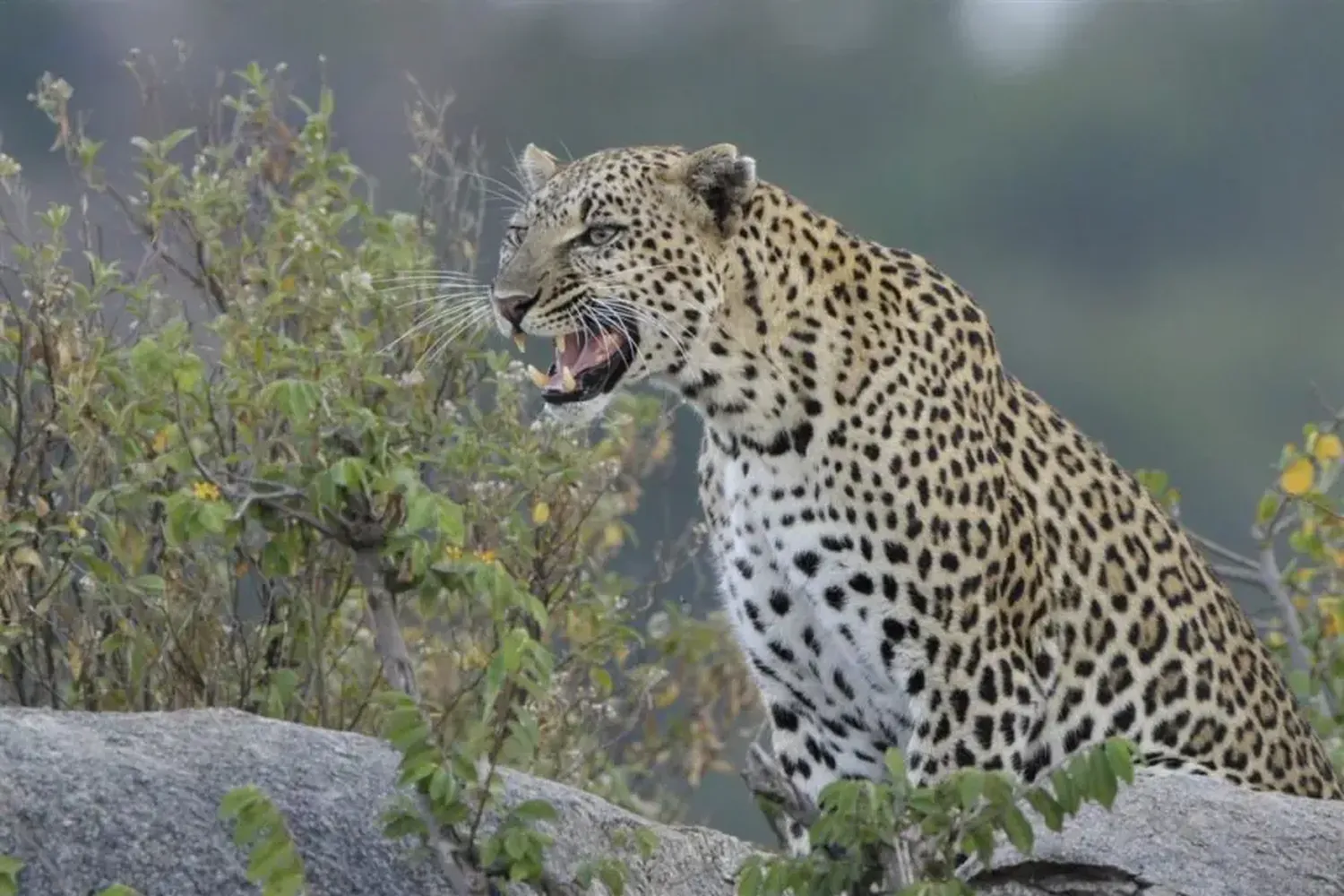
Why Leopard Tracking in Serengeti?
Tanzania is home to over 1,000 leopards, with Serengeti National Park offering an 85% sighting rate, attracting 1.5 million tourists yearly. Leopards ’ elusive nature makes tracking them a thrilling adventure, and Tanzania’s diverse ecosystems provide ideal habitats for these majestic cats.
Top Destinations for Leopard Tracking
Serengeti National Park
Spanning 14,763 km², Serengeti hosts 300-400 leopards, with an 85% sighting rate. Safaris start at $1,200 for 3 days, offering prime leopard tracking during the Great Migration .
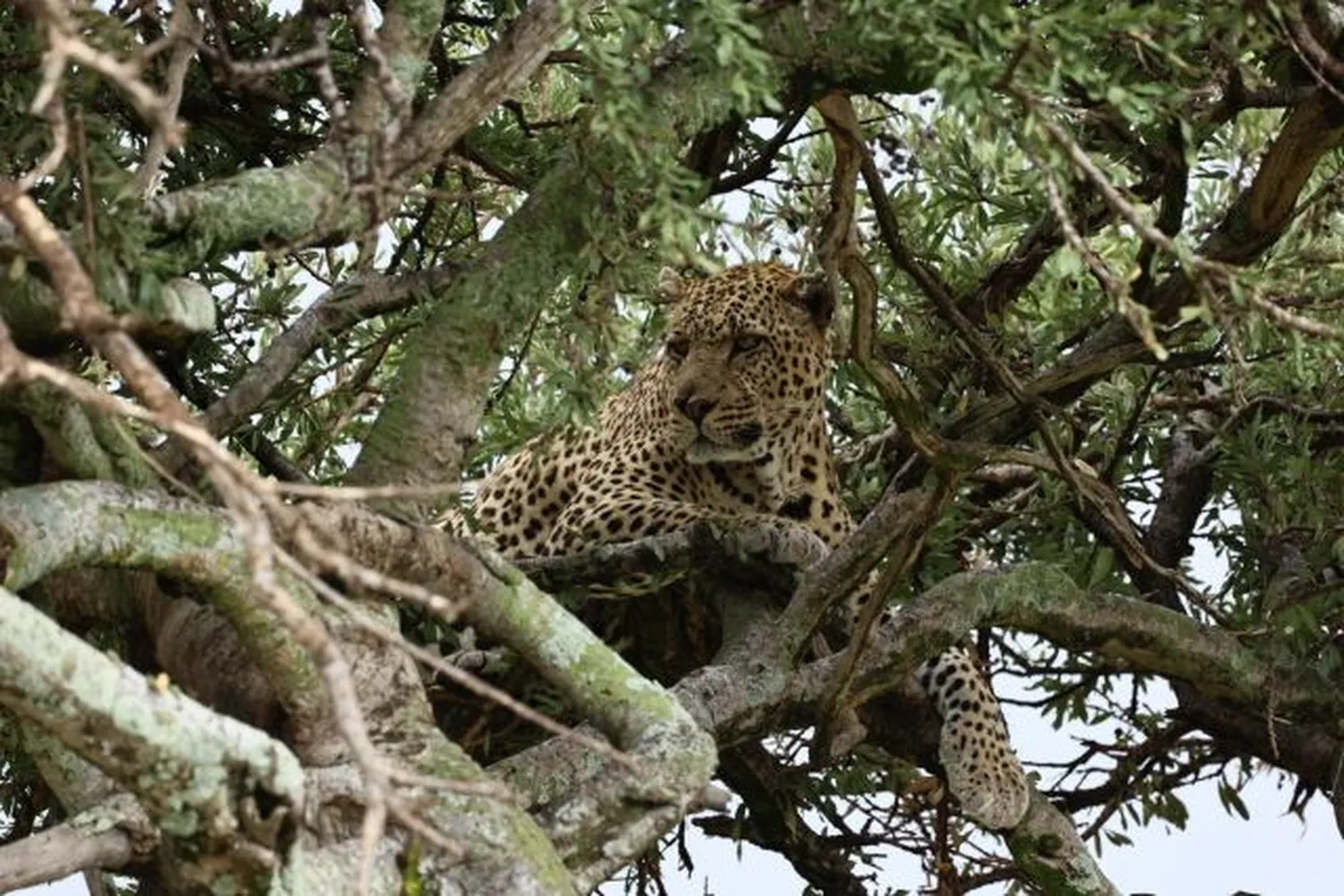
Ngorongoro Crater
This 260 km² caldera has 20-30 leopards, with an 80% sighting rate. Budget safaris cost $800 for 2 days, ideal for spotting leopards in acacia trees.
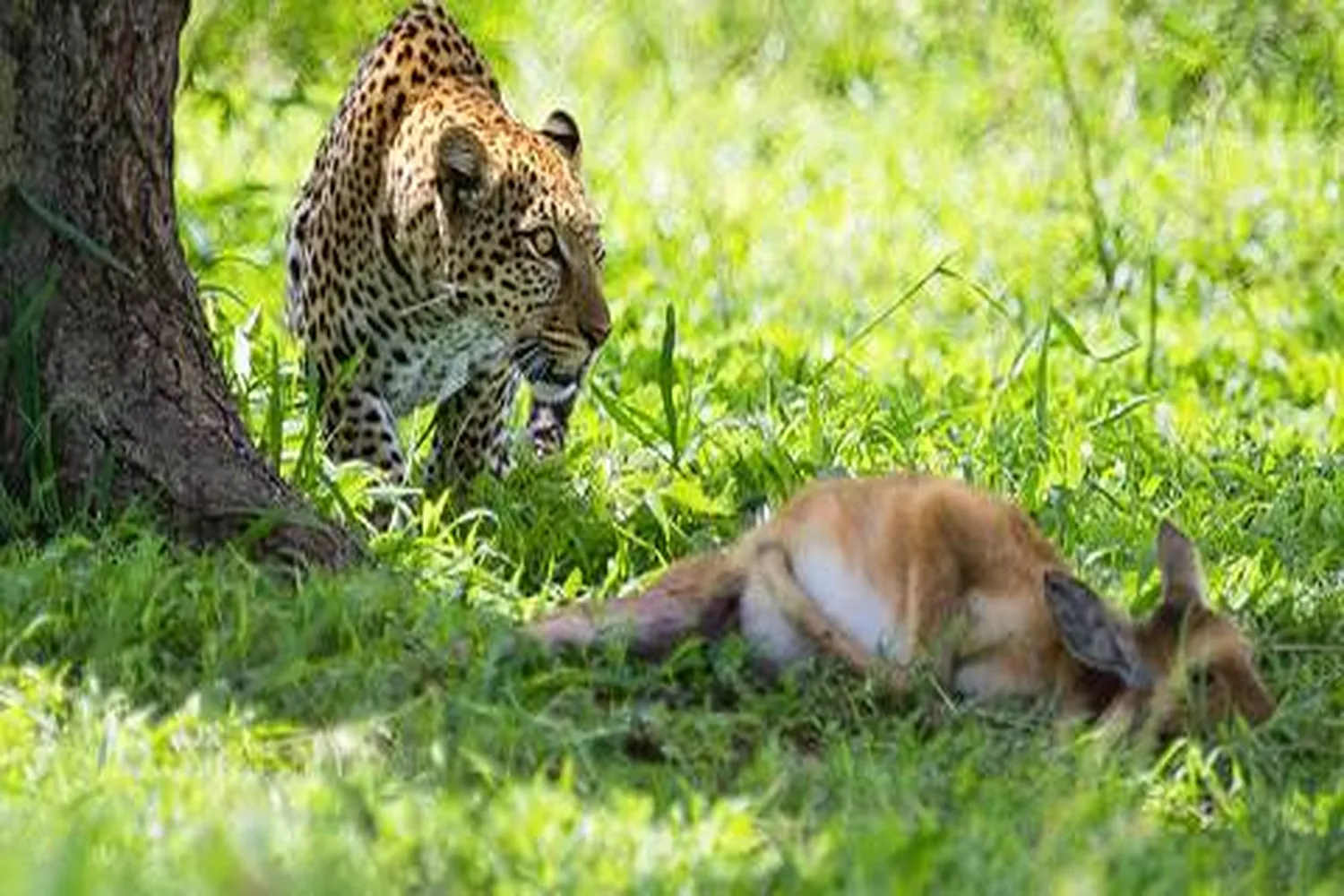
Tarangire National Park
Covering 2,850 km², Tarangire has 50-70 leopards, with a 75% sighting rate. Budget packages start at $650 for 2 days, perfect for observing leopards in baobab landscapes.
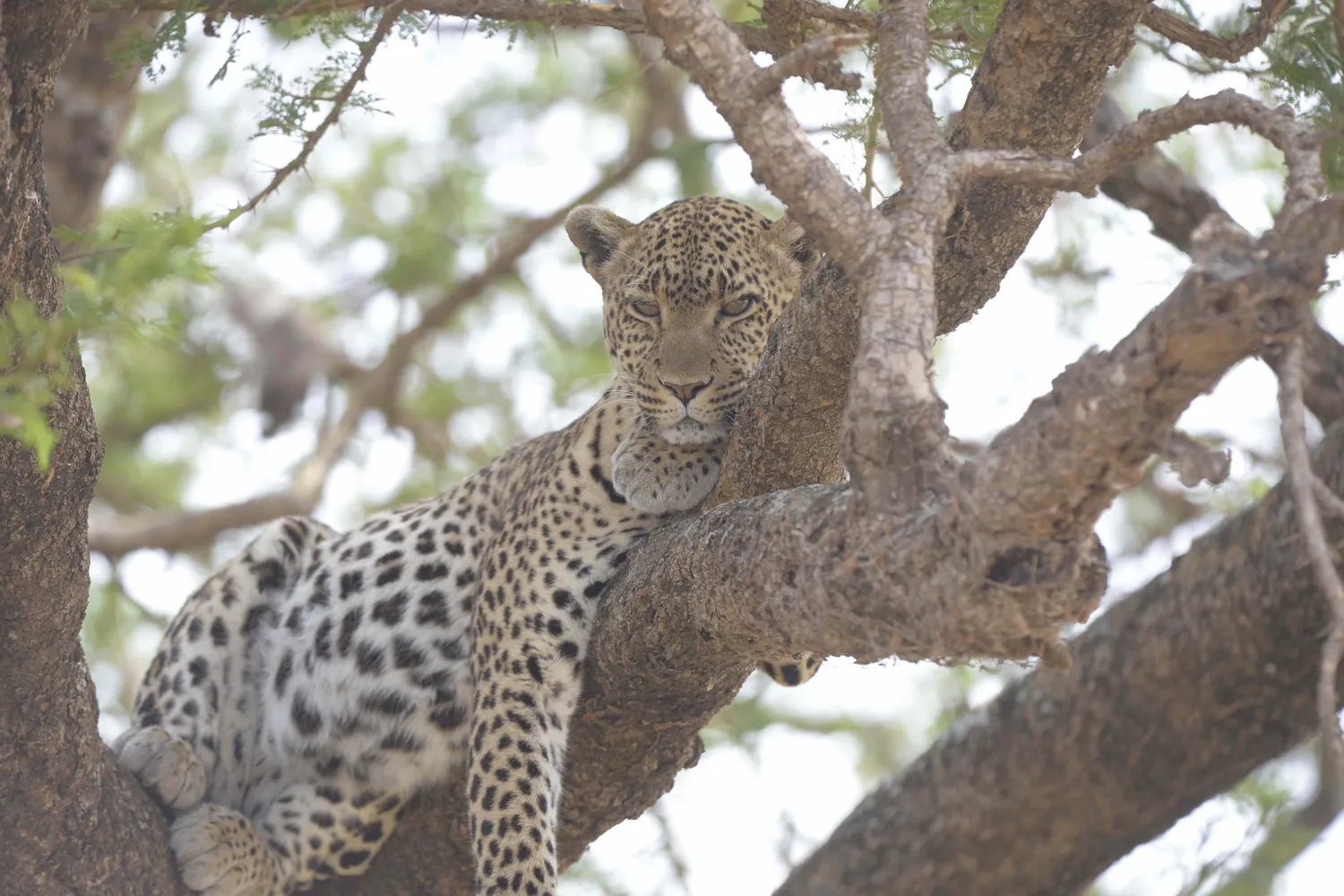
Ruaha National Park
With 20,226 km² and 100-150 leopards, Ruaha offers an 80% sighting rate. Safaris start at $1,000 for 3 days, ideal for remote leopard tracking adventures.
Cost Breakdown of Leopard Tracking Safaris
| Package Type | Cost (USD) | Duration |
|---|---|---|
| Budget | 1,200-2,000 | 3-4 days |
| Mid-Range | 2,000-4,000 | 4-6 days |
| Luxury | 4,000-7,000 | 6-8 days |
Sample Leopard Tracking Safari Packages
4-Day Budget Serengeti Leopard Safari
- Cost: $1,200-$2,000/person.
- Itinerary: Serengeti (Days 1-3), return (Day 4).
- Inclusions: Camping, meals, 4x4 game drives, park fees ($60-$100/day).
6-Day Mid-Range Leopard Adventure
- Cost: $2,000-$4,000/person.
- Itinerary: Serengeti (Days 1-3), Ngorongoro (Day 4), Tarangire (Day 5), return (Day 6).
- Inclusions: Lodges, meals, guided game drives.
8-Day Luxury Leopard Tracking Safari
- Cost: $4,000-$7,000/person.
- Itinerary: Serengeti (Days 1-4), Ruaha (Days 5-6), Ngorongoro (Day 7), return (Day 8).
- Inclusions: Private lodges, gourmet meals, exclusive game drives.
Best Time for Leopard Tracking
June to October, the dry season, offers 85% leopard sighting success due to sparse vegetation and concentrated prey. February to March, the wet season, provides 15-20% cost savings and lush scenery, with 70% sighting rates.
Qualitative Insights: Traveler Experiences
Travelers describe leopard tracking as “exhilarating,” with 90% rating Serengeti sightings as unforgettable. A guest shared, “Spotting a leopard in a tree in Ngorongoro was a dream come true.” Budget travelers value group safaris for shared excitement, while luxury guests appreciate private guides for deeper exploration.
Quantitative Data: Leopard Tracking Trends
- 40% of Tanzania safari bookings prioritize leopard tracking.
- Serengeti accounts for 60% of leopard-focused safaris, with 300-400 leopards.
- Budget safaris make up 35% of bookings, starting at $1,200.
- 80% of leopard sightings occur during early morning or dusk drives.
- 85% of travelers book 6-12 months in advance for better rates.
Tips for Maximizing Leopard Sightings
- Choose Early Morning or Dusk Drives: Leopards are most active then, with 80% sightings during these times.
- Hire Expert Guides: Local trackers increase sighting chances by 25% with knowledge of leopard habits.
- Use 4x4 Vehicles: Open-top vehicles offer 360° views, used in 95% of safaris.
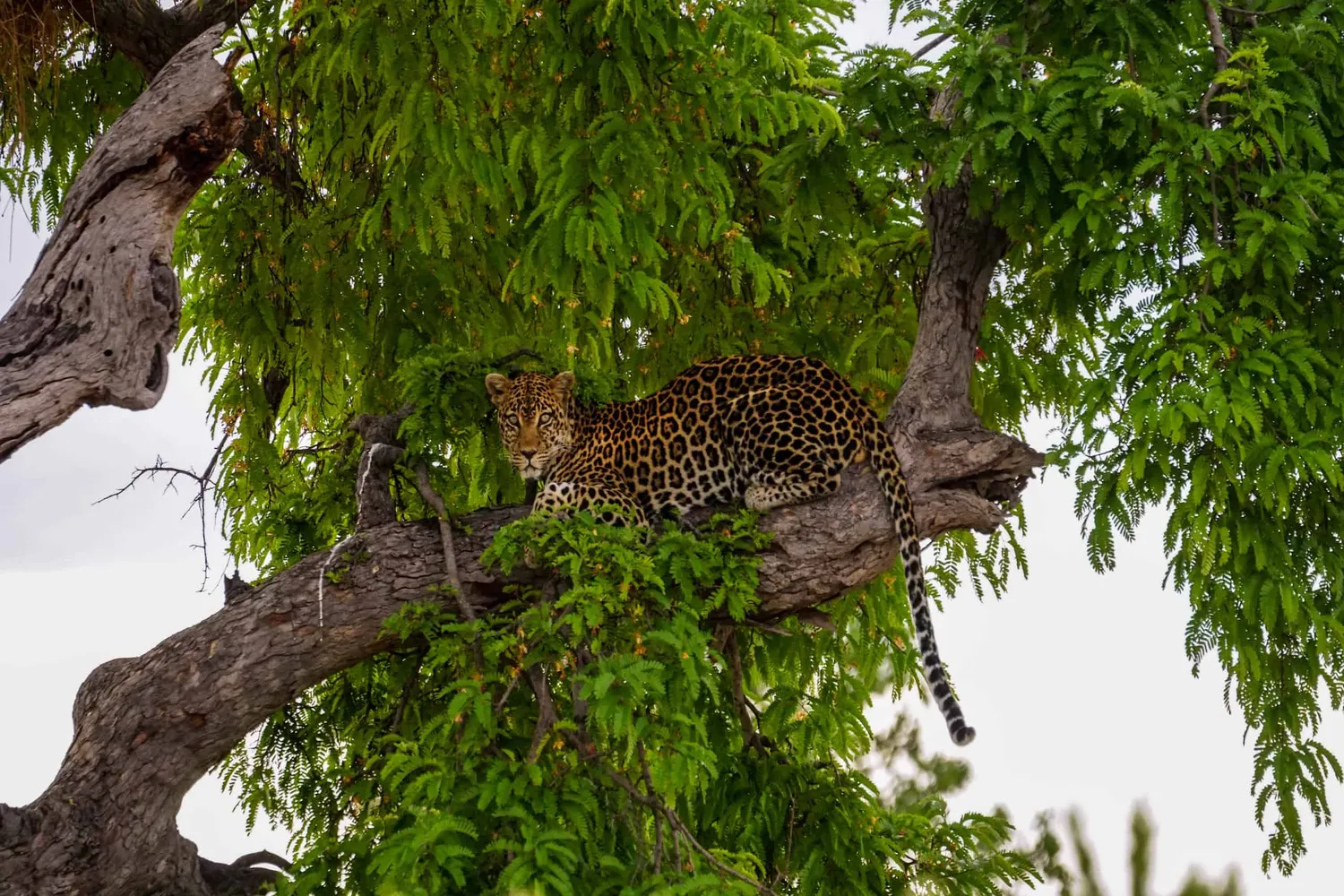
- Focus on Acacia Trees: Leopards often rest in trees, boosting sightings in Serengeti and Ngorongoro.
- Bring Binoculars and Cameras: Enhance distant views, recommended by 85% of travelers.
Other Wildlife to See
Besides leopards, expect the Big Five , 1.5 million wildebeest, zebras, and 570+ bird species. Serengeti offers 95% Big Five sightings, while Ruaha is known for its diverse predator population.
Cost Factors for Leopard Tracking Safaris
- Accommodation: Camping ($50-$100/night) vs. luxury lodges ($500-$2,000/night).
- Park Fees: $30-$100/day, with Serengeti at $60-$100.
- Flights: International to Kilimanjaro (JRO) costs $800-$1,500; domestic flights $100-$500.
- Group Size: Group safaris save 15-20% vs. private tours.
- Specialized Tracking: Leopard-focused tours with expert trackers cost $100-$300 extra.
Additional Costs to Consider
- Visas: $50-$100 for most nationalities.
- Tips: $5-$20/day for guides, expected by 80% of operators.
- Travel Insurance: $50-$150 for comprehensive coverage.
- Equipment: Binoculars or camera gear ($50-$300).
Safety and Health
Leopard tracking safaris have a 99% safety record with trained guides. Yellow fever vaccination is mandatory; malaria prophylaxis is recommended. Vehicles are equipped with safety features, ensuring 95% guest confidence.
Customizing Your Leopard Tracking Safari
85% of operators, including Jaynevy Tours, offer tailored itineraries. Add night drives, photography sessions, or Maasai cultural visits for a personalized leopard tracking experience.
Conservation and Leopard Protection
Leopards face habitat loss and human-wildlife conflict, but conservation efforts in Tanzania have stabilized populations. Supporting eco-friendly operators like Jaynevy Tours aids leopard conservation and community initiatives.
Why Choose Jaynevy Tours for Leopard Tracking?
Jaynevy Tours specializes in leopard tracking safaris, with 95% guest satisfaction. Our expert guides, affordable packages, and partnerships with top parks ensure thrilling and ethical leopard sightings in Tanzania.
Frequently Asked Questions
Where is the best place for leopard tracking in Tanzania?
Serengeti National Park offers an 85% leopard sighting rate, ideal for tracking.
How much does a leopard tracking safari cost?
Costs range from $1,200 for budget to $7,000 for luxury safaris.
When is the best time for leopard tracking in Serengeti?
June-October provides 85% leopard sighting success due to dry conditions.
Are leopard tracking safaris safe?
Yes, guided safaris have a 99% safety record with expert guides.
What is included in leopard tracking safari packages?
Accommodation, meals, 4x4 game drives, and park fees are included.
Can I customize a leopard tracking safari?
Yes, 85% of operators offer tailored leopard-focused itineraries.
Which parks besides Serengeti are good for leopards?
Ngorongoro Crater , Tarangire, and Ruaha are excellent for leopards.
What other wildlife can I see on a leopard tracking safari?
Big Five, wildebeest, zebras, and 570+ bird species are common.
Do leopard tracking safaris include flights?
Budget safaris often exclude flights; luxury packages may include them.
How do I book a leopard tracking safari in Tanzania?
Book 6-12 months in advance with operators like Jaynevy Tours.