
Mountains That Claim the Most Lives: A Climber’s Risk List – Comprehensive Guide 2026
Mountains captivate adventurers with their majestic beauty, but for every breathtaking summit, there lies a perilous journey. This guide explores the world’s deadliest mountains, focusing on fatality rates, inherent risks, and safety considerations. From the treacherous slopes of Annapurna to the icy challenges of K2, understanding these hazards is crucial for climbers worldwide.
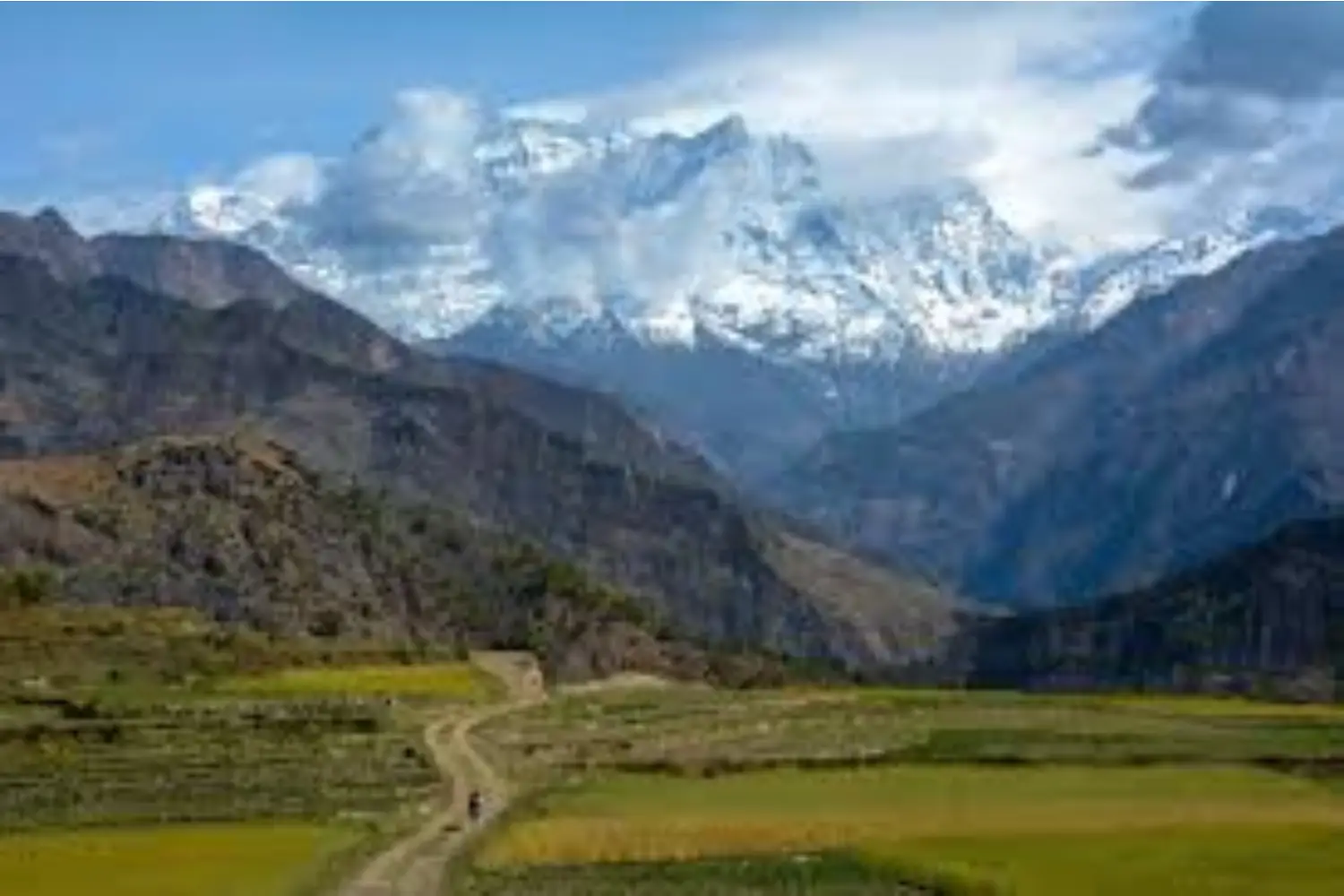
Top Deadliest Mountains: A Detailed Overview
The following mountains are renowned for their high fatality rates, driven by factors such as altitude, weather, avalanches, and technical difficulty. Each peak presents unique challenges that have claimed numerous lives over decades.
Annapurna I
Standing at 8,091 meters, Annapurna I in Nepal holds the grim title of the world’s deadliest mountain, with a fatality rate of approximately 32%. Its steep south face, prone to avalanches and rockfalls, combined with unpredictable weather, makes it a formidable challenge. Only around 365 climbers have summited successfully, with over 72 deaths recorded.
K2
Known as the “Savage Mountain,” K2 at 8,611 meters on the Pakistan-China border has a fatality rate of about 23%. Its technical routes, including the treacherous Bottleneck, and extreme weather conditions contribute to its reputation. Approximately 800 climbers have summited, with 96 deaths reported.
Kangchenjunga
The third-highest peak at 8,586 meters, located on the Nepal-India border, Kangchenjunga boasts a fatality rate of around 22%. Frequent avalanches and remote location add to its danger, with 53 deaths among 568 successful summits.
Nanga Parbat
Dubbed the “Man Eater,” Nanga Parbat at 8,126 meters in Pakistan has a fatality rate of approximately 21%. Its massive Rupal Face and avalanche risks have led to 69 deaths from 339 successful ascents.
Everest
Despite being the highest at 8,848 meters, Everest’s fatality rate is lower at 6.5%, with over 340 deaths from 12,884 successful summits. Overcrowding, altitude sickness, and avalanches in the death zone remain significant risks.
A Safer Peak: Mount Kilimanjaro
Transitioning to a less perilous option, Mount Kilimanjaro in Tanzania, standing at 5,895 meters, offers a stark contrast to the eight-thousanders. Unlike the deadly peaks above, Kilimanjaro requires no technical climbing skills, with well-marked routes and no need for ropes or harnesses. Its fatality rate is significantly lower, with 5-7 deaths annually, primarily due to acute mountain sickness rather than falls or avalanches. This makes it an accessible choice for adventurers seeking a high-altitude experience without extreme risk, though proper acclimatization remains essential.
Comparative Risk Analysis Table
| Mountain | Height (m) | Fatality % | Summits | Deaths |
|---|---|---|---|---|
| Annapurna I | 8,091 | 32 | 365 | 72 |
| K2 | 8,611 | 23 | 800 | 96 |
| Kangchenjunga | 8,586 | 22 | 568 | 53 |
| Nanga Parbat | 8,126 | 21 | 339 | 69 |
| Everest | 8,848 | 6.5 | 12,884 | 340 |
Key Risks and Historical Incidents
- Avalanches: Responsible for significant deaths, such as the 2014 Annapurna snowstorm that killed 43 people.
- Altitude Sickness: High-altitude pulmonary edema (HAPE) and cerebral edema (HACE) are common above 8,000 meters, notably affecting Everest climbers.
- Weather Extremes: Sudden blizzards on K2 and Kangchenjunga have claimed lives due to hypothermia.
- Technical Challenges: Steep ice faces on Nanga Parbat’s Rupal Face require expert skills, increasing fall risks.
- Historical Events: The 1996 Everest disaster saw 8 deaths due to a blizzard, while the 2008 K2 avalanche killed 11 climbers.
Safety Tips for Climbers
- Acclimatize gradually, limiting elevation gains to 300-500 meters per day above 3,000 meters.
- Use avalanche beacons and train in crevasse rescue techniques.
- Monitor weather forecasts and avoid summits during storms.
- Employ experienced guides and carry emergency oxygen.
- Prepare physically with high-altitude training and technical climbing skills.
Frequently Asked Questions
Which mountain has the highest fatality rate?
Annapurna I holds the highest fatality rate at approximately 32%, making it the deadliest mountain to climb.
Is Everest the most dangerous mountain?
No, Everest has a lower fatality rate of 6.5% compared to Annapurna and K2, though it has the highest number of total deaths due to more climbers.
What causes most climbing deaths?
Avalanches, altitude sickness, falls, and extreme weather are the leading causes of death on these mountains.
Can beginners climb these mountains?
No, these mountains require advanced skills and experience; beginners should start with safer peaks like Kilimanjaro.
How can climbers improve their safety?
Climbers should acclimatize, use proper gear, hire guides, and avoid peak seasons to reduce risks.