
Ngorongoro Crater vs Tarangire National Park | Best Tanzanian Safari Destinations
After an exhilarating climb up Mount Kilimanjaro, a safari in Tanzania is the perfect way to continue your adventure. Two of the country’s most iconic safari destinations, Ngorongoro Crater and Tarangire National Park, offer distinct experiences that cater to different traveler preferences. This article compares the two based on the nature of the park, wildlife, price, accommodation options, attractions, experiences and activities, accessibility, best time to visit, and crowd levels to help you decide which destination suits your post-Kilimanjaro journey.
Ngorongoro Crater vs Tarangire National Park: Which is Right for You?
Ngorongoro Crater and Tarangire National Park are both jewels of Tanzania’s northern safari circuit, each offering unique landscapes and wildlife experiences. Whether you’re seeking a compact, high-density wildlife adventure or a sprawling savanna with massive elephant herds, this guide breaks down the key differences to help you choose the perfect post-Kilimanjaro safari destination.
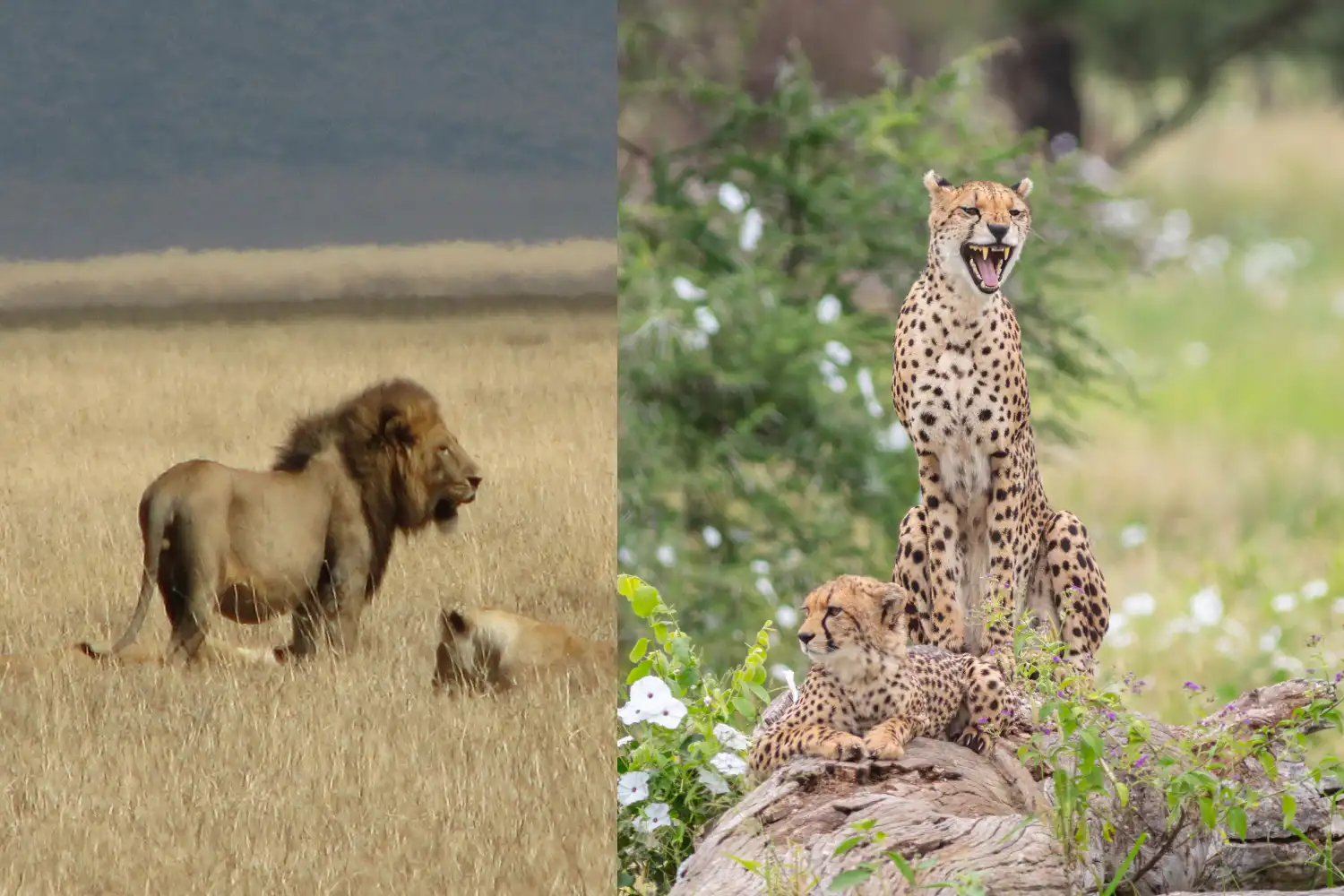
Nature of the Park
Ngorongoro Crater is a UNESCO World Heritage Site and one of the world’s largest intact volcanic calderas, often referred to as the “Garden of Eden.” Spanning about 260 square kilometers, this natural enclosure features a lush crater floor surrounded by steep walls, creating a unique, self-contained ecosystem. The crater’s diverse landscapes include grasslands, swamps, forests, and a soda lake, offering a compact yet breathtaking safari experience.
Tarangire National Park, covering approximately 2,850 square kilometers, is a vast savanna landscape dominated by acacia woodlands, seasonal wetlands, and the Tarangire River, which serves as a lifeline for wildlife, especially during the dry season. Known for its iconic baobab trees and open plains, Tarangire offers a more expansive and rugged safari experience compared to the crater’s enclosed environment.
Wildlife
Ngorongoro Crater is renowned for its high density of wildlife within a confined area, making it one of the best places to spot the Big Five (Lions, Leopards, Elephants, Buffaloes, and Rhino). The crater is home to over 25,000 animals, including large populations of lions, hyenas, zebras, wildebeests, and the critically endangered black rhinoceros. Flamingos frequent the soda lake, and the crater’s unique ecosystem supports a variety of birdlife.
Tarangire National Park is famous for its massive elephant herds, sometimes numbering in the hundreds, particularly during the dry season when animals congregate around the Tarangire River. The park also hosts lions, leopards, cheetahs, giraffes, zebras, and a variety of antelopes. Tarangire is a birdwatcher’s paradise, with over 550 bird species, including the endemic ashy starling and yellow-collared lovebird. While it may not guarantee all of the Big Five (rhinos are rare), its elephant populations and diverse birdlife are standout features.
Price
Ngorongoro Crater tends to be more expensive due to its status as a premium safari destination and the conservation fees associated with the Ngorongoro Conservation Area. Entry fees are approximately $70-$80 per person per day, plus a vehicle fee and a crater service fee of around $200-$300 per vehicle. Safari costs, including guides and transport, typically range from $250-$500 per person per day, depending on the tour operator and group size.
Tarangire National Park is generally more budget-friendly, with entry fees around $50-$60 per person per day. Safari costs, including game drives and guides, range from $150-$350 per person per day, making it a more affordable option for travelers seeking a high-quality safari experience without the premium price tag of Ngorongoro.
Accommodation Options
Ngorongoro Crater offers a range of accommodations, primarily located along the crater rim to maximize scenic views. Luxury lodges like the Ngorongoro Serena Safari Lodge and andBeyond Ngorongoro Crater Lodge provide high-end amenities, gourmet dining, and stunning vistas, with prices ranging from $300-$800 per night. Mid-range options, such as the Ngorongoro Sopa Lodge, cost around $150-$300 per night. Camping is available at public campsites like Simba Campsite for budget travelers, starting at $30-$50 per person per night.
Tarangire National Park has a wider variety of accommodations due to its larger size and proximity to other northern circuit parks. Luxury options include Tarangire Treetops and Sanctuary Swala Camp, with rates from $400-$900 per night. Mid-range lodges like Tarangire Safari Lodge offer comfortable stays for $100-$250 per night. Budget travelers can opt for public or private campsites, such as Zion Campsite, with prices starting at $20-$50 per person per night. Tarangire’s accommodations are often more spread out, offering a sense of seclusion.
Attractions
Ngorongoro Crater is a singular attraction, with the crater itself being the main draw. Key highlights include the Lerai Forest, a lush acacia woodland teeming with wildlife; Lake Magadi, a soda lake frequented by flamingos; and the Gorigor Swamp, a hotspot for hippos and birds. The crater’s compact size ensures frequent and close-up wildlife sightings, making it ideal for those seeking a condensed yet spectacular safari.
Tarangire National Park boasts diverse attractions, including the Tarangire River, which attracts large concentrations of animals during the dry season, and the Silale Swamp, a marshy area rich in birdlife and predators. The park’s ancient baobab trees create a dramatic backdrop, and its vast plains offer opportunities for spotting large herds. Tarangire’s size allows for exploration of varied ecosystems, from riverine forests to open savannas.
Experiences and Activities
Ngorongoro Crater offers a classic game drive experience within the crater, typically lasting 4-6 hours due to conservation regulations limiting time on the crater floor. Guided walking safaris are available in the broader Ngorongoro Conservation Area, and cultural visits to Maasai villages provide insight into local traditions. Hot-air balloon safaris, though expensive (around $500-$600 per person), offer a unique aerial perspective of the crater’s landscapes.
Tarangire National Park provides a broader range of activities due to its larger size. Game drives are the primary activity, with full-day or half-day options to explore the park’s diverse habitats. Guided walking safaris allow for an up-close experience with the bush, while night game drives (offered by select operators) provide opportunities to spot nocturnal animals like leopards and aardvarks. Cultural tours to nearby Maasai or Datoga villages are also available, offering a deeper connection to the region’s heritage.
Accessibility
Ngorongoro Crater is relatively easy to access, located about 180 kilometers from Arusha, a 3-4 hour drive on mostly paved roads. The crater is part of Tanzania’s northern safari circuit, making it a convenient stop alongside Serengeti or Lake Manyara. However, access to the crater floor is restricted to 4x4 vehicles, and permits are required, which can add logistical complexity.
Tarangire National Park is even more accessible, located just 120 kilometers from Arusha, about a 2-hour drive on good roads. Its proximity to Arusha makes it an excellent choice for shorter trips or day safaris. The park’s main roads are well-maintained, and it’s easily reachable with a standard 4x4 vehicle, with fewer permit restrictions compared to Ngorongoro.
Best Time to Visit
Ngorongoro Crater is a year-round destination due to its consistent wildlife presence, but the dry season (June to October) is ideal for game viewing as animals congregate around water sources. The wet season (November to May) brings lush greenery and fewer crowds, though some roads may be muddy, and wildlife may be more dispersed.
Tarangire National Park shines during the dry season (June to October), when the Tarangire River becomes a magnet for wildlife, resulting in spectacular animal concentrations. The wet season (November to May) is excellent for birdwatching and lush landscapes, but some areas may be less accessible due to rain, and wildlife may spread out.
Crowds
Ngorongoro Crater is one of Tanzania’s most popular safari destinations, attracting significant crowds, especially during the peak dry season (June to September). The crater’s small size means that vehicles can feel concentrated, particularly around prime wildlife viewing areas, which may detract from the sense of wilderness for some travelers.
Tarangire National Park is generally less crowded, offering a more intimate and tranquil safari experience. Even during peak season, its larger size allows for more dispersed vehicle traffic, making it easier to enjoy peaceful game drives and a sense of solitude in the bush.
FAQs About Ngorongoro Crater vs Tarangire National Park
Which park is better for seeing the Big Five?
Ngorongoro Crater is the better choice for spotting all of the Big Five, including the rare black rhinoceros, due to its high wildlife density and enclosed ecosystem. Tarangire is excellent for elephants and has lions, leopards, and buffalo, but rhinos are rarely seen.
Is Tarangire or Ngorongoro more budget-friendly?
Tarangire is generally more affordable, with lower entry fees and a wider range of budget accommodation options. Ngorongoro’s higher fees and premium lodging make it a more expensive destination.
Which park is better for a short visit?
Tarangire’s proximity to Arusha and larger size make it ideal for a day trip or short visit. Ngorongoro’s crater game drives are limited to a few hours, but the travel time and permit requirements make it better suited for a full-day or multi-day itinerary.
Can I combine both parks in one safari?
Yes, both parks are part of Tanzania’s northern safari circuit and can easily be combined in a multi-day itinerary, often alongside Serengeti and Lake Manyara, for a comprehensive safari experience.
Final Thoughts
Choosing between Ngorongoro Crater and Tarangire National Park depends on your priorities and preferences. Ngorongoro Crater is perfect for travelers seeking a compact, high-density wildlife experience with a chance to see the Big Five in a stunning, unique setting. Its higher cost and crowds are offset by its unparalleled concentration of animals and dramatic landscapes. Tarangire National Park is ideal for those who prefer a more expansive, tranquil safari with massive elephant herds, diverse birdlife, and a variety of activities like walking safaris and night drives. Its affordability and accessibility make it a great choice for budget-conscious travelers or those with limited time.
For an unforgettable post-Kilimanjaro adventure, consider combining both parks in a single itinerary to experience the best of Tanzania’s diverse safari offerings. Whether you choose the iconic crater or the vast savannas of Tarangire, both destinations promise memories that will last a lifetime.