
Serengeti vs Mikumi | Top Tanzanian Safari Destinations
Tanzania’s Serengeti and Mikumi National Parks offer contrasting safari experiences, catering to different traveler preferences. Serengeti, in the northern circuit, is globally renowned for its vast plains and the Great Migration, while Mikumi, in the southern circuit, provides a more accessible, budget-friendly alternative. This comparison covers the nature of the parks, wildlife, costs, accommodations, attractions, activities, accessibility, best time to visit, and crowd levels to guide your safari choice.
Serengeti vs Mikumi: Which Safari Suits You?
Serengeti and Mikumi National Parks are standout Tanzanian safari destinations, each with unique landscapes and wildlife. From the Serengeti’s iconic Great Migration to Mikumi’s intimate, less-crowded plains, this guide highlights key differences to help you select the perfect safari experience.
Nature of the Park
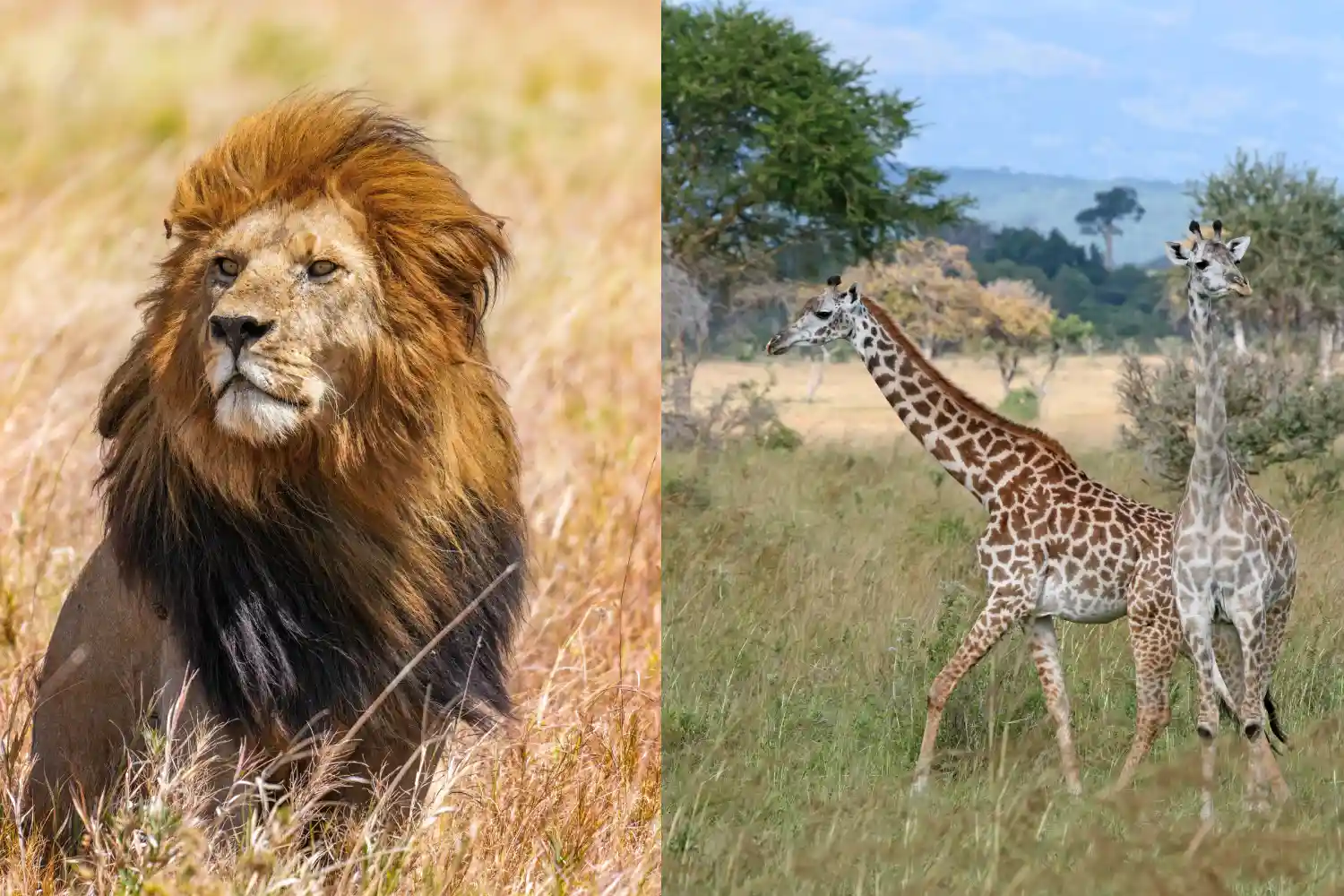
Serengeti National Park spans 14,750 km², a UNESCO World Heritage Site known for its endless savannas, acacia woodlands, and rocky kopjes. Its diverse ecosystems support one of the world’s largest wildlife populations, making it a bucket-list safari destination.
Mikumi National Park, at 3,230 km², is smaller but features open savannas, acacia woodlands, and the Mkata Floodplain, often likened to a mini-Serengeti. Framed by the Uluguru and Rubeho Mountains, it offers a compact, scenic safari experience.
Wildlife
Serengeti National Park is iconic for the Great Migration, where over two million wildebeests, zebras, and gazelles traverse the plains, pursued by predators like lions, leopards, and cheetahs. It hosts all Big Five (Lions, Leopards, Elephants, Buffaloes, and Rhino) and over 500 bird species, ensuring varied sightings year-round.
Mikumi National Park features four of the Big Five (lion, leopard, elephant, buffalo), with no rhinos. The Mkata Floodplain draws zebras, wildebeests, and impalas, with lions and hyenas frequently seen. Over 400 bird species, including lilac-breasted rollers, enhance its wildlife appeal.
Price
Serengeti National Park is a premium destination with entry fees of $60-$80 per person per day, plus camping or conservation fees. Safari costs, including guides and transport, range from $250-$600 per person per day, with higher expenses due to its remote location.
Mikumi National Park is budget-friendly, with entry fees of $30-$45 per person per day. Safari costs, including game drives, range from $100-$250 per person per day, ideal for cost-conscious travelers due to its proximity to Dar es Salaam.
Accommodation Options
Serengeti National Park offers diverse lodging, from luxury options like Four Seasons Safari Lodge ($500-$1,200 per night) to mid-range Serengeti Serena Safari Lodge ($150-$350 per night). Budget travelers can opt for Seronera Campsite ($30-$50 per person per night) or mobile tented camps.
Mikumi National Park provides affordable accommodations, with luxury lodges like Stanley’s Kopje Camp ($200-$400 per night) and mid-range Tan-Swiss Lodge ($50-$150 per night). Budget campsites, such as Mikumi Wildlife Camp, start at $20-$40 per person per night.
Attractions
Serengeti National Park is defined by the Great Migration, especially at the Mara River crossings. Key sites include the Seronera Valley, a wildlife hub; Lobo Hills, rich in predators; and the Grumeti River, known for crocodiles. Its vast landscapes are a visual spectacle.
Mikumi National Park revolves around the Mkata Floodplain, attracting herbivores and predators. The Hippo Pools offer views of hippos and crocodiles, while the surrounding mountains add scenic beauty. Its open plains ensure easy wildlife spotting.
Experiences and Activities
Serengeti National Park offers extensive game drives, from half-day to multi-day safaris tracking the Great Migration. Hot-air balloon safaris ($500-$600 per person) provide aerial views, while walking safaris and Maasai cultural visits enrich the experience. Night drives are available in select areas.
Mikumi National Park focuses on game drives, suitable for half-day or full-day tours due to its size. Walking safaris with rangers offer a close-up bush experience, and cultural visits to nearby villages provide local insights. Birdwatching excels in the wet season.
Accessibility
Serengeti National Park is remote, 335 km from Arusha (7-8 hour drive) or a 1-2 hour flight to airstrips like Seronera. Its distance increases costs and requires 4x4 vehicles for safaris.
Mikumi National Park is easily accessible, 120 km from Dar es Salaam (3-4 hour drive) on the A7 highway or a short drive from Morogoro. Its proximity suits day trips, with standard 4x4 vehicles sufficient.
Best Time to Visit
Serengeti National Park is ideal year-round. The dry season (June-October) is best for wildlife viewing and Migration river crossings (July-September). The wet season (November-May) offers calving (January-March) in the south, with lush scenery and fewer crowds.
Mikumi National Park shines in the dry season (June-October), when animals congregate around water sources. The wet season (November-April) provides lush landscapes and birdwatching, though some roads may be muddy.
Crowds
Serengeti National Park attracts large crowds, especially during the Great Migration (July-September). Areas like Seronera can be busy, but remote regions like the northern or western corridors offer quieter experiences.
Mikumi National Park is less crowded, providing a serene safari with fewer vehicles. Its southern location keeps it off the main tourist trail, ensuring a more intimate experience.
FAQs About Serengeti vs Mikumi National Park
Which park is better for seeing the Big Five?
Serengeti is superior for spotting the Big Five, including rhinos, due to its vast ecosystems. Mikumi hosts four of the Big Five, but rhinos are not present.
Is Serengeti or Mikumi more budget-friendly?
Mikumi is more budget-friendly with lower entry fees and accommodations, plus easier access from Dar es Salaam. Serengeti is pricier due to its remote location.
Which park is better for a short visit?
Mikumi is better for short visits due to its proximity to Dar es Salaam and smaller size, ideal for day trips. Serengeti requires more time for travel and exploration.
Can I combine both parks in one safari?
Combining Serengeti and Mikumi is possible but logistically complex due to their northern and southern locations, often requiring flights or long drives.
Final Thoughts
Your choice between Serengeti and Mikumi hinges on budget, time, and safari goals. Serengeti delivers an iconic, immersive experience with the Great Migration, Big Five, and diverse activities, ideal for those seeking a world-class adventure despite higher costs and crowds. Mikumi suits budget travelers or those with limited time, offering an intimate safari with four of the Big Five, fewer crowds, and easy access from Dar es Salaam. Both parks promise unforgettable Tanzanian wildlife experiences, and while combining them requires planning, each is a remarkable standalone destination.