
Tallest Mountains in the World – Comprehensive Guide
The tallest mountains in the world captivate adventurers and scientists alike with their majestic heights and challenging terrains. Measured by elevation above sea level, these peaks dominate the global landscape, with the Himalayas and Karakoram ranges hosting the highest. This guide provides a detailed look at the top 10 tallest mountains, blending quantitative data like exact heights and locations with qualitative insights into their cultural significance and climbing challenges.
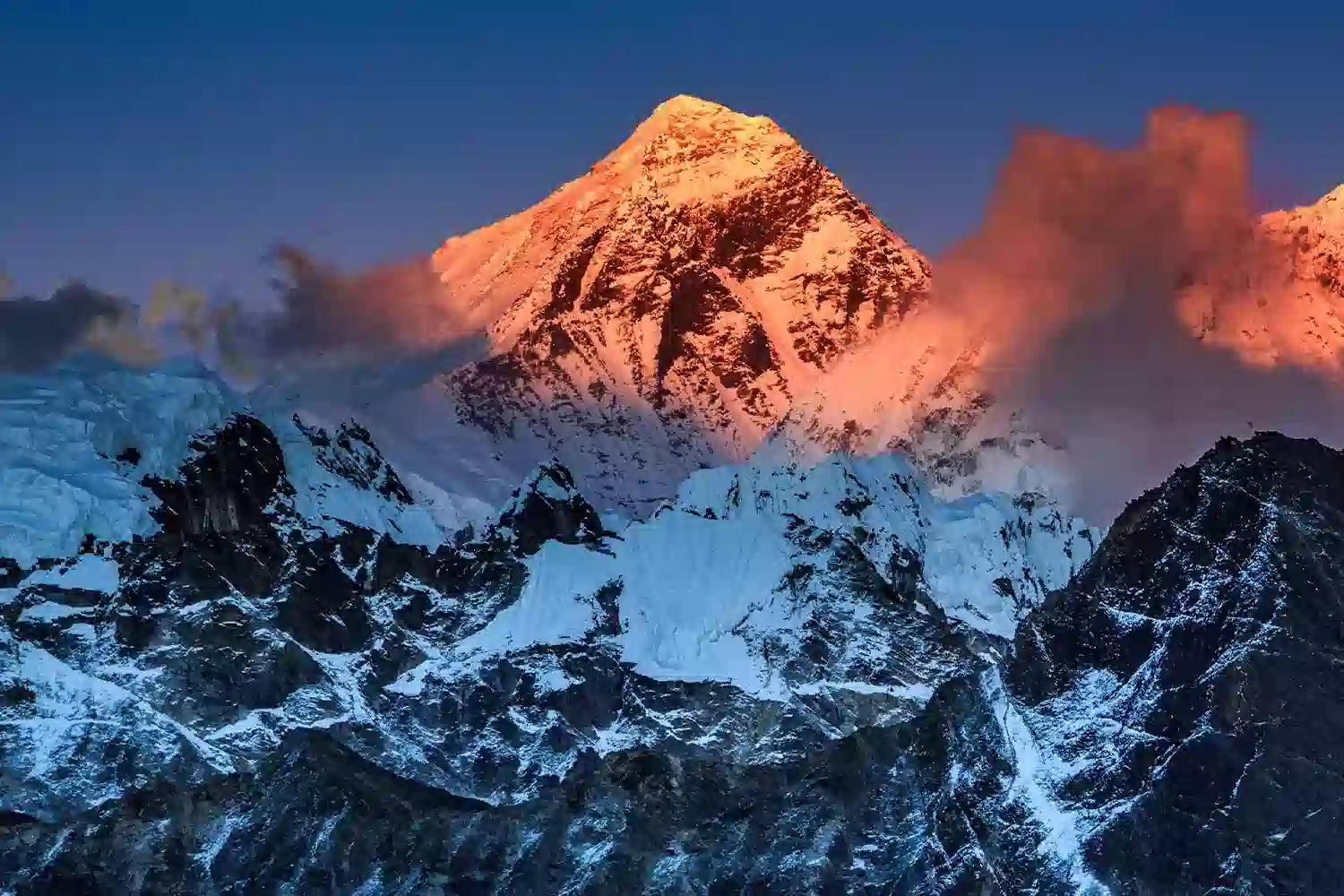
Overview of Tallest Mountains
The height of a mountain is typically measured from sea level to its summit, using modern tools like GPS and satellite imagery for precision. The list focuses on peaks exceeding 8,000 meters (26,247 feet), all located in Central and South Asia. Qualitative factors include historical ascent records, ecological diversity, and their status as part of the Seven Summits—the highest peak on each continent. These mountains shape local cultures and attract thousands of climbers annually.
Top 10 Tallest Mountains in the World
- Mount Everest - 8,848.86 m (29,031.7 ft), Nepal/China. The world’s highest, first summited in 1953, it remains a symbol of human endurance with over 4,000 successful ascents.
- K2 - 8,611 m (28,251 ft), Pakistan/China. Known as the “Savage Mountain,” it’s the second-highest with a 23% fatality rate due to its technical difficulty.
- Kangchenjunga - 8,586 m (28,169 ft), Nepal/India. The third-highest, it holds spiritual significance for local tribes, with its first ascent in 1955.
- Lhotse - 8,516 m (27,940 ft), Nepal/China. Connected to Everest, it’s climbed less often due to its steep faces and harsh weather.
- Makalu - 8,485 m (27,838 ft), Nepal/China. A pyramid-shaped peak, its isolation makes it one of the harder 8,000ers to conquer.
- Cho Oyu - 8,188 m (26,864 ft), Nepal/China. Nicknamed the “Turquoise Goddess,” it’s considered the easiest 8,000-meter peak.
- Dhaulagiri I - 8,167 m (26,795 ft), Nepal. The seventh-highest, its remote location adds to its mystique and climbing challenges.
- Manaslu - 8,163 m (26,781 ft), Nepal. Known as the “Mountain of the Spirit,” it offers stunning views but risky avalanches.
- Nanga Parbat - 8,126 m (26,660 ft), Pakistan. Called the “Killer Mountain,” it has a grim history with early climbers facing high mortality.
- Annapurna I - 8,091 m (26,545 ft), Nepal. The tenth-highest, it boasts a 32% fatality rate, making it one of the deadliest peaks.
Tallest Mountains in the World Details
| Rank | Mountain | Height (m/ft) | Location | First Ascent |
|---|---|---|---|---|
| 1 | Mount Everest | 8,848.86 / 29,031.7 | Nepal/China | 1953 |
| 2 | K2 | 8,611 / 28,251 | Pakistan/China | 1954 |
| 3 | Kangchenjunga | 8,586 / 28,169 | Nepal/India | 1955 |
| 4 | Lhotse | 8,516 / 27,940 | Nepal/China | 1956 |
| 5 | Makalu | 8,485 / 27,838 | Nepal/China | 1955 |
| 6 | Cho Oyu | 8,188 / 26,864 | Nepal/China | 1954 |
| 7 | Dhaulagiri I | 8,167 / 26,795 | Nepal | 1960 |
| 8 | Manaslu | 8,163 / 26,781 | Nepal | 1956 |
| 9 | Nanga Parbat | 8,126 / 26,660 | Pakistan | 1953 |
| 10 | Annapurna I | 8,091 / 26,545 | Nepal | 1950 |
Other Insights
Mount Everest’s cultural reverence stems from its Sherpa heritage and global fame, while K2’s rugged beauty tests even seasoned climbers. Kangchenjunga’s sacred status limits summit attempts, and Lhotse’s proximity to Everest adds to its allure despite its difficulty. Makalu’s isolation offers solitude, while Cho Oyu’s accessibility draws more climbers. Dhaulagiri I’s remoteness enhances its wild charm, and Manaslu’s spiritual aura contrasts with its avalanche risks. Nanga Parbat’s deadly history adds a somber note, and Annapurna I’s high fatality rate underscores its unforgiving nature.
Get to know about Mount Kilimanjaro
While these Himalayan giants dominate the list of the world’s tallest mountains, Africa offers its own iconic peak: Mount Kilimanjaro in Tanzania. Standing at 5,895 meters (19,341 feet), it is the highest mountain on the African continent and the tallest free-standing mountain globally. Unlike the technical climbs of the 8,000-meter peaks, Kilimanjaro’s ascent requires no specialized mountaineering skills, making it accessible to adventurers of varying experience levels. Located in northeastern Tanzania near the Kenyan border, this dormant volcano features three volcanic cones—Kibo, Mawenzi, and Shira—with Kibo’s Uhuru Peak as the summit. Its unique journey through five climatic zones, from rainforest to arctic summit, combined with its rich biodiversity and cultural significance, makes Kilimanjaro a must-visit for those seeking a challenging yet rewarding climb.
Frequently Asked Questions about Tallest Mountains in the World
- What is the tallest mountain in the world? Mount Everest, at 8,848.86 meters (29,031.7 feet), is the tallest mountain in the world, located on the Nepal-China border.
- How are mountain heights measured? Mountain heights are measured from sea level to the summit using GPS and satellite imagery for precision.
- Why are all the tallest mountains in Asia? The tallest mountains are in Asia due to the tectonic collision of the Indian and Eurasian plates, forming the Himalayas and Karakoram ranges.
- Is climbing these mountains dangerous? Yes, climbing these mountains is dangerous due to high altitudes, harsh weather, and technical challenges, with fatality rates varying by peak.