
Tarangire Day Trip from Arusha: 1-Day Safari Guide 2026/2027
A Tarangire day trip from Arusha is a practical one-day safari for travelers who want strong elephant viewing, classic baobab scenery and a full game drive without committing to an overnight safari. Tanzania National Parks lists Tarangire at about 121 km from Arusha, so an early start is important to protect your wildlife-viewing time. For 2026/2027 planning, the main choices are when to go, how early to leave, what wildlife to expect realistically and whether a single day is enough for your travel style.
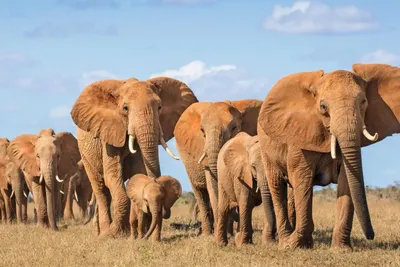
Tarangire National Park covers about 2,850 km² and was established in 1970. Its best-known features are the Tarangire River, large elephant herds and baobab-dotted landscapes. It belongs to Tanzania's northern safari circuit alongside the Serengeti, Ngorongoro and Lake Manyara National Park, but its day-trip experience has a different character: less emphasis on ticking off a checklist and more on elephants, scenery and seasonal wildlife movement.
Is a Tarangire Day Trip from Arusha Worth It?
Yes. Tarangire is one of the strongest day-safari choices from Arusha when elephants, baobab landscapes and a varied savannah ecosystem matter more to you than trying to see every famous species in one day. The main trade-off is road time: expect roughly 2–3 hours each way depending on traffic, road conditions and your exact pickup point.
For travelers with only one free safari day, Tarangire offers a clear sense of northern Tanzania's wildlife without the longer road commitment of the Serengeti. It is especially rewarding if you enjoy observing elephant behavior, mixed herbivore herds and the changing activity around the Tarangire River.
What Are the Quick Facts for Planning the Day?
The most useful planning fact is that this is a full-day outing, not a short excursion. Leaving Arusha early gives you more time inside the park and reduces the risk of spending the best wildlife-viewing hours on the road.
| Planning point | What to expect |
|---|---|
| Distance from Arusha | About 121 km by road according to TANAPA's Northern Zone reference |
| Typical road time | Roughly 2–3 hours each way, depending on traffic and road conditions |
| Best departure approach | Early morning, usually around 6:00–6:30 a.m. for a full day |
| Main safari style | Vehicle game drive with a picnic-lunch stop |
| Most characteristic sighting | Elephants, often with baobab and riverine scenery |
| Good for | First-time safari travelers, families, couples, photographers and short-stay visitors |
How Long Does It Take to Get from Arusha to Tarangire?
Tarangire is about 121 km from Arusha by the TANAPA road-distance reference, and a realistic transfer usually takes around 2–3 hours each way. Travel time can change with your hotel location, morning traffic, stops and road conditions, so the practical goal is to leave early enough to reach the park with most of the day still available.
If you are staying outside central Arusha, your pickup time may need adjusting. In Jaynevy Tours' day-trip planning, the biggest avoidable mistake is a late departure: losing an hour in the morning often means losing useful game-drive time later in the day as well.
What Does a Realistic One-Day Schedule Look Like?
A well-paced Tarangire day trip normally combines an early road transfer, several hours of game driving, a picnic lunch and an afternoon return to Arusha. The times below are planning estimates rather than guarantees, because wildlife stops, traffic and park conditions can change the flow of the day.
| Approximate time | Typical plan |
|---|---|
| 6:00–6:30 a.m. | Pickup in Arusha and drive toward Tarangire |
| 8:30–9:00 a.m. | Park entry and start of the game drive |
| Morning | Explore wildlife areas, river corridors and baobab landscapes |
| Midday | Picnic lunch at a designated area |
| Afternoon | Continue the game drive before heading toward the exit |
| Late afternoon | Depart Tarangire and drive back to Arusha |
| Early evening | Typical return to Arusha, subject to traffic and the day's pace |
What Wildlife Can You Realistically See in Tarangire in One Day?
Elephants are the signature wildlife experience in Tarangire, while giraffes, zebras, wildebeest, buffalo, impalas, waterbuck and other antelope are also commonly sought on game drives. Lions may be seen, and leopards are present but harder to find. No specific animal sighting should be treated as guaranteed.
Tarangire is particularly well known for its elephants. During drier periods, wildlife often becomes easier to locate around dependable water sources, while greener months can spread animals more widely across the ecosystem.
- Good targets: elephants, giraffes, zebras, wildebeest, buffalo, impalas, waterbuck and many bird species.
- Possible but less predictable: lions, leopards, cheetahs and African wild dogs.
- Not a sensible promise: a complete Big Five checklist in one day.
- Rhino expectations: Tarangire should not be chosen as a reliable rhinoceros destination; travelers specifically focused on rhinos are generally better served by a different northern-circuit plan.
For a day trip, a patient game drive is usually more rewarding than racing between sightings. Let the guide respond to fresh tracks, animal movement and information from the field rather than treating the park as a fixed checklist.
When Is the Best Time for a Tarangire Day Trip?
Tarangire can be visited year-round, but the drier months are often favored for concentrated wildlife viewing because animals rely more heavily on permanent water sources. The greener months can still be excellent for scenery, birdlife and lower visitor pressure, although rain may affect road conditions and wildlife can be more dispersed.
| Season | Main advantages | Trade-offs |
|---|---|---|
| Dry season, roughly June–October | Wildlife tends to concentrate more around water; dry roads are often easier to navigate | Popular travel period, with more safari vehicles in well-known wildlife areas |
| Short-rain period, roughly November–December | Fresh vegetation, dramatic skies and good birding opportunities | Rainfall timing varies and wildlife distribution can change quickly |
| Green season, roughly January–May | Lush scenery, seasonal birdlife and generally softer landscapes for photography | Some tracks can become muddy during heavier rain and animals may be more spread out |
Weather patterns do not follow a perfect calendar, so treat month-by-month advice as a planning guide rather than a promise. If your priority is elephants and concentrated dry-season wildlife, lean toward the drier months; if you value green scenery and birding, the wet-season trade-off can be worthwhile.
Is One Day in Tarangire Enough?
One day is enough for a meaningful introduction to Tarangire if you are based in Arusha and have limited time, but it is not the same as a slower overnight safari. A longer stay gives you more flexibility for early and late wildlife activity, changing light and areas that may be impractical to reach on a fast day trip.
- Choose one day if you have a tight schedule, want your first safari experience or are combining Tanzania with trekking or Zanzibar.
- Choose an overnight safari if wildlife photography, unhurried game drives or exploring more of the park matters to you.
- Choose a multi-park trip if you want Tarangire's elephants plus a broader northern-circuit experience in places such as Ngorongoro, Lake Manyara or the Serengeti.
Travelers who can spare several days can compare the pace of this day trip with a broader route such as the 3-day Tarangire, Lake Manyara and Ngorongoro safari.
What Should You Pack for a Tarangire Day Trip?
Pack for sun, dust, changing temperatures and several hours in a safari vehicle. You do not need technical gear, but a few practical items make a long day noticeably more comfortable and help you stay ready when wildlife appears unexpectedly.
- Binoculars for wildlife and birdwatching
- Camera or phone with spare battery or power bank
- Sun hat, sunglasses and sunscreen
- Light, neutral-colored clothing and a light layer for the cooler morning
- Closed, comfortable shoes
- Personal medication and any essential travel documents
- Insect repellent, especially if you are sensitive to bites
- Reusable water bottle where your operator's setup allows it
Keep valuables and electronics protected from dust, and avoid bright expectations about “perfect” sightings. A good safari day is shaped by observation, timing and wildlife behavior, not by forcing a predetermined list.
How Does Tarangire Compare with Other One-Day Safaris from Arusha?
Tarangire is the strongest one-day option when elephants and baobab scenery are your priorities. Ngorongoro is usually chosen for concentrated wildlife in the crater, Lake Manyara for a compact mix of forest, lake and escarpment habitats, and Arusha National Park when minimizing road time or adding activities such as walking is more important.
| Day-trip option | Best for | Main trade-off |
|---|---|---|
| Tarangire | Elephants, baobabs, classic savannah and a full game-drive feel | Several hours of road travel from Arusha |
| Ngorongoro Crater | High wildlife density and travelers prioritizing a broad species mix | Longer, more demanding day and typically higher conservation/vehicle costs |
| Lake Manyara | Compact landscapes, birdlife and combining forest, lake-edge and Rift Valley scenery | Smaller game-drive area and wildlife visibility varies with season and vegetation |
| Arusha National Park | Shorter transfer, scenery and travelers who want a gentler first day near Arusha | Not the strongest choice for a classic large-mammal safari checklist |
There is no universally “best” park for one day. Choose the park whose landscape, wildlife strengths and driving commitment match what you most want from the day.
What Should You Know Before Visiting Tarangire?
Plan around daylight, park rules and wildlife uncertainty. TANAPA states that Tarangire is open year-round and that gates close at 6:00 p.m., so your guide needs enough time to finish the afternoon drive and reach the exit without rushing. Current fees and rules should always be checked close to the travel date.
- Stay inside the vehicle unless your guide confirms you are in a designated area where leaving it is permitted.
- Keep a respectful distance from wildlife and never pressure a guide to approach animals too closely.
- Do not assume dry-season conditions, road quality or animal locations will be identical from one year to the next.
- Ask what your quoted price includes, especially park fees, vehicle costs, lunch, drinking water and pickup/drop-off arrangements.
- For 2026/2027 travel, reconfirm park tariffs and any operational rules before final payment because official fees can change.
Who Is a Tarangire Day Trip Best For?
Tarangire works best for travelers who want a genuine safari day from Arusha and are comfortable spending part of that day on the road. It is particularly suitable for visitors with limited time, families who prefer one hotel base, first-time safari travelers and anyone whose priority is elephants rather than completing a Big Five checklist.
Skip the one-day format if you dislike long transfers, need a very slow photography pace or want to explore several distant zones of the park. In those cases, an overnight or multi-day northern-circuit itinerary is usually a better fit.
How Can You Arrange a Tarangire Day Trip Without Overcomplicating It?
The simplest approach is to confirm your pickup point, departure time, private or shared vehicle arrangement, park-fee handling, lunch, drinking water and return plan in writing before the day. A clear quote matters more than a long list of extras because the core experience is the time you actually spend game driving inside Tarangire.
Jaynevy Tours arranges Tarangire visits and other Tanzania day trips for travelers who want local transport and guiding support. If you use the booking form on this page, ask for a written confirmation showing exactly what is included for your date and group size.
Frequently Asked Questions About a Tarangire Day Trip
How far is Tarangire National Park from Arusha?
Tarangire National Park is about 121 km from Arusha by TANAPA's Northern Zone road-distance reference. The drive commonly takes around 2–3 hours each way depending on traffic, your pickup location, stops and road conditions.
Can you visit Tarangire as a day trip from Arusha?
Yes. Tarangire is realistic as a full-day trip from Arusha if you leave early. The day normally includes the road transfer, several hours of game driving, a picnic lunch and an afternoon return to Arusha.
Can you see the Big Five in Tarangire in one day?
You should not plan a Tarangire day trip around seeing all of the Big Five. Elephants and buffalo are strong possibilities, lions may be seen, and leopards are less predictable, but Tarangire is not a reliable rhino destination and no wildlife sighting is guaranteed.
What are the best months for a Tarangire day trip?
Tarangire is open year-round, but the drier months, roughly June to October, are often favored for concentrated wildlife around dependable water sources. The greener months can be excellent for birdlife, scenery and fewer vehicles, with more variable rain and road conditions.
What time should you leave Arusha for Tarangire?
An early departure around 6:00–6:30 a.m. is a practical target for most full-day Tarangire trips from Arusha. The exact pickup time should reflect your hotel location, traffic expectations and the operating plan agreed with your guide.