
The Richest Country in Africa: A Comprehensive Analysis for 2025-2026
Determining the richest country in Africa involves exploring various economic metrics such as Gross Domestic Product (GDP), GDP per capita, Purchasing Power Parity (PPP), and the Human Development Index (HDI). As of June 21, 2025, Africa’s economic landscape is evolving rapidly, driven by natural resources, tourism, and technological advancements. This detailed guide examines the continent's wealthiest nations based on the latest data, offering qualitative insights and quantitative analysis to reveal which country holds the top spot.

Understanding Wealth Metrics in Africa
Wealth in Africa can be measured through multiple lenses, each providing a unique perspective on economic health. GDP reflects the total value of goods and services produced, while GDP per capita adjusts for population size, offering a per-person economic output. PPP adjusts for cost-of-living differences, and HDI combines income, education, and life expectancy to assess quality of life. These metrics help identify the richest country, whether by total economic size or individual prosperity.
Top Contenders for the Richest Country in Africa
Several nations stand out based on different economic indicators. Here’s a deep dive into the leading countries as of 2025, supported by qualitative narratives and quantitative data.
South Africa: The Economic Powerhouse
South Africa is widely regarded as Africa’s largest economy by nominal GDP, projected at $410.34 billion in 2025. Its diverse economy includes mining (gold, platinum, and diamonds), manufacturing, and a robust services sector. Despite challenges like inequality and unemployment, its infrastructure and financial markets, centered in Johannesburg, drive growth. The country’s population of 60 million benefits from a GDP per capita of approximately $6,800, though wealth distribution remains uneven.

Nigeria: The Population Giant
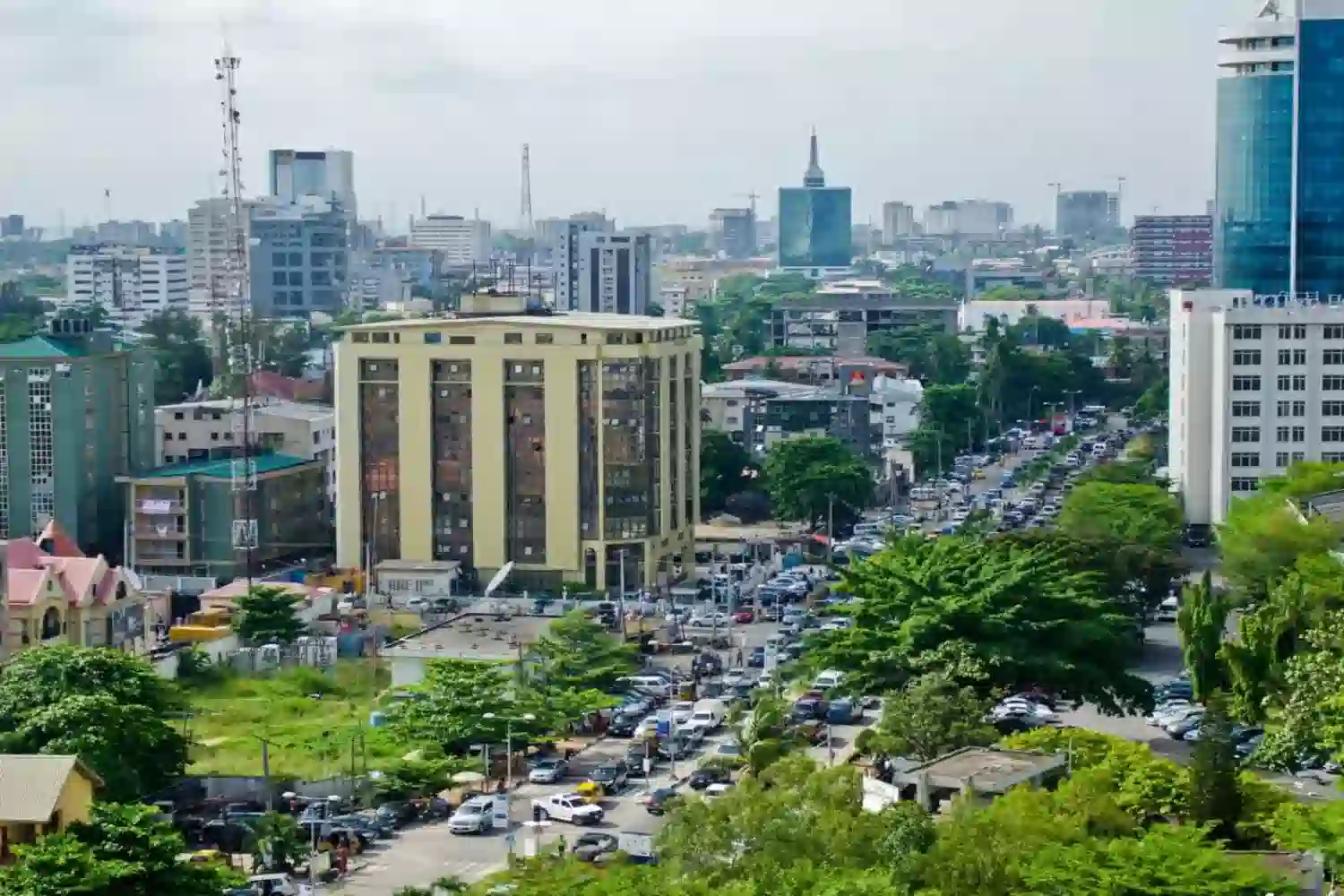
With a population exceeding 226 million, Nigeria leads in nominal GDP at around $574 billion, fueled by oil exports and a burgeoning tech sector in Lagos. However, its GDP per capita of $2,540 reflects the challenge of distributing wealth across its vast populace. Innovations like mobile banking and a vibrant entertainment industry signal future potential, though political instability and oil dependency pose risks.
Egypt: Historical Wealth Meets Modern Growth
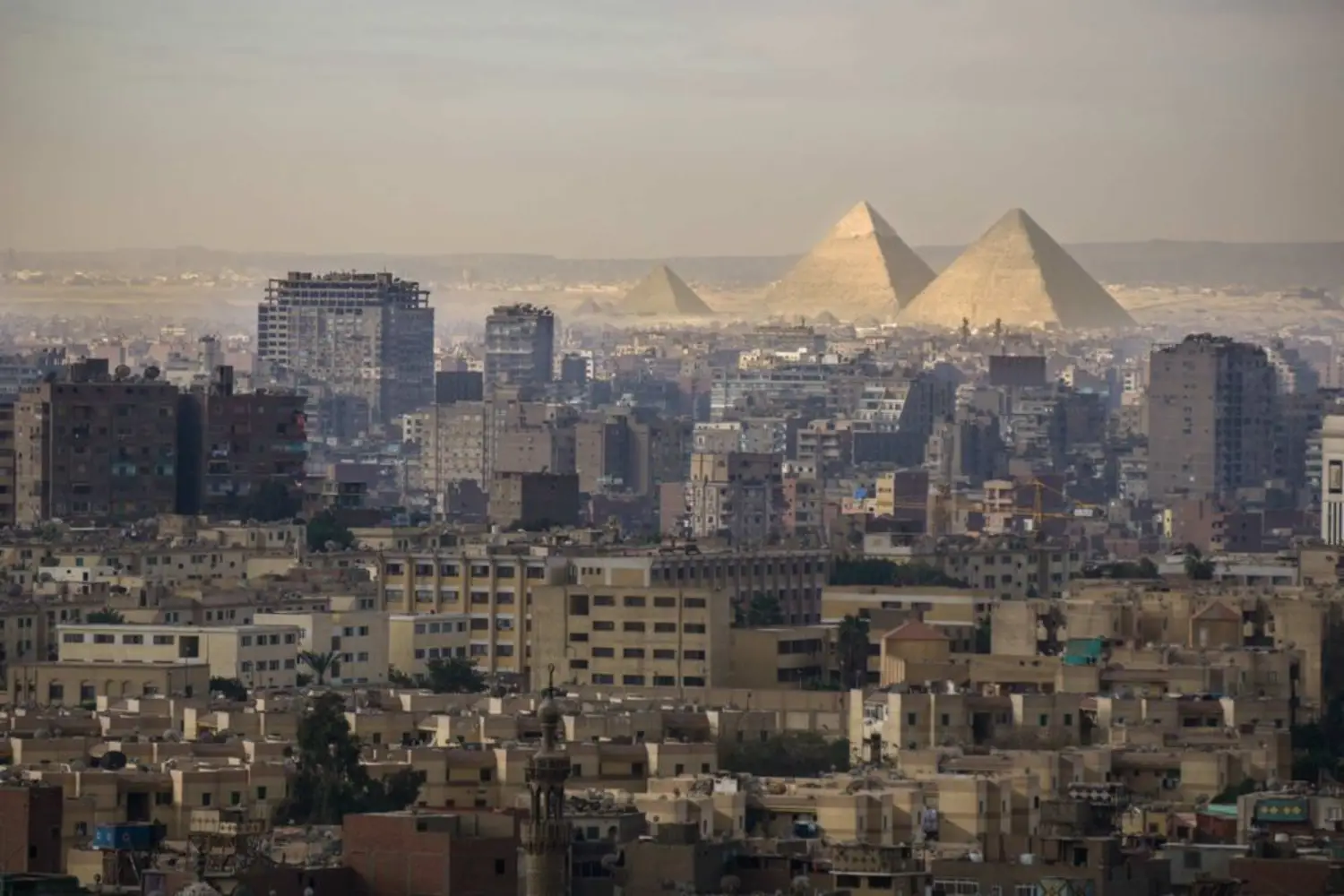
Egypt’s GDP stands at approximately $380 billion, supported by tourism (e.g., the Pyramids), agriculture along the Nile, and a growing manufacturing base. With 104 million people, its GDP per capita is around $3,600. Recent investments in renewable energy and the Suez Canal expansion enhance its economic stature, making it a key player in North Africa.
Seychelles: The Per Capita Leader
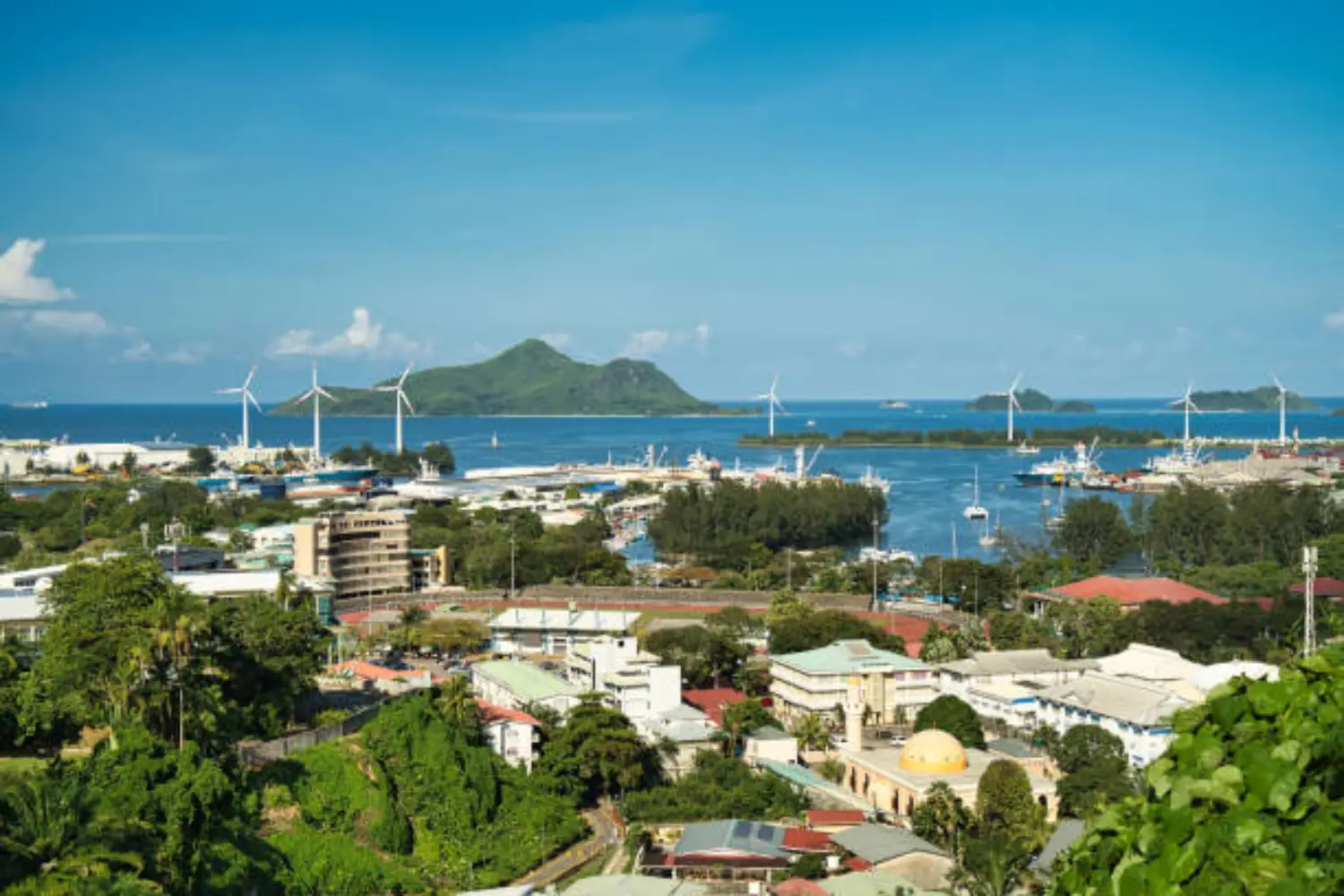
Seychelles, with a small population of under 100,000, boasts the highest GDP per capita in Africa at $43,070 (PPP), driven by luxury tourism and fishing. Its HDI of 0.802 reflects high living standards, making it the only African nation with "very high human development." This island nation exemplifies how small size can lead to concentrated wealth.
Mauritius: A Model of Diversification
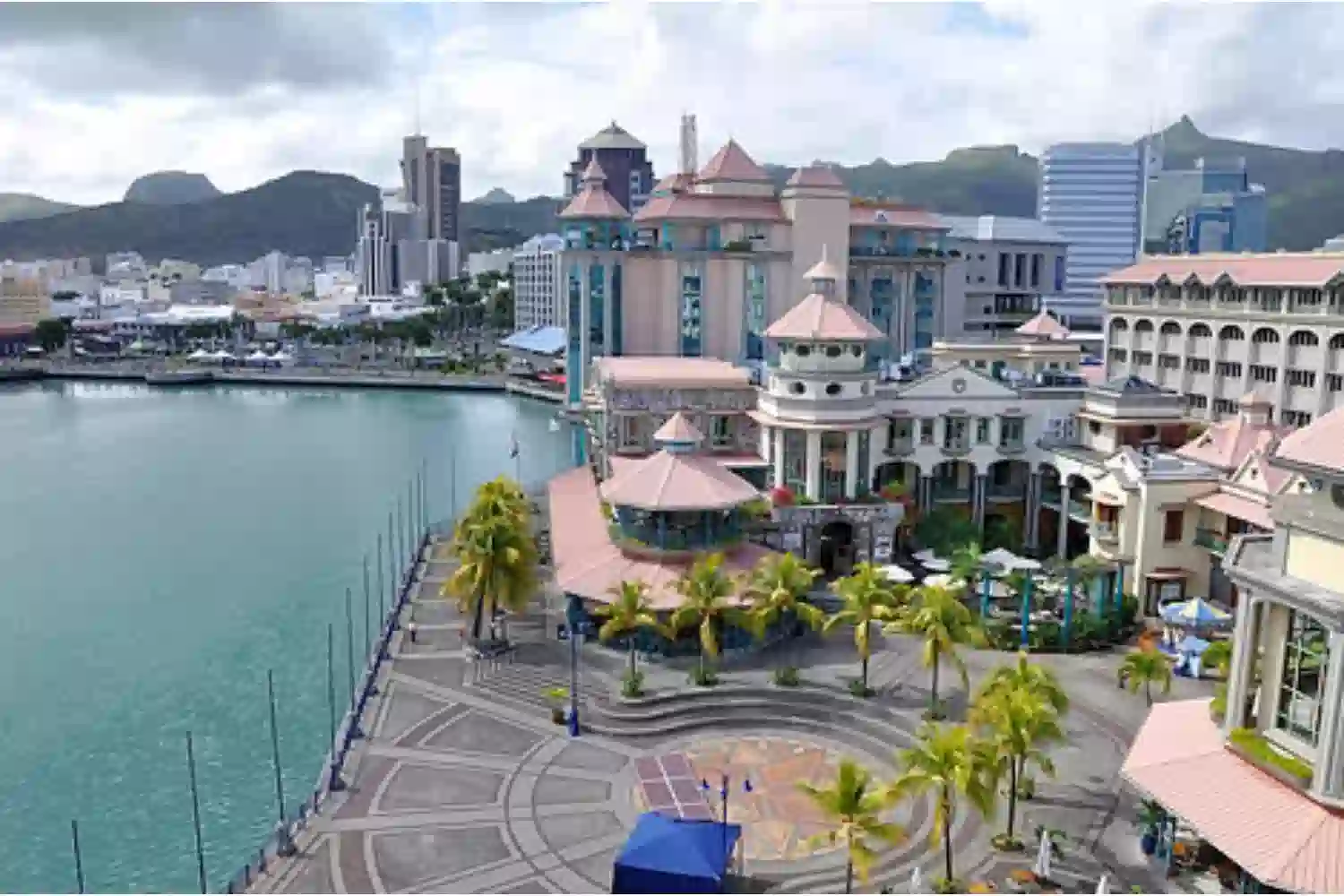
Mauritius, with a GDP per capita of $33,954 (PPP), thrives on tourism, financial services, and manufacturing. Its stable governance and investment-friendly policies attract foreign capital, supporting a population of 1.3 million. The island’s HDI of 0.796 underscores its quality of life, positioning it as a regional economic model.
Equatorial Guinea: Oil-Driven Prosperity
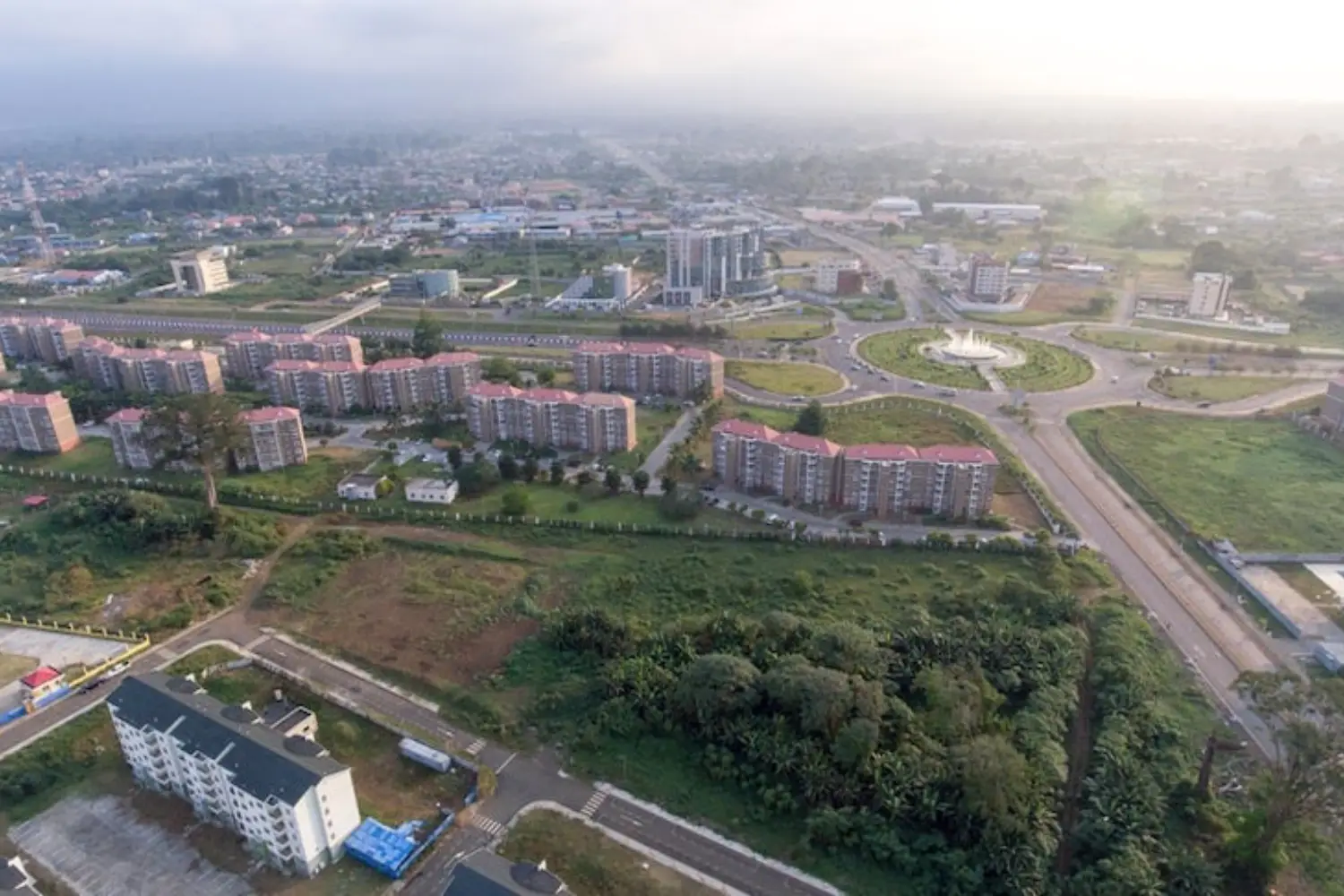
Equatorial Guinea’s GDP per capita of $20,477 (PPP) is bolstered by oil, though its small population of 1.7 million limits total GDP to around $12 billion. Efforts to diversify into agriculture and infrastructure aim to reduce oil dependency, but governance issues hinder broader development.
Algeria: Hydrocarbon Reliance
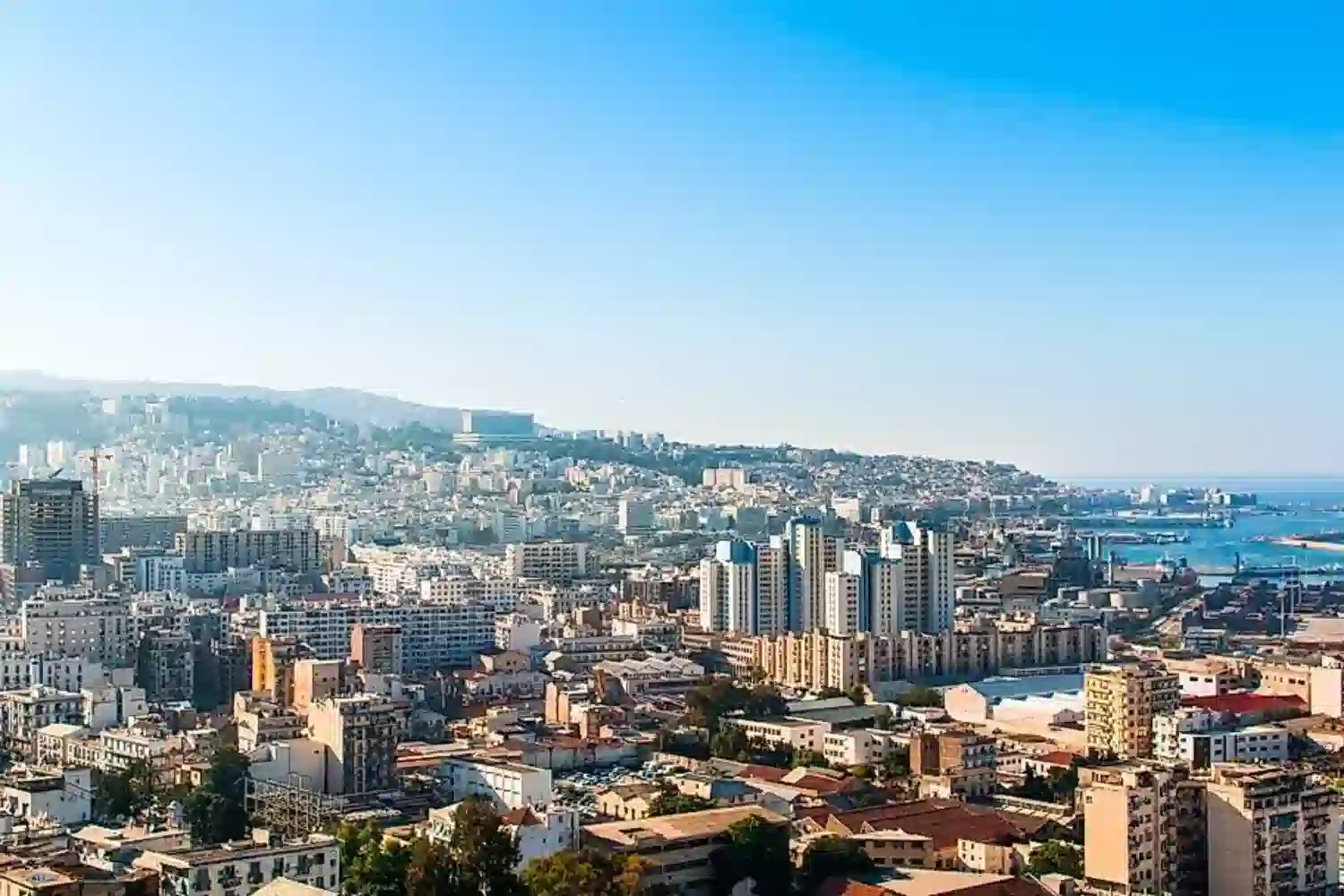
Algeria’s GDP of $266.8 billion is driven by oil and gas, with a GDP per capita of $18,342 (PPP). Its 44 million people benefit from energy exports, but diversification into renewables and manufacturing is underway to ensure long-term stability.
Libya: Oil Wealth Amid Challenges
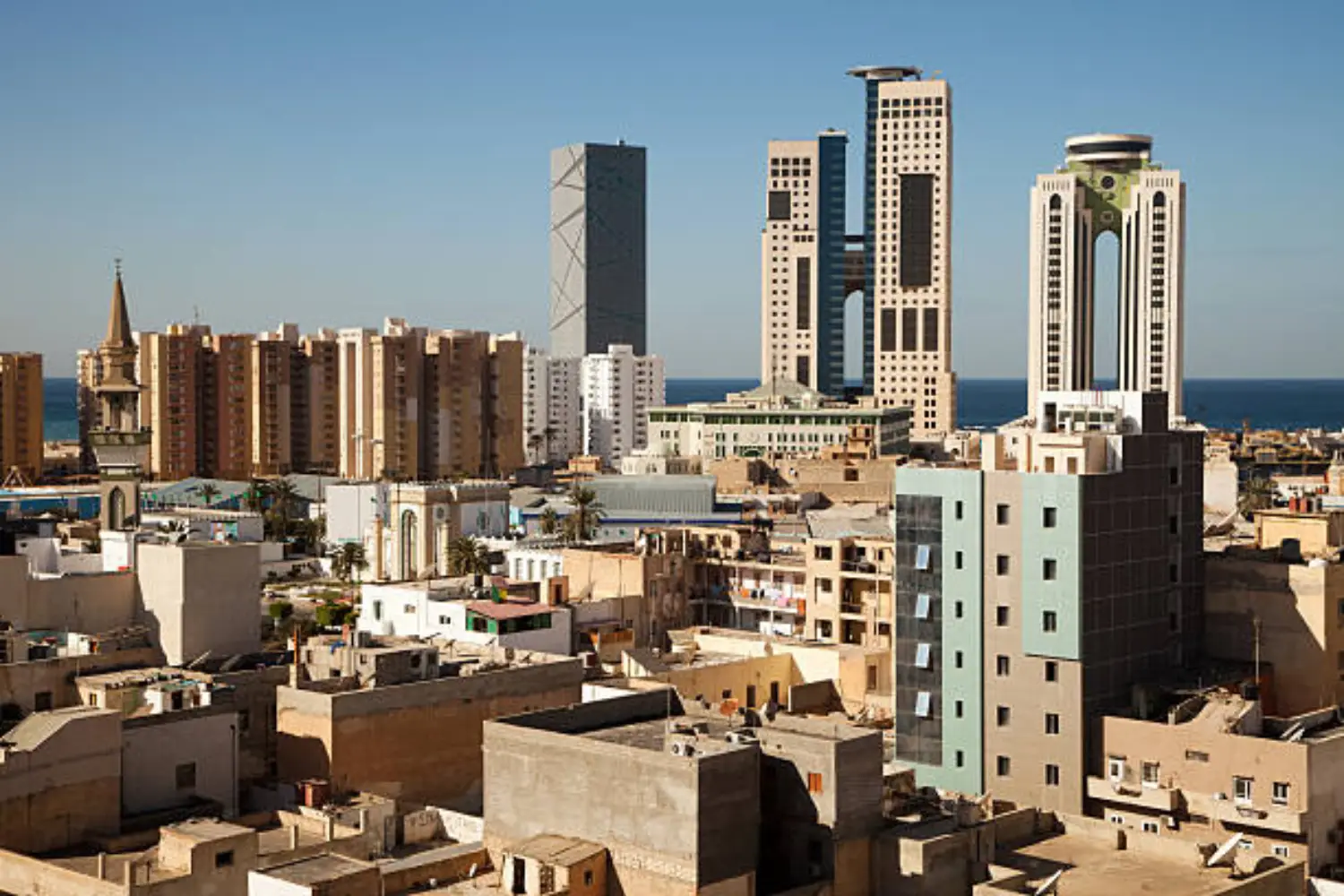
Libya’s GDP per capita of $17,597 (PPP) reflects its oil-rich economy, though political instability caps its total GDP at around $48 billion. With 6.8 million people, its wealth is concentrated, and recovery efforts focus on stabilizing the energy sector.
Gabon: Natural Resource Strength
Gabon’s GDP per capita of $24,682 (PPP) is supported by oil, manganese, and timber, with a population of 2.3 million. Its total GDP of $20 billion highlights a resource-driven economy, with diversification into eco-tourism gaining traction.

Botswana: Diamond and Tourism Hub
Botswana’s GDP per capita of $20,311 (PPP) stems from diamond mining and tourism, with a population of 2.6 million. Its stable governance and investment in education contribute to a GDP of $18 billion, making it a regional success story.
Comparative Economic Analysis
| Country | Nominal GDP (Billion USD) | GDP per Capita (PPP, USD) | Cheapest Month | HDI (2025) |
|---|---|---|---|---|
| South Africa | 410.34 | 16,625 | N/A | 0.713 |
| Nigeria | 574 | 2,540 | N/A | 0.544 |
| Egypt | 380 | 17,786 | N/A | 0.731 |
| Seychelles | 2.5 | 43,070 | N/A | 0.802 |
| Mauritius | 14 | 33,954 | N/A | 0.796 |
| Equatorial Guinea | 12 | 20,477 | N/A | 0.596 |
| Algeria | 266.8 | 18,342 | N/A | 0.745 |
| Libya | 48 | 17,597 | N/A | 0.718 |
| Gabon | 20 | 24,682 | N/A | 0.703 |
| Botswana | 18 | 20,311 | N/A | 0.735 |
Factors Driving Wealth in Africa
Africa’s richest countries leverage natural resources like oil, minerals, and arable land, alongside tourism and emerging tech sectors. South Africa and Nigeria dominate in total GDP, while Seychelles and Mauritius excel in per capita terms due to small populations and tourism. Political stability, infrastructure investment, and diversification are critical for sustained growth.
Challenges to Economic Prosperity
Despite their wealth, many African countries face inequality, corruption, and infrastructure gaps. Nigeria’s oil wealth contrasts with widespread poverty, while Libya’s instability limits its potential. Climate change and global market fluctuations also threaten resource-dependent economies like Algeria and Gabon.
Future Outlook for 2025 and Beyond
By 2050, Africa’s combined GDP could reach $29 trillion, with countries like Nigeria, Egypt, and South Africa leading if they address current challenges. Seychelles and Mauritius may continue to shine in per capita terms, while diversification efforts in oil-rich nations could reshape rankings. Investments in education, technology, and renewable energy will be pivotal.
Travel Insights for the Richest Countries
Travelers can explore South Africa’s Cape Town, Nigeria’s vibrant Lagos, Egypt’s historic sites, or Seychelles’ pristine beaches. Each destination offers unique cultural and natural attractions, with tourism boosting local economies. Plan visits during off-peak seasons (e.g., April-May) for cost savings and fewer crowds.
You can also Explore about Tanzania Safaris: Unique Destinations
While the richest countries in Africa showcase diverse economic strengths, Tanzania offers a compelling blend of natural beauty and cultural richness that complements any travel itinerary. As you plan your journey, consider transitioning your exploration to Tanzania’s iconic destinations. The Serengeti National Park beckons with its unparalleled wildlife safaris, Mount Kilimanjaro challenges adventurers with its majestic peaks, and the Zanzibar Archipelago entices with its pristine beaches and historical Stone Town. Leveraging the economic insights and travel strategies from Africa’s wealthiest nations, Tanzania stands out as an affordable yet rewarding destination, perfect for experiencing the continent’s heritage and landscapes.
Frequent Asked Questions (FAQs)
Which country is the richest in Africa by nominal GDP in 2025?
As of 02:12 PM EAT on Saturday, June 21, 2025, Nigeria is the richest country in Africa by nominal GDP, estimated at $574 billion, driven by its oil exports and growing tech sector.
Which country has the highest GDP per capita in Africa?
Seychelles holds the highest GDP per capita in Africa at $43,070 (PPP) in 2025, thanks to its thriving tourism and fishing industries and small population.
What factors contribute to South Africa’s economic status?
South Africa’s economic status, with a GDP of $410.34 billion, is supported by mining (gold, platinum), manufacturing, and a strong services sector, though inequality remains a challenge.
How does tourism impact the richest African countries?
Tourism significantly boosts economies like Seychelles, Mauritius, and Egypt, with attractions like beaches and historical sites contributing to GDP and employment.
What are the future economic prospects for Africa’s richest nations?
By 2050, countries like Nigeria, Egypt, and South Africa could see GDP growth to $29 trillion collectively if they invest in education, technology, and renewables, while Seychelles and Mauritius may maintain high per capita rankings.