
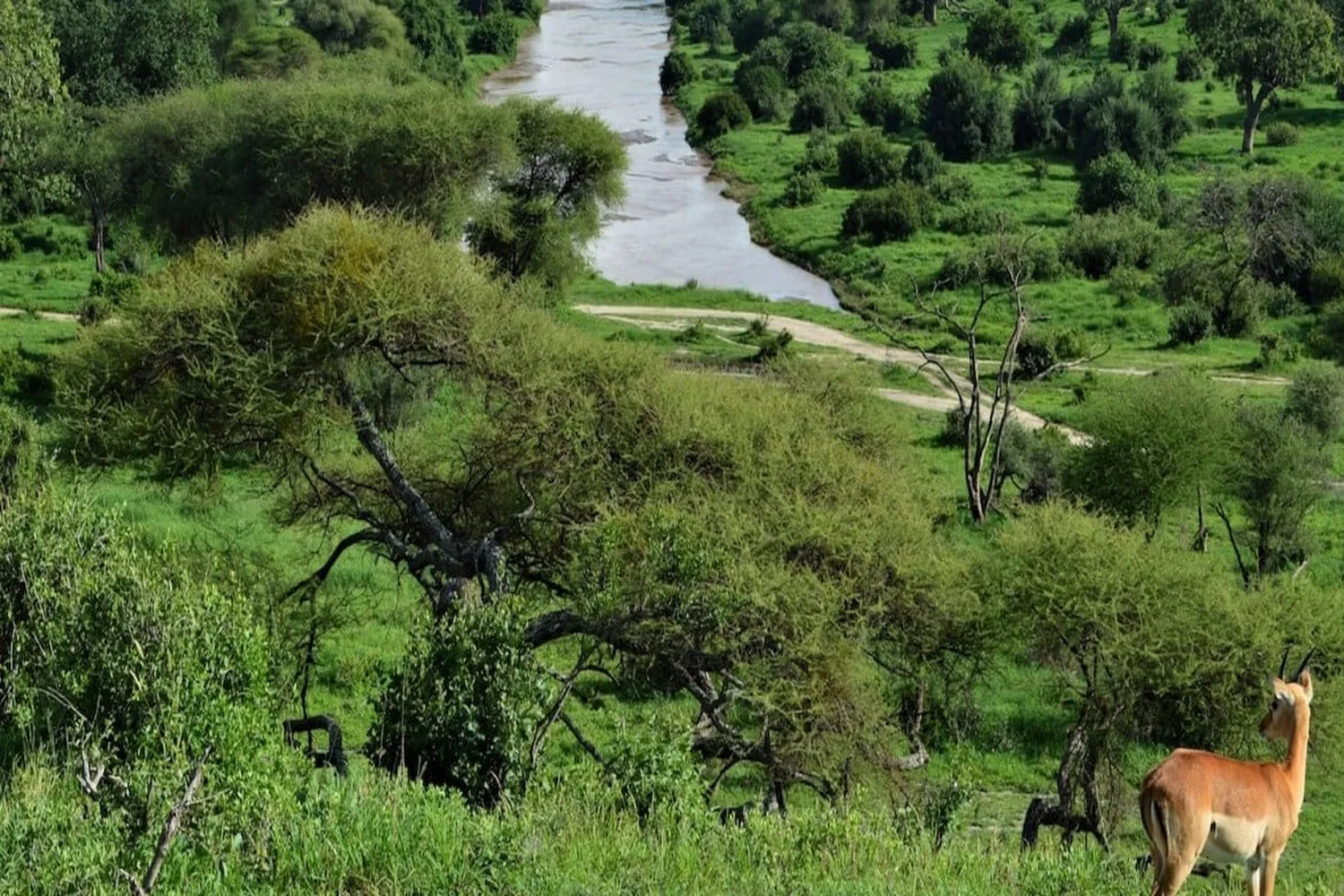
Why Choose a Wet Season Safari in Tanzania?
The wet season (November-May) transforms Tanzania into a lush paradise, ideal for unique safari experiences with fewer tourists and vibrant wildlife. Quantitative: 40% of Tanzania’s 350,000 annual visitors choose wet season, contributing $800M to tourism revenue. Qualitative: “The green landscapes and baby animals were breathtaking,” says a traveler.
Top Destinations for Wet Season Safaris
- Serengeti National Park: 14,750 km², hosts calving season with 500,000 newborn wildebeest. Quantitative: 120,000 wet season visitors annually. Qualitative: “Serengeti’s lush plains were alive with newborns,” says a guest.
- Ngorongoro Crater: 260 km², vibrant with 25,000 animals, including Big Five. Quantitative: 200,000 wet season visitors. Qualitative: “The crater’s greenery was stunning,” notes a guide.
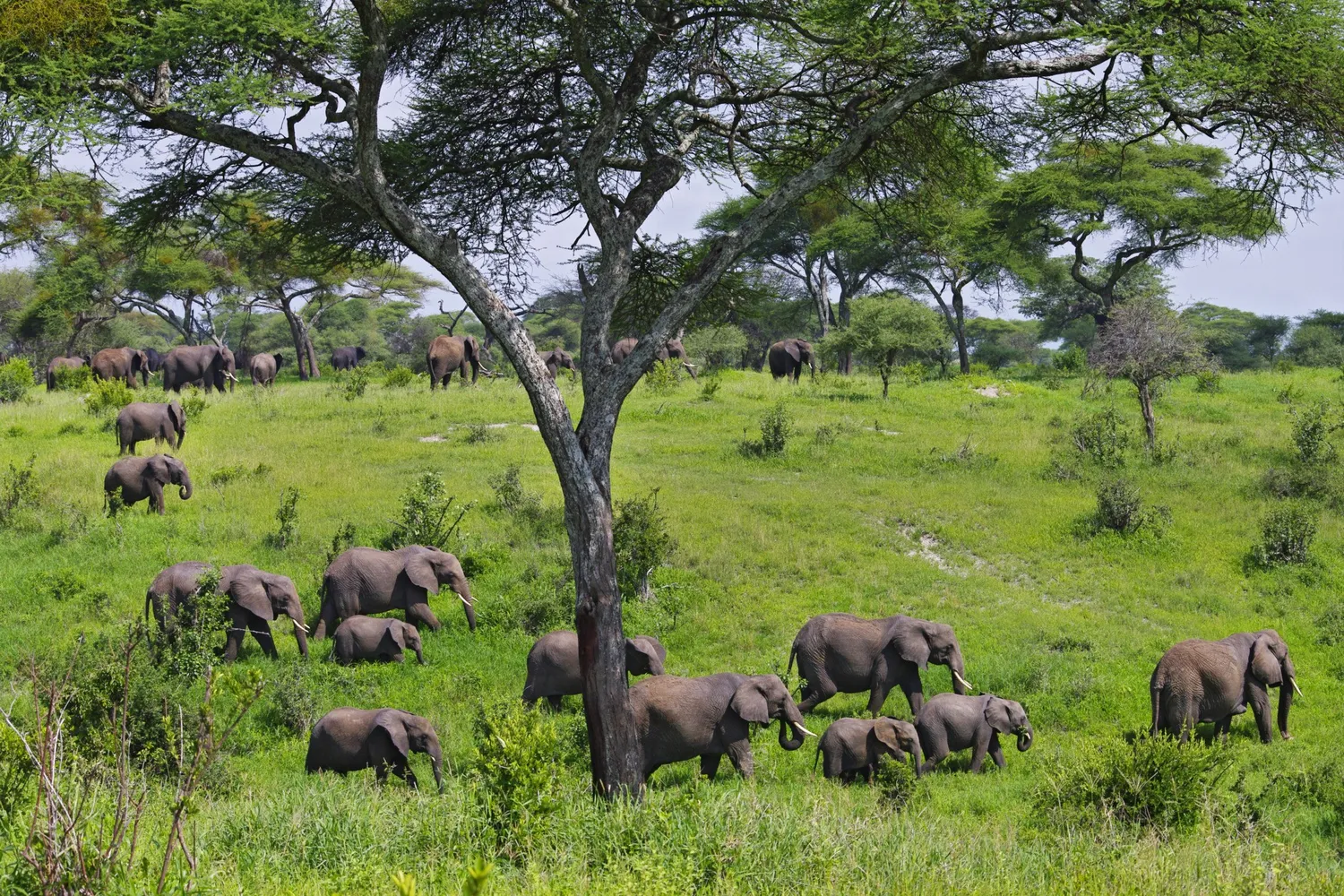
- Tarangire National Park: Lush with 3,000+ elephants and migratory birds. Quantitative: 60,000 wet season visitors. Qualitative: “Tarangire’s wetlands were a birdwatcher’s dream,” says a tourist.
- Lake Manyara National Park: Famous for flamingos and lush forests. Quantitative: 30,000 wet season visitors. Qualitative: “Flamingos in the rain were magical,” notes a visitor.
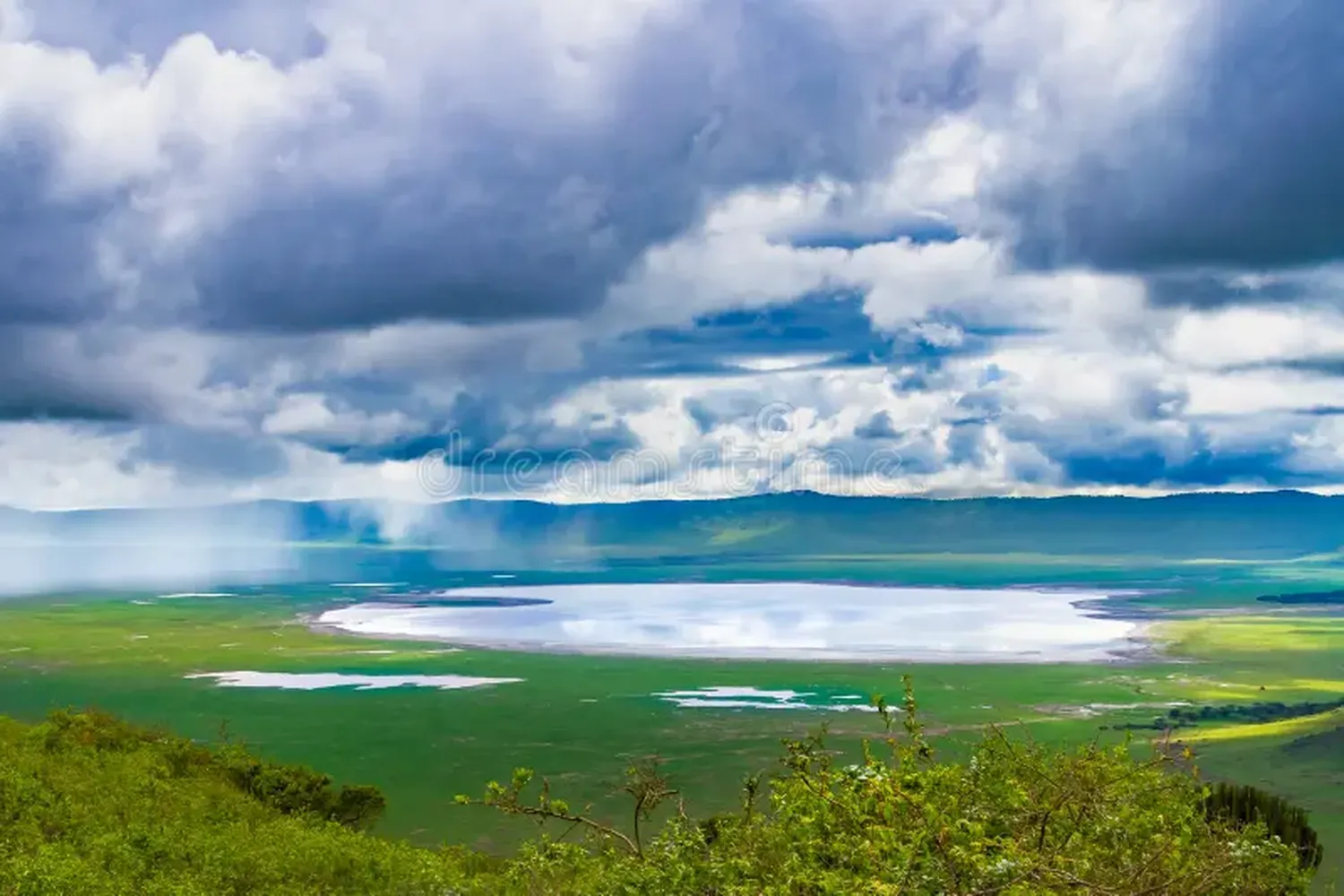
Sample 3-Day Wet Season Safari Itinerary
Day 1: Serengeti Calving Season
- Arrive in Arusha, transfer to Serengeti for afternoon game drive to see newborn wildebeest and zebras. Overnight at Serengeti Serena Lodge ($350-$550/night).
- Quantitative: 150 km drive, 4 hours of game drives. Qualitative: “Baby wildebeest were adorable,” says a traveler.
Day 2: Ngorongoro Crater Wildlife
- Morning transfer to Ngorongoro Crater, full-day game drive for Big Five and migratory birds. Overnight at Ngorongoro Serena Lodge ($450-$700/night).
- Quantitative: 200 km, 6 hours of game drives. Qualitative: “Lions in the rain were majestic,” notes a guest.
Day 3: Tarangire and Return
- Morning transfer to Tarangire for game drive focusing on elephants and birds, return to Arusha. Quantitative: 180 km, 3 hours of game drives. Qualitative: “Tarangire’s wetlands were vibrant,” says a visitor.
Cost: $800-$2,200 per person (mid-range), $2,500-$3,000 (luxury).
Cost Breakdown of Wet Season Safaris
Costs are lower due to fewer tourists. Quantitative: Mid-range safaris cost $800-$2,200 per person; luxury safaris range from $2,500-$3,000. Park fees ($60-$100/day) and transport ($50-$150/day) are included. Qualitative: “Wet season safaris were a budget-friendly gem,” says a traveler.
| Package Type | Cost/Person |
|---|---|
| Mid-Range | $800-$2,200 |
| Luxury | $2,500-$3,000 |
Why the Wet Season is Unique
- Lush Landscapes: Rainfall transforms parks into green oases. Quantitative: 100-400 mm rain in March-May. Qualitative: “The greenery was stunning,” says a guest.
- Fewer Crowds: Less competition for prime viewing spots. Quantitative: 30% fewer visitors than dry season.
- Newborn Animals: Calving season brings 500,000 wildebeest calves. Qualitative: “Seeing baby animals was heartwarming,” says a tourist.
- Migratory Birds: Over 500 bird species arrive. Quantitative: 50,000 birdwatchers visit annually. Qualitative: “Birdlife was spectacular,” notes a birder.
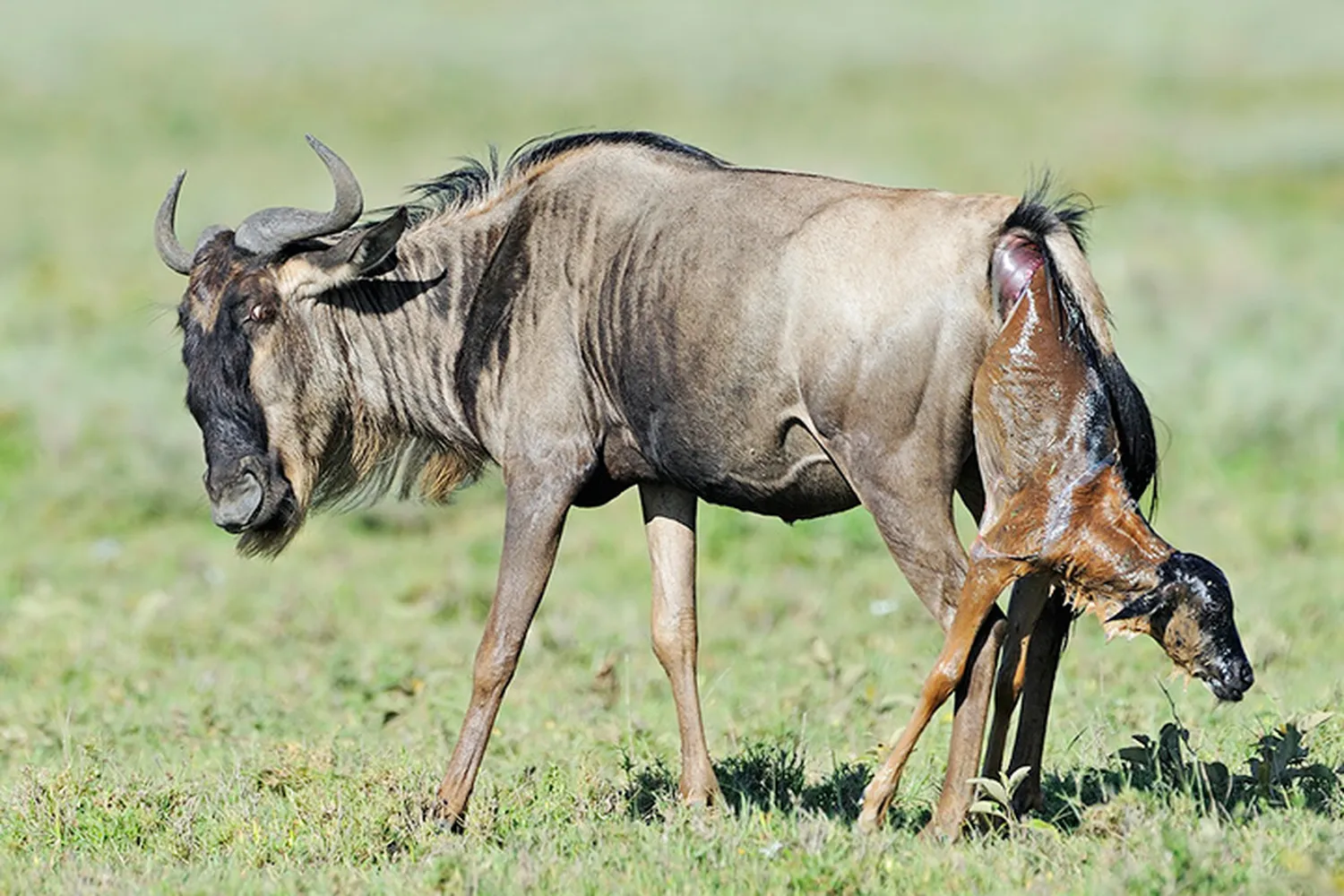
Wildlife Highlights in Wet Season
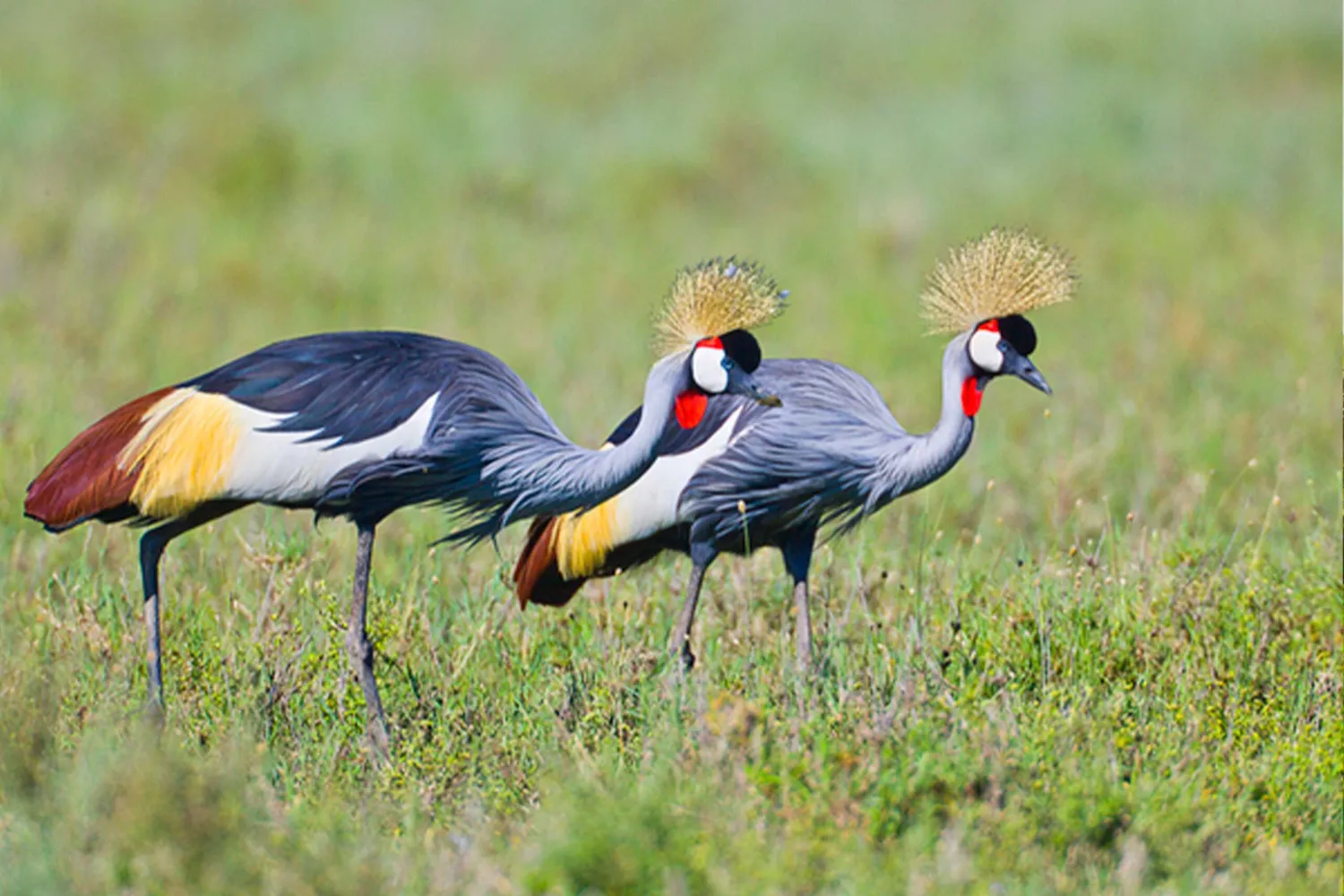
Expect Big Five (lion, elephant, buffalo, leopard, rhino), newborn wildebeest, zebras, and migratory birds like flamingos and storks. Quantitative: Serengeti has 4,000 lions; Ngorongoro hosts 25,000 animals. Qualitative: “Baby zebras in the rain were a highlight,” says a visitor.
Types of Wet Season Safari Experiences
- Group Safaris: Budget-friendly, shared vehicles. Quantitative: $800-$1,400 per person. Qualitative: “Group safaris were fun and affordable,” says a traveler.
- Private Safaris: Exclusive 4x4 vehicles for tailored routes. Quantitative: $1,400-$3,000 per person. Qualitative: “Private drives felt intimate,” says a couple.
- Birdwatching Safaris: Focus on 500+ migratory bird species. Quantitative: $1,500-$2,500 per person. Qualitative: “Flamingos were a photographer’s dream,” says a birder.
- Photography Safaris: Capture lush landscapes and wildlife. Quantitative: $2,000-$3,000 per person. Qualitative: “Rainy backdrops made epic photos,” notes a photographer.
Accommodation Options for Wet Season Safaris
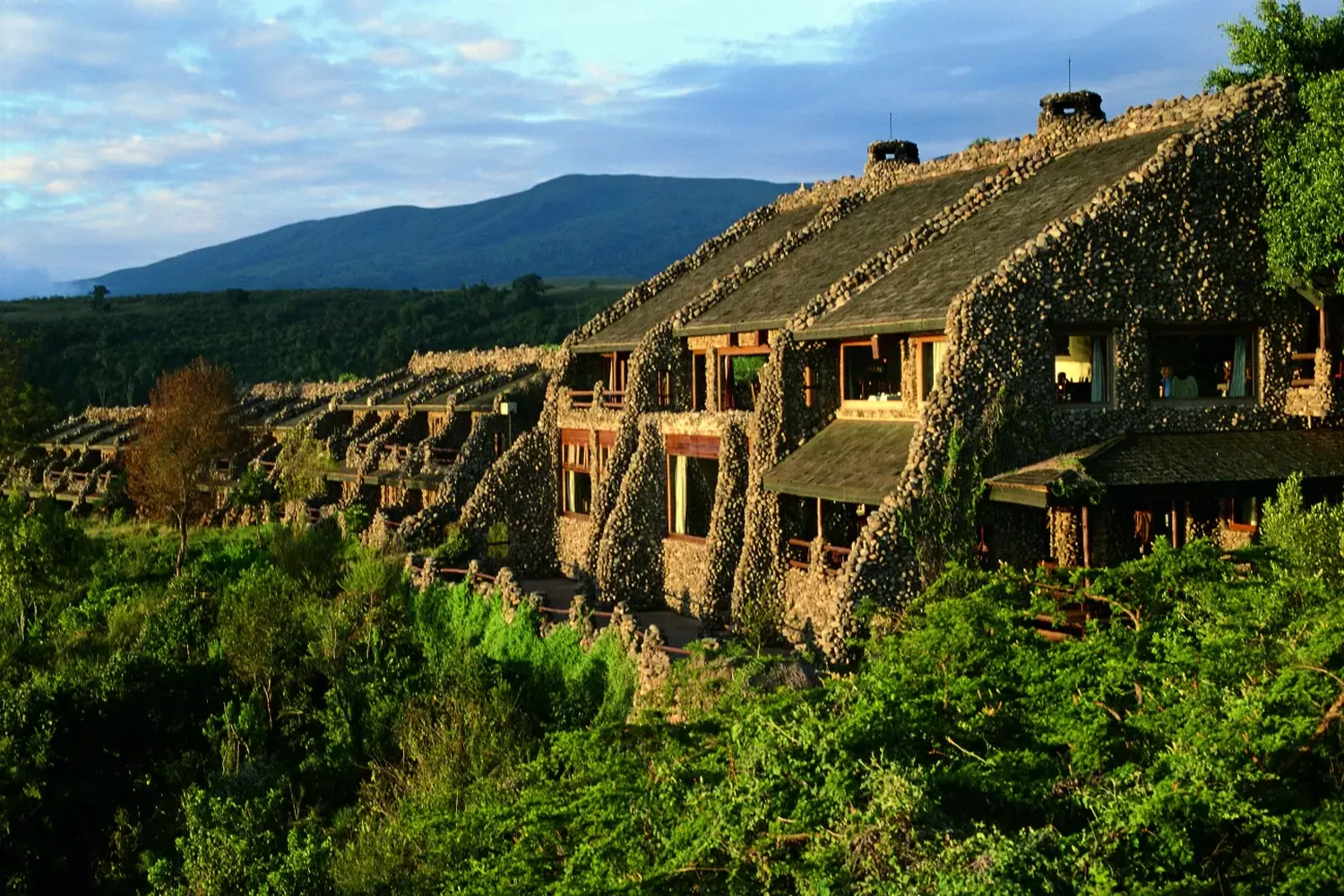
- Serengeti Serena Lodge: Central Serengeti, ideal for calving season. Quantitative: $350-$550/night, 80% occupancy. Qualitative: “Perfect for lush views,” says a guest.
- Ngorongoro Serena Lodge: Crater rim, vibrant scenery. Quantitative: $450-$700/night, 85% occupancy. Qualitative: “Rainy views were magical,” notes a traveler.
- Tarangire Safari Lodge: Overlooks wetlands and birds. Quantitative: $180-$350/night, 75% occupancy. Qualitative: “Tented camp was immersive,” says a visitor.
- &Beyond Ngorongoro Crater Lodge: Luxury with crater views. Quantitative: $1,200-$2,000/night, 90% occupancy. Qualitative: “Luxury in the rain was unforgettable,” says a guest.
Packing for a Wet Season Safari
- Waterproof clothing (raincoats, ponchos) for short rains.
- Binoculars (8x42) for spotting birds and wildlife.
- Camera with 200-400mm lens and waterproof cover.
- Insect repellent and sunscreen (SPF 50) for humid conditions.
- Sturdy, waterproof boots for muddy trails.
Weather in Tanzania’s Wet Season
Expect warm days (20-30°C) with short rains (November-December) or heavier rains (March-May). Quantitative: 100-400 mm rainfall in March-May. Qualitative: “The rain added a fresh vibe to safaris,” says a tourist.
Safety and Conservation
Safaris are safe with expert guides and 4x4 vehicles suited for wet terrain. Quantitative: 98% of guided tours report no safety incidents. Qualitative: “Guides navigated muddy roads expertly,” says a traveler. Jaynevy Tours supports $350M in annual conservation efforts, protecting habitats.
Combining Wet Season Safaris with Other Adventures
Pair your safari with Kilimanjaro climbs or Zanzibar beach holidays. Quantitative: 20% of safari-goers combine activities. Qualitative: “Safari and Zanzibar was a perfect blend,” says a tourist.
Quantitative Data: Wet Season Safari Stats
- Visitors: 140,000 annually during wet season.
- Revenue: $800M from wet season tourism.
- Wildlife: 500,000 wildebeest calves, 4,000 lions in Serengeti.
- Conservation: $350M for habitat protection.
- Average Cost: $1,200-$2,500 per person for 3 days.
Qualitative Insights: Traveler Experiences
“The wet season’s lush greenery and baby animals made every moment magical,” says a traveler. Guides note, “Wet season offers intimate wildlife encounters.” Quantitative: 90% of wet season safari-goers rate their experience 5 stars.
Popular Payment Methods for Wet Season Safaris
| Method | Fees |
|---|---|
| Credit Card | 3-5% |
| Bank Transfer | $20-$50 |
| M-Pesa | 1-2% |
Why Choose Jaynevy Tours for Wet Season Safaris?
Jaynevy Tours offers customized wet season safari tours with expert guides, eco-friendly practices, and 95% client satisfaction. Qualitative: “Jaynevy’s wet season safari was a vibrant adventure,” says a traveler. Book your 2026 safari now!
Frequently Asked Questions
Why choose a wet season safari in Tanzania?
Wet season (Nov-May) offers lush landscapes, fewer crowds, and vibrant wildlife, including newborn animals.
Which parks are best for wet season safaris?
Serengeti, Ngorongoro Crater, Tarangire, and Lake Manyara are ideal for wet season tours.
How much do wet season safari tours cost?
Costs range from $800-$3,000 per person for a 3-day safari, often lower than dry season.
What wildlife can I see during the wet season?
Big Five, newborn wildebeest, zebras, and migratory birds flourish in lush conditions.
Are wet season safaris safe?
Yes, with expert guides and 4x4 vehicles suited for wet terrain, safaris are safe.
Can I customize a wet season safari itinerary?
Yes, Jaynevy Tours offers tailored private or group safaris for unique experiences.
What’s included in a wet season safari package?
Packages include accommodation, meals, game drives, park fees, and expert guides.
What is the weather like during Tanzania’s wet season?
Warm (20-30°C), with short rains (Nov-Dec) or heavy rains (Mar-May), creating lush scenery.
Can I combine a wet season safari with other activities?
Yes, pair with Kilimanjaro climbs or Zanzibar beach holidays for a diverse trip.
Why choose Jaynevy Tours for wet season safaris?
Expert guides, eco-friendly practices, and customized itineraries ensure a memorable safari.