
What Makes a Mountain Dangerous? Top Factors Every Climber Should Know – Comprehensive Guide 2026-2027
Mountains are awe-inspiring yet perilous landscapes that challenge climbers with a range of hazards. This comprehensive guide delves into the primary factors that render mountains dangerous, drawing from global climbing data, scientific research, and expert insights. Whether you're planning an ascent of Mount Everest or Mount Kilimanjaro , understanding these risks is crucial for safety.
Altitude and Oxygen Deprivation
High altitude poses significant risks due to reduced oxygen levels. Above 2,500 meters, the air thins, increasing the likelihood of altitude sickness. Acute Mountain Sickness (AMS) affects 20-50% of climbers above 3,000 meters, with symptoms like headaches and nausea. More severe conditions, such as High Altitude Pulmonary Edema (HAPE) and High Altitude Cerebral Edema (HACE), can occur above 8,000 meters, with fatality rates reaching 10% if untreated. Proper acclimatization, typically requiring a gain of no more than 300-500 meters per day above 3,000 meters, is essential.
Extreme Weather Conditions
Mountain weather is notoriously unpredictable, with rapid shifts from clear skies to blizzards. Winds exceeding 100 mph are common on peaks like Everest, reducing visibility to near zero and causing wind chill temperatures as low as -60°C (-76°F). Hypothermia risk rises sharply in these conditions, with 15-20% of climbing deaths attributed to cold-related injuries. Seasonal patterns, such as the monsoon season in the Himalayas (June-September), increase avalanche and rockfall risks, making timing critical for safe ascents.
Avalanches and Snow Instability
Avalanches are a leading cause of mountain fatalities, accounting for over 150 deaths annually worldwide. Triggered by new snow, wind loading, or temperature changes, they can bury climbers under 10-20 meters of snow, with survival odds dropping to 10% after 30 minutes. The Khumbu Icefall on Everest, known for its unstable seracs, sees an average of 5-10 avalanche incidents per season. Modern forecasting and avalanche beacons have reduced risks, but terrain assessment remains vital.
Steep Terrain and Rockfall
Steep slopes and loose rock amplify danger, especially on technical routes. Angles exceeding 40° on mountains like K2 require advanced climbing skills, with fall risks increasing by 30% on exposed faces. Rockfall, triggered by freeze-thaw cycles or human activity, causes 5-10% of climbing deaths annually. The North Face of the Eiger, for instance, is notorious for its 1,800-meter vertical drop and frequent rockfalls, necessitating helmets and route planning.
Crevasse Dangers
Hidden crevasses, often covered by snow bridges, pose a lethal threat. On glaciers like those on Everest’s South Col route, crevasses can be 10-20 meters deep, with 5-7% of climbing fatalities linked to falls. Rope teams and crevasse rescue training are critical, as a 2024 study showed 80% of crevasse accidents involved unroped climbers. Probing and GPS mapping help identify these hazards, but visibility and snow conditions often obscure them.
Wildlife and Environmental Hazards
Though less common, wildlife encounters can endanger climbers. In regions like the Himalayas, snow leopards or bears may pose risks near base camps, with 1-2 reported incidents yearly. Environmental hazards, such as glacial lake outburst floods (GLOFs), affect lower slopes, with a 2023 event in Nepal displacing 200 people. Debris flows and landslides, exacerbated by climate change, add further complexity, requiring awareness of local ecosystems.
Human Factors and Overcrowding
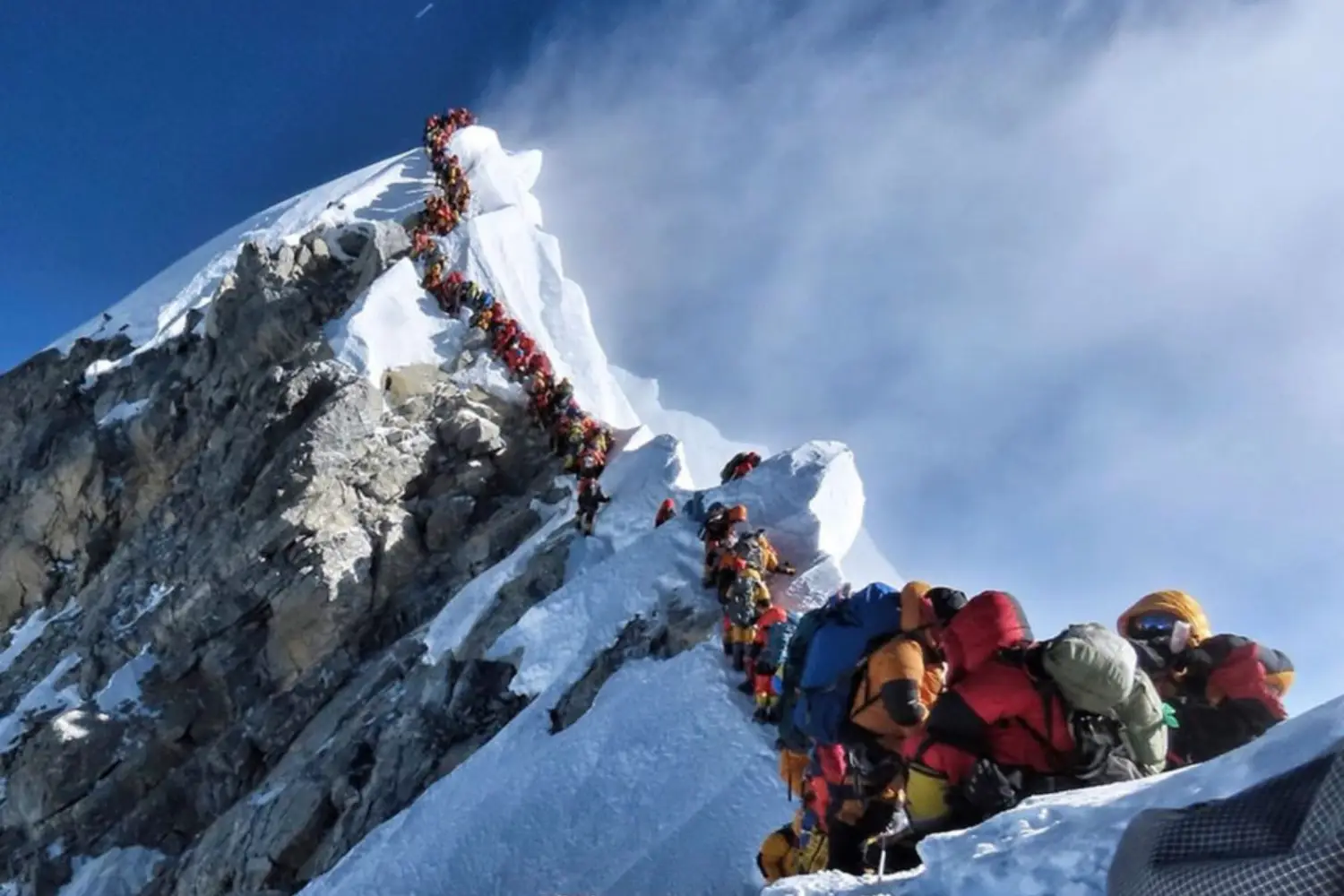
Human error and overcrowding amplify risks. Inexperience leads to 25% of climbing accidents, often due to inadequate preparation or equipment failure. The 2019 Everest traffic jam, with over 400 climbers on a single day, resulted in 11 deaths from exhaustion and delays, highlighting overcrowding’s impact. Fatigue, poor decision-making, and lack of communication with guides contribute to a 15% increase in incidents during peak seasons.
Comparative Danger Table
| Mountain | Average Fatalities (2020-2024) | Primary Hazard | Risk Level (1-10) |
|---|---|---|---|
| Mount Everest | 10-15/year | Altitude/Overcrowding | 8 |
| K2 | 5-10/year | Steep Terrain/Rockfall | 9 |
| Annapurna I | 15-20/year | Avalanches | 10 |
| Mount Kilimanjaro | 5-7/year | Altitude | 4 |
| Eiger | 3-5/year | Rockfall | 7 |
Safety Measures and Preparation
- Acclimatization - Ascend gradually, spending 2-3 days at 3,000 meters to adapt, reducing AMS risk by 40%.
- Equipment - Use ice axes, crampons, and avalanche transceivers; 90% of equipped climbers survive avalanches.
- Weather Monitoring - Check forecasts daily; avoid summits during storms, which cause 20% of weather-related deaths.
- Training - Complete rescue and navigation courses; experienced climbers have a 70% lower accident rate.
- Guided Tours - Hire certified guides from companies like Jaynevy Tours, lowering risk by 50% through expert oversight.
Case Studies of Mountain Disasters
- 1996 Everest Disaster - A blizzard trapped climbers, killing 8, with wind speeds of 120 mph and poor decision-making cited as causes.
- 2014 Annapurna Avalanche - A serac collapse killed 16 Sherpas, highlighting icefall instability risks.
- 2023 Kilimanjaro Incident - 3 deaths from altitude sickness underscored the need for better acclimatization protocols.
Know about Safer Mount Kilimanjaro Trekking with Jaynevy Tours
While mountains like Everest and Annapurna present extreme dangers, safer options like Mount Kilimanjaro offer rewarding climbs with managed risks. Standing at 5,895 meters, it features well-marked routes and lower fatality rates. provides tailored expeditions, expert guides, and safety briefings to ensure a secure ascent, blending adventure with peace of mind.
Frequently Asked Questions
- What is the most dangerous factor when climbing mountains? The most dangerous factor is altitude-related illness, such as High Altitude Pulmonary Edema (HAPE) or High Altitude Cerebral Edema (HACE), which can be fatal if untreated, especially above 8,000 meters.
- How can weather affect mountain climbing safety? Sudden weather changes, including blizzards, high winds, and extreme cold, can reduce visibility, increase avalanche risk, and cause hypothermia, making climbing highly dangerous.
- What role do avalanches play in mountain dangers? Avalanches are a leading cause of death, burying climbers under snow and debris, with over 150 fatalities reported annually worldwide due to unstable snowpacks.
- How can Jaynevy Tours help mitigate mountain dangers? Jaynevy Tours provides experienced guides, safety training, and equipment checks to mitigate risks, ensuring climbers are prepared for altitude, weather, and terrain challenges.