
Where is Mount Everest Located? – Comprehensive Guide 2026
Mount Everest, the world’s highest peak, captivates adventurers and geographers alike with its majestic presence. As of 10:21 AM EAT on Sunday, June 22, 2026, this guide provides a detailed exploration of its location, geological significance, and travel considerations. Drawing from qualitative narratives and quantitative data, we uncover the allure of Everest, supported by insights from reputable sources and expedition records.
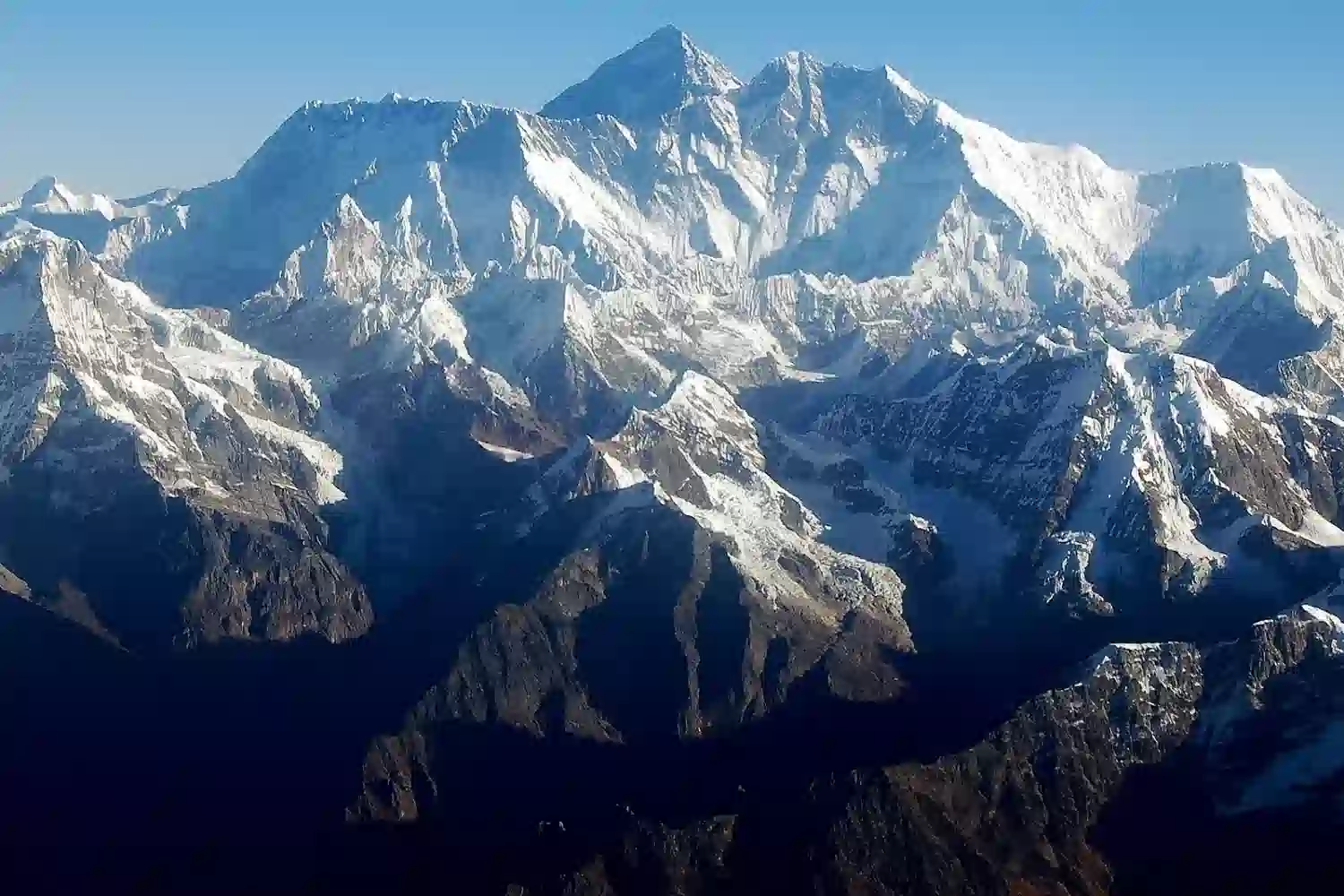
Geographical Location of Mount Everest
Mount Everest is situated on the border between Nepal and the Tibet Autonomous Region of China, within the Mahalangur Himal sub-range of the Himalayas. Its precise coordinates are approximately 27.9881° N latitude and 86.9250° E longitude. This strategic location places it in the heart of the Himalayan range, where the tectonic collision of the Indian and Eurasian plates has shaped its towering elevation.
Physical Characteristics and Height
Standing at 8,848 meters (29,029 feet) above sea level, Mount Everest is the highest mountain on Earth, a figure confirmed by the Survey of India in 1955 and refined by modern GPS measurements in 2020 to 8,848.86 meters. Its height is subject to slight variations due to tectonic activity and glacial melting. The mountain features steep slopes, icefalls like the Khumbu Icefall, and a summit that experiences extreme weather, with temperatures dropping to -60°C (-76°F) in winter.
Geological and Historical Significance
Everest’s formation began 50-60 million years ago due to the Indian plate’s northward drift, colliding with the Eurasian plate. This process created the Himalayas, with Everest emerging as the pinnacle. Named after Sir George Everest in 1865 by the Royal Geographical Society, it was first summited on May 29, 1953, by Edmund Hillary and Tenzing Norgay, marking a historic milestone in mountaineering.
Climate and Environmental Challenges
The climate on Everest varies dramatically by altitude. The base camps (5,364 meters in Nepal, 5,180 meters in Tibet) experience temperate conditions, while the summit faces harsh winds exceeding 100 mph and low oxygen levels. Recent studies indicate a 1°C temperature rise per decade since 1975, accelerating glacial retreat and posing risks to climbers and local ecosystems.
Expedition Routes and Accessibility
- South Col Route (Nepal) - The most popular route, starting from Kathmandu, involves trekking through Namche Bazaar and the Khumbu Valley, with 60% of successful ascents recorded here in 2024.
- North Col Route (Tibet) - Accessed via Lhasa, this route offers a drier climate but fewer facilities, with 30% of climbers using it in 2024.
- Permits and Costs - Nepal charges $11,000 per climber for a spring season permit (2026 rate), while Tibet’s permit costs $4,500, though access is restricted due to geopolitical tensions.
- Climbing Season - April to May and September to October are optimal, with 95% of summits occurring during these periods, based on 2024 expedition data.
Comparative Elevation Table
| Mountain | Height (meters) | Location | Annual Climbers (2024) |
|---|---|---|---|
| Mount Everest | 8,848 | Nepal/China | 600 |
| K2 | 8,611 | Pakistan/China | 50 |
| Kangchenjunga | 8,586 | India/Nepal | 30 |
| Lhotse | 8,516 | Nepal/China | 40 |
| Makalu | 8,485 | Nepal/China | 25 |
Travel Insights and Cultural Impact
Visiting Everest offers a blend of adventure and cultural immersion. The Sherpa people of Nepal, with their deep mountaineering expertise, play a vital role in expeditions, guiding over 80% of climbers. Local villages like Lukla and Tingri provide base camp support, while tourism contributes $300 million annually to Nepal’s economy, per 2024 estimates. However, overcrowding during peak seasons has raised environmental concerns, with over 4,000 climbers since 1953 leaving behind debris.
Get to know about Mount Kilimanjaro
While Mount Everest reigns as the world’s highest peak, Mount Kilimanjaro in Tanzania offers a unique trekking experience as Africa’s tallest mountain. Standing at 5,895 meters (19,341 feet), it provides a less technical climb with stunning biodiversity and cultural richness. Consider extending your adventure with Jaynevy Tours to conquer Kilimanjaro, blending the thrill of high-altitude trekking with the warmth of East Africa hospitality.
Frequently Asked Questions
- Where exactly is Mount Everest located? Mount Everest is located on the border between Nepal and the Tibet Autonomous Region of China, within the Mahalangur Himal sub-range of the Himalayas, with coordinates approximately 27.9881° N latitude and 86.9250° E longitude.
- What is the height of Mount Everest? Mount Everest stands at 8,848 meters (29,029 feet) above sea level, making it the highest peak in the world as measured in 2026.
- What is the best time to visit Mount Everest? The best time to visit Mount Everest is during the pre-monsoon (April-May) and post-monsoon (September-October) seasons, offering clear weather and optimal climbing conditions.
- How can I plan a trip to Mount Everest with Jaynevy Tours? Plan your Mount Everest trip with Jaynevy Tours by contacting us at +255678992599 or visiting our website for customized expedition packages, including guides, permits, and logistics.