
4-Day Tarangire, Serengeti & Ngorongoro Safari From Moshi 2026/2027
Our 4-Day Tarangire, Serengeti & Ngorongoro Safari from Moshi combines elephant country in Tarangire, the wildlife-rich plains of Central Serengeti and an early Ngorongoro Crater game drive in one private northern Tanzania itinerary. We arrange your private 4x4, professional driver-guide, park and conservation logistics, three nights of accommodation, meals and game drives. The price of this 4-day safari starts from USD 1,450 per person. The itinerary is active and includes long road transfers, so lodge location and early departures matter. The final package price and confirmed inclusions are provided in your written quotation.
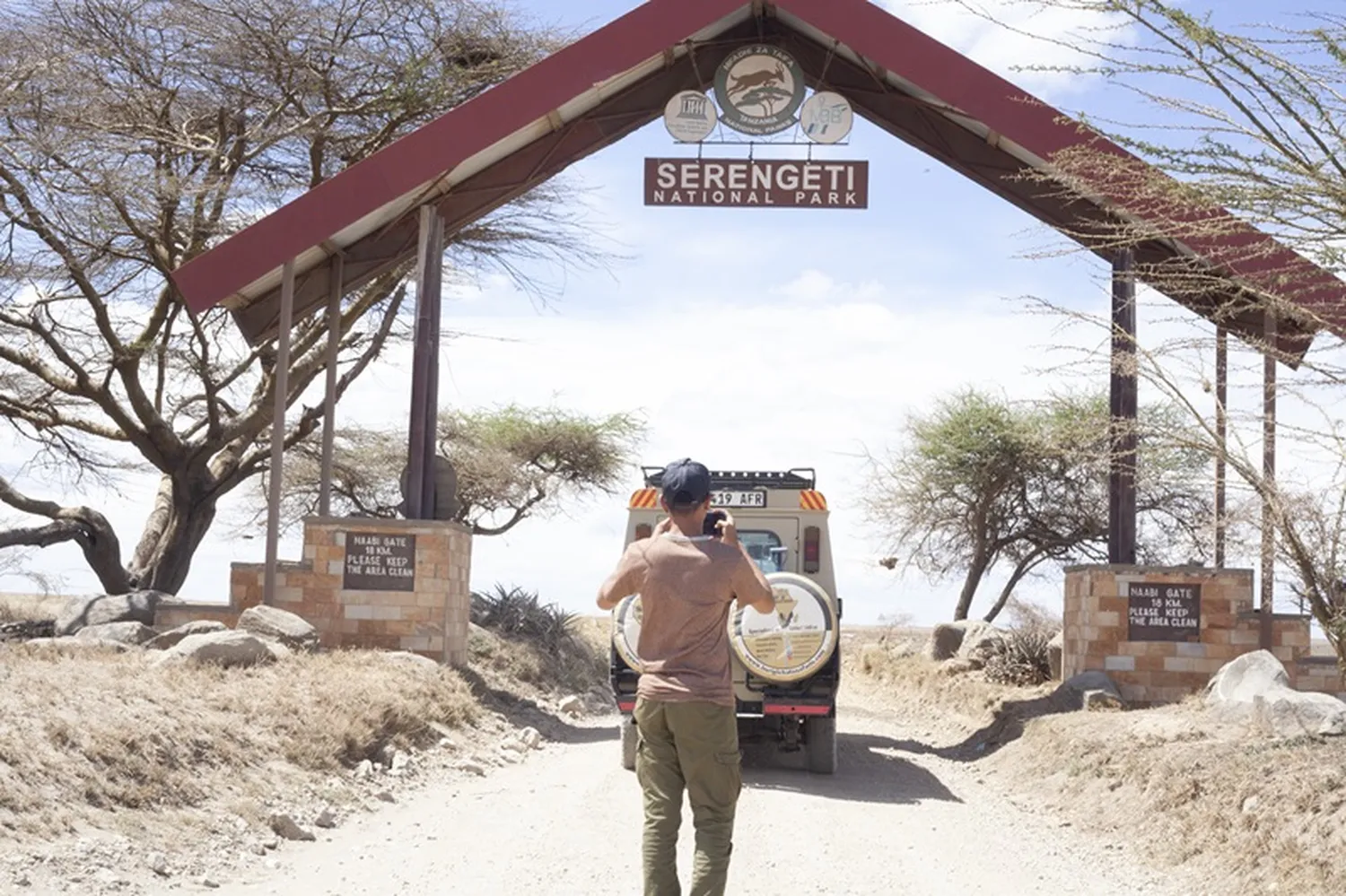
Is This 4-Day Safari From Moshi Right for You?
Yes, if you want to see three of northern Tanzania’s most important wildlife areas in four days and you are comfortable with an active road itinerary. This route works best for travelers who value wildlife variety over slow lodge time. It includes one night in Central Serengeti, so it is a highlights safari rather than a complete Serengeti exploration.
| Planning question | Practical answer |
|---|---|
| Safari style | Private road safari with your own 4x4 and driver-guide |
| Duration | 4 days / 3 nights |
| Main areas | Tarangire, Central Serengeti and Ngorongoro Crater |
| Starting point | Moshi |
| Starting price | From USD 1,450 per person |
| Best suited to | Couples, friends and first-time safari travelers with limited time |
| Main trade-off | More driving and lodge changes than a 5-day safari |
If your priority is a second Serengeti night or a slower pace, compare this trip with our 5-day Serengeti and Ngorongoro safari from Moshi.
4-Day Tarangire, Serengeti & Ngorongoro Route at a Glance
The most efficient route is Moshi → Tarangire → Karatu/Mto wa Mbu → Central Serengeti → Ngorongoro area → Crater → Moshi. Where you sleep is important because the trip is short. We use Central Serengeti rather than the far north or west, and we position the third night for an early crater descent.
| Day | Route & activity | Planning drive time | Recommended overnight area |
|---|---|---|---|
| 1 | Moshi to Tarangire; game drive | About 3.5–4.5 hours to the park, excluding stops | Karatu or Mto wa Mbu |
| 2 | Karatu/Mto wa Mbu through Ngorongoro to Central Serengeti | About 4.5–6 hours before and between game-viewing sections | Central Serengeti |
| 3 | Central Serengeti game drive; transfer toward Ngorongoro | About 3.5–5 hours from Seronera to the highlands | Crater rim, conservation area or Karatu |
| 4 | Early Ngorongoro Crater game drive; return to Moshi | About 4–5 hours from the highlands to Moshi after the crater | Moshi or onward travel |
These are planning ranges, not guaranteed timings. Rain, road work, wildlife stops, gate procedures and your exact lodge location can change the day. A private vehicle gives us more flexibility to protect the game-viewing schedule.
Detailed 4-Day Safari Itinerary From Moshi
Day 1: Moshi to Tarangire National Park
We recommend leaving Moshi early, normally around 06:00–07:00, so you reach Tarangire with useful daylight for wildlife viewing. The drive usually takes about 3.5–4.5 hours with a sensible comfort stop. Once inside the park, your guide focuses on the Tarangire River system, baobab woodland and open areas where elephants, giraffes, zebra, buffalo, antelope and predators may be found.
Tarangire is particularly known for large elephant herds and iconic baobab trees. Wildlife is wild, so sightings of lions, leopards or other predators cannot be guaranteed. After the game drive, we continue to Karatu or Mto wa Mbu rather than returning to Moshi; this makes the following day’s Serengeti transfer more practical. See our Tarangire National Park guide for more seasonal context.
Day 2: Karatu or Mto wa Mbu to Central Serengeti
Day two crosses the Ngorongoro highlands and conservation area before entering Central Serengeti through Naabi Hill. We normally use the crater viewpoint as a short scenic stop and keep the full crater descent for day four, when you have enough time to experience it properly.
After Naabi Hill formalities, the drive becomes a game-viewing transfer toward Seronera. Serengeti National Park covers about 14,763 square kilometres, and its wider ecosystem supports the world-famous annual migration. On a four-day road safari, however, we do not chase distant northern or western migration areas; Central Serengeti is the practical choice because it supports strong resident wildlife throughout the year.
We aim to reach your central camp before dark. Lodge location matters more than the marketing name: a property described simply as “Serengeti” can still be far from the game-drive area you need. Review our Serengeti accommodation guide when comparing quotations.
Day 3: Central Serengeti Game Drive to the Ngorongoro Area
We start around sunrise for the strongest balance of cooler temperatures, soft light and wildlife activity, then spend the morning exploring Central Serengeti before travelling toward Ngorongoro. The Seronera Valley, kopjes, river systems and surrounding plains can support lions, cheetahs, leopards, elephants, buffalo, hippos, giraffes and plains game.
Migration sightings depend on rainfall and herd movement, so we never sell this day as a guaranteed river-crossing experience. After lunch, we begin the drive toward Naabi Hill and the Ngorongoro highlands early enough to respect conservation-area driving hours. Staying near the crater rim gives the fastest day-four start; Karatu usually offers more accommodation choice but requires an earlier morning departure.
For destination comparisons, see Tarangire vs Serengeti and our first-time Ngorongoro Crater guide.
Day 4: Ngorongoro Crater Game Drive and Return to Moshi
We plan an early crater descent because day four combines a major game drive with the return journey to Moshi. Ngorongoro gates generally operate from 06:00 to 18:00, while the Seneto descent gate closes earlier at 16:00. The crater is roughly 20 kilometres across, about 600 metres deep and around 300 square kilometres in area.
On the crater floor you may see wildebeest, zebra, buffalo, gazelles, hyenas, lions and hippos, with a possibility of black rhino. Rhino sightings cannot be guaranteed. After the game drive, we ascend and continue through Karatu, Mto wa Mbu and Arusha to Moshi. We do not recommend scheduling an international departure too close to the planned return because road delays can occur.
How Much Driving Is Involved?
Plan for approximately 17–22 hours of inter-destination driving across the four days, plus game drives. The trip remains rewarding because some transfer sections pass through wildlife landscapes, but travelers should understand that this is not a slow safari.
| Time category | Planning range | What it means |
|---|---|---|
| Inter-destination transfers | Approximately 17–22 hours | Connecting Moshi, parks and overnight areas; excludes most wildlife loops |
| Total vehicle time | Approximately 28–36 hours | Transfers, game drives, stops and gate procedures combined |
| Useful game-viewing time | Approximately 16–22 hours | Depends on departure times, lodge locations and road conditions |
| Most demanding days | Days 2 and 4 | Both combine wildlife activities with substantial road travel |
This itinerary is a good fit when you are comfortable with long drives. Families with very young children, travelers with mobility concerns or guests who strongly prefer slow travel should discuss a 5-day version with us first.
Wildlife and Landscape Highlights
The value of this itinerary is the contrast between three ecosystems rather than a promise to tick off a fixed wildlife checklist. Tarangire is strongest for elephants and baobab landscapes, Central Serengeti for predator habitat and open plains, and Ngorongoro for concentrated wildlife within a volcanic caldera.
| Destination | Typical strengths | Landscape | Important limitation |
|---|---|---|---|
| Tarangire | Elephants, giraffes, zebra, buffalo and seasonal wildlife concentrations | Baobab woodland, river valley and seasonal wetlands | Wildlife distribution changes between wet and dry seasons |
| Central Serengeti | Big cats, resident plains game and general year-round wildlife | Open plains, kopjes, river systems and acacia woodland | One night gives only a short sample of the park |
| Ngorongoro Crater | Dense mixed wildlife and a possibility of black rhino | Volcanic caldera, grassland, marsh and forest | Can become busy during peak visitor periods |
Best Time for a 4-Day Tarangire, Serengeti & Ngorongoro Safari
This safari is possible throughout the year, but the experience changes with rainfall, wildlife movement and visitor levels. June to October is generally drier and particularly strong for Tarangire wildlife concentrations. January to March brings greener landscapes and can coincide with southern Serengeti migration activity, while April and May are wetter and may bring slower road conditions.
| Period | Typical conditions | Main advantage | Planning note |
|---|---|---|---|
| June–October | Drier, dustier and cooler mornings | Strong Tarangire concentrations and easier road conditions | Popular travel period; accommodation can fill early |
| January–March | Green season with warmer days | Fresh scenery and possible southern migration activity | Central Serengeti remains the itinerary focus |
| April–May | Main rains | Green landscapes and fewer visitors | Road sections can be slower; some camps may close seasonally |
| November–mid December | Short rains mixed with clear periods | Fresh landscapes and moderate visitor levels | Rainfall timing varies from year to year |
For a wider seasonal comparison, read our best time for a Tanzania safari.
How Much Does This 4-Day Safari From Moshi Cost?
The price of our 4-Day Tarangire, Serengeti & Ngorongoro Safari from Moshi starts from USD 1,450 per person. The final price depends on group size, travel dates, accommodation category, rooming arrangement, pickup requirements, current park and conservation charges and any optional services. Your written quotation confirms the exact amount before you pay.
- Group size: fixed vehicle and guide costs are shared across the private group.
- Travel season: lodge rates can differ between lower-demand and peak periods.
- Accommodation: central Serengeti and crater-rim locations can cost more but may protect valuable game-viewing time.
- Optional activities: balloon safaris, cultural visits and other add-ons are quoted separately unless specifically included.
- Government and supplier changes: park, conservation and accommodation charges can change, so the written quotation is the final reference.
TANAPA’s public tariff page currently displays a 2023/2024 tariff set marked valid to June 2024, so we do not use an old online tariff page as the sole basis for a 2026/2027 client quotation. See our Tanzania national park fees guide for an explanation of the different fee categories.
What’s Included in the 4-Day Safari Package?
Our standard quotation is built around the transport, guiding, accommodation, meals and park logistics needed to operate this four-day route. Your final written quotation is the controlling document because accommodation and optional services can vary by booking.
- Private 4x4 safari vehicle with pop-up roof.
- Professional English-speaking driver-guide.
- Moshi pickup and return unless another arrangement is confirmed.
- Three nights of confirmed safari accommodation.
- Meals as stated in the final itinerary and quotation.
- Tarangire and Serengeti park entry arrangements.
- Ngorongoro conservation and crater-entry arrangements required by the itinerary.
- Drinking water in the safari vehicle.
- Game drives described in the confirmed itinerary.
What’s Not Included?
Unless your written quotation states otherwise, international travel and personal expenses are not included in the safari price.
- International flights and Tanzania visa costs.
- Travel or medical insurance.
- Alcoholic drinks, laundry and personal purchases.
- Guide gratuities.
- Balloon safari, Maasai village visits, Olduvai/Oldupai Gorge visits or other optional activities unless specifically quoted.
- Accommodation before or after the safari unless included in writing.
Before paying a deposit, review our Tanzania safari payment options and make sure the named accommodations and services in your quotation match your expectations.
Where You Stay Each Night
For a four-day road safari, lodge location directly affects wildlife time. We normally recommend Karatu or Mto wa Mbu after Tarangire, a genuinely central Serengeti camp on night two, and a crater-rim, conservation-area or Karatu property on night three.
| Night | Preferred area | Why it works |
|---|---|---|
| 1 | Karatu or Mto wa Mbu | Reduces the next morning’s route toward Serengeti |
| 2 | Central Serengeti | Protects the short Serengeti game-drive window |
| 3 | Ngorongoro rim, conservation area or Karatu | Supports an early crater descent and practical return to Moshi |
Exact lodge names depend on availability and the accommodation category you choose. We confirm the properties in writing before booking.
Who This Safari Suits
This itinerary suits travelers who have exactly four safari days and want the broadest possible northern-circuit variety without adding domestic flights. It is less suitable for guests who want multiple slow days in Serengeti or minimal time in the vehicle.
Good Fit If
- You are comfortable with early departures and long stretches in a 4x4.
- You want three contrasting ecosystems in one short trip.
- You are staying in Moshi before or after Kilimanjaro.
- You value active wildlife viewing more than long lodge afternoons.
- You understand that one Serengeti night is a highlights experience.
Discuss a Different Plan With Us If
- You want two full Serengeti days or a specific migration region.
- You are traveling with very young children or have limited mobility.
- You want long lodge stays, spa time or a slower luxury rhythm.
- You need to catch an international flight immediately after the crater drive.
- You strongly dislike changing accommodation each night.
How to Make the Four Days More Comfortable
The best improvements come from protecting time rather than adding more activities. Early departures, central accommodation and realistic expectations make a bigger difference than trying to squeeze in extra stops.
- Leave Moshi before 07:00 on day one.
- Use Karatu or Mto wa Mbu after Tarangire instead of returning toward Moshi or Arusha.
- Stay in Central Serengeti rather than chasing the far north or west.
- Keep the safari private when flexibility is important to your group.
- Pack daily essentials where they are easy to reach during frequent lodge changes.
- Protect the final evening in Moshi instead of planning a tight international flight connection.
4-Day Safari Packing List
Pack light, practical layers that work for hot lowlands, dusty roads and cooler Ngorongoro mornings. Safari vehicles have limited luggage space, so soft-sided bags are easier to manage than large hard-shell cases.
- Neutral, breathable shirts and trousers or shorts.
- Warm fleece or light jacket for early mornings and the Ngorongoro highlands.
- Sun hat, sunglasses and sunscreen.
- Insect repellent.
- Closed walking shoes or comfortable trainers.
- Binoculars and camera equipment with spare batteries.
- Personal medication and copies of important travel documents.
- Rain layer during wetter months.
First-time visitors can also read what to expect on a first Tanzania safari.
Can You Combine This Safari With Kilimanjaro?
Yes. Moshi makes this itinerary especially practical before or after a Kilimanjaro climb. If you safari after the mountain, we recommend allowing enough recovery time before starting a four-day road itinerary. Tired climbers often underestimate how demanding long vehicle days can feel immediately after a summit attempt.
If your schedule allows, a rest night in Moshi between the climb and safari is more comfortable than moving directly from the mountain gate into a multi-day safari vehicle.
Frequently Asked Questions About the 4-Day Safari From Moshi
How much does the 4-day Tarangire, Serengeti and Ngorongoro safari from Moshi cost?
The price of our 4-day Tarangire, Serengeti and Ngorongoro safari from Moshi starts from USD 1,450 per person. The final price depends on group size, travel dates, accommodation category and any optional services, and we confirm the final amount in your written quotation.
Can I really visit Tarangire, Serengeti and Ngorongoro in four days?
Yes. Four days is enough for a highlights safari when the route uses Karatu or Mto wa Mbu after Tarangire, Central Serengeti for the second night and the Ngorongoro area for the third night. It is an active itinerary with substantial driving rather than a slow-paced safari.
How many nights are spent in Serengeti?
This itinerary normally includes one night in Central Serengeti. You receive an afternoon game drive on arrival and a morning game drive before travelling toward Ngorongoro.
Is this safari private?
Our standard arrangement for this itinerary is a private safari vehicle with a dedicated English-speaking driver-guide for your group. Any different transport arrangement will be stated clearly in your written quotation.
Will I see the Big Five?
The route gives you opportunities to see lion, elephant, buffalo, leopard and black rhino, but wildlife is wild and sightings cannot be guaranteed. Ngorongoro Crater is one of the places where black rhino may be seen.
Can I see the Great Migration on this itinerary?
Possibly, depending on rainfall and herd movement. This four-day route is designed around Central Serengeti, so it should not be booked specifically for northern Mara River crossings or distant western-corridor migration locations.
What is the best time for this 4-day safari?
The safari operates year-round. June to October is generally drier and especially strong for Tarangire wildlife concentrations, while January to March can be excellent for greener landscapes and southern Serengeti migration activity when herd movement aligns with the season.
How early should the Ngorongoro Crater game drive begin?
We normally plan an early start so you can approach the crater descent close to the morning opening time. Ngorongoro gates generally operate from 06:00 to 18:00, with the Seneto descent gate closing earlier at 16:00.
Can I combine this safari with a Kilimanjaro climb?
Yes. Moshi is a practical base for combining this safari with a Kilimanjaro climb. We recommend allowing enough recovery time after the mountain before starting a long road safari, especially if you have just completed a summit attempt.
Should I choose four days or five days?
Choose four days when your time is fixed and you are comfortable with an active pace. Choose five days when you want a second Serengeti night, more photography time, slower mornings or greater flexibility around wildlife movement.
How to Book Your 4-Day Safari
Send us your travel dates, number of travelers, preferred accommodation level and whether the safari will be before or after Kilimanjaro. We will confirm the route, named accommodation, current availability, price, inclusions and payment terms in a written quotation before you commit.
For a four-day itinerary, we recommend confirming accommodation early when you travel in popular periods because a well-located Central Serengeti camp is central to keeping the schedule realistic.