
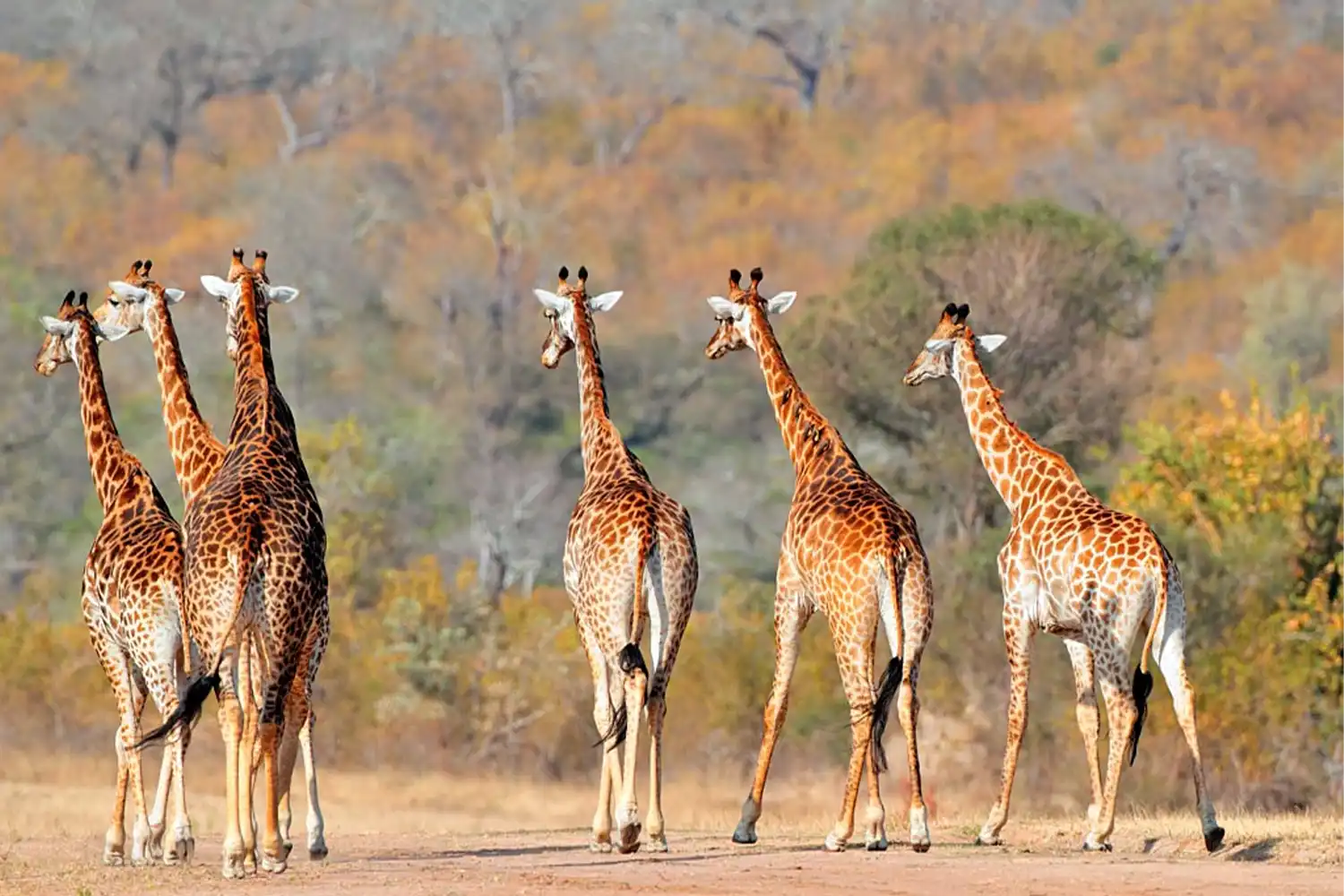
Quick Answer: Is Six Days Enough for a Tanzania Big Five Safari?
Yes, six days is enough for a serious Big Five-focused safari when the itinerary is designed around the right parks instead of trying to cover too many destinations. Tarangire strengthens the elephant and buffalo side of the trip, Serengeti gives you repeated opportunities for lion and elusive leopard, and Ngorongoro Crater is the most important stop on this route for black rhino. The key is to spend enough time in these habitats and accept that wild animals are never guaranteed.
- Duration: 6 days / 5 nights.
- Main route: Tarangire → Serengeti → Ngorongoro Crater.
- Big Five: lion, leopard, elephant, buffalo and black rhino.
- Strongest elephant focus: Tarangire National Park.
- Strongest predator focus: Serengeti National Park.
- Most important rhino stop: Ngorongoro Crater.
- Important limitation: all five cannot be guaranteed on any safari.
Why This Northern Circuit Route Works for a Big Five Safari
A Big Five safari should be designed around species distribution, not simply around the number of parks visited. That is why this route gives Tarangire one full game drive, Serengeti the largest share of safari time and Ngorongoro the final focused game drive. Each destination contributes something different to the overall Big Five objective.
If Big Five viewing is your main goal, adding Lake Manyara or Lake Eyasi can make the itinerary more diverse, but it also removes time from Serengeti or Ngorongoro. Those destinations are excellent in their own right; they are simply not as central to this specific six-day objective. For a broader route, compare our 6-day Tarangire, Serengeti, Ngorongoro, Manyara and Eyasi safari.
The Big Five: Which Animals Are You Looking For?
The term “Big Five” refers to the African lion, leopard, elephant, buffalo and rhinoceros. In a Tanzania Northern Circuit context, the rhino you are normally hoping to see is the black rhino. Today the term is mainly used for wildlife viewing and conservation-focused safari travel rather than its historical hunting origin.
For more background on each species, read our Big Five wildlife guide and our dedicated black rhinos in Tanzania guide.
| Big Five animal | Best role on this route | Main areas we target | Reality check |
|---|---|---|---|
| Lion | Strong safari target | Serengeti and Ngorongoro; also Tarangire | Often easier than leopard or rhino, but never guaranteed. |
| Leopard | Elusive predator target | Serengeti riverine woodland, kopjes and tree-lined areas | Solitary and well camouflaged; repeated game drives matter. |
| Elephant | One of the strongest route species | Tarangire, Serengeti and Ngorongoro highlands | Tarangire is especially important for elephant-focused viewing. |
| Buffalo | Strong route species | Ngorongoro, Serengeti and Tarangire | May appear singly or in herds depending on habitat and season. |
| Black rhino | Rarest Big Five target | Ngorongoro Crater; selected Serengeti areas | Rare, protected and sometimes very distant; never promise this sighting. |
Verified Wildlife and Park Data Behind This Itinerary
This itinerary is not based on invented “95%” or “100%” sighting claims. It is based on the ecological strengths of the route and publicly available data from conservation authorities. Tanzania National Parks lists Serengeti National Park at 14,763 km² and Tarangire National Park at 2,850 km². UNESCO describes Serengeti as 1.5 million hectares of savannah with extraordinary biological diversity and specifically identifies black rhinoceros and elephant among its globally threatened or endangered species.
The Ngorongoro Conservation Area Authority's currently published “Craters & Wildlife” page states that the area contains more than 25,000 large animals, including 26 black rhinoceros, and lists 62 lions and more than 4,000 buffalo. These are published wildlife figures, not a promise that every animal will be visible during your individual crater visit.
| Verified fact | Published figure | Why it matters to this safari |
|---|---|---|
| Serengeti National Park area | 14,763 km² | Shows why multiple Serengeti game drives are more useful than a rushed single visit. |
| Tarangire National Park area | 2,850 km² | Large enough for varied habitats while remaining practical for the opening safari day. |
| Ngorongoro large animals | 25,000+ | Explains the crater's importance as a concentrated wildlife stop. |
| Black rhino listed by NCAA | 26 | Supports Ngorongoro's role as the route's most important rhino opportunity. |
| Lions listed by NCAA | 62 | Shows why the crater is also valuable for predator viewing. |
| Buffalo listed by NCAA | 4,000+ | Strengthens the crater's Big Five contribution beyond rhino. |
Primary sources: TANAPA Serengeti National Park, TANAPA Tarangire National Park, UNESCO Serengeti National Park, and Ngorongoro Conservation Area Authority — Craters & Wildlife.
Which Park Gives You the Best Opportunity for Each Big Five Animal?
No Northern Circuit park should be marketed as a wildlife checklist where every species appears on demand. A better way to plan is to understand what each park contributes. Your guide then uses fresh sightings, habitat knowledge, weather and animal behavior to decide where to concentrate each game drive.
Tarangire: Elephant and Buffalo Focus
Tarangire National Park is the opening park because it adds a very different habitat from the Serengeti and gives the safari a strong elephant component from Day 1. TANAPA itself presents Tarangire as an elephant-rich destination. Buffalo, lion and other large mammals are also part of the ecosystem, while the Tarangire River becomes especially important during drier periods.
Serengeti: Lion and Leopard Time Matters
Serengeti National Park is the largest time investment in this itinerary because it offers extensive predator habitat and enough space that one short game drive is not a sensible Big Five strategy. Lions may use open plains, kopjes and woodland edges, while leopards are more elusive and often associated with tree-lined drainage areas and riverine habitat. Three days give the guide more chances to revisit productive areas rather than treating Serengeti as a drive-through destination.
Ngorongoro: The Critical Black-Rhino Day
Ngorongoro Conservation Area is essential to a six-day Big Five route because it adds the strongest black-rhino opportunity in a compact landscape while still supporting lion, buffalo, elephant and other wildlife. Even here, black rhino should be treated as a rare sighting: animals may remain far from the road or outside clear viewing range.
6-Day Big Five Safari Itinerary: Day by Day
The itinerary below prioritizes time in the three parks that matter most to the Big Five objective. It starts and ends in Arusha unless your written quotation confirms Kilimanjaro Airport, Moshi or another transfer point. Drive times remain practical planning estimates because road conditions, gate procedures, lodge location, weather and wildlife stops can change the day.
Day 1: Arusha to Tarangire National Park
Leave Arusha after breakfast and drive toward Tarangire for your first game drive. The goal is to use the river system, woodland and open habitats to begin looking for elephant and buffalo while also watching for lion and other predators. A good Day 1 does not need to produce every Big Five species; it should begin the trip in a habitat that adds value to what Serengeti and Ngorongoro will provide later.
Overnight near Tarangire, Lake Manyara or Karatu depending on the lodge level and the Day 2 route confirmed in your quotation.
Day 2: Tarangire Area to Serengeti National Park
After breakfast, continue through the Northern Circuit toward Serengeti. The route is long enough that this should be treated as a transfer plus game-drive day, not a full stationary Serengeti day. Once inside the park, the guide begins reading the local wildlife pattern—where lions have been active, which riverine areas have produced leopard sightings and where large herbivores are concentrated.
Overnight inside or near the Serengeti zone selected for your travel dates.
Day 3: Full-Day Serengeti Big Five Game Drive
Day 3 is the first full predator-focused Serengeti day. An early start improves the chance of finding animals before the heat increases and before some predators settle into cover. Your guide may work across plains, kopjes, woodland edges and river corridors depending on recent sightings. Lion is a major target, but leopard normally requires patience, repeated scanning and some luck.
Elephant and buffalo may also be encountered, while cheetah, hyena, giraffe, hippo, crocodile, zebra, wildebeest and many antelope species add depth beyond the Big Five checklist.
Day 4: Second Full Serengeti Game Drive
A second full Serengeti day is deliberate. If Day 3 already produced lion, elephant and buffalo, Day 4 can focus more strongly on habitats associated with leopard or revisit areas where fresh predator activity has been reported. If the Great Migration is in the same region during your travel dates, the guide can also balance Big Five viewing with migration activity without turning the route into a separate migration-only safari.
The extra Serengeti day is one of the biggest differences between this itinerary and a generic six-day route that tries to visit a new destination every day.
Day 5: Serengeti Game Drive to Ngorongoro Highlands
Use the morning for a final Serengeti game drive, then begin moving toward the Ngorongoro highlands. This positioning is important: it protects Day 6 for an early crater descent rather than forcing a long Serengeti transfer before the most important rhino-focused game drive.
Overnight on the crater rim, in the conservation area or around Karatu according to your accommodation category and availability.
Day 6: Ngorongoro Crater Big Five Game Drive and Return to Arusha
Descend into Ngorongoro Crater in the morning for the final major game drive. The day focuses on the crater's large-mammal concentration, with special attention to black rhino while still watching for lion, buffalo and elephant. Rhinos may appear at long distance, so binoculars are especially useful.
After the crater game drive and picnic lunch schedule, ascend and drive back to Arusha or the transfer point confirmed in your quotation. If you have a same-day flight, send the exact departure time before booking so we can check whether the connection is realistic.
Why We Do Not Guarantee the Big Five
“Big Five guaranteed” sounds attractive, but it is not a responsible wildlife promise. These are free-ranging animals in large protected ecosystems. A leopard can remain hidden in vegetation; a rhino can be far from accessible roads; lions may rest out of view; and weather can change how animals use a landscape.
What we can control is itinerary design: enough game-drive time, the right park combination, well-positioned accommodation, early starts where useful, an experienced guide and realistic expectations. That approach gives you a stronger safari than a fabricated percentage.
Big Five Safari vs. a General 6-Day Northern Circuit Safari
A general Northern Circuit safari is usually designed for variety. A Big Five safari is designed around wildlife-search efficiency. The difference is not the vehicle—it is how the six days are allocated.
| Planning choice | Big Five-focused 6 days | General Northern Circuit 6 days |
|---|---|---|
| Number of destinations | Fewer, stronger Big Five habitats | Often more parks or cultural stops |
| Serengeti time | Multiple game-drive sessions | May be reduced to fit additional destinations |
| Rhino strategy | Ngorongoro positioned as a critical final target | Ngorongoro may be one highlight among several |
| Best for | Travelers prioritizing lion, leopard, elephant, buffalo and rhino | Travelers prioritizing landscape and destination variety |
If you want more variety rather than a species-focused route, see our 6-day Tanzania safari with Serengeti or the broader Tanzania Northern Safari guide.
Best Time for a 6-Day Big Five Safari in Northern Tanzania
Big Five viewing is possible throughout the year, but the conditions change. June to October is generally drier across much of the Northern Circuit, which can concentrate animals around permanent water and reduce tall vegetation in some areas. January and February can be excellent for southern Serengeti wildlife and calving-season predator activity when the route is adjusted accordingly. Green months can produce lush landscapes and strong photography conditions, although rain may increase road times and vegetation cover.
| Period | General safari conditions | Big Five planning note |
|---|---|---|
| June–October | Drier period across much of the Northern Circuit | Water-dependent wildlife can be easier to concentrate; popular lodges book early. |
| January–February | Southern Serengeti calving period | Predator activity can be excellent; use the right Serengeti zone. |
| March–May | Greener and wetter conditions | Excellent scenery, but road speed and visibility can vary after rain. |
| November–December | Short-rain period with variable conditions | Good landscapes and active wildlife; keep the Serengeti plan flexible. |
What Tanzania’s 2025 Tourism Data Adds to the Planning Picture
Tanzania's National Bureau of Statistics reported 2,294,495 international tourist arrivals in 2025, up 7.1% from 2024. Tourism earnings reached USD 4,410.6 million, while the overall average length of stay was 9 nights for the United Republic of Tanzania. The same report lists wildlife safaris among the country's main tourism activities and names Ngorongoro, Serengeti and Tarangire among the most visited attractions.
Those national statistics do not tell you how many Big Five animals an individual traveler will see, but they do show why the Northern Circuit remains central to Tanzania's tourism product. The source is the National Bureau of Statistics Tourism Statistics page and 2025 International Visitors' Exit Survey.
Private or Group Joining for a Big Five Safari?
A private safari is usually the stronger format when the Big Five is a priority because the vehicle can spend longer at a useful sighting, revisit a predator area and adjust departure times around your party. A group-joining safari can reduce the per-person cost, but route and timing decisions must work for everyone in the vehicle.
| Feature | Private safari | Group joining |
|---|---|---|
| Vehicle use | Your booked party only | Shared with other travelers |
| Time at sightings | More flexible within park rules | Group preference and schedule matter |
| Leopard-search flexibility | Better for revisiting productive areas | Usually follows a shared route |
| Per-person cost | Higher for small parties | Can be lower through shared vehicle costs |
Compare our 6-day Tanzania private safari with the 6-day Serengeti group-joining safari before choosing the format.
What’s Included in the 6-Day Big Five Safari Package
We arrange the core safari services needed to operate the route. Because lodge names, park charges and transfer details can vary by travel date, your written quotation is the final reference for confirmed inclusions.
- Safari vehicle: 4x4 transport for the confirmed route.
- Professional driver-guide: wildlife interpretation, route planning and game drives.
- Five nights of accommodation: at the category and properties stated in your quotation.
- Meals: meals listed in the confirmed day-by-day itinerary.
- Drinking water: provided during game-drive days as stated in the package.
- Game drives: Tarangire, Serengeti and Ngorongoro wildlife drives.
- Park and conservation charges: official fees specifically listed in your quotation.
- Arusha transfers: as stated in the confirmed package.
What’s Not Included
- International flights to and from Tanzania.
- Tanzania visa and entry-document costs.
- Travel and medical insurance unless explicitly quoted.
- Tips and gratuities.
- Personal purchases, laundry and specialty drinks.
- Optional hot-air balloon safari or other activities not listed in the package.
- Pre-safari and post-safari hotel nights unless stated in the quotation.
- Domestic flights unless specifically included.
How Much Does a 6-Day Big Five Safari in Tanzania Cost?
There is no single reliable price for every six-day Big Five departure. The same route can cost very differently depending on travel month, number of people sharing the vehicle, lodge category, Serengeti camp location and current park or conservation charges. We therefore confirm the current per-person price from your exact dates rather than publish an unverified universal figure.
| Price factor | How it changes the safari cost |
|---|---|
| Group size | Vehicle and guide costs are divided across the travelers sharing the booking. |
| Accommodation category | Camping, mid-range tented camps, lodges and premium properties use different rates. |
| Travel season | Peak months can raise accommodation costs and reduce availability. |
| Serengeti camp location | Central, northern or southern positioning changes logistics and supplier pricing. |
| Private vs. group joining | Private vehicle costs are carried by your party; group trips share some transport costs. |
| Optional activities | Balloon flights, cultural visits and premium transfers add to the base package. |
Where You Stay Can Affect Big Five Viewing
Accommodation should support the wildlife plan, not fight against it. A cheaper lodge that adds hours of daily road time can reduce early-morning game-drive opportunities. In Serengeti, staying reasonably close to the intended game-drive zone is especially important when leopard and predator viewing are priorities.
In Ngorongoro, crater-rim or nearby highland accommodation can help you reach the descent road earlier, while Karatu can offer a wider range of lodge categories. The right choice depends on budget, availability and how much early-start flexibility you value.
What to Pack for a Big Five Safari
- Binoculars: especially useful for distant black-rhino sightings and scanning tree lines for leopard.
- Camera and spare batteries: long game-drive days can use more power than expected.
- Neutral layered clothing: cool mornings can become warm afternoons.
- Sun protection: hat, sunglasses and sunscreen.
- Closed comfortable shoes: practical for camp and travel days.
- Personal medication: keep essential medication in your day bag.
- Soft-sided luggage: useful when vehicle or domestic-flight restrictions apply.
Responsible Big Five Viewing
Seeing an animal is never more important than protecting its behavior and habitat. Your guide must follow park rules, keep an appropriate distance, avoid blocking wildlife routes and respect ranger instructions. This is particularly important around predators, elephants and rare species such as black rhino.
Responsible viewing also produces better photographs and more natural behavior. Patience is often more useful than trying to force the vehicle into the closest possible position.
Frequently Asked Questions About the 6-Day Tanzania Big Five Safari
Can you see all of the Big Five on a 6-day Tanzania safari?
It is possible to see lion, leopard, elephant, buffalo and black rhino within six days on Tanzania's Northern Circuit, but no responsible operator can guarantee all five. Lion, elephant and buffalo are generally easier to encounter on this route; leopard is elusive, while black rhino is rare and is mainly targeted during the Ngorongoro Crater game drive.
Which Tanzania parks are best for a 6-day Big Five safari?
For a six-day Big Five-focused Northern Circuit safari, Tarangire, Serengeti and Ngorongoro work particularly well together. Tarangire is strong for elephants and buffalo, Serengeti adds excellent predator habitat including lion and leopard, and Ngorongoro gives the route its most important black-rhino opportunity.
Why does this itinerary spend more time in Serengeti?
Serengeti is large and wildlife is widely distributed. More than one game-drive session improves the itinerary because leopard, lion and other predators may be active in different habitats and at different times. Extra Serengeti time is usually more useful for a Big Five objective than rushing through many parks.
Is the black rhino guaranteed in Ngorongoro Crater?
No. Ngorongoro is one of the most important places on this route for a possible black-rhino sighting, but rhinos are rare and may be distant, hidden or outside the area you can see during your visit. The itinerary improves opportunity; it does not guarantee a sighting.
What is included in a 6-day Big Five safari package?
The package normally includes the confirmed safari vehicle, professional driver-guide, five nights of accommodation, meals listed in the itinerary, drinking water during game drives, scheduled wildlife drives and official park or conservation charges stated in your written quotation.
How much does a 6-day Big Five safari in Tanzania cost?
The current price depends on travel season, number of travelers, private or shared vehicle, accommodation category, Serengeti camp location and current park or conservation charges. Jaynevy Tours confirms the exact per-person price and inclusions in a written quotation for your dates.
Plan Your 6-Day Big Five Safari in Tanzania
Send us your travel dates, number of travelers, preferred safari style and accommodation level. We will build the quotation around Tarangire, Serengeti and Ngorongoro, check the current lodge availability and confirm the exact route, inclusions and price in writing. If black rhino is your highest priority, also read our where to see rhinos in Tanzania guide before choosing the final itinerary.
For direct assistance, use the booking form on this page or visit our Jaynevy Tours contact page.