
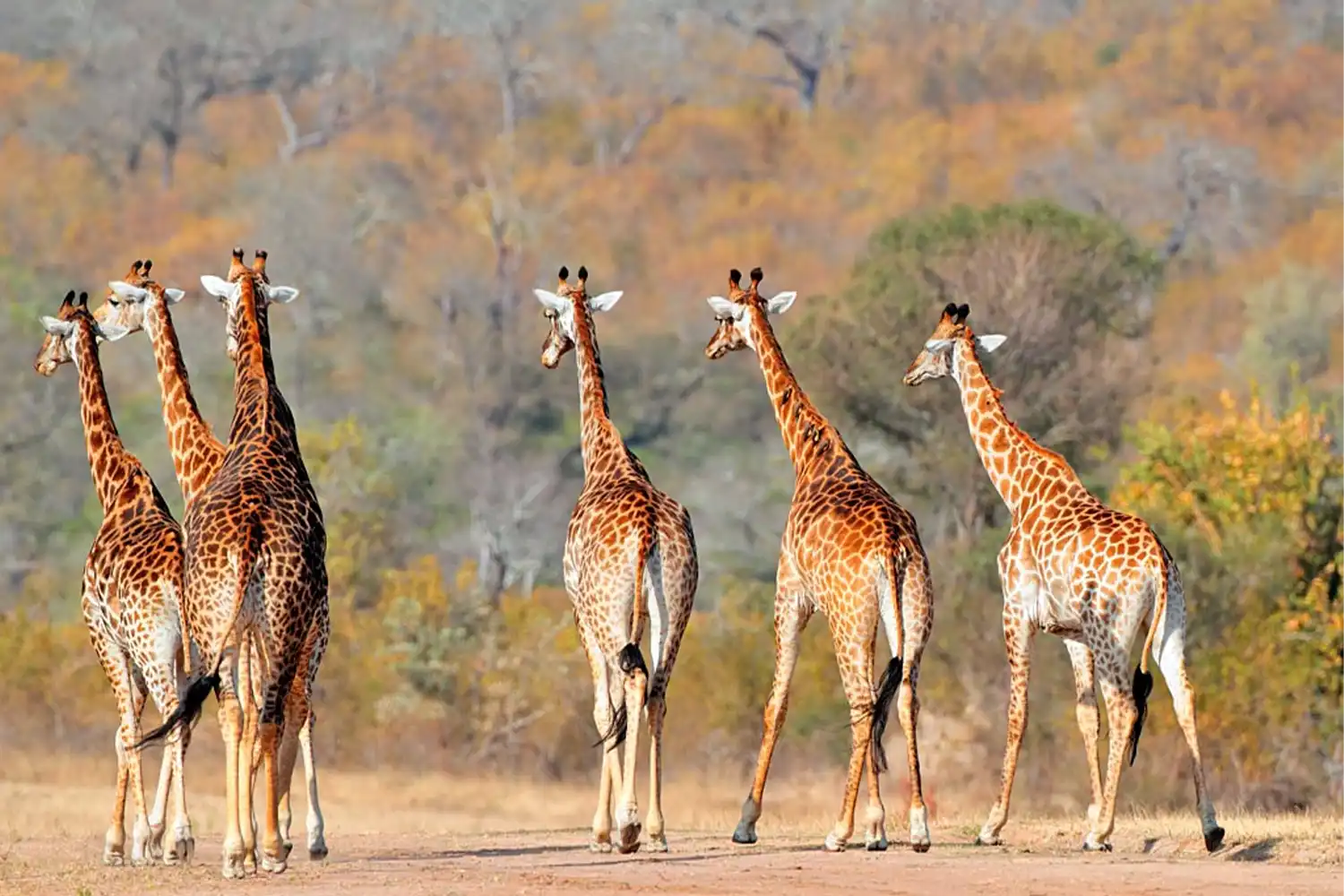
Quick Answer: Is 6 Days Enough for a Family Safari in Tanzania?
Yes. Six days is enough for a rewarding family safari when the itinerary is built around the children’s pace, not only the number of parks. A practical Northern Circuit plan can combine Tarangire, Lake Manyara, Serengeti and Ngorongoro, but families with toddlers or children who struggle with long road days may get more value from dropping one park and adding a second night in the same lodge. A private vehicle is normally the most flexible option because toilet stops, snack breaks, early lunches and afternoon rest can be adjusted without affecting unrelated travellers.
- Duration: 6 days / 5 nights.
- Classic family route: Tarangire → Lake Manyara → Serengeti → Ngorongoro Crater.
- Best transport: private 4x4 for family-controlled timing and stops.
- Best accommodation: confirmed family rooms, triples or interconnecting rooms with private bathrooms.
- Best for: school-age children, teenagers and multi-generational families; younger children need a slower version.
- Important rule: never assume a lodge accepts a specific child age or room occupancy—confirm it before payment.
6-Day Family Safari at a Glance
The family-friendly version of a Northern Circuit safari keeps each destination purposeful. Tarangire gives children an early chance to see elephants and large mammals, Lake Manyara adds a shorter and more varied park day, Serengeti gets the most wildlife time, and Ngorongoro Crater closes the safari with a compact but intense game-drive environment before the return to Arusha.
| Day | Route | Family value | Suggested overnight |
|---|---|---|---|
| 1 | Arusha → Tarangire | High-interest wildlife early in the trip; regular picnic/toilet breaks | Tarangire / Manyara / Karatu area |
| 2 | Lake Manyara | Compact park, forest, lake scenery and a shorter driving rhythm | Karatu |
| 3 | Karatu → Serengeti | Longest road day; use stops and wildlife viewing to break the journey | Serengeti |
| 4 | Serengeti | Flexible morning + afternoon drives or a full day for older children | Serengeti |
| 5 | Serengeti → Ngorongoro | Morning wildlife then measured transfer; arrive before children are overtired | Karatu / Ngorongoro highlands |
| 6 | Ngorongoro Crater → Arusha | Final major wildlife drive; avoid a tight international-flight connection | Safari ends |
Classic Four-Park Route or Slower Three-Park Route?
Families should choose the route by child age, attention span and tolerance for road time—not by how many famous park names fit into six days. The four-park itinerary gives maximum habitat variety. A three-park itinerary usually removes Lake Manyara and gives the saved time to Serengeti or a two-night lodge stay, which can be better for young children.
| Route style | Advantages | Trade-off | Best fit |
|---|---|---|---|
| Four parks: Tarangire, Manyara, Serengeti, Ngorongoro | More landscapes and wildlife variety | More hotel changes and a busier schedule | School-age children and teenagers who enjoy active days |
| Three parks: Tarangire, Serengeti, Ngorongoro | More Serengeti time and fewer transitions | Misses Manyara forest/lake habitat | Families prioritising wildlife depth and less packing |
| Slow family version: Tarangire, Manyara, Ngorongoro | Shortest road distances and easiest lodge rhythm | No Serengeti | Toddlers, preschool children or families with very limited tolerance for long drives |
Families who want the classic private circuit can compare the 6-day Tanzania private safari. For broader planning by child age, read the family safari in Tanzania with kids guide.
Why a Private Safari Usually Works Better With Children
Private safari is normally the easiest format for families because the vehicle schedule belongs to your party. Children may need a toilet break ten minutes after leaving the lodge, a shorter game drive after a poor night’s sleep, an early lunch, motion-sickness recovery time or an afternoon at the pool. On a joining safari, other guests may reasonably want the full itinerary they paid for.
- Leave later after breakfast if a child needs more sleep.
- Stop for toilets, snacks or stretching without negotiating with strangers.
- Return to the lodge early when children are tired.
- Keep camera equipment, booster seats and family bags in one vehicle.
- Adjust meal timing around the children rather than a fixed group schedule.
- Choose the exact lodge and room configuration rather than accepting one group block.
Private travel does not automatically mean luxury. It can use budget, mid-range or premium accommodation. The key family benefit is control. If you are comparing formats, see the wider Tanzania safari cost guide before deciding that the lowest seat price is the best family value.
Realistic Driving Time: The Part Families Should Plan First
A family safari is easier when parents understand the road days before choosing lodges. The ranges below are operational planning estimates, not guaranteed transfer times. Gate procedures, road conditions, wildlife stops, traffic and the exact lodge location can make the day shorter or longer.
| Road section | Typical planning range | Family planning note |
|---|---|---|
| Arusha → Tarangire gate | About 2–3 hours | Good first safari day after an Arusha pre-night; stop before entering if needed |
| Tarangire / Manyara area → Karatu | About 1–2 hours | Short transfer; useful for an earlier lodge arrival |
| Karatu → Central Serengeti | About 4–6 hours or more with wildlife stops | Longest route day; breakfast, toilets, snacks and viewing stops matter |
| Central Serengeti → Ngorongoro highlands | About 3.5–5.5 hours plus stops | Do useful morning viewing, but do not leave so late that children arrive exhausted |
| Ngorongoro area → Arusha | About 3.5–4.5 hours after crater activities | Avoid booking a tight international flight on the same evening |
Detailed 6-Day Family-Friendly Tanzania Safari Itinerary
This itinerary uses the classic four-park route but changes how the days are handled. The goal is not to keep children inside a vehicle from dawn to dusk. The guide should read the family’s energy level, use meaningful breaks and protect the strongest wildlife periods while allowing the schedule to breathe.
Day 1: Arusha to Tarangire National Park
Start with a park that can deliver an immediate sense of safari. After breakfast in Arusha, drive to Tarangire and enter for a game drive among baobabs, river habitat and open savanna. TANAPA lists the park at about 2,850 km² and promotes it as one of Tanzania’s major elephant landscapes. For children, elephants, giraffes, zebra, wildebeest and monkeys are often easier to appreciate than spending the first day chasing one elusive predator.
Keep lunch flexible. A picnic can break the day into two shorter sections, and the guide can use safe stops for toilets and stretching. Finish at a lodge in the Tarangire, Manyara or Karatu area. For families, a pool, early dinner option and confirmed family room can add more value than an extra hour of late-afternoon driving.
Day 2: Lake Manyara National Park and Karatu
Use Lake Manyara as the lighter wildlife day. TANAPA gives the park’s area as 648.7 km² and describes a mix of groundwater forest, acacia woodland, wetland, soda-lake habitat and Rift Valley scenery. The current TANAPA page also highlights more than 390 bird species. That habitat variety makes Manyara useful for children who enjoy spotting monkeys, birds, hippos and changing landscapes rather than remaining on open plains all day.
Return to Karatu early enough for rest. Depending on the lodge, families can use the afternoon for a pool, garden time or an optional short cultural activity rather than another long drive. This is one of the easiest places in the itinerary to protect children from safari fatigue.
Day 3: Karatu to Serengeti via the Ngorongoro Highlands
This is the longest road day, so make the journey part of the experience. Cross the Ngorongoro highlands and continue toward the Serengeti. Scenic viewpoints, gate formalities, lunch and wildlife sightings naturally break the trip into sections. Parents should keep water, simple snacks, wipes, a small day bag and any motion-sickness plan accessible inside the vehicle rather than buried in luggage.
UNESCO lists Serengeti National Park at 1,476,300 hectares. Its scale explains why lodge location matters: choosing a camp in the zone that suits the season can reduce unnecessary driving once you arrive. For family-specific accommodation ideas, compare the family-friendly Serengeti stays guide.
Day 4: Serengeti Game Drives at the Family’s Pace
Day 4 should be the most flexible day of the safari. Older children and wildlife-obsessed teenagers may enjoy a full-day drive with picnic lunch. Younger children often do better with an early game drive, a lodge break during the hottest hours and another late-afternoon drive when the camp location makes that practical.
Serengeti is not only about the Great Migration. UNESCO records more than 500 bird species and describes an ecosystem supporting one of the world’s great predator–prey systems. Lions, elephants, buffalo, giraffes, zebra, wildebeest, hyenas and many antelope species may be encountered, while leopard, cheetah and other sightings depend on location and luck. If the migration is a family priority, use the family-friendly Serengeti Great Migration guide rather than assuming the herds remain in one place year-round.
Day 5: Serengeti Morning Drive to Ngorongoro Highlands
Use the morning for useful Serengeti viewing, then leave early enough to reach the next lodge before the family is exhausted. This day is often where poorly designed itineraries become tiring: travellers stay too long in the Serengeti, then face a late arrival near Ngorongoro. With children, arriving before dark for showers, dinner and sleep is usually worth more than squeezing in one last distant sighting.
Choose the overnight carefully. A crater-rim property can reduce morning positioning time but may cost more and feel colder. Karatu generally offers more accommodation choice and can be easier for family rooms. Confirm heating, extra beds, hot-water arrangements and meal times rather than assuming every “family-friendly” property operates the same way.
Day 6: Ngorongoro Crater Game Drive and Return to Arusha
Descend early, make the crater the final wildlife highlight, then return to Arusha with a realistic buffer. UNESCO lists the wider Ngorongoro Conservation Area at 809,440 hectares and describes about 25,000 large animals in the property. The crater is only one part of that landscape, but its compact floor gives families a different viewing experience after the huge Serengeti plains.
Rhino, lion, buffalo, zebra, wildebeest, gazelles, hippos and hyenas are among the animals visitors hope to see, but nothing should be guaranteed. After lunch and the crater drive, ascend and continue toward Arusha. If the family has an international flight that evening, build a generous margin; traffic, wildlife stops and gate procedures can shift arrival time.
Family Safari Planning by Children’s Age
Age changes the right itinerary more than many parents expect. The table below is practical planning guidance, not a park rule. Individual children vary widely, and lodge or activity providers may impose their own minimum ages.
| Age group | Best safari rhythm | Main planning priorities |
|---|---|---|
| Under 5 | Shorter drives, more lodge time, fewer hotel changes | Private vehicle, car-seat discussion, family room, naps, early meals |
| 5–11 | Morning and afternoon drives with interactive wildlife spotting | Binoculars, wildlife checklist, snacks, pool/rest time, simple explanations |
| 12–17 | Longer drives possible if genuinely interested | Photography, migration planning, cultural context, occasional choice over the day |
| Multi-generational family | Flexible private schedule | Vehicle access, room proximity, dietary needs, mobility and rest planning |
Child Park Fees: What Parents Should Know
Children do not always pay the same protected-area entry fee as adults, so their ages must be supplied before an accurate quote can be prepared. TANAPA’s current online tariff page states that children under 5 enter national parks free of charge and that child rates apply from ages 5–15. The same page currently displays non-resident adult park-entry figures of USD 70.80 for Serengeti and USD 53.10 for Tarangire and Lake Manyara.
Those figures are only park-entry components, not the full safari price. The TANAPA page is labelled Financial Year 2023/2024, so the final invoice should use the tariff valid for your actual travel dates. Ngorongoro has separate authority charges and vehicle/crater-related fees. Lodge child policies, extra beds and room occupancy can affect the family total as much as park fees.
How Much Can a 6-Day Family Safari Cost?
Family pricing depends on the number and ages of children, room configuration, season and whether the vehicle is private. A current Jaynevy private four-park mid-range reference starts from USD 1,850 per person sharing when 4–6 travellers travel together. That is an adult/package reference, not a universal family rate. A family quote can be lower for eligible child park rates but higher if the lodge requires two rooms, a family suite, extra beds or peak-season supplements.
| Price factor | Why it matters for families |
|---|---|
| Children’s ages | Park fee categories and lodge child policies can change at specific ages. |
| Room configuration | One family room can price very differently from two interconnecting rooms. |
| Private vehicle | Higher fixed cost, but often better value for a family that already fills several seats. |
| Season | School holidays can overlap high-demand safari periods, reducing room availability. |
| Serengeti location | A well-positioned camp may cost more but reduce long daily drives with children. |
| Child seat / special equipment | Availability must be requested and confirmed; do not assume it is included automatically. |
Use the Tanzania safari cost guide for broader price context and ask for an itemised family quotation showing adult/child rates, room basis, vehicle type and all park or conservation charges.
Choosing Family-Friendly Lodges: A Checklist That Matters
A lodge is family-friendly only when its actual room, meal and safety setup fits your children. A marketing label is not enough. Ask for exact room capacity and the walking distance between rooms, dining and reception before booking.
- Room capacity: confirm whether four people can legally and comfortably occupy one unit.
- Interconnecting rooms: useful for older children when a single family room is unavailable.
- Private bathroom: confirm one bathroom is enough for the family or request two rooms.
- Meal times: ask whether early children’s dinner is possible.
- Dietary needs: allergies and restrictions should be sent in writing before arrival.
- Pool: helpful on rest afternoons, but parents must supervise continuously.
- Wildlife around camp: some unfenced properties require escorts after dark; children must follow camp instructions.
- Power and charging: useful for medical devices, cameras and phones; some bush camps use limited solar or generator hours.
- Laundry: valuable for families packing light, but turnaround time and charges vary.
For Serengeti-specific options, use the family-friendly Serengeti accommodation guide. For a wider family holiday beyond safari, see Tanzania destinations for a family vacation.
Health and Safety Planning for a Tanzania Safari With Kids
Parents should handle travel health before the itinerary is finalised. This section is general planning information, not personal medical advice. The CDC’s Tanzania traveller guidance, reviewed in February 2026, recommends seeing a healthcare professional at least a month before travel and notes malaria transmission in areas below 1,800 metres. The correct prevention medicine for a child depends on age, weight and medical history, so it must be discussed with a clinician.
- Confirm routine vaccines are current; CDC specifically highlights measles and polio considerations for international travel.
- Discuss malaria prevention and age-appropriate insect repellent with a healthcare professional.
- Carry prescribed medicines in the day bag, not only in checked or roof luggage.
- Use hats, sun protection and regular water breaks during game drives.
- Keep children inside the vehicle unless the guide confirms a safe, permitted place to exit.
- Never feed, touch or approach wild animals, including monkeys around lodges.
- Choose travel insurance that covers medical treatment and emergency evacuation for every family member.
What to Pack for a Family Safari
Pack for comfort inside the vehicle, changing temperatures and small problems that can become big problems with children. Keep one easily accessible family day bag rather than putting everything in the main luggage.
| Category | Useful family items |
|---|---|
| Clothing | Light neutral layers, warm fleece for early mornings, closed shoes, hats |
| Sun / insects | Sunscreen, age-appropriate insect repellent, long evening layers |
| Game drives | Child-friendly binoculars, wildlife notebook, pencils, camera, reusable water bottles |
| Comfort | Small neck pillow, wipes, tissues, motion-sickness bags, favourite quiet toy |
| Health | Prescription medicines, basic first-aid items advised by your clinician, allergy information |
| Electronics | Power bank, charging cables, offline entertainment for long transfer sections |
Best Time for a Tanzania Family Safari
The best family month depends on school dates, budget, wildlife priorities and how comfortable the children are with dust, rain and crowds. June to October is generally drier and popular for classic game viewing. January to March can offer green landscapes and important southern Serengeti wildlife movement. April and May are wetter and can bring lower demand in some properties, but road conditions and lodge closures need checking. November and December often bring short rains and green scenery.
The Great Migration does not follow an exact appointment calendar; rainfall and grazing influence herd movement. If the migration is essential, choose the Serengeti region by season instead of promising one fixed location. Use the best time for a Tanzania safari guide before selecting school-holiday dates.
What Should Be Included in the Family Safari Quote?
A family quotation should remove ambiguity before a deposit is paid. Ask the operator to list the following in writing:
- Private or shared 4x4 vehicle and maximum passenger count.
- Professional driver-guide and requested language.
- Exact lodge/camp names and five-night room configuration.
- Which children share with parents and which require separate beds/rooms.
- Meal plan and any confirmed dietary arrangements.
- Park, conservation and crater-related charges included in the quote.
- Drinking water during safari days.
- Child seat or booster availability if requested.
- Arusha/JRO pickup and drop-off arrangements.
- Taxes, supplements and optional activities listed separately.
International flights, visas, travel insurance, tips, alcoholic drinks, personal purchases and optional activities should be clearly shown as included or excluded. Do not rely on a verbal assumption for a child seat, triple room or interconnecting rooms.
Activities That Need Extra Age Checks
Do not assume every safari activity is available to every child. Standard vehicle game drives are the core activity, but walking safaris, balloon flights, night drives and some lodge programs may have provider-specific minimum ages, height rules or parental-consent requirements. These limits can also change by location and operator.
The safe approach is simple: send each child’s age before booking and ask for written confirmation of every optional activity. A six-day family safari does not need extra activities to be successful; wildlife drives, picnic lunches, lodge time and a few well-chosen interactive experiences are often enough.
Common Family Safari Mistakes to Avoid
- Counting the international arrival day as Day 1. Tired children start the safari behind schedule.
- Choosing four parks because the brochure looks stronger. More parks can mean more packing and road time.
- Booking shared safari purely for price. The schedule may not flex around children.
- Assuming “family room” means the same thing everywhere. Room occupancy and bed layouts vary.
- Booking a tight flight after Ngorongoro on Day 6. Road and gate delays can create unnecessary stress.
- Putting essential medicines in inaccessible luggage. Keep them in the day bag.
- Trying to guarantee specific animals. Wildlife is wild; build the itinerary around habitats, not promises.
- Overloading Day 4 in Serengeti. A lodge break can make the second half of the safari much better for younger children.
Verified Data Behind This Family Route
The numerical facts below come from official protected-area sources and help explain why route design matters. They should not be interpreted as sighting guarantees or as a reason to chase a species checklist.
Research, Accuracy and Freshness Notes
Last reviewed: 12 August 2026. Park-area figures and visitor information were checked against Tanzania National Parks (TANAPA) and UNESCO World Heritage Centre. General family travel-health planning was checked against the CDC Tanzania traveller page reviewed in February 2026. Internal links were selected from Jaynevy Tours’ English sitemap. Driving times are operational planning ranges rather than guarantees.
- TANAPA — Tarangire National Park
- TANAPA — Lake Manyara National Park
- TANAPA — Park tariffs and child age categories
- UNESCO — Serengeti National Park
- UNESCO — Ngorongoro Conservation Area
- CDC — Tanzania traveller health guidance
Frequently Asked Questions About a 6-Day Tanzania Family Safari
What age is best for a Tanzania family safari?
There is no single best age. School-age children often adapt well to wildlife drives because they can engage with animal spotting and tolerate longer road sections. Toddlers and preschool children can still travel, but they usually need shorter drives, more lodge time and fewer hotel changes. Activity-specific minimum ages must be confirmed separately.
Is a private vehicle worth it for a family?
Usually, yes. A private vehicle gives the family control over toilet stops, lunch timing, rest breaks and how long to remain at sightings. It is especially useful with younger children, dietary needs, large camera equipment or multi-generational groups.
Can children see the Great Migration in six days?
Yes, if the itinerary uses the Serengeti zone that best matches the travel month and current herd movement. The migration is natural and rainfall-driven, so no operator should guarantee an exact herd location far in advance.
Do children pay full national park fees?
Not always. TANAPA’s current online tariff page states that children under 5 enter national parks free and child rates apply to ages 5–15. Exact fees must be reconfirmed for the travel dates, and Ngorongoro uses separate authority tariffs.
Can a family do full-day Serengeti game drives?
Yes, especially with older children who are interested in wildlife. Younger children often do better with split morning and afternoon drives when the lodge location allows it. The itinerary should respond to the family, not force every child into the same schedule.
Should we book a flight on the evening of Day 6?
A late flight can work, but a tight connection is risky after a Ngorongoro Crater day because road traffic, gate procedures and wildlife stops can affect the return time. A post-safari Arusha night is the lower-stress choice when the international departure is important.
Plan Your 6-Day Family-Friendly Tanzania Safari
Send the travel dates, number of adults, each child’s exact age, preferred room arrangement, arrival and departure flights, accommodation level, dietary needs and whether the family prefers the classic four-park route or a slower three-park version. Jaynevy Tours can then build the six days around real family logistics instead of forcing one fixed itinerary onto every household.