
What You Need to Know: A Tanzania safari works for children of almost any age if you match the route to them. With toddlers, keep drives under about three hours and stay two nights in each lodge; children from about 6 can manage a long day to the Serengeti; teenagers enjoy the full northern circuit and the migration. A private vehicle lets you stop and rest whenever you need. Children can join our safaris from 1 year old; those aged 5 and under travel free and children from 6 to 15 get 70% off, plus an 8% family discount. Our ready-made family trips are on the family safaris page.
Planning a Tanzania Safari with Kids by Age
Age matters less than temperament, but it is the best place to start. These are the patterns we see when we plan family trips.
Safari with Babies and Toddlers (1 to 4)
Very young children are welcome on our private safaris and travel free up to and including age 5. What makes it work is short driving: the parks closest to Arusha, Tarangire (about 2 hours away), Lake Manyara and the Ngorongoro Crater, with both nights in one lodge, as on our 3-day safari. Plan one game drive in the morning and one in the late afternoon, with a nap at the lodge in between. Arusha National Park, 45 minutes from town, is an easy half day. Leave the Serengeti for a later trip, or fly in and out.
Safari with Young Children (5 to 8)
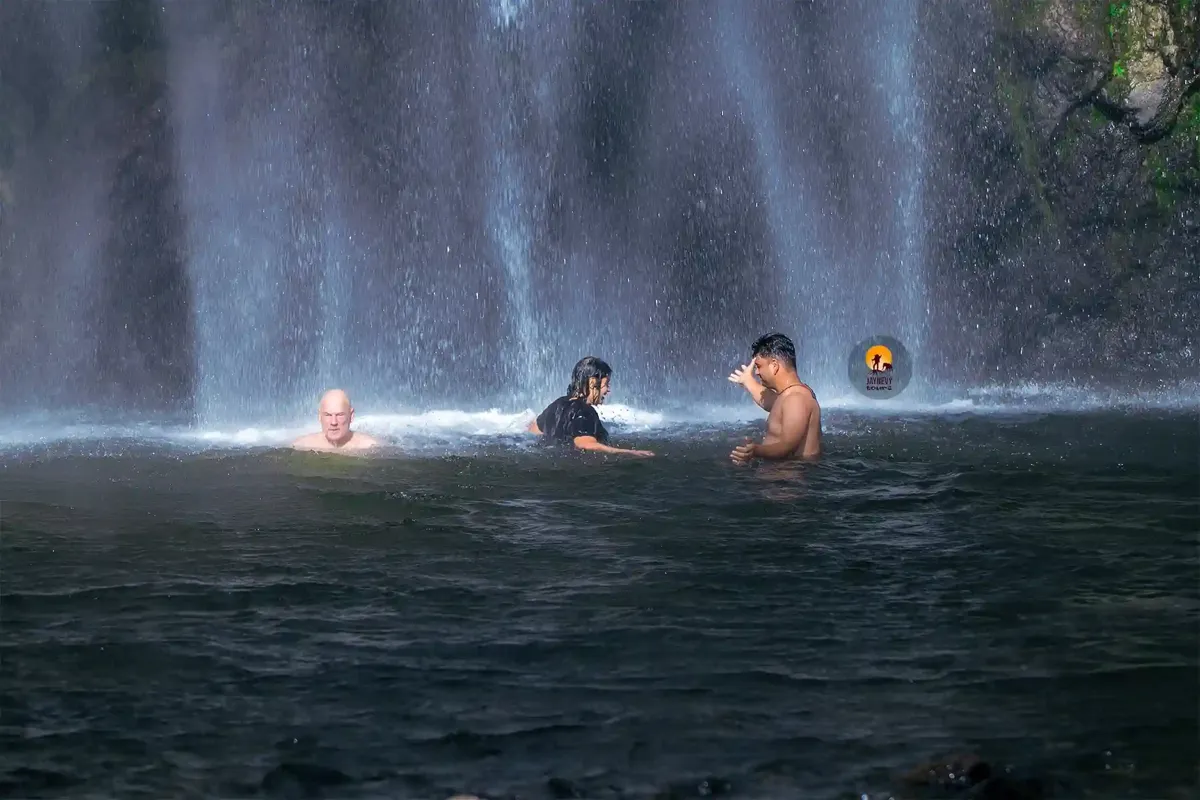
From about five, children can spot animals themselves and keep a checklist, which makes the long hours fun. A 4- or 5-day safari with two nights in the Serengeti is realistic, as long as the long day there has plenty of stops. Give each child their own binoculars, and add something that isn't a game drive: a Maasai village visit, or a swim below the Materuni waterfall.
Safari with Older Children (9 to 12)
This is the easiest age for a big safari. Children of nine and older usually manage the full northern circuit, the migration in the north or the calving season at Ndutu, and they start asking the guide real questions. In Uganda, chimpanzee tracking is open from 12.
Safari with Teenagers (13 to 17)
Teenagers can do almost everything adults do: long game drives, photography, a sunrise balloon flight where the operator's age rules allow, and walking safaris with a ranger where the park permits. From 10 they can climb Kilimanjaro, and from 15 they can trek gorillas in Rwanda or Uganda. Children of 16 and older pay the adult price on our trips.
| Ages | What works | Example trip |
|---|---|---|
| 1–4 | Short drives, one lodge, naps, Arusha National Park | 3-day Tarangire, Manyara and crater |
| 5–8 | Two Serengeti nights, checklists, a village or waterfall | 5-day northern safari |
| 9–12 | The migration or the calving season, longer trips | 10-day family calving safari |
| 13–17 | The Mara River, balloon flights, Kilimanjaro from 10 | 8-day family migration safari |
Drive Times: the Key to a Happy Family Safari
Most family safaris in northern Tanzania start in Arusha, and the long drives are what tire children most. These are typical times, including stops and game viewing on the way:
| Drive | About |
|---|---|
| Arusha to Arusha National Park | 45 minutes |
| Arusha to Tarangire | 2 hours |
| Ngorongoro Crater to Arusha | 4 to 5 hours |
| Karatu to the central Serengeti | 7 hours |
| Central Serengeti to Kogatende, in the north | 5 to 7 hours |
Three habits make the long days easier: stay at least two nights in each place, put a short or free day after a long one, and fly one way if the budget allows, for example from the Serengeti straight to Zanzibar, as on our 9-day family safari and Zanzibar holiday. For a safari with no flights at all from Zanzibar, see our Zanzibar and Mikumi family holiday, where the ferry and train are part of the adventure.
What a Tanzania Safari Day Looks Like with Kids
A safari day follows the animals: busy early and late, quiet in the midday heat. That rhythm suits young children well, and it changes as they grow. A typical day for each age:
| Time | With young children | With teenagers |
|---|---|---|
| 6:30 am | An early drive while it is cool and the animals are active | A dawn drive, or a balloon flight in the Serengeti |
| 9:30 am | Back to the lodge for breakfast | Back for breakfast, or stay out longer with a picnic later |
| Midday | Pool, lunch and a nap | A picnic at a viewpoint or a hippo pool |
| 3:30 pm | A shorter afternoon drive | The afternoon drive, when the cats start to move |
| 7:00 pm | Early dinner and bed | Dinner and stories from the guide |
Because the vehicle is yours alone, every part of this changes with your children's mood: a shorter drive, a longer lunch, or an extra hour with the elephants. Our driver-guides, who trained at the College of African Wildlife Management in Mweka, are used to keeping children busy with animal tracks, games and plenty of answers.
Health and Safety Tips for Kids on a Tanzania Safari
Most of keeping children well on safari comes down to preparation at home and a few simple rules in the parks:
- Doctor's visit: see your doctor or a travel clinic well before the trip about malaria tablets and vaccinations suitable for each child's age. A yellow fever certificate is only needed if you arrive from, or transit through, a yellow fever country such as Kenya. Our vaccinations and travel health page has the details.
- Mosquitoes and sun: long sleeves and repellent at dusk, hats and sunscreen by day; the sun is strong close to the equator, even when it feels cool.
- Water and food: drink bottled or filtered water; the vehicle carries drinking water all day, and we pass any diet or allergy on to the lodges.
- In the parks: children stay inside the vehicle on game drives, and in camps inside the parks, which usually have no fences, an adult or a staff member walks with them after dark.
- Emergencies: every safari has evacuation cover with AMREF Flying Doctors. Read our safari safety tips too.
What to Pack for Kids on a Tanzania Safari
Pack light but for every temperature: a safari day can start cold and end hot. Our list for children:
- Layers: mornings and evenings are cool, especially on the Ngorongoro crater rim, and the middle of the day is hot
- Neutral-colored clothes, a fleece, a sun hat and comfortable closed shoes
- A pair of binoculars for each child, and an animal checklist or notebook
- Snacks, refillable water bottles, wet wipes and a small first-aid kit with children's medicines
- Books, games or a tablet with downloads for the long drives; the vehicle has charging points
- Soft bags rather than hard cases if any part of the trip is by light aircraft
Our full safari packing checklist covers the adults too.
Passports, Visas and Insurance for a Family Trip to Tanzania
Every child needs a passport valid for at least six months, and US citizens need a Tanzania visa, US$100 per person; our visa service can help. Tanzania's mandatory inbound travel insurance costs US$44 per adult and covers the mainland and Zanzibar; we help you buy it. We also recommend your own travel insurance with medical cover for every member of the family.
Choosing Safari Lodges That Suit Children
We book family-friendly lodges and ask for family rooms, connecting rooms or tents side by side. Lodges outside the parks, in Karatu or Mto wa Mbu, often have gardens and swimming pools that children love after a game drive; camps inside the parks put you closer to the animals but rarely have pools. A few luxury camps set minimum ages, and some offer babysitting, so we check each lodge's child policy against your children's ages and tell you in the quotation.
What Kids Pay on Our Tanzania Safaris
Children aged 5 and under travel free, children from 6 to 15 get 70% off the adult price, and every family booking gets an 8% family discount on top. Park fees are already lower for children, and your quotation shows every child's price separately. There is a worked example on our family safaris page.
Family Safaris with Kids Ready to Book
If you would rather start from a tested itinerary than plan from scratch, these family trips already follow the advice in this guide:
- 10-day family calving season safari: gentle pace, three nights at Ndutu, January to March
- 8-day family migration safari: the Mara River in the summer vacation, for children from about 6
- 9-day family safari and Zanzibar: the northern parks, then a flight to the beach
- 9-day Zanzibar and Mikumi family holiday: beach first, then a safari by ferry and train
Common Questions About a Tanzania Safari with Kids
What is the best age for a safari in Tanzania?
From about six, children get the most out of a full safari, but younger children enjoy short trips close to Arusha. There is no minimum age for game drives on our private safaris; children can join from 1 year old.
Are game drives too long for young children?
They can be. On a private safari we shorten drives, take breaks and return to the lodge at midday whenever the children need it.
Is it safe to take children on safari?
Yes, with simple rules: children stay in the vehicle in the parks and are accompanied after dark in unfenced camps. Every trip has AMREF Flying Doctors evacuation cover.
Do children need malaria tablets?
Ask your doctor, who will advise for each child's age and the areas you visit. Repellent and long sleeves at dusk help too.
Can children go on balloon flights and walks?
Balloon operators and parks set their own minimum ages, usually higher than for game drives, so we check them for your children's ages.
How much do children pay?
Children aged 5 and under travel free, children from 6 to 15 get 70% off, and every family gets 8% off the whole booking.
Do lodges have family rooms or babysitting?
Many have family rooms and some offer babysitting. We check when we book and confirm it in your quotation.
Bottom Line: How to Plan a Tanzania Safari Your Kids Will Love
Plan the safari around your youngest child: short drives and one lodge for toddlers, two Serengeti nights from about six, and the migration or the calving season for older children and teenagers. Keep the vehicle private, stay at least two nights in each place, and put a beach or a rest day after the long drives.
Then pick a trip from our family safaris page, or send us your dates, the number of adults and each child's age through the form, on WhatsApp +255 678 992 599 or by email to jaynevytours@gmail.com, and our team in Moshi will suggest the right one.