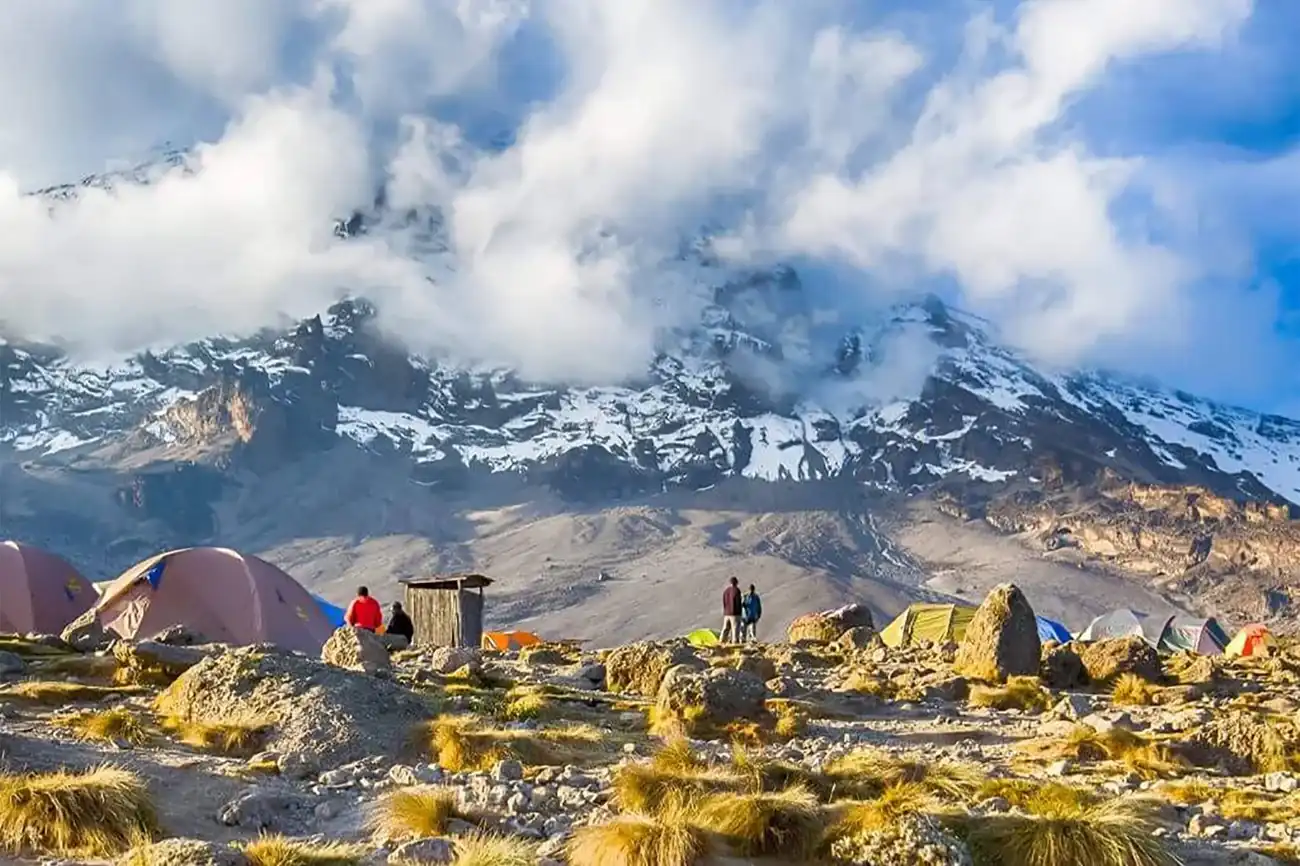
7-Day Machame Route Climb
Seven mountain days with separate Karanga and Barafu nights before the summit attempt.

A 7-day Mount Kilimanjaro climb gives you seven mountain trekking days to approach Uhuru Peak at 5,895 m on routes such as Machame or Lemosho. We offer group-joining, budget, mid-range, standard and luxury-style seven-day options, each with different service levels and written inclusions. Prices on this hub start from USD 1,680 per person. The right choice depends on route character, departure format, comfort level, hotel and transfer scope, and your final quotation for the dates and party size you request.
Choose Machame if you want the classic southern camping route and the widest range of seven-day service options; choose Lemosho if you prefer a western approach across the Shira Plateau. If the lowest starting price is your main filter, our group-joining Machame option starts from USD 1,680 per person. If you want a middle service level, compare the mid-range Machame and Lemosho pages. Package labels are not enough on their own—compare the exact written inclusions before booking.
Our seven-day packages use different prices because they cover different routes, group formats and service levels. The figures below are planning references from the package pages represented on this hub. Your written quotation is the final booking reference for the exact dates, party size and inclusions.
| 7-Day Package | Route / Service Style | Published Price Reference | Best For |
|---|---|---|---|
| Group Joining Machame | Machame / shared departure | From USD 1,680 pp | Travelers prioritizing a lower starting price and a shared climbing format |
| Budget Machame | Machame / budget camping | USD 1,690–2,000 pp | Travelers focused on essential mountain logistics and cost control |
| Standard Machame | Machame / standard camping | USD 1,700–2,400 pp | Climbers wanting the classic seven-day Machame schedule |
| Mid-Range Machame | Machame / mid-range service | From USD 1,800 pp; page range USD 1,800–1,950 | Travelers comparing a balanced Machame service level with camping on the mountain |
| Luxury Machame | Machame / upgraded service | USD 1,900–2,400 pp | Travelers who want extra camp or off-mountain comfort where confirmed |
| Mid-Range Lemosho | Lemosho / mid-range service | From USD 1,800 pp; page range USD 1,800–1,950 | Travelers wanting the western Lemosho approach with a middle service level |
| Standard Lemosho | Lemosho / western approach | From USD 2,150 pp | Climbers who prefer the Shira Plateau and western approach |
Machame is usually the better fit if you want the classic southern route with more package-style choices, while Lemosho is better if the western approach and Shira Plateau are priorities. Both are camping routes, both use the southern side of the upper mountain, and both typically summit from Barafu via Stella Point before descending by Mweka.
| Decision Factor | 7-Day Machame | 7-Day Lemosho |
|---|---|---|
| Approach | Southern / southwest approach via Machame Gate | Western approach via the Lemosho side |
| Mountain accommodation | Tent camping | Tent camping |
| Signature terrain | Rainforest, Shira area, Lava Tower, Barranco Wall and southern circuit | Forest approach, Shira Plateau, Lava Tower, Barranco Wall and southern circuit |
| Typical summit line | Barafu → Stella Point → Uhuru Peak | Barafu → Stella Point → Uhuru Peak |
| Typical descent | Mweka Route | Mweka Route |
| Package variety on this hub | Group, budget, standard, mid-range and luxury-style options | Mid-range and standard options represented |
| Choose it when... | You want a well-established seven-day Machame plan and more service-level choices | You want a western start and more time around the Shira Plateau area |
For deeper route detail, compare our Machame Route guide, Lemosho Route guide and Machame vs Lemosho comparison.
The difference is mainly the service package around the same mountain environment, not a change from camping to mountain hotels. Machame and Lemosho use tented camps on the mountain. Service labels can affect departure format, camp comfort, hotel scope, transfers, private facilities and other arrangements confirmed in the quotation.
| Service Style | What to Check | Who It May Suit |
|---|---|---|
| Group joining | Shared departure dates, group format, luggage rules and fixed logistics | Travelers prioritizing price and a social format |
| Budget | Core mountain inclusions, hotel scope, transfers and rental gear | Travelers focused on essential logistics |
| Mid-range | Camp-service level, hotel category, transfers and optional comfort items | Travelers wanting a balance between cost and comfort |
| Standard | Exact package inclusions and whether any extras are bundled | Travelers wanting the core route package without relying on a budget/luxury label |
| Luxury-style | Upgraded tent or camp service, hotel standard, private facilities and transfers | Travelers prioritizing additional comfort where confirmed |
On this hub, “7 days” means seven trekking days on the mountain. Arrival, pre-climb hotel nights, briefing, airport transfers and post-climb accommodation sit outside those seven mountain days unless the specific product states otherwise.
Daily hiking times, distances and camp operations can vary. The detailed product itinerary and your guide's on-mountain safety decisions take priority.
The main advantage is a less compressed schedule, not a guaranteed summit. On Machame, the seven-day version normally keeps Karanga as a separate overnight before Barafu. More time also gives you additional opportunities to assess how your body is responding to altitude, but altitude illness can still affect fit and experienced hikers.
A seven-day Kilimanjaro climb is still a strenuous high-altitude trek. Standard Machame and Lemosho routes do not normally require technical climbing skills, but the challenge comes from consecutive hiking days, uneven terrain, cold, reduced oxygen and a summit attempt that often begins around midnight. Good fitness helps with the workload, but fitness does not prevent altitude illness.
Prepare with regular hiking, stairs or hill work, leg and core strength training, and practice carrying the daypack and wearing the boots you intend to use. Review our Kilimanjaro packing checklist before finalizing gear.
January to early March and June to October are commonly chosen for relatively drier mountain conditions. Rain, wind, cold and snow can still occur at any time. Use the month to guide preparation rather than to expect guaranteed weather, and see our Kilimanjaro month-by-month guide when planning dates.
Choose in this order: route, departure format, service level, then final written price. This prevents a headline price from becoming the only decision factor.
Ask for a line-by-line written quotation rather than relying on the package name alone. The exact scope can differ by product.
Choose the specific package first, then request a written quotation for your dates and party size. We currently require a 30% deposit to secure a reservation, with the remaining balance paid on arrival. Our payment options include Pesapal and bank transfer, and our payment page states a 3.3% online transaction fee for Pesapal. Review the payment options before sending funds.
If you also need arrival logistics, see our Tanzania transfer services.
Start with Machame or Lemosho, then compare the service level that matches your budget and comfort priorities.
Seven mountain days with separate Karanga and Barafu nights before the summit attempt.
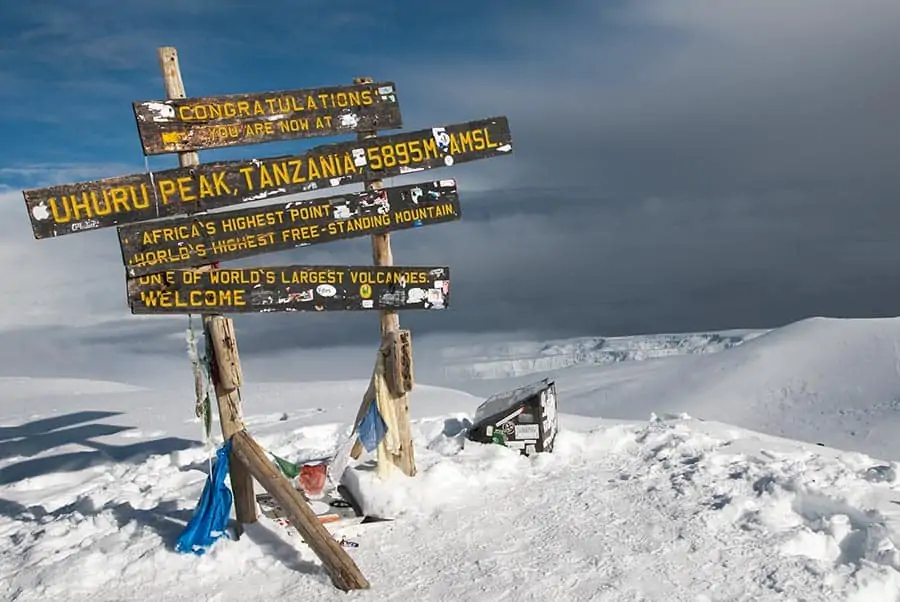
A western approach across the Shira Plateau before joining the upper southern trail system.
Seven mountain days can be a practical schedule for well-prepared climbers, especially on Machame and Lemosho. The extra time compared with a shorter itinerary can support a more gradual schedule, but no itinerary guarantees acclimatization or a successful summit.
Machame is a more direct southern approach with a well-established seven-day camping schedule. Lemosho starts farther west, crosses the Shira Plateau and then joins the upper southern trail system. Choose according to route character, budget, departure format and the exact itinerary rather than a claimed summit-success percentage.
Our seven-day package pages show different starting prices and ranges by route and service level. Options on this hub begin from USD 1,680 per person for group-joining Machame, while other Machame and Lemosho packages are priced differently. Your written quotation is the final reference for dates, party size and inclusions.
The lowest starting price shown on this hub is USD 1,680 per person for the 7-day group-joining Machame package. A lower starting price does not necessarily mean the same inclusions, hotel scope, transfer arrangements or service level as another package.
On this hub, seven days means seven mountain trekking days. Arrival nights, pre-climb briefing, airport transfers and post-climb hotel nights should be confirmed separately in the specific product itinerary and written quotation.
Standard Machame and Lemosho itineraries do not normally require technical rock-climbing skills. They do require good physical preparation, comfort with long hiking days, suitable cold-weather equipment and careful management of high altitude.
Both Machame and Lemosho are camping routes. Climbers sleep in tents at designated mountain camps. Hotel nights before or after the trek depend on the selected package and the written quotation.
Compare the exact route, seven-day camp sequence, shared or private format where applicable, hotel and airport-transfer scope, camping standard, equipment inclusions, crew support, meals, emergency arrangements, exclusions and final per-person price.
Choose a specific package and dates, request a written quotation and confirm the itinerary and inclusions before payment. Jaynevy Tours currently requires a 30% deposit to secure a reservation, with the remaining balance paid on arrival. Pesapal and bank transfer are listed payment options, and the payment page states a 3.3% online transaction fee for Pesapal.