
What to Expect in the Alpine Desert Zone on Mount Kilimanjaro?
The Alpine Desert Zone on Mount Kilimanjaro spans elevations from approximately 4,000 to 5,000 meters. This zone is characterized by a stark, barren landscape with rocky terrain, sparse vegetation, and intense temperature fluctuations between day and night. Unlike the lush rainforest below, the alpine desert receives minimal rainfall and experiences strong sunlight during the day, but temperatures can drop well below freezing at night. This zone challenges climbers with thin air, dry conditions, and exposure to the elements, requiring proper acclimatization and gear. Despite its harsh environment, the alpine desert offers breathtaking views of Kilimanjaro’s glaciers and summit, marking the final stage before the ascent to the summit zone.
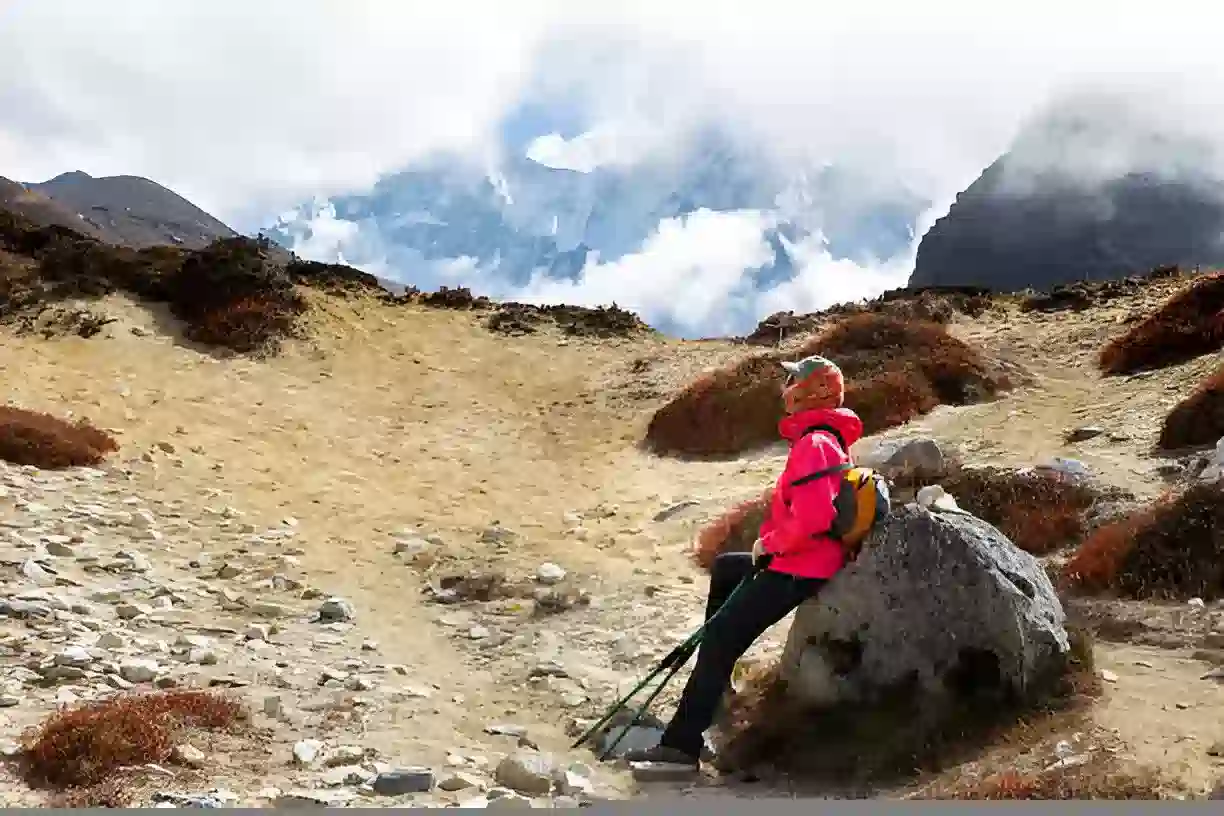
Alpine Desert Zone (4,000–5,000 meters) - Kilimanjaro Climate Zones
The Alpine Desert Zone of Mount Kilimanjaro, spanning approximately 4,000 to 5,000 meters (13,100 to 16,400 feet) above sea level, represents one of the most dramatic and striking ecological zones on the mountain. This area marks the transition from the lush, vegetated rainforest and moorland zones below to the stark, barren high-altitude desert environment. Despite its name, the Alpine Desert is not a hot, sandy desert, but rather a cold, dry, and harsh landscape with unique geological and climatic conditions.
Climate Characteristics of the Alpine Desert Zone
This zone is characterized by very low humidity, strong solar radiation during the day, and extreme temperature fluctuations. Daytime temperatures can rise to around 10°C (50°F), but nights become freezing, often dropping below -10°C (14°F). The air is thin with low oxygen levels, which poses additional challenges for climbers due to altitude sickness risks. Precipitation is minimal, mostly falling as snow or frost rather than rain, contributing to the desert-like conditions.
Landscape and Vegetation: Sparse but Resilient
The Alpine Desert Zone features expansive rocky slopes, scattered scree fields, and volcanic debris. Vegetation is scarce, with only specially adapted plants surviving in this extreme environment:
- Helichrysum Plants: These hardy, low-growing shrubs are some of the few flowering plants that manage to survive.
- Small Grasses and Mosses: Found in sheltered pockets where some moisture accumulates.
- Lichens: Lichens cling to rocks, slowly breaking down volcanic material and contributing to soil formation.
Ecological Importance and Adaptations
Although seemingly barren, the Alpine Desert plays a critical role in Kilimanjaro’s ecosystem. The sparse vegetation helps stabilize the fragile soil and volcanic rocks, reducing erosion. The zone also acts as a buffer protecting the higher, colder zones from wind and solar exposure. Plants and animals here have evolved remarkable adaptations to survive the intense UV radiation, temperature extremes, and low oxygen levels. For example, some plants have hairy leaves to retain moisture and protect against cold, while others have deep root systems to access scarce water.
Challenges for Wildlife and Humans
The harsh conditions limit animal life; however, some insects, arachnids, and hardy small mammals may be found here. Larger animals generally avoid this zone due to the lack of vegetation and extreme environment.
For climbers and trekkers, the Alpine Desert Zone is a crucial segment of the ascent, requiring acclimatization and careful pacing to reduce altitude sickness risk. The stark landscape, with its expansive views of the mountain’s rocky slopes and distant glaciers, often feels otherworldly and can be psychologically challenging as well.
Trekking Experience in the Alpine Desert Zone
Trekking through the Alpine Desert typically occurs during the later stages of Kilimanjaro climbs, especially on routes such as Machame, Lemosho, Rongai, and Umbwe. Key features of the trekking experience here include:
- Minimal Vegetation: Unlike lower zones, the landscape feels open and exposed, with limited natural shelter from wind and sun.
- Stony Trails and Scree Slopes: Trails are often rocky and slippery, requiring good hiking boots and trekking poles for stability.
- Cold and Windy Conditions: Proper layering of clothing and windproof jackets are essential to stay warm and comfortable.
- Altitude Effects: Symptoms like headaches, dizziness, and fatigue may increase; climbers need to be aware and respond accordingly.
Practical Tips for Trekkers in the Alpine Desert Zone
- Wear layered clothing, including thermal base layers and insulated jackets.
- Use sunglasses and sunscreen to protect against intense UV rays.
- Stay hydrated and take small, frequent sips of water.
- Move at a steady, controlled pace to aid acclimatization.
- Listen to your guide and communicate any altitude sickness symptoms immediately.
Environmental Threats and Conservation
The Alpine Desert Zone is fragile and vulnerable to environmental change. Climate change is causing glaciers on Kilimanjaro to retreat rapidly, affecting the mountain’s water cycle and overall ecosystem balance. Increased human traffic has led to localized trail erosion and litter accumulation, which park authorities work hard to manage.
Conservation initiatives focus on minimizing trekking impact through controlled visitor numbers, strict waste management policies, and environmental education for guides and tourists alike. Protecting this high-altitude zone is essential for the long-term health of Mount Kilimanjaro’s ecosystem.
Frequently Asked Questions (FAQ)
How difficult is hiking through the Alpine Desert Zone?
The zone is physically and mentally demanding due to altitude, cold, and terrain. Proper preparation and acclimatization are essential.
Can I find water in the Alpine Desert Zone?
Water is very scarce here. Trekkers must carry sufficient water and rely on supplies from lower camps.
Are there any unique plants or animals to see?
Vegetation is limited but unique plants like Helichrysum and lichens can be observed. Wildlife sightings are rare.
What is the best time to trek through this zone?
The dry seasons (January to March and June to October) offer the safest and most comfortable conditions for trekking.
Conclusion
The Alpine Desert Zone of Mount Kilimanjaro is an awe-inspiring, extreme environment that tests the limits of both nature and human endurance. Its unique climate, geology, and ecosystem make it a key highlight of the Kilimanjaro climbing experience. Understanding its challenges and respecting its fragility ensures trekkers enjoy this zone safely while contributing to the conservation of this iconic mountain.
For expert-guided Kilimanjaro climbs that carefully navigate the Alpine Desert and other zones, contact us at Chat on WhatsApp or jaynevytours@gmail.com.