
Best Time to See Animals in Serengeti
The best time to see animals in Serengeti depends on which animals you want to spot. For general wildlife viewing, June to October is the strongest period because the bush is thinner and animals gather near rivers and water sources. For newborn wildebeest, calves and predator action, January to March is the best window in the southern Serengeti ecosystem. For birds, green scenery and fewer safari vehicles, November to April is especially rewarding.
Serengeti is not a small park where wildlife stays in one corner. UNESCO describes Serengeti National Park as 1.5 million hectares of savannah, while Tanzania National Parks records the park at approximately 14,763 square kilometres. The wider Serengeti-Mara ecosystem carries the world's most famous migration, involving more than one million wildebeest plus hundreds of thousands of zebras and gazelles moving in a circular route of about 1,000 kilometres. This is why the correct question is not only “When should I visit?” but also “Which Serengeti region should I visit in that month?”
Quick answer: best time to spot animals in Serengeti
- Best overall wildlife months: June to October.
- Best for wildebeest calving: January to March in the southern Serengeti and Ndutu area.
- Best for predator action: January to March and June to October.
- Best for river crossings: usually August and September in the northern Serengeti, with movement possible from July to October.
- Best for western corridor herds: June and July.
- Best year-round area: central Serengeti and Seronera for resident wildlife.
- Best for birds: November to April.
- Best low-crowd period: April, May and parts of November to early December, with rain-related flexibility needed.
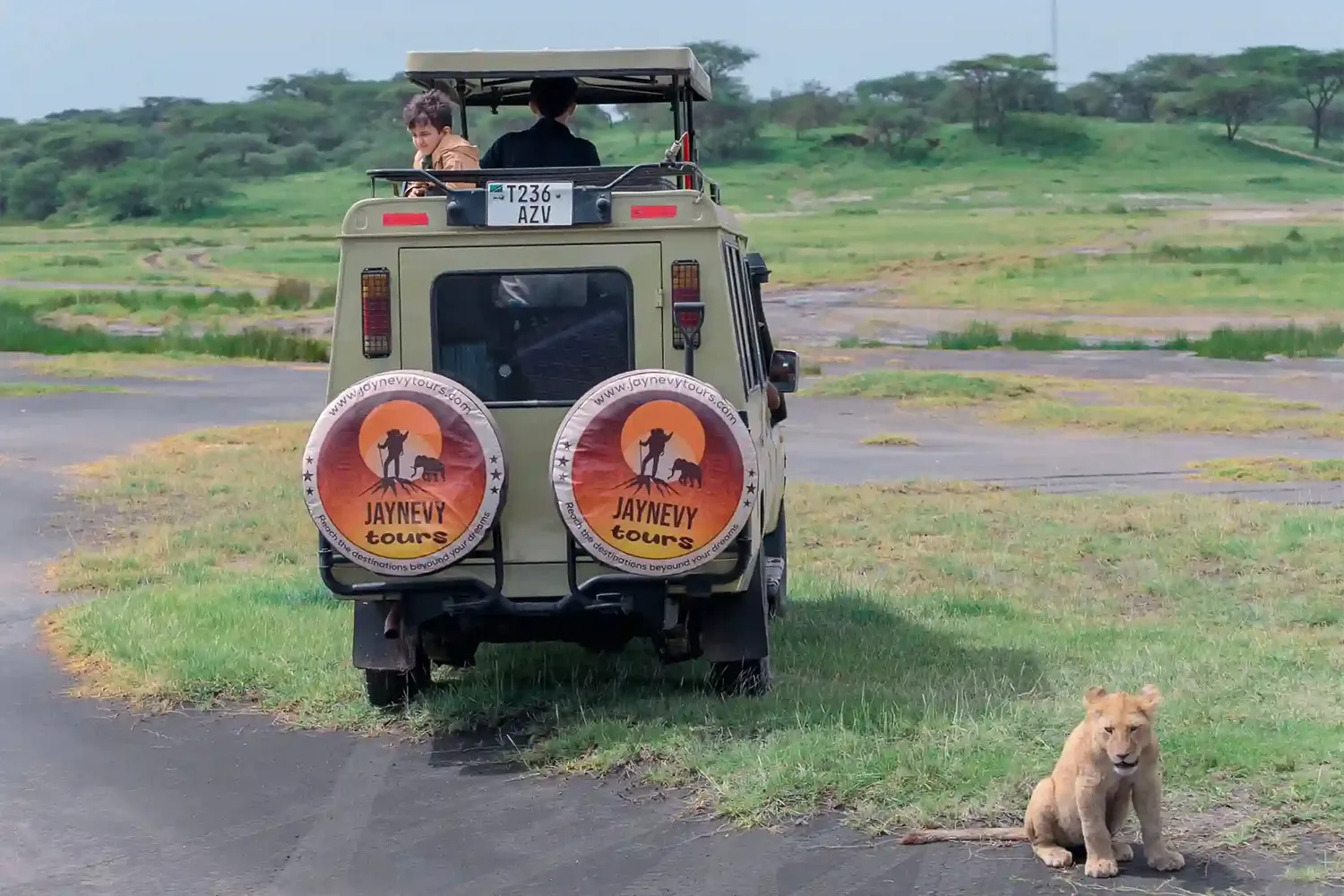
Best time to see Serengeti animals by month
| Month | Best Area to Consider | Animals and Wildlife Highlights | Safari Planning Note |
|---|---|---|---|
| January | Southern Serengeti, Ndutu and short-grass plains | Wildebeest herds building in the south, zebras, gazelles, cheetahs and lions | Good for green scenery and early calving movement, but exact herd location depends on rain |
| February | Southern Serengeti and Ndutu | Peak calving period, newborn wildebeest, predator action, cheetahs and hyenas | One of the strongest months for dramatic predator-prey behavior |
| March | Southern and central Serengeti | Calves growing stronger, lions, cheetahs, hyenas, resident plains game and birds | Rain can increase later in the month; travel plans need flexibility |
| April | Central Serengeti and transitional routes | Resident cats, elephants, giraffes, buffalo, birds and green-season landscapes | Wet season; lower crowds and possible value, but road conditions can vary |
| May | Central Serengeti and western movement areas | Herds moving, predators following, lush scenery and strong birdlife | Rain may still affect some tracks; good for travelers who dislike crowds |
| June | Western Corridor and central-western Serengeti | Migration movement west and north, zebras, wildebeest, crocodile rivers, lions and leopards | Dry season is beginning; wildlife becomes easier to locate around water |
| July | Western Corridor, Grumeti area and moving north | Large herds, crocodiles, predators, elephants and dry-season plains game | Excellent migration month, but camps in good locations book early |
| August | Northern Serengeti and Mara River area | Wildebeest and zebra herds, possible river crossings, lions, leopards and crocodiles | Prime but busy period; crossings are never guaranteed on a specific date |
| September | Northern Serengeti | Possible Mara River crossings, large herbivore herds, big cats and dry-season game | One of the best months for northern Serengeti migration planning |
| October | Northern and central Serengeti | Dry-season wildlife, predators, elephants, giraffes and possible late migration movement | Water sources remain important; heat and dust can increase |
| November | Central Serengeti and moving herds after short rains | Fresh grass, returning movement, birds, resident cats and plains game | Short rains can begin; good for flexible travelers seeking fewer crowds |
| December | Central to southern Serengeti depending on rain | Herds often trend toward southern plains, birds, young grass and resident predators | Festive season can be busy; migration location is rain-dependent |
Best time to see animals in Serengeti by wildlife species
A strong Serengeti safari is not always about following one calendar. Lions, leopards, cheetahs, elephants, giraffes, buffalo and many antelope species are resident. Wildebeest and zebras move more dramatically with the migration, while birdwatching peaks in the green season. The table below helps match the right month to the animals you care about most.
| Animal or Wildlife Experience | Best Time | Best Area | Why This Period Works |
|---|---|---|---|
| Lions | Year-round; easiest June-October and active around calving season | Central Serengeti, Seronera, southern plains and kopjes | Lions are territorial and resident; dry conditions and prey concentrations improve visibility |
| Leopards | Year-round, especially early morning and late afternoon | Seronera River, riverine woodland and large trees | Leopards use trees, river lines and cover; guide skill matters more than month |
| Cheetahs | January-March and June-October | Southern and southeastern plains, open grassland | Open plains support cheetah hunting; shorter grass helps spotting |
| Wildebeest herds | January-March, June-July and August-September depending on region | Southern, western or northern Serengeti according to month | The migration follows rainfall, pasture and water rather than a fixed timetable |
| Newborn wildebeest calves | January-March, strongest around February | Southern Serengeti and Ndutu plains | Short nutritious grass attracts calving herds and predator attention |
| Zebras | Year-round; strong during migration months | Southern plains, central Serengeti and migration corridors | Zebras move with wildebeest and are also present as resident plains game |
| Elephants | June-October for easier dry-season sightings | Woodland, river areas and central to northern zones | Dry conditions concentrate animals around water and reduce thick vegetation |
| Buffalo | Year-round; easy in dry season | Central Serengeti, woodland and water-linked areas | Buffalo are resident and frequently seen in herds |
| Hippos and crocodiles | Year-round; dramatic during river-crossing periods | Retima Hippo Pool, Grumeti River and Mara River | Permanent water supports hippos; crocodiles are associated with river systems |
| Birds | November-April | Wetlands, plains, riverine areas and woodlands | Migratory birds are present and many resident birds show breeding plumage |
June to October: best overall period for animal spotting
June to October is the easiest answer for most travelers asking when to spot animals in Serengeti. This is the dry season. Grass becomes shorter, the bush is less thick and animals depend more on rivers, pools and other reliable water sources. That makes wildlife easier to locate from a safari vehicle.
This period is also important for migration movement. June and July are commonly associated with the western corridor and Grumeti area. August and September are the key planning months for the northern Serengeti and possible Mara River crossings. October can still produce excellent dry-season wildlife, especially around water, although migration timing may change according to rainfall.
Why June to October works well
- Visibility improves: grass is shorter and animals are less hidden by vegetation.
- Water becomes important: wildlife concentrates around rivers and waterholes.
- Predators are easier to track: guides can read movement around prey concentrations.
- Road conditions are usually better: dry tracks help safari vehicles move more reliably.
- Migration areas become active: western and northern Serengeti can be very rewarding.
January to March: best for calving, cheetahs and predator action
January to March is the best time for visitors who want new life and predator pressure rather than dry-season simplicity. NASA describes the majority of wildebeest gathering around Ndutu from December to March, with February known for thousands of calves being born within a short period. This is one of the most dramatic seasonal windows in the Serengeti-Mara ecosystem.
Calving attracts predators because newborn animals are vulnerable. Lions, cheetahs, hyenas and jackals can be active around the herds. Cheetahs often favor open plains, which makes the southern and southeastern grasslands valuable during this period. The scenery is greener, the light can be beautiful, and photographs often have a very different feeling from the dusty dry season.
April and May: green season, fewer visitors and strong birdlife
April and May are often misunderstood. They are wetter months, and some roads can become difficult. However, this does not mean Serengeti is empty or useless. Resident animals remain in the park, birds are strong, the landscape is green and visitor numbers are usually lower. Some camps may offer better rates during this period, while a few seasonal properties may close or reduce operations.
Travelers who choose April or May should be flexible. A plan that depends on exact road conditions can be frustrated by rain, but a plan focused on scenery, birds, cats in central Serengeti and lower crowd levels can be rewarding.
November to December: short rains, fresh grass and returning movement
November and December can be excellent for flexible travelers. Short rains can bring fresh grass, cleaner air and the beginning of movement back toward the southern plains. Birdlife improves as migratory birds arrive. Resident predators remain active, and central Serengeti continues to provide reliable year-round wildlife.
Best Serengeti region by season
| Serengeti Region | Best Months | Best Animals or Experience | Planning Advice |
|---|---|---|---|
| Southern Serengeti and Ndutu | January-March | Calving herds, cheetahs, lions, hyenas and plains wildlife | Use camps positioned for the short-grass plains and calving movement |
| Central Serengeti and Seronera | Year-round | Lions, leopards, cheetahs, elephants, giraffes, buffalo and resident game | Most reliable base for first-time visitors, but can be busy |
| Western Corridor and Grumeti | May-July; also useful in quieter months | Migration movement, crocodile rivers, plains game and predators | Good for travelers who want a migration route outside central Serengeti |
| Northern Serengeti and Mara River | July-October, strongest August-September | Large herds, possible river crossings, crocodiles and big cats | Book early and accept that crossings happen on nature's schedule |
| Eastern Serengeti and remote plains | Variable by rain and access | Cheetahs, plains wildlife and quiet landscapes in selected areas | Best with expert seasonal planning rather than a fixed generic itinerary |
Best time to see lions in Serengeti
Lions can be seen throughout the year. The Serengeti is known for strong predator-prey interaction, and lions are territorial rather than purely migratory. For a traveler, the best lion month is often the month with the right visibility and the right guide in the right habitat.
During the dry season, lions may be easier to spot because grass is shorter and prey concentrates around water. During the calving season, lions and hyenas can become active around vulnerable newborn wildebeest and gazelles. Kopjes, shaded trees, river lines and open plains are all important habitats to scan.
Lion spotting tips
- Start early, before heat pushes lions into shade.
- Watch kopjes and raised rocks where lions rest and scan the plains.
- Look for vultures, hyena movement and nervous herbivores.
- Allow time at sightings; lion behavior often changes slowly.
- Do not ask the guide to crowd animals or block their movement.
Best time to see leopards in Serengeti
Leopards are resident and can be seen in any month, but they are not as visible as lions because they use cover and trees. Riverine woodland, especially around Seronera, is one of the stronger habitats to search. Early morning and late afternoon are more productive than the hottest part of the day.
Best time to see cheetahs in Serengeti
Cheetahs favor open spaces where they can use speed. The southern and southeastern plains are therefore important, especially during the calving season when prey is abundant. January to March can be excellent for cheetah sightings, while June to October provides shorter grass and easier visibility in many areas.
Best time to see elephants, giraffes and buffalo
Elephants, giraffes and buffalo are present year-round in the Serengeti. The dry months from June to October usually make these large animals easier to locate because water sources become more important and vegetation thins. Woodland, riverine areas and the central to northern zones can be productive.
Best time to see hippos and crocodiles
Hippos are associated with permanent water and can be seen year-round in known pools and rivers. Crocodiles are also linked to river systems and become especially relevant during migration crossing periods. The Grumeti and Mara river systems are the most famous in migration planning, but water-based wildlife is worth watching even outside crossing months.
Best time for birdwatching in Serengeti
Serengeti has more than 500 recorded bird species according to official and specialist wildlife sources. Birdwatching is good in every season, but November to April is especially strong because migratory birds from Europe and North Africa are present and many resident species are in breeding plumage.
Best time of day to spot animals in Serengeti
Month matters, but time of day matters too. Many animals are more active in the cooler hours. Heat changes behavior, and midday can be quiet, especially for big cats.
| Time of Day | Wildlife Advantage | Best For |
|---|---|---|
| Early morning | Cool temperatures, fresh tracks and active predators | Lions, cheetahs, hyenas, leopards, birds and photography |
| Late morning | Animals moving toward shade or water | Elephants, giraffes, buffalo, plains game and landscape photos |
| Midday | Less predator movement but good for resting cats if located | Leopards in trees, lions sleeping, hippo pools and birds |
| Late afternoon | Temperature drops and wildlife becomes active again | Predators, elephants, golden light and moving herds |
How many days do you need to see animals well?
Two days in Serengeti can produce good sightings, but it is not enough to understand the park. Three nights is a better minimum for most travelers, especially if arriving by road. Four to five nights allow a stronger chance to explore more than one region or wait patiently for specific behavior.
| Serengeti Time | What It Allows | Best For |
|---|---|---|
| 1 night | A rushed visit with limited game-drive time | Only for very tight itineraries |
| 2 nights | One full day plus arrival and departure drives | Basic first experience, usually central Serengeti |
| 3 nights | Two full days and better wildlife patience | Best minimum for most visitors |
| 4-5 nights | Time to combine regions or wait for behavior | Migration, photography and serious wildlife interest |
Common mistakes when choosing the best time for Serengeti animals
- Choosing only by the word “migration”: the migration is in different regions at different times.
- Expecting guaranteed river crossings: crossings depend on animal behavior, rain and river pressure.
- Staying in the wrong region: a camp far from the current movement can cost valuable game-drive time.
- Booking only one night: Serengeti is too large for a rushed visit.
- Ignoring resident wildlife: lions, leopards, elephants and giraffes can be excellent even away from the herds.
- Assuming dry season is always best: green season can be better for birds, calves and lower crowds.
- Forgetting early mornings: the best month still needs the best time of day.
Final recommendation
If you want the safest overall answer, visit Serengeti between June and October. This gives the best general animal-spotting conditions, easier visibility and strong dry-season wildlife behavior. If your main dream is newborn wildebeest and predator action, choose January to March in the southern Serengeti ecosystem. If your priority is birds, green landscapes, fewer vehicles and better seasonal value, consider November to April, especially with a flexible plan.
The best Serengeti safari is not created by month alone. It is created by matching month, region, camp location, guide quality and number of days. Serengeti rewards travelers who give it time and avoid treating it like a one-day stop.
Frequently asked questions about the best time to see animals in Serengeti
1. What is the best time to see animals in Serengeti?
June to October is the best overall period because dry conditions make animals easier to spot around rivers and water sources. January to March is best for calving and predator action in the southern plains.
2. Can I see animals in Serengeti all year?
Yes. Serengeti has resident wildlife throughout the year. The best region changes with the season, but lions, leopards, cheetahs, elephants, giraffes, buffalo, hippos and many antelope species can be seen outside migration months.
3. What is the best month for the Great Migration?
There is no single best month for the entire migration. February is strong for calving in the south, June and July are important for western movement, and August and September are the main northern Serengeti river-crossing months.
4. When can I see river crossings in Serengeti?
August and September are the strongest planning months for northern Serengeti river crossings, with possible movement from July to October. Crossings are not guaranteed on a particular day.
5. What is the best time to see lions?
Lions are resident and can be seen year-round. Dry season makes them easier to spot, while calving season can increase predator activity around the southern plains.
6. What is the best time to see leopards?
Leopards can be seen year-round, especially in riverine woodland such as the Seronera area. Early morning, late afternoon and a knowledgeable guide are more important than one specific month.
7. What is the best time to see cheetahs?
January to March is excellent around the southern plains and calving herds. June to October also helps because shorter grass improves visibility.
8. Is the dry season always better?
Dry season is better for general visibility, but not for every goal. Green season is better for birds, calving, lush scenery and fewer vehicles.
9. Is April a bad month for Serengeti?
April is wetter and can affect roads, but it can still be valuable for green scenery, resident wildlife, birds, fewer visitors and possible lower rates.
10. How many days should I spend in Serengeti?
Three nights is a good minimum for most travelers. Four or five nights are better for migration, photography or combining two regions.
Data notes and trusted sources
Seasonal wildlife movement is natural and cannot be guaranteed. This guide uses official and specialist reference points available in June 2026, including UNESCO, NASA Earth Observatory, Tanzania National Parks, Serengeti specialist wildlife information and SafariBookings month-by-month planning guidance.
- UNESCO World Heritage Centre: Serengeti National Park
- NASA Earth Observatory: Circling the Serengeti
- Tanzania National Parks: Serengeti National Park
- Serengeti wildlife and birdlife information
- SafariBookings: Serengeti best time by month
For a Serengeti safari planned around your exact travel month and target animals, contact Jaynevy Tours via email at info@jaynevytours.com or WhatsApp at +255 678 992 599.