
Climate Change and Its Impact on the Forests of Kilimanjaro – What You Need to Know
Climate change is significantly altering the delicate forest ecosystems on the slopes of Mount Kilimanjaro. These forests are vital for local water catchment, biodiversity, and climate regulation. Rising temperatures, shifting rainfall patterns, and increasing frequency of droughts are already reducing the moisture levels in the montane and submontane forests. This is leading to the retreat of cloud forests, increased vulnerability to wildfires, and a decline in species dependent on specific microclimates. Glacial melt at higher altitudes also affects downstream ecosystems and water availability for communities. Ongoing research at Kilimanjaro’s ecological stations aims to monitor these changes and support conservation efforts that protect both the natural environment and local livelihoods.
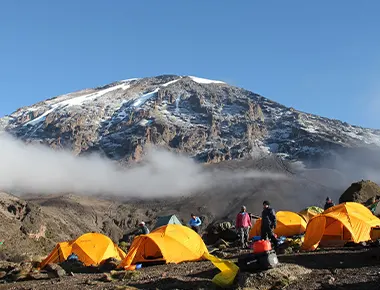
1. Introduction – How Climate Change is Affecting Kilimanjaro’s Forests
Mount Kilimanjaro is not only Africa’s tallest peak but also a vital ecological zone, home to dense montane forests, endemic plant species, and diverse wildlife. However, over the past few decades, the effects of climate change have become increasingly visible on its forested slopes. Rising temperatures, erratic rainfall, and prolonged dry seasons are changing the health, structure, and biodiversity of these ecosystems. This article explores how climate change is reshaping the forests of Kilimanjaro and what it means for the future of this iconic mountain.
2. The Role of Forests on Mount Kilimanjaro
The forests on Mount Kilimanjaro, especially between 1,800m and 3,000m in elevation, form part of the Eastern Arc Mountains – a biodiversity hotspot. These forests perform several critical functions:
- Regulating the mountain's water cycle by capturing moisture from clouds and mist
- Providing habitat to endemic flora and fauna
- Storing carbon and reducing the impacts of global warming
- Supporting local livelihoods through ecosystem services like freshwater, medicinal plants, and forest products
But these roles are now under threat due to shifting climate conditions.
3. Warming Temperatures and Forest Stress
One of the most immediate impacts of climate change on Kilimanjaro’s forests is the gradual rise in temperature. Scientific observations show that even slight increases in temperature can stress high-altitude plant species, especially those adapted to cooler environments. As temperatures rise:
- Cloud forests shift higher, reducing the total area where they can thrive
- Moisture-loving species such as ferns and mosses begin to decline
- Invasive species from lower altitudes expand upward, outcompeting native plants
This upward migration compresses ecological zones and leads to a loss of forest diversity and structure.
4. Rainfall Changes and Drought Pressure
In addition to warming, the rainfall patterns on Kilimanjaro have become less predictable. Some areas now experience longer dry spells, while others are hit by intense storms in short bursts. These changes lead to:
- Increased tree mortality from drought stress
- Soil erosion and degradation of forest understory
- Reduction in water yield from key springs and rivers sourced in the forest
The forests are becoming more fragile and less capable of regenerating naturally, especially in areas with historical human disturbance.
5. Glacier Retreat and Its Indirect Impact
While glaciers dominate the summit zone of Kilimanjaro, their retreat also affects forest zones indirectly. Glacial meltwater once contributed to the stability of downstream ecosystems, including forests. With the ice caps dwindling rapidly, dry season water supply becomes inconsistent. This exacerbates drought periods and reduces mist formation in the cloud forest belt – a key source of moisture for high-altitude vegetation.
6. Shifting Biodiversity and Habitat Loss
Climate change doesn’t only affect trees. Entire forest-based ecosystems are being reshaped. Species that depend on cool, wet microclimates are struggling to survive. This includes:
- Rare birds and amphibians that require stable humidity
- Endemic plants with narrow temperature tolerance
- Forest elephants and primates whose food sources are in decline
Such changes lead to local extinctions, increased wildlife conflict, and loss of natural heritage that took centuries to evolve.
7. Community Impact and Conservation Challenges
Many local communities around Kilimanjaro rely on forest health for agriculture, clean water, and forest products. As forests shrink or degrade, water scarcity and declining agricultural productivity become more severe. Climate-related pressures also increase illegal logging and charcoal production as people seek alternatives for income. This creates a cycle of ecological damage and human hardship.
Conservationists now face the challenge of not only protecting forests but also helping communities adapt sustainably.
8. What’s Being Done – Local and Global Actions
Efforts to protect Kilimanjaro’s forests are underway, both locally and globally. These include:
- Reforestation and afforestation programs using climate-resilient species
- Community education and alternative livelihood support
- Ecological monitoring through the Kilimanjaro Ecological Research Station
- Integration of Kilimanjaro forest conservation into Tanzania’s national climate policies
Collaboration between local communities, researchers, government bodies, and international NGOs remains key in slowing the pace of degradation and restoring forest resilience.
9. Conclusion – A Call for Climate and Forest Action
Mount Kilimanjaro’s forests are irreplaceable – they are not only a haven for biodiversity but also a lifeline for the millions who depend on their services. Climate change poses a direct and accelerating threat to their survival. Urgent action is needed to protect, restore, and adapt these ecosystems in the face of global warming. Every climber, traveler, and citizen can play a role – by supporting responsible tourism, tree planting, and eco-conscious practices that reduce pressure on this fragile mountain environment.
For guided eco-treks, forest conservation tours, or to support Kilimanjaro reforestation initiatives, contact us at Chat on WhatsApp or jaynevytours@gmail.com.