
Climbing Kilimanjaro in a Wheelchair – Adaptive Trekking to Africa’s Roof
Climbing Kilimanjaro in a wheelchair is possible with adaptive support and planning. Discover how inclusive expeditions conquer Africa’s highest peak.
An Inclusive Journey to the Summit of Kilimanjaro on a Wheelchair
Climbing Kilimanjaro in a wheelchair may seem impossible, but with the right planning, support team, and adaptive equipment, it has been achieved. This expedition isn't just about reaching the top—it's about breaking barriers. It’s for determined adventurers with physical disabilities who want to challenge themselves on Africa’s highest peak.
The journey involves extensive coordination, a dedicated support crew, and specialized gear such as trail-capable wheelchairs and pulley systems for steep sections. Routes like the Rongai or Marangu are typically preferred for their accessibility. Success on Kilimanjaro in a wheelchair isn’t only about physical power—it’s about collective willpower, patience, and resilience.
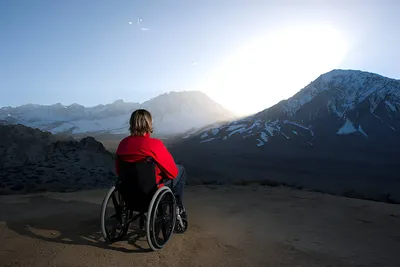
Why Attempt Kilimanjaro in a Wheelchair?
Climbing Kilimanjaro in a wheelchair proves that no dream is too big when determination meets support. For individuals with mobility challenges, this climb is not just a personal victory—it’s a message to the world that mountains can be moved with inclusion, unity, and innovation.
Which Route is Best for Wheelchair Climbers?
The Marangu Route and Rongai Route are the most suitable for wheelchair ascents due to their gradual terrain and established hut accommodations (in the case of Marangu). These routes allow for better gear maneuvering, access to emergency support, and reduced technical challenges compared to steeper paths like Machame.
What Equipment is Used?
- All-terrain/adapted wheelchairs with suspension
- Pulley and harness systems for steep sections
- Support sleds or custom stretcher frames
- Trekking poles, gloves, and durable clothing for cold temperatures
- GPS and radio communication for safety coordination
Porters and guides assist with maneuvering, lifting, and team-based climbing strategies depending on trail conditions.
Support Crew – The Heart of the Journey
Adaptive climbs require a strong, experienced team. This includes certified guides, porters, a medical officer, and logistical coordinators who understand the terrain, weather risks, and physical needs of the climber. The teamwork involved is nothing short of extraordinary, often forming lifelong bonds on the mountain.
Suggested Itinerary – Wheelchair Kilimanjaro Trek (7 Days)
- Day 1: Arrive in Moshi. Briefing, gear check, and final preparations.
- Day 2: Drive to Marangu Gate. Start ascent through rainforest to Mandara Hut.
- Day 3: Trek through moorland terrain to Horombo Hut with full support crew.
- Day 4: Rest and acclimatization at Horombo Hut. Practice assisted climbs.
- Day 5: Ascend slowly to Kibo Hut with strategic gear use and crew coordination.
- Day 6: Midnight summit attempt to Uhuru Peak. Adaptive equipment support to the top. Return to Horombo for recovery.
- Day 7: Descend to Marangu Gate. Transfer to Moshi for celebration and certificates.
Is It Safe?
With proper planning, medical backup, and mountain-savvy guides, this expedition is not only safe—it’s empowering. Emergency oxygen, evacuation plans, and altitude monitoring are part of the standard safety measures. Our team prioritizes health and comfort at every stage of the trek.
Who Can Join This Expedition?
- Individuals with lower-limb mobility disabilities or spinal cord injuries
- Families or groups supporting a climber with adaptive needs
- Fundraising teams or organizations promoting disability awareness
Participants should undergo medical checks and training sessions before the trek. Physical and emotional preparation is key.
Why This Climb Matters
Every wheelchair ascent on Kilimanjaro is more than a summit—it's a stand for inclusivity, representation, and courage. These journeys inspire people worldwide and encourage inclusive tourism on one of Earth’s most iconic peaks.
Partner with Jaynevy Tours
Jaynevy Tours specializes in inclusive Kilimanjaro climbs. We offer full logistical support, adaptive equipment options, experienced guides, and medical supervision tailored for climbers with physical disabilities. With compassion, professionalism, and heart, we help you rise—no matter your challenge.
To plan an adaptive climb to Kilimanjaro’s summit, reach out via jaynevytours@gmail.com.
Frequently Asked Questions
Can someone really summit Kilimanjaro in a wheelchair?
Yes. With preparation, adaptive gear, and a strong team, it has been done successfully. While incredibly challenging, it is possible and deeply rewarding.
What’s the biggest challenge?
Altitude. The thin air at over 5,000 meters affects everyone. Proper acclimatization and medical monitoring are essential, especially for climbers with limited mobility.
How long does it take?
Most adaptive treks take 6–8 days, including acclimatization stops. The journey is paced slowly to ensure health and maximize summit chances.
What kind of wheelchair is required?
A lightweight, all-terrain chair with suspension and large tires is ideal. Some sections may require portage or the use of sled-type systems for steep climbs.
Is this climb only for individuals with disabilities?
No. Inclusive groups often include friends, family, or advocates climbing alongside. It’s a shared journey of purpose and unity.