
Common Challenges During Tanzania Safari and How to Overcome Them
Common challenges during Tanzania safari include choosing the wrong route, long drives, rough roads, dust, rain, high costs, unclear inclusions, crowded sightings, insects, health preparation, visa requirements, packing mistakes, limited internet and unrealistic expectations about wildlife. The solution is not to avoid safari. The solution is to understand the challenges before booking and plan your itinerary around your dates, budget, comfort level and wildlife goals.
Tanzania is one of Africa's largest and most diverse safari countries. The Tanzania Tourist Board describes Tanzania as having 22 national parks covering more than 99,000 square kilometres. Famous destinations such as Serengeti, Ngorongoro, Tarangire, Nyerere, Ruaha, Mikumi and Lake Manyara do not offer the same experience, road distance, seasonality or budget level. A good safari is therefore built from clear decisions, not random park names.
Quick answer: Tanzania safari challenges and solutions
- Wrong park choice: match parks to your travel month, budget and number of days.
- Too many destinations: visit fewer parks but spend more quality time in each area.
- Long road transfers: add rest stops or use bush flights when time is limited.
- Rough roads and dust: use a proper 4x4, pack sunglasses and protect cameras.
- Rainy-season delays: keep flexible routing and avoid tight departure-day transfers.
- High costs: compare exact inclusions, not only total price.
- Wildlife disappointment: understand that sightings are natural, not guaranteed.
- Health concerns: get travel-health advice and use mosquito-bite prevention.
- Visa or entry problems: check passport validity and official Tanzania visa rules early.
- Packing mistakes: pack for sun, cold mornings, dust, insects and luggage limits.
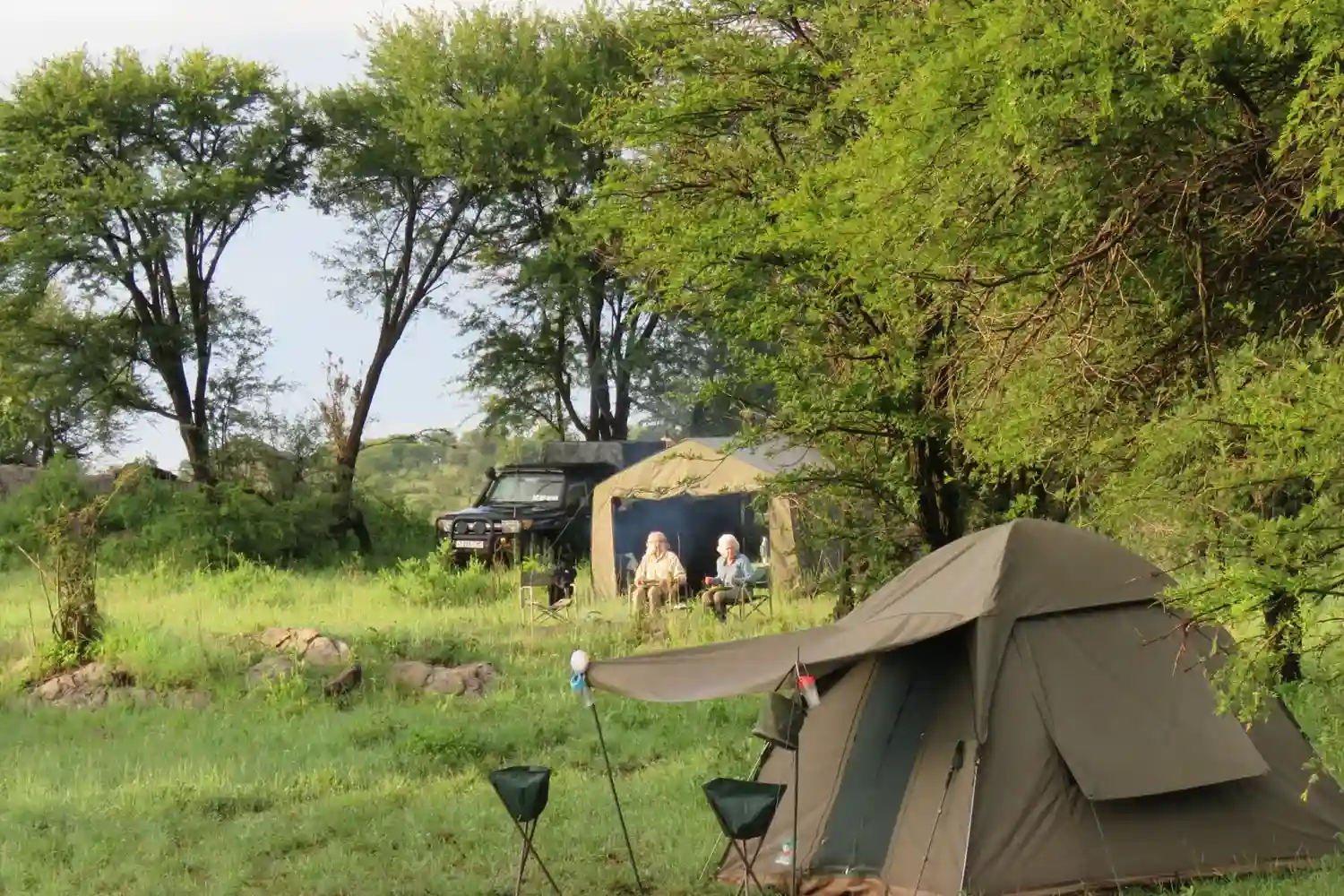
Tanzania safari challenges and how to overcome them
| Challenge | Why It Happens | How to Overcome It |
|---|---|---|
| Choosing the wrong safari circuit | Tanzania has northern, southern, western and coastal safari options | Choose the circuit that fits your days, budget, airport and wildlife goals |
| Trying to visit too many parks | Travelers want Serengeti, Ngorongoro, Tarangire, Nyerere, Ruaha and Zanzibar in too few days | Prioritize quality time over collecting destination names |
| Long road transfers | National parks are far apart and many roads are not fast highways | Use realistic itineraries, overnight stops or domestic flights |
| Rough roads and dust | Park tracks are unpaved and dry months can be dusty | Use 4x4 safari vehicles, pack sunglasses, scarf and camera protection |
| Rain and muddy tracks | Rainy months can affect roads and wildlife movement | Travel with flexible expectations and use experienced guides |
| High safari cost | Park fees, vehicle, fuel, guide, lodge, meals and logistics add up | Compare inclusions, travel off-peak or join a group safari |
| Unclear quotations | Different operators include different services | Request exact lodges, fees, vehicle type, meals, transfers and exclusions |
| Unrealistic wildlife expectations | Animals move naturally and sightings cannot be scheduled | Give parks enough days and trust guide knowledge |
| Health and insects | Safari is outdoor travel with mosquitoes, sun, dust and remote areas | Get medical advice, use repellent, pack medication and buy insurance |
| Visa or passport issues | Requirements vary by nationality and must be checked before travel | Use official immigration sources and check passport validity early |
1. Choosing the wrong Tanzania safari circuit
One of the biggest Tanzania safari challenges is choosing the wrong region. Many travelers search online, see beautiful photos from different parks, and assume everything can be combined easily. In reality, the Northern Circuit, Southern Circuit and Western Circuit are very different in access, cost, activities and best travel style.
The Northern Circuit is the easiest first choice because it connects Arusha with Tarangire, Lake Manyara, Ngorongoro and Serengeti. The Southern Circuit is better for travelers who want Nyerere, Ruaha, boat safaris and fewer vehicles. The Western Circuit is more remote and specialist, with destinations such as Katavi, Mahale and Gombe.
How to overcome this challenge
- Choose the safari circuit before choosing individual lodges.
- Use Northern Tanzania for a first classic safari.
- Use Southern Tanzania for wilderness, boat safaris and lower crowd density.
- Use Western Tanzania for chimpanzees, remoteness and repeat safari travel.
- Match your arrival airport with the safari circuit.
2. Trying to visit too many parks in too few days
More parks do not automatically mean a better safari. A seven-day Tanzania safari that tries to include every famous destination can become a road-transfer marathon. Guests may arrive tired, reach camps late and spend less time watching wildlife.
A better safari gives each park enough time. For example, Serengeti usually deserves at least two or three nights because of its size. Ngorongoro can work well as one focused crater day. Tarangire can be one or two days depending on the season and route.
| Available Time | Better Safari Structure | What to Avoid |
|---|---|---|
| 2-3 days | One or two nearby parks such as Tarangire, Lake Manyara or Ngorongoro | Forcing Serengeti unless you accept long transfers or use flights |
| 4-5 days | Tarangire, Ngorongoro and central Serengeti | Adding too many one-night stops |
| 6-8 days | Well-paced Northern Circuit with meaningful Serengeti time | Changing camp every night without rest |
| 9-12 days | Extended northern route, southern circuit or safari plus Zanzibar | Combining distant circuits without flights or extra days |
| 12+ days | Combined regions or specialist wildlife itinerary | Planning only around famous names instead of logistics |
3. Long road transfers and travel fatigue
Tanzania is large. Road safaris can be rewarding because the journey shows villages, landscapes and changing habitats, but transfers can also be tiring. Arusha to Serengeti, Serengeti to northern sectors, Dar es Salaam to southern parks and remote western routes all require realistic time.
Travel fatigue is worse when the itinerary is too tight. Guests may think a day is a full safari day, but much of it may be road transfer. A truthful safari plan should explain which days are mainly transfer days and which days are full game-drive days.
How to overcome long-drive problems
- Use overnight stops in Karatu, Ngorongoro highlands or near park gates.
- Consider bush flights when time is short.
- Avoid booking an international departure immediately after a long road transfer.
- Ask how many hours are driving time, not only distance in kilometres.
- Keep some days slower, especially for families and older travelers.
4. Rough roads, dust and vehicle discomfort
Safari roads are not city roads. Many park roads are unpaved, and during dry months dust can enter vehicles, cover bags and affect camera equipment. During the wet season, some tracks can become muddy or slippery. This is normal in wildlife areas, but travelers should be prepared.
A purpose-built 4x4 safari vehicle with a skilled driver-guide is important. Comfort also depends on luggage size, seat spacing, vehicle maintenance and how many guests share the car.
How to overcome road and dust discomfort
- Pack sunglasses and a scarf or buff.
- Use camera covers or dry bags for electronics.
- Travel with soft-sided luggage where possible.
- Carry a small day bag for items needed during game drives.
- Ask about vehicle type and maximum passengers before booking.
- Tell the guide early if you experience motion sickness or back discomfort.
5. Rainy-season challenges
Rain can affect road conditions, river levels, visibility and wildlife distribution. The long rains usually occur around March to May, while short rains are often associated with November and December. Weather does not follow an exact calendar, so flexibility matters.
Rainy season is not automatically bad. It can bring green landscapes, fewer vehicles, migratory birds and possible lower accommodation rates. The challenge is not rain itself; it is planning a rigid itinerary that cannot adjust to road and weather conditions.
| Season | Possible Challenge | How to Overcome It |
|---|---|---|
| June-October dry season | Dust, higher demand, higher rates and more vehicles in famous parks | Book early, pack dust protection and include quieter areas |
| November-December short rains | Unpredictable showers and changing wildlife movement | Keep routing flexible and use reliable camps |
| January-February | Busy calving season in southern Serengeti and Ndutu | Book early and stay near the correct seasonal area |
| March-May long rains | Muddy roads, some camp closures and travel delays | Use experienced operators and avoid overly tight schedules |
6. High Tanzania safari costs
Tanzania safaris are not cheap because they combine many costs: park fees, conservation fees, crater fees where applicable, fuel, a 4x4 vehicle, guide, accommodation, meals, taxes and long-distance logistics. Published market averages from SafariBookings place Tanzania safari costs around US$250 per person per day for budget safaris, US$375 for mid-range and US$600 or more for luxury safaris. These are planning averages, not fixed prices.
The cheapest quote is not always the best value. A low price may mean fewer park days, accommodation far from wildlife areas, larger shared vehicles or important exclusions. A higher price may be justified if it saves time, includes better locations or provides stronger guide support.
How to control safari costs
- Travel in a small group to share vehicle costs.
- Use group-joining safaris if privacy is not essential.
- Choose mid-range lodges instead of luxury camps in peak season.
- Travel in shoulder or green season for possible better rates.
- Avoid unnecessary bush flights if you have enough time for road travel.
- Ask for a written list of inclusions and exclusions before paying.
7. Unclear quotations and hidden exclusions
Two Tanzania safari quotations can look similar but include different services. One may include park fees, crater service, airport transfers and drinking water. Another may exclude some fees, use different accommodation or have a shared vehicle. This creates confusion and can cause arguments later.
How to compare safari quotations
- Check exact lodge or camp names.
- Confirm whether the vehicle is private or shared.
- Confirm maximum number of guests in the vehicle.
- Ask whether all park, conservation and crater-related fees are included.
- Check if airport transfers are included.
- Confirm meals, drinking water and domestic flights.
- Ask about tips, visas, insurance, laundry, drinks and optional activities.
- Read cancellation and refund terms before paying a deposit.
8. Wildlife expectations and disappointment
A safari is a natural experience. Animals are not controlled, and no ethical operator should guarantee a leopard, black rhino, river crossing or hunting scene. Tanzania has exceptional wildlife, but sightings depend on season, guide skill, habitat, weather, animal movement and patience.
The Great Migration is another source of unrealistic expectations. The herds move through the wider Serengeti-Mara ecosystem according to rainfall, grass and water. A traveler can be in the correct country but the wrong region if the itinerary is not matched to the month.
How to improve wildlife success
- Choose parks and regions according to the month.
- Give key parks enough nights, especially Serengeti and Ruaha.
- Use early morning and late afternoon game drives.
- Tell the guide your main wildlife interests.
- Accept quiet moments as part of real wilderness.
- Combine resident wildlife areas with migration areas when possible.
9. Crowds around famous sightings
Some Tanzania safari areas can become busy during peak season. Central Serengeti, Ngorongoro Crater, river-crossing points and famous lion or cheetah sightings may attract several vehicles. This does not mean Tanzania is always crowded; it means famous wildlife moments create traffic.
How to reduce crowd challenges
- Travel in shoulder months such as early June, November or early December.
- Use less crowded parks such as Tarangire in selected seasons, Nyerere or Ruaha.
- Stay longer so the guide does not need to chase every radio call.
- Ask for quieter game-drive areas when atmosphere matters more than checklist sightings.
- Follow park rules even when other vehicles behave badly.
10. Insects, mosquitoes and health preparation
Mosquitoes, tsetse flies and other biting insects can be part of safari travel. The CDC lists malaria transmission risk in Tanzania in areas below 1,800 metres. Travelers should seek personal advice from a doctor or travel-health clinic before departure and use mosquito-bite prevention throughout the trip.
How to reduce health and insect challenges
- Ask a health professional about malaria prevention.
- Use insect repellent on exposed skin according to label instructions.
- Wear long sleeves and long trousers in the evening.
- Use neutral colors and avoid blue or black in tsetse-prone areas.
- Sleep in screened rooms or under mosquito nets where needed.
- Carry personal medicine and travel insurance documents.
- Tell your guide or lodge staff if you feel unwell.
11. Visa, passport and entry mistakes
Entry requirements can vary by nationality and travel route. Tanzania Immigration states that visa applicants should ensure their passport has at least six months validity and at least one unused visa page before submitting the application. Some travelers may also need a return or onward ticket and other supporting documents depending on visa type.
How to avoid entry problems
- Check official Tanzania Immigration guidance before travel.
- Confirm passport validity early, not the week of travel.
- Keep printed and digital copies of visa approval, itinerary and accommodation details.
- Confirm yellow fever certificate rules if traveling from or through a risk country.
- Do not rely only on social media or old blog posts for entry rules.
12. Packing mistakes
Packing mistakes can create discomfort on safari. Many travelers pack fashion outfits but forget warm layers, dust protection, insect repellent, binoculars or soft-sided luggage. Safari conditions include cold mornings, hot afternoons, dust, sun, insects, limited luggage space and sometimes bush flights with strict weight limits.
| Item | Challenge It Solves | Practical Note |
|---|---|---|
| Neutral long clothing | Sun, insects, dust and comfort | Khaki, olive, tan, grey or brown are practical |
| Warm layer | Cold mornings and evening game drives | Fleece or light jacket is useful even in warm months |
| Sunglasses and scarf | Dust and sun | Very helpful in dry-season parks |
| Binoculars | Distant wildlife and birds | One pair per traveler is ideal |
| Power bank | Limited charging in vehicles or remote camps | Keep documents and camera batteries charged |
| Soft-sided luggage | Vehicle and light-aircraft space | Check baggage limits if using domestic flights |
| Personal medicine | Remote travel and health needs | Carry in hand luggage with prescriptions where needed |
13. Limited internet and power
Some lodges and camps have Wi-Fi, but coverage can be slow, limited to reception areas or affected by weather and power systems. Remote safari areas are not designed like city hotels. This can surprise travelers who need constant online access.
How to manage connectivity
- Download documents before leaving the city.
- Tell family that replies may be delayed during safari.
- Carry a power bank.
- Use offline maps and saved itinerary files.
- Do not schedule important online work during remote safari days.
14. Food, diet and camp routine challenges
Remote lodges and camps usually manage meals well, but dietary needs must be shared early. Vegetarian, vegan, gluten-free, allergy-related or religious dietary requirements are easier to handle when camps are informed before the safari begins.
How to avoid food problems
- Share dietary needs during booking.
- Carry medically necessary snacks if allowed and safe.
- Drink safe water only.
- Tell the guide if you feel unwell after food or water.
- Understand that picnic lunches are common on full-day game drives.
15. Safety around wild animals
Tanzania wildlife is wild. Even animals that appear calm can react suddenly. Safety depends on following guide instructions, staying inside the vehicle when required, respecting viewing distances and following camp escort rules at night.
How to stay safe
- Do not leave the vehicle unless the guide says it is safe and allowed.
- Do not feed animals.
- Keep arms and cameras inside the vehicle near wildlife.
- Do not walk alone in unfenced camps after dark.
- Respect elephants, predators and animals with young.
- Never use drones without required permissions.
Region-specific Tanzania safari challenges
| Region | Common Challenge | How to Overcome It |
|---|---|---|
| Northern Circuit | Popularity, longer Serengeti drives and peak-season crowds | Book early, allow enough days and use the right Serengeti region by month |
| Southern Circuit | Longer logistics and higher flight dependence for Ruaha or Nyerere combinations | Use fly-in planning or allow enough road days |
| Western Circuit | Remote access, higher cost and limited schedules | Plan early and treat it as a specialist safari, not a last-minute add-on |
| Zanzibar extension | Tide differences, beach location confusion and flight timing | Choose coast according to swimming, culture, honeymoon, diving or nightlife goals |
| Kilimanjaro plus safari | Fatigue after climbing and limited recovery time | Add rest before safari or choose a slower post-climb itinerary |
Step-by-step way to overcome Tanzania safari challenges
- Start with your dates: wildlife movement and weather change by month.
- Choose your main goal: migration, Big Five, family safari, honeymoon, photography or budget.
- Set realistic days: do not count arrival and departure as full safari days.
- Pick the right circuit: northern, southern, western or safari plus Zanzibar.
- Check the real cost: compare inclusions and exclusions carefully.
- Confirm accommodation: exact names matter more than vague lodge categories.
- Prepare health and documents: visa, passport, insurance and medical advice.
- Pack practically: think dust, sun, insects, cold mornings and luggage limits.
- Trust your guide: a good guide turns challenges into manageable safari moments.
- Stay flexible: weather and wildlife do not follow human schedules.
Final advice
A Tanzania safari becomes difficult when it is planned from random information, rushed dates or unrealistic expectations. The same safari becomes smooth and unforgettable when the route, season, budget, vehicle, guide and accommodation are chosen carefully.
The best way to overcome Tanzania safari challenges is to plan honestly. Give important parks enough time, choose the correct region for the month, understand what is included in the price, prepare for outdoor conditions and accept that wildlife is natural. When these points are handled well, Tanzania becomes one of the most rewarding safari destinations in Africa.
Frequently asked questions about common challenges during Tanzania safari
1. What are the most common challenges during Tanzania safari?
The most common challenges are choosing the wrong route, long drives, rough roads, dust, rain, high cost, insects, health preparation, visa issues, packing mistakes and unrealistic wildlife expectations.
2. How can I avoid planning mistakes?
Start with your travel month, budget and number of days. Then choose the right circuit, confirm exact lodges and check all inclusions before paying.
3. Why are Tanzania safaris expensive?
Costs include park fees, conservation fees, a 4x4 vehicle, guide, fuel, meals, accommodation, taxes and long-distance logistics. Premium parks and peak season increase the price.
4. Are Tanzania safari roads difficult?
Some park and conservation roads are rough, dusty or muddy depending on season. A proper 4x4 and realistic itinerary make the experience easier.
5. Can rain ruin my Tanzania safari?
Rain can slow roads and change wildlife movement, but it can also bring green landscapes, birdlife and fewer visitors. Flexibility is the solution.
6. Are animal sightings guaranteed?
No. Tanzania parks are natural ecosystems. A good guide improves your chances, but specific animals or river crossings cannot be guaranteed.
7. How many days are enough for Tanzania safari?
Five to seven safari days are enough for a good northern circuit. Eight to twelve days allow a slower itinerary, more Serengeti time or a safari-and-Zanzibar combination.
8. Do I need malaria medicine?
Ask a travel-health professional. CDC lists malaria transmission risk in Tanzania in areas below 1,800 metres, so medical advice and mosquito-bite prevention are important.
9. What should I pack?
Pack neutral clothes, long sleeves, warm layers, sunglasses, hat, sunscreen, insect repellent, binoculars, camera protection, power bank, medicine and soft-sided luggage.
10. How do I avoid hidden costs?
Ask for a written list of inclusions and exclusions, including park fees, transfers, water, meals, domestic flights, tips, visas and optional activities.
11. Is Tanzania safari safe?
Yes, when planned with a reliable operator and when travelers follow guide instructions, park rules, health precautions and camp safety procedures.
12. Can Jaynevy Tours help overcome these challenges?
Yes. Jaynevy Tours can help match your dates, budget and travel style with the right Tanzania safari route, accommodation and realistic itinerary.
Data notes and trusted sources
This guide uses official and established reference points available in June 2026. Park rules, visa requirements, health advice, costs and weather conditions can change, so travelers should reconfirm details for their exact travel dates.
- Tanzania Tourist Board: Tanzania national parks overview
- SafariBookings: Tanzania safari cost averages
- CDC Tanzania traveler health information
- Tanzania Immigration: official visa guidelines
- Jaynevy Tours: Tanzania Safari
For help planning a Tanzania safari that avoids common mistakes, contact Jaynevy Tours via email at info@jaynevytours.com or WhatsApp at +255 678 992 599.