
What to Expect in the Cultivation Zone on Mount Kilimanjaro?
The Cultivation Zone on Mount Kilimanjaro spans elevations from approximately 800 to 1,800 meters and marks the mountain’s lowest climate zone. This area features warm temperatures, fertile volcanic soil, and abundant rainfall, making it ideal for agriculture. Local communities cultivate crops like bananas, coffee, maize, and vegetables here, relying heavily on this zone for their livelihoods. The landscape is dotted with farms, villages, and terraced fields, providing a lush and vibrant environment that contrasts sharply with the higher alpine zones. As the gateway to Kilimanjaro’s natural zones, the Cultivation Zone offers a glimpse into the mountain’s vital role in supporting both biodiversity and local economies.
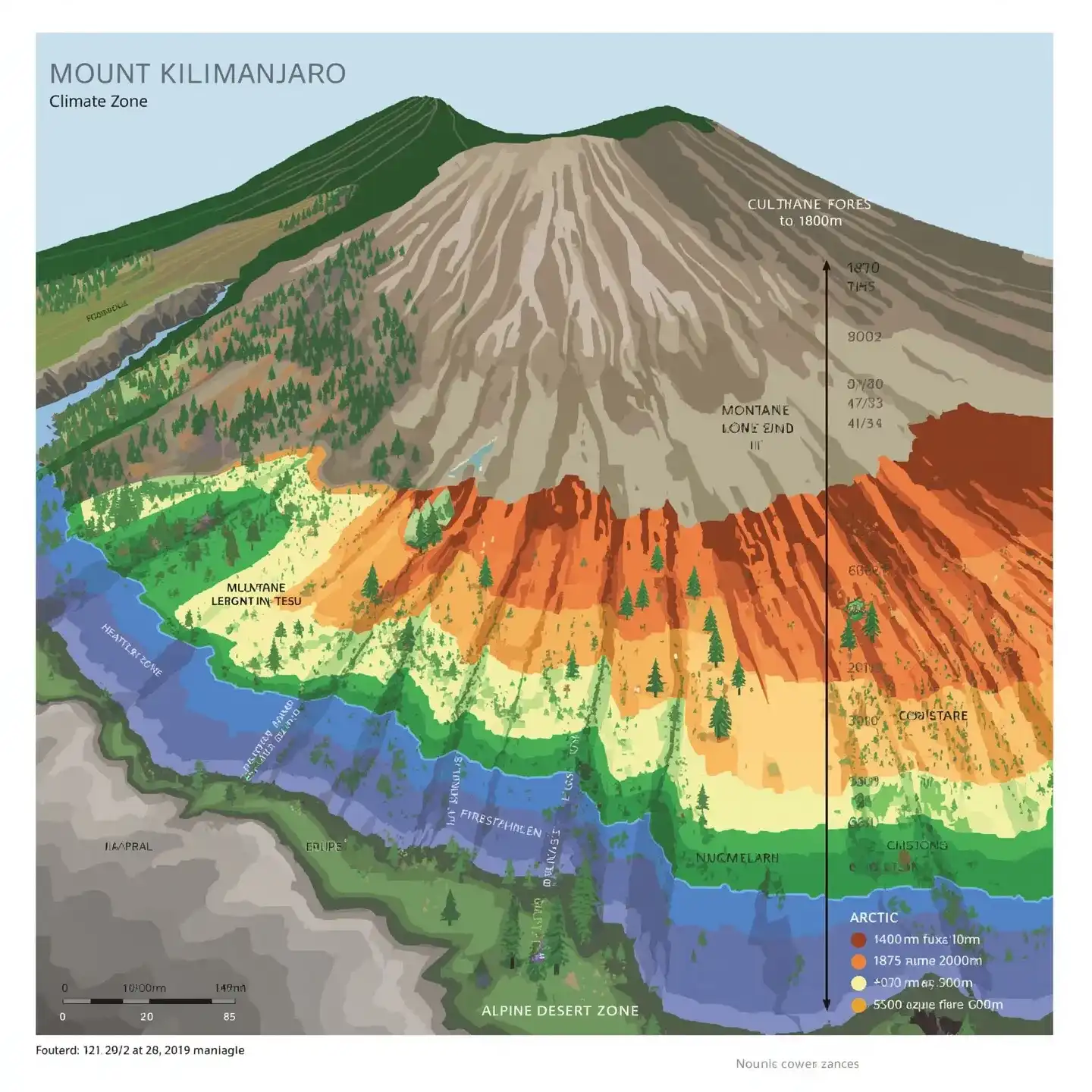
Cultivation Zone (800–1,800 meters) - Kilimanjaro Climate Zones
The Cultivation Zone is the lowest major climate zone on Mount Kilimanjaro, extending roughly between 800 and 1,800 meters above sea level. This zone represents the base of the mountain where human settlement and agricultural activities flourish alongside natural landscapes. Its warm temperatures, abundant rainfall, and fertile volcanic soils create an ideal environment for diverse crop cultivation, making it an essential part of the mountain's ecosystem and the local economy.
Geography and Climate of the Cultivation Zone
The terrain here is mostly gentle slopes covered with terraced farms, plantations, and scattered villages. The climate is tropical and humid, with temperatures ranging from 15°C (59°F) to 28°C (82°F), depending on the season and altitude. This consistent warmth, coupled with reliable rainfall patterns, supports a variety of crops all year round.
Key Agricultural Products and Practices
The Cultivation Zone is famous for its rich agricultural productivity. The indigenous Chagga community has cultivated this land for generations, utilizing traditional methods combined with modern techniques. Key crops include:
- Bananas: The staple crop providing food and income, grown extensively in terraced fields.
- Coffee: Particularly Arabica coffee, which is grown under shade trees and is an important cash crop.
- Maize and Beans: Fundamental food sources for the local population.
- Fruits and Vegetables: Including avocados, citrus fruits, tomatoes, and kale.
The Chagga have developed advanced water management techniques such as irrigation channels (“furrows”) to harness mountain streams efficiently. These systems ensure year-round cultivation and have helped maintain soil fertility and reduce erosion.
Ecological Importance
Though dominated by human activity, the Cultivation Zone plays a critical role in the overall health of Kilimanjaro’s environment. It serves as a buffer between the natural forest zone above and the broader surrounding plains. By anchoring the soil with terracing and vegetation, this zone helps prevent landslides and maintains water quality by filtering runoff before it reaches lower catchment areas.
The zone also supports biodiversity with patches of indigenous trees and shrubs interspersed between farms. Birds, small mammals, and pollinators thrive here, contributing to the ecological balance necessary for sustainable agriculture.
Culture and Community Life
The cultivation zone is home to the Chagga people, who are renowned for their agricultural skills and close relationship with the mountain. Visitors passing through often witness traditional lifestyles, from bustling local markets to coffee processing facilities. Many Kilimanjaro guides, porters, and conservationists come from this area, making it a vibrant cultural gateway to the mountain.
What Trekkers Should Know About the Cultivation Zone
Although most trekking routes start above this zone, many climbs pass through or near the cultivation zone, especially on the Machame and Marangu routes. Trekkers can enjoy scenic views of terraced farmland and glimpse rural Tanzanian life. While this zone does not pose altitude challenges, the warm and humid weather may be a sharp contrast to cooler zones higher up.
Tips for Visitors:
- Take time to explore local villages to learn about Chagga culture and agriculture.
- Respect private farmland and local customs.
- Stay hydrated as the warm temperatures can cause dehydration before you ascend.
- Consider sampling fresh local coffee or banana dishes offered by community enterprises.
How Climate Change is Affecting the Cultivation Zone
Recent studies indicate that rising temperatures and changing rainfall patterns are impacting crop yields and water availability in the cultivation zone. Farmers face challenges such as increased drought risk and soil degradation. Conservation efforts and sustainable farming initiatives are becoming vital to preserve this important zone for future generations.
Frequently Asked Questions (FAQ)
Is the Cultivation Zone part of the Kilimanjaro trekking routes?
Typically, trekking routes begin above the cultivation zone, but some approaches, especially on the Machame and Marangu routes, pass near or briefly through it.
What is the best time to visit the cultivation zone?
The zone is accessible year-round due to its mild climate. However, visiting during the dry seasons (January to early March, June to October) ensures pleasant weather and easier travel.
Can trekkers interact with local communities in the cultivation zone?
Yes, many local villages welcome visitors. Guided cultural tours are sometimes available to experience traditional farming and daily life.
Final Thoughts
The Cultivation Zone (800–1,800 meters) on Mount Kilimanjaro is more than just farmland — it is the foundation for the mountain’s natural balance, cultural richness, and economic vitality. Understanding this zone enhances your appreciation of Kilimanjaro’s diverse environments and the people who live in harmony with one of Africa’s greatest natural wonders.
Planning a Kilimanjaro trek? Reach out to us for expert advice, local insights, and tailored packages that highlight the best of Kilimanjaro’s landscapes and communities. Email us at Chat on WhatsApp or jaynevytours@gmail.com.