What You Need to Know: See a travel doctor 6–8 weeks before your trip. A yellow fever certificate is required only if you arrive from, or transit for more than 12 hours in, a yellow fever country such as Kenya. Most of Tanzania below about 5,900 ft (1,800 m) is a malaria area, so ask about antimalarial tablets. Visitors also need {INS}, plus their own insurance with medical evacuation.
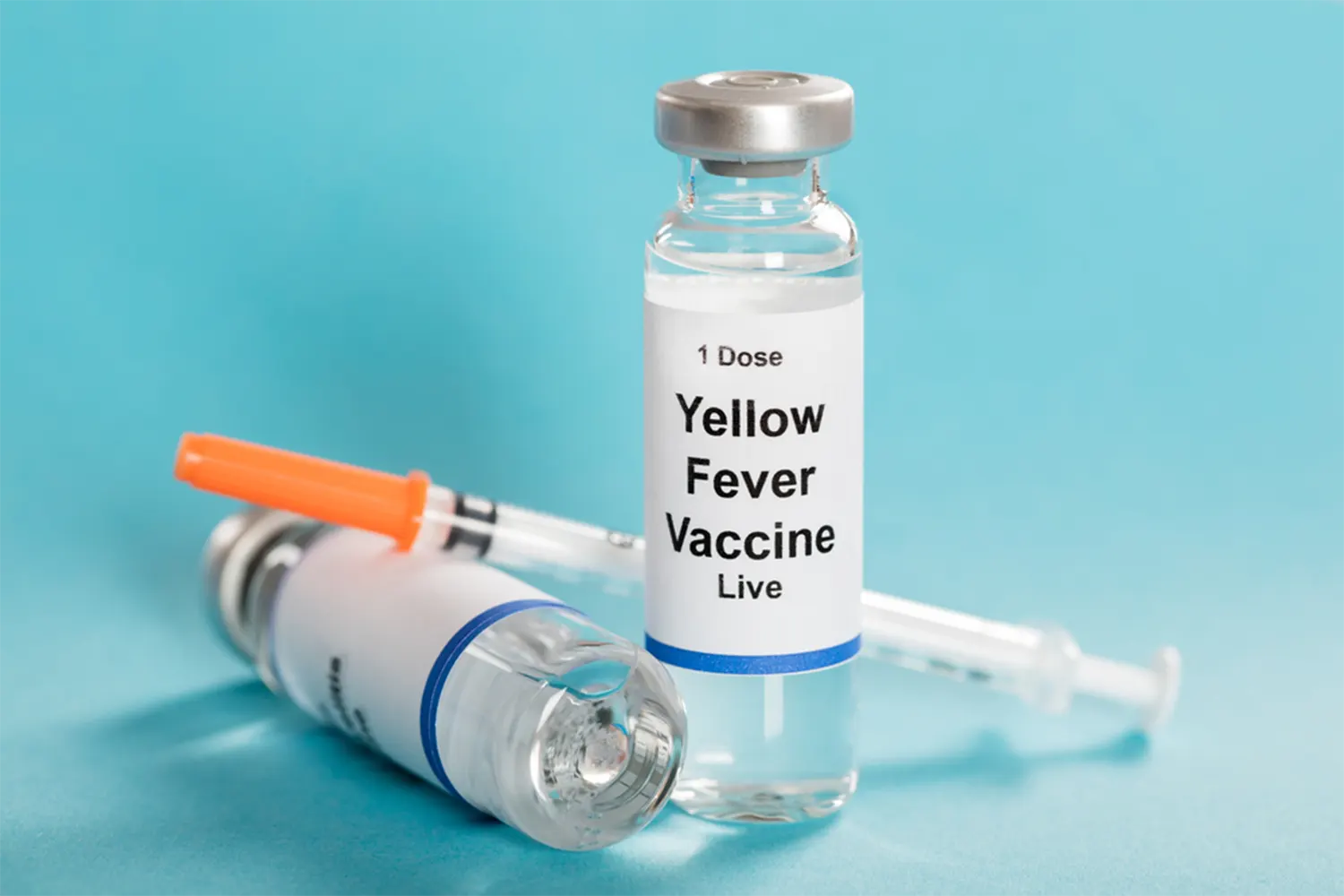
Vaccinations to Discuss with Your Doctor
| Vaccine | Notes |
|---|---|
| Yellow fever | Certificate required if arriving from a yellow fever country (for example Kenya or Uganda) |
| Hepatitis A and typhoid | Commonly recommended for food- and water-borne risks |
| Routine vaccines | Tetanus, diphtheria, polio, measles: make sure they are up to date |
| Others | Hepatitis B, rabies and cholera, depending on your trip and activities |
Malaria Prevention in Tanzania
Malaria is present in most of Tanzania below about 5,900 ft (1,800 m), including the safari parks and Zanzibar; it is rare higher up on Kilimanjaro. Ask your doctor about antimalarial tablets, and avoid bites: repellent, long sleeves at dusk, and a mosquito net where provided. See a doctor quickly if you get a fever during or after your trip.
Travel Insurance for Tanzania
Two kinds of insurance matter. Tanzania's mandatory inbound travel insurance costs US$44 per adult: Zanzibar has required it since 2024, and mainland Tanzania from October 1, 2026; one policy covers both, and we can help you buy it. You also need your own travel insurance covering medical treatment and evacuation, and, for Kilimanjaro, trekking up to 19,700 ft (6,000 m). Our safaris are covered for emergencies by AMREF Flying Doctors evacuation.
Food, Water and Sun in Tanzania
- Drink bottled or treated water; we provide drinking water on safari and on the mountain
- Eat freshly cooked food; peel fruit
- Use high-factor sunscreen, a hat and sunglasses: the sun is strong near the equator
- Carry hand sanitizer and a small first-aid kit
Altitude Sickness on Kilimanjaro, Explained
Altitude sickness is the main health risk on Kilimanjaro. Choose a longer route, walk slowly, drink plenty, and tell your guide about any headache, nausea or dizziness: our guides check your blood oxygen and pulse at every camp. See our acclimatization guide.
Altitude sickness happens when you climb faster than your body can adapt to the thinner air. Early signs are headache, nausea, loss of appetite, poor sleep and unusual tiredness. Most climbers feel some of these on Kilimanjaro; they usually ease with rest and slow walking. If symptoms get worse, the only reliable treatment is to descend.
Our guides check your blood oxygen and pulse twice a day and ask how you feel. Tell them honestly: it is the safest way to reach the summit. Ask your doctor about medication such as acetazolamide before you travel.
A Simple Travel First-Aid Kit
- Your prescription medicines, in original packaging, with a copy of the prescription
- Antimalarial tablets if prescribed
- Oral rehydration salts and anti-diarrhea tablets
- Pain relief and antihistamines
- Plasters, blister pads and antiseptic cream
- Insect repellent with DEET or picaridin
- High-factor sunscreen and lip balm
Medical Care in Tanzania
Moshi, Arusha, Dar es Salaam and Stone Town have hospitals and private clinics for routine problems; serious cases are usually evacuated to Nairobi or further. Our safaris are covered for emergencies by AMREF Flying Doctors, and on Kilimanjaro rescue is on foot with helicopter evacuation where needed. That is why insurance with medical evacuation is essential.
Children's Health in Tanzania
Children can travel safely with the right preparation: check vaccinations and child doses of antimalarials with your doctor, protect them from the sun, and bring familiar snacks for long drives. Children from 2 years old can join our safaris.
Staying Healthy on Safari and on the Mountain
On safari, the main risks are sun, dehydration and insect bites. Drink plenty of water, wear a hat and sunscreen, and use repellent in the evening. Long days in the vehicle can be tiring, so rest at midday when you can.
On Kilimanjaro, altitude is the main concern: walk slowly, drink 3–4 liters a day, eat well even when you don't feel hungry, and tell your guide how you feel. Our guides check your blood oxygen and pulse at every camp. Choosing a longer route gives your body more time to adapt; see our Kilimanjaro climbs.
Covid-19 and Other Entry Rules
Health entry rules can change at short notice. Before you travel, check the current requirements for Tanzania with your government's travel advice and your airline, and carry your vaccination records, including your yellow fever certificate if you need one.
Common Questions About Health and Vaccinations for Tanzania
Do I need a yellow fever vaccination for Tanzania?
Only if you arrive from, or transit for more than 12 hours in, a yellow fever country such as Kenya or Uganda.
Is there malaria in Tanzania?
Yes, in most areas below about 5,900 ft (1,800 m), including the safari parks and Zanzibar.
Is travel insurance mandatory?
Yes: Tanzania's inbound insurance (US$44 per adult) is required, and you should also have your own insurance with medical evacuation.
Is the tap water safe to drink in Tanzania?
No. Drink bottled or treated water; we provide drinking water on safari and on the mountain.
Where is the nearest hospital on safari?
Lodges and towns such as Karatu and Arusha have clinics; serious cases are evacuated by air, covered by AMREF Flying Doctors on our safaris.
Do I need to see a doctor before climbing Kilimanjaro?
It is a good idea, especially if you have a health condition or take regular medication.
Can I get altitude sickness on safari?
Very rarely: the Ngorongoro crater rim is about 7,500 ft (2,300 m), where most people feel only a little breathless.
Should I bring my own medicines?
Yes: bring enough of your prescription medicines for the whole trip, in original packaging, with a copy of the prescription.
The Bottom Line
See a travel doctor early, take malaria seriously, and arrive with both kinds of insurance. Then enjoy the trip.
Send us your dates and what you need through the booking form, on WhatsApp +255 678 992 599 or by email to jaynevytours@gmail.com. Our team works 24 hours a day, 7 days a week, and replies with a written quotation.