
What You Need to Know: A Tanzania safari is safe when you follow your guide: stay inside the vehicle except at marked picnic sites and viewpoints, keep your voice low near animals, never feed wildlife, and in unfenced camps let staff walk you to your tent after dark. See your doctor about malaria tablets and vaccinations. On our safaris your guide is trained at the College of African Wildlife Management, Mweka, and every safari has AMREF Flying Doctors evacuation cover.
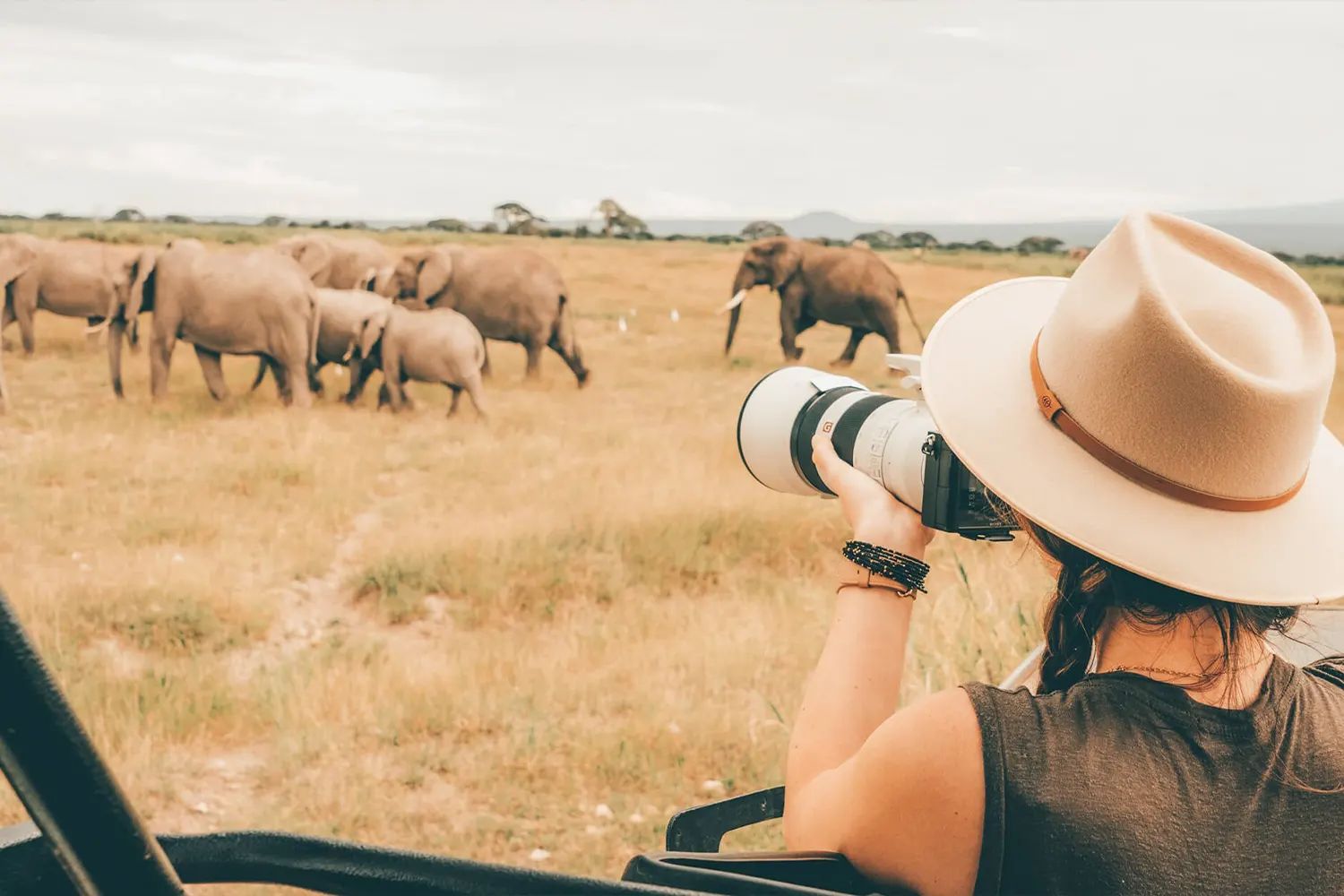
Ten Safety Rules on Game Drives and in Camp
| Rule | Why |
|---|---|
| Stay inside the vehicle | Animals see the vehicle as one large object; a person outside is different |
| Get out only at picnic sites, viewpoints and toilets your guide approves | These are safe, designated places |
| Keep arms and cameras inside near elephants and lions | Sudden movements can provoke them |
| Keep your voice low | Noise disturbs animals and other visitors |
| Never feed wildlife | It harms the animals and makes them aggressive |
| Stay seated while the vehicle moves | Roads are rough |
| Don't stand on the seats when the roof is up | Stand on the floor and hold the frame |
| After dark in unfenced camps, wait for staff to walk you | Animals move through camps at night |
| Keep tent zips closed | Monkeys and insects |
| Follow your guide's decision | They know the animals and the park rules |
How Your Safari Guide Keeps You Safe
Our driver-guides graduated from the College of African Wildlife Management at Mweka and have five years of safari guiding. They speak English, and we can arrange French, Spanish, German or Chinese-speaking guides. They read animal behavior, keep a safe distance, position the vehicle so it can always move away, and decide when to leave a sighting. Your vehicle is a private 4x4 Land Cruiser with a pop-up roof, a window seat for every guest (at most 6), Wi-Fi (patchy in remote areas), charging points and a fridge for drinks; at most six guests means your guide can watch everyone.
Health Before and During a Tanzania Safari
Northern Tanzania is in a malaria area below about 5,900 ft (1,800 m), including Arusha, Tarangire and the Serengeti. See your doctor or a travel clinic six to eight weeks before you travel about malaria tablets and vaccinations, and use repellent and long sleeves at dusk. Drink bottled or filtered water, which the vehicle carries; lodges serve safe water and food.
More on vaccinations and malaria: travel health in Tanzania.
What Happens in an Emergency on Safari?
For minor problems your guide takes you to the nearest clinic or lodge doctor. For serious illness or injury, every safari we run is covered by AMREF Flying Doctors, who fly patients from park airstrips to hospital. Your guide carries a first-aid kit and stays in touch with our office in Moshi throughout the safari. Your own travel insurance should still cover medical treatment and evacuation.
Money and Valuables on Safari
Crime on safari is rare. Keep valuables in your daypack in the vehicle or the lodge safe, carry small notes for tips and purchases, and leave expensive jewelry at home. In Arusha and Moshi, take normal city precautions at night.
Safety with Children on Safari
Children from 2 years old can join our safaris. Keep them seated while the vehicle moves and inside it during game drives, and choose fenced, family-friendly lodges; we suggest them in your quotation. See our family safari guide.
Safety on a Walking Safari
Walks are led by an armed park ranger in permitted areas: walk in single file, stay quiet, never run, and follow the ranger's instructions exactly. See walking safaris in Tanzania.
Safari Animals That Need Extra Respect
| Animal | What our guides do |
|---|---|
| Elephants | Keep a wide distance, especially from mothers with calves and bulls in musth; the engine stays on |
| Lions | Stop at a respectful distance and keep everyone seated and quiet |
| Buffalo | Never approach on foot; they are unpredictable |
| Hippos | Most dangerous on land at night near water; never walk near rivers after dark |
| Baboons and monkeys | Keep food out of sight and tent zips closed; they steal from vehicles and tents |
Safety on the Road Between the Parks
Roads between the parks range from good tar to rough gravel and dusty tracks, and the drive from Karatu to the central Serengeti takes about seven hours. Our guides drive carefully, keep to park speed limits and take regular breaks. Wear your seat belt between parks, stay seated when the vehicle moves, and tell your guide if you feel car sick: they can adjust the pace.
Safety at Unfenced Lodges and Camps
Many safari lodges and tented camps are unfenced, so animals can walk through, which is part of the experience. Staff walk you to and from your room after dark; use the horn or radio in your tent if you need help at night. Keep doors and tent zips closed, don't leave food in your room, and never wander outside the camp.
Sun, Heat and Dust in Tanzania
Tanzania is close to the equator, and the sun is strong even when it feels cool. Wear a hat and sunscreen when the roof is up, drink plenty of water (the vehicle carries it), and use a buff on dusty roads. Dehydration and sunburn cause more problems on safari than animals do.
Common Questions About Safari Safety in Tanzania
Is a Tanzania safari safe?
Yes, for travelers who follow their guide's instructions. Wildlife incidents are very rare, and our safaris have AMREF Flying Doctors evacuation cover.
Do I need malaria tablets for a safari?
Northern Tanzania is in a malaria area below about 5,900 ft (1,800 m). Ask your doctor before you travel.
Is the water safe to drink?
Drink bottled or filtered water, which the vehicle carries and lodges provide.
What if an animal approaches the vehicle?
Stay still and quiet and follow your guide, who will move the vehicle away if needed.
Do I need travel insurance?
Yes, including medical treatment and evacuation.
Are safari lodges fenced?
Some are, many aren't. In unfenced camps staff walk you to your room after dark.
What should I do if I feel ill on safari?
Tell your guide straight away. They take you to the nearest clinic or lodge doctor, and AMREF Flying Doctors cover emergencies.
The Bottom Line
Follow your guide, stay in the vehicle, sort out malaria advice before you travel and carry good insurance. Our Mweka-trained guides and AMREF Flying Doctors cover do the rest.
Send us your dates, the number of travelers (with children's ages) and your lodge level through the form, on WhatsApp +255 678 992 599 or by email to jaynevytours@gmail.com, and our sales team in Moshi will reply with a written quotation.