
How to Deal with Kilimanjaro Toilets and Hygiene
Kilimanjaro Toilets and Hygiene
Worried about bathroom breaks and cleanliness on Kilimanjaro? You’re not alone — and it’s easier than you think. On the mountain, toilet facilities range from basic long-drop latrines to private portable toilets provided by your tour operator. At Jaynevy Tours, we help you prepare with hygiene essentials, personal care tips, and daily routines to stay fresh and healthy at high altitude. From managing toilet stops to maintaining cleanliness in camp, this guide answers your most private questions with honest, practical advice.
Why you should Deal with Kilimanjaro Toilets and Hygiene
Climbing Mount Kilimanjaro is an incredible adventure that offers stunning views and unforgettable experiences. However, one aspect that often causes concern for trekkers is the issue of toilets and hygiene. The mountain's remote location, combined with its challenging terrain, means that facilities are basic and hygiene management requires careful planning. This detailed guide offers tips on how to manage toilet and hygiene needs while trekking Kilimanjaro, ensuring you stay comfortable and healthy throughout your climb.
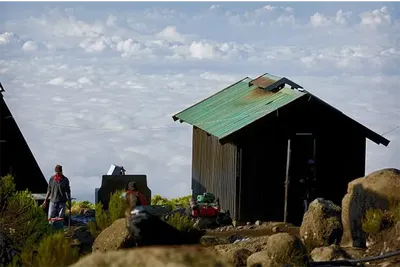
Types of Toilets on Kilimanjaro
During your Kilimanjaro trek, you will encounter a variety of toilet facilities. These can range from simple pit latrines to more sophisticated portable toilets, depending on your route, trekking company, and the campsite you stay at. Understanding the available options will help you prepare accordingly.
Public Long-Drop Toilets
The most common type of toilet found on Kilimanjaro is the public long-drop toilet, which is essentially a pit latrine. These toilets are situated at the campsites and along the major trails. They are basic and can sometimes be unpleasant, especially during peak trekking seasons when they get overused.
Some of the challenges of using long-drop toilets include:
- Unpleasant odors due to limited ventilation.
- Lack of toilet paper or hand sanitizing products.
- Hygiene issues due to high traffic.
- Occasional lack of privacy, as these toilets are shared by many trekkers.
It is advisable to carry your own toilet paper, a small trowel (to cover your waste), and a good supply of hand sanitizer. If you’re sensitive to odors, consider carrying a mask or something to cover your nose.
Private Portable Toilets
Some trekking companies offer private portable toilets for an additional fee. These toilets are chemical toilets that are maintained by the trekking staff. They are housed in small tents and provide a more hygienic and comfortable option for trekkers. Private portable toilets are usually set up in campsites and can be used by trekkers throughout the day and night.
The advantages of private portable toilets include:
- Better cleanliness and less odor.
- Increased privacy and comfort.
- Convenience, especially at night when you don’t want to leave your tent in the cold.
Though more comfortable, portable toilets come with an additional cost and are not available at all campsites. It’s essential to book in advance with your trekking company if you want this option.
Hygiene Tips for the Trek
Maintaining proper hygiene is crucial during your trek to Kilimanjaro. Not only does it keep you comfortable, but it also helps you avoid illnesses and infections that can hinder your climb. Here are some essential hygiene tips to ensure you stay clean and healthy during the trek:
Hand Hygiene
After using the toilet, it’s crucial to wash your hands thoroughly. While there may be soap and water available at some campsites, it’s always wise to carry your own hand sanitizer with at least 60% alcohol content. This is especially important since soap and clean water may not always be available at every location.
Make sure to wash your hands:
- After using the toilet.
- Before eating or handling food.
- After handling anything that could carry germs (e.g., trash, used toilet paper, etc.).
Wet Wipes
Carrying biodegradable wet wipes is an excellent way to freshen up during the trek. Since water can be scarce and showers are not available, wet wipes can be used to clean your face, hands, and body when needed. They’re particularly useful in the absence of soap and water.
Be sure to pack wipes that are environmentally friendly and biodegradable to avoid harming the mountain’s ecosystem.
Toilet Paper
Toilet paper is not always provided at Kilimanjaro campsites, so it’s essential to bring your own supply. Carry it in a resealable plastic bag to keep it dry and clean. Make sure to pack extra toilet paper just in case, as the availability of toilet paper at campsites can be unreliable.
After using the toilet, pack your used toilet paper in a plastic bag and dispose of it properly at designated waste disposal points. Do not leave any trash behind, as Kilimanjaro is a protected environment.
Sanitary Products
Women should bring all necessary sanitary products, including tampons, pads, or menstrual cups. Given the lack of privacy and facilities, a menstrual cup can be a convenient option since it’s reusable and doesn’t require disposal. If you choose to use tampons or pads, make sure to bring a sufficient supply and a way to dispose of them properly.
Personal Hygiene Kit
For your overall hygiene, create a personal hygiene kit containing the following items:
- Toothbrush and toothpaste.
- Biodegradable soap.
- Deodorant (preferably a natural, eco-friendly option).
- Small towel (quick-drying and lightweight).
- Hand sanitizer.
- Dry shampoo for freshening up your hair.
- Anti-chafing cream for sensitive areas.
Remember, when selecting hygiene products, choose eco-friendly, biodegradable options to minimize your environmental impact.
Dealing with Nature Calls on the Trail
Sometimes, you won’t have access to toilet facilities when you’re in the middle of a trek. When this happens, follow these steps to handle the situation with care and responsibility:
Finding a Secluded Spot
If you need to relieve yourself while on the trail, step off the main path and find a secluded spot. It’s important to be at least 30 meters away from water sources to prevent contamination and to respect the privacy of other trekkers.
Dig a small hole, use it for your waste, and cover it up afterward. If you don’t have a trowel, your trekking poles can help dig a small hole.
Leave No Trace
One of the most important principles of trekking on Kilimanjaro is Leave No Trace. This means you must pack out everything you bring in, including used toilet paper and other hygiene products. Carry a waste bag (commonly known as a “wag bag”) to store your waste and dispose of it properly at the campsite. This ensures that Kilimanjaro remains pristine for future trekkers.
Nighttime Needs
If you need to go to the toilet at night, it can be cold and uncomfortable to leave your tent. Some trekkers use a pee bottle inside their tents, which is especially useful for women. Female urination devices (FUDs) can also be a practical option for women, allowing them to urinate standing up, thus reducing the need to leave the warmth of the tent.
Additional Tips
There are a few more tips to help you maintain hygiene and comfort during your Kilimanjaro trek:
Stay Hydrated
Drink plenty of water during your trek to stay hydrated, but be prepared for more frequent bathroom breaks. Carry water purification tablets or a portable filtration system to ensure your water is clean and safe to drink.
Plan Ahead
Before your trek, make sure to discuss toilet arrangements with your trekking company. Know whether you’ll have access to public long-drop toilets or whether private portable toilets are available. Some companies provide a portable toilet at an additional cost, so plan ahead if this is important to you.
Respect the Environment
Always follow the Leave No Trace principles to preserve the environment. Avoid throwing trash or waste in the wilderness and use biodegradable products whenever possible. Your actions contribute to keeping Mount Kilimanjaro clean and beautiful for future trekkers.
FAQs about Toilets and Hygiene on Kilimanjaro
1. Are there showers on Kilimanjaro?
No, there are no shower facilities on Kilimanjaro. Trekking in remote areas means you will rely on wet wipes or limited water for personal hygiene. Make sure to bring biodegradable wet wipes to freshen up during the trek.
2. Can I rent a private toilet?
Yes, many trekking companies offer private portable toilets for an additional fee. These toilets provide more comfort, hygiene, and privacy compared to public long-drop toilets. Be sure to confirm with your trekking company ahead of time if this option is available.
3. What should I pack for hygiene?
Essential hygiene items include hand sanitizer, biodegradable wet wipes, toilet paper, a waste bag (for packing out used toilet paper), a toothbrush and toothpaste, deodorant, a small towel, and any personal sanitary items you might need.
4. How do I handle menstruation during the trek?
Bring necessary sanitary products such as tampons, pads, or menstrual cups. Menstrual cups are especially convenient as they are reusable and don’t require disposal. Always carry a ziplock bag to pack out used sanitary products.
5. Is it safe to use public toilets?
Public toilets on Kilimanjaro are basic, and cleanliness may vary. Always carry your own toilet paper and use hand sanitizer after using the toilet. If you’re concerned about hygiene, consider renting a private portable toilet.