
How to Fly into Tanzania: A Complete Guide for International Travelers
Planning a trip to Tanzania involves understanding the best ways to fly into the country, navigating airport procedures, and ensuring compliance with visa and health requirements. This guide provides detailed information to help you prepare for your journey.
1. Choosing the Right Airport to Fly Into Tanzania
Tanzania boasts several international airports, each serving different regions of the country. The choice of airport depends on your travel itinerary and destination within Tanzania.
- Julius Nyerere International Airport (DAR) – Located in Dar es Salaam, this is the largest and busiest airport in Tanzania, serving as a major hub for international flights.
- Kilimanjaro International Airport (JRO) – Situated near Arusha, this airport is ideal for travelers heading to northern safari destinations like Serengeti and Ngorongoro Crater .
- Zanzibar International Airport (ZNZ) – Serving the island of Zanzibar, this airport is perfect for those planning to explore the island's beaches and historical sites.
- Mwanza Airport (MWZ) – Located in the northwest, this airport is convenient for travelers heading to Lake Victoria and nearby national parks.
2. Booking Your Flight to Tanzania
When booking your flight, consider the following tips:
- Direct Flights: Airlines like KLM and Turkish Airlines offer direct flights from major cities such as Amsterdam and Istanbul to Dar es Salaam. However, direct flights from North America are limited, often requiring connections through European or Middle Eastern hubs.
- Connecting Flights: If direct flights are unavailable, consider connecting through airports like Istanbul (IST), Amsterdam (AMS), or Nairobi (NBO) to reach Tanzania.
- Flight Duration: Depending on your departure city, flight durations can vary. For instance, flights from Europe typically take around 8-10 hours, while those from North America may take 14-16 hours with layovers.
3. Visa Requirements for Tanzania
Most travelers to Tanzania require a visa. There are two primary options:
- eVisa: The Tanzanian government offers an electronic visa application system. Applicants need to fill out an online form, make payment, and submit necessary documents, including a valid passport, passport-sized photo, return ticket, and visa fee payment. Processing times can vary, so it's advisable to apply well in advance.
- Visa on Arrival: Travelers can obtain a visa upon arrival at designated entry points, including major international airports. The visa fee is typically paid in U.S. dollars, and it's essential to have the exact amount in cash. Note that visa policies can change, so it's recommended to check the latest requirements before traveling.
4. Health and Safety Requirements
To ensure a safe and healthy trip, consider the following health requirements:
- Yellow Fever Vaccination: A yellow fever vaccination certificate is required for travelers coming from countries with a risk of yellow fever transmission. This includes several countries in Africa and South America. It's advisable to carry the vaccination certificate with you during your travels.
- Malaria Prophylaxis: Malaria is prevalent in many parts of Tanzania. Consult with a healthcare provider about appropriate malaria prophylaxis before your trip.
- Travel Insurance: It's highly recommended to have comprehensive travel insurance that covers health emergencies, trip cancellations, and lost baggage.
5. Arrival Procedures at Tanzanian Airports
Upon arrival at a Tanzanian airport, follow these steps:
- Disembarkation: After landing, follow signs to the immigration area.
- Immigration: Present your passport, visa (if applicable), and any required documents to immigration officers.
- Baggage Claim: Proceed to the baggage claim area to collect your checked luggage.
- Customs Declaration: Complete any necessary customs declaration forms and proceed through customs inspection.
- Exit: After clearing customs, you can exit the airport and proceed to your next destination.
6. Domestic Travel Within Tanzania
Once in Tanzania, you may wish to travel domestically to explore various regions:
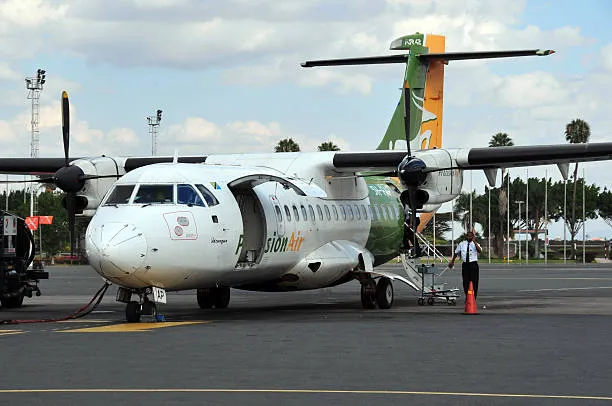
- Domestic Flights: Tanzania has a network of domestic flights connecting major cities and tourist destinations. Airlines like Precision Air and Air Tanzania operate regular flights to locations such as Arusha, Zanzibar, and Mwanza.
- Ground Transportation: Options include taxis, buses, and private transfers. It's advisable to use reputable services and agree on fares in advance when possible.
- Safari Tours: Many travelers opt for organized safari tours. These can be arranged through tour operators and often include transportation, accommodations, and guided services.
7. Travel Tips for Visiting Tanzania
To enhance your travel experience in Tanzania, consider the following tips:
- Currency: The local currency is the Tanzanian Shilling (TZS). While U.S. dollars are widely accepted, it's advisable to have some local currency for smaller purchases.
- Language: Swahili is the national language, but English is widely spoken, especially in urban areas and tourist destinations.
- Time Zone: Tanzania operates on East Africa Time (EAT), which is UTC+3.
- Electrical Outlets: The standard voltage is 230V, and the frequency is 50Hz. Power plugs and sockets are of type D and G.
8. Conclusion
Flying into Tanzania is a straightforward process with proper planning. By understanding the best airports to use, visa requirements, health considerations, and arrival procedures, you can ensure a smooth and enjoyable start to your Tanzanian adventure.