
Insect Bites in Serengeti Safari
Insect bites in Serengeti safari are a real concern for many travelers, but they should not stop you from enjoying the safari. The most important insects to understand are mosquitoes, which matter because of malaria and other mosquito-borne diseases, and tsetse flies, which can give a painful daytime bite in some woodland or bushy areas. Ticks, ants, bees, wasps and other biting flies may also be encountered depending on season, camp location and the route you take.
The good news is that most insect-bite problems can be reduced with practical preparation: neutral long clothing, good repellent for mosquitoes and ticks, screened rooms or bed nets, careful packing, and listening to your guide when passing through tsetse-prone areas. The CDC lists malaria transmission risk in Tanzania in areas below 1,800 metres, and Serengeti safari itineraries can include lower-elevation areas. This is why travelers should speak to a travel-health professional before departure instead of waiting until they arrive in Tanzania.
Quick answer: how to reduce insect bites in Serengeti
- Wear long sleeves and long pants, especially early morning, evening and in bushy areas.
- Use neutral-colored clothing such as khaki, olive, tan, grey or brown.
- Avoid blue, black and very bright colors where tsetse flies may be present.
- Use insect repellent on exposed skin for mosquitoes, ticks and many biting insects.
- Do not rely on repellent alone for tsetse flies; clothing and behavior matter more.
- Sleep in screened rooms or under a mosquito net where rooms are open to the outdoors.
- Check your body for ticks after walking in grass, brush or wooded areas.
- Keep tent or room doors closed, especially around evening lights.
- Ask your doctor about malaria prevention before your Tanzania safari.
- Seek medical advice if fever, rash, severe swelling or worrying symptoms occur after bites.
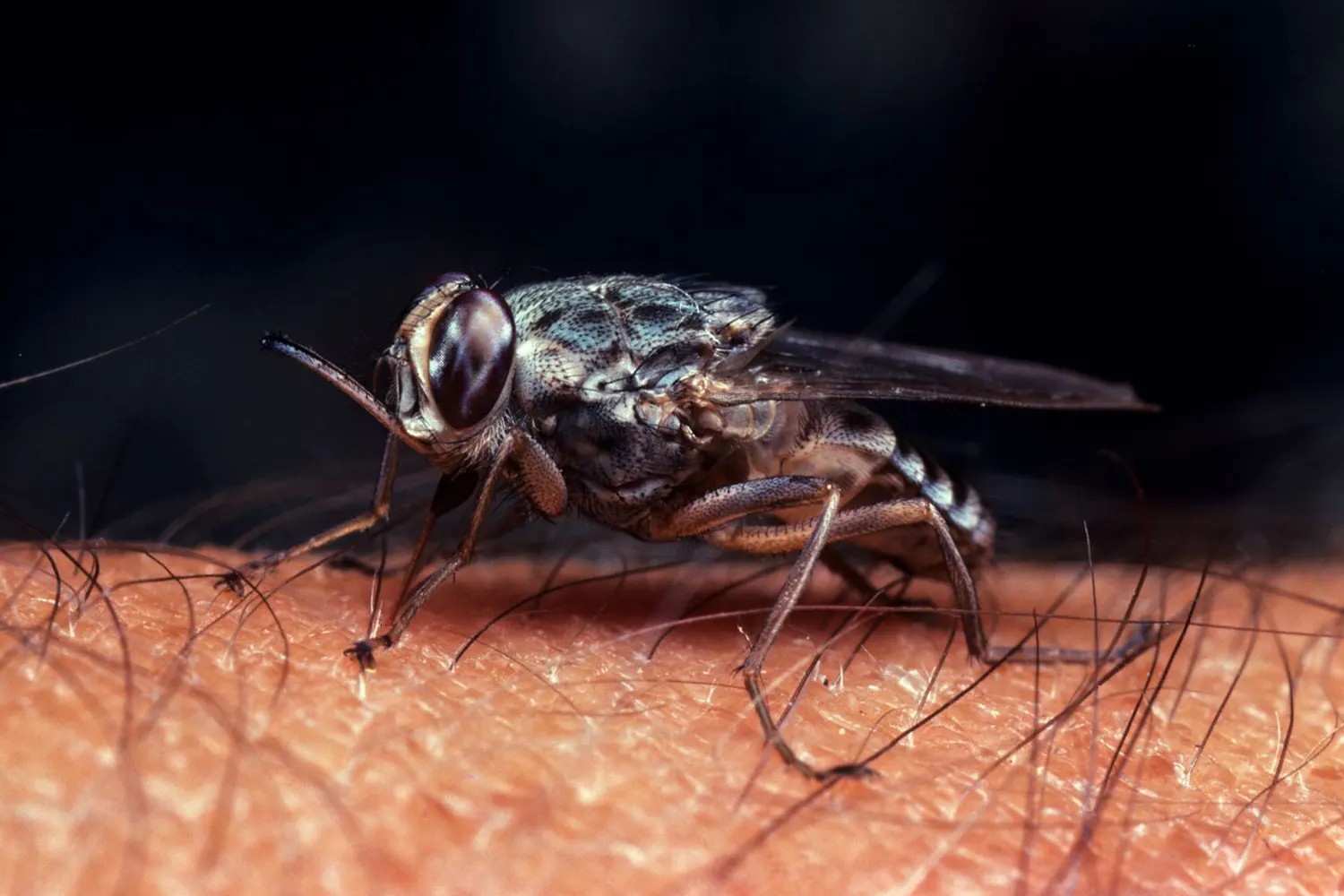
Serengeti insect bites overview table
| Insect | When You May Notice It | Main Concern | Best Prevention |
|---|---|---|---|
| Mosquitoes | Dawn, dusk, night, wet periods, water and vegetation areas | Itching and disease risk, including malaria in Tanzania risk areas | Repellent, long clothing, screened rooms, bed nets and medical advice before travel |
| Tsetse flies | Daytime, bushy or woodland areas, some safari tracks | Painful bite and very rare disease concern in affected regions | Neutral medium-weight clothing, avoid blue/black, check vehicle, avoid disturbing dense bush |
| Ticks | Grass, brush, wooded areas and after walking activities | Irritation and tick-borne disease risk | Long pants, socks, repellent, permethrin-treated gear and body checks |
| Biting flies | Warm daytime conditions near animals, water or bush | Painful or itchy bites | Long clothing, repellent where effective, windows managed by the guide |
| Ants | Camp areas, picnic sites and when standing near nests or trails | Painful bites or stings, especially around feet and ankles | Closed shoes, avoid nests, do not leave food open in camp |
| Bees and wasps | Flowers, food areas, sweet drinks and camp lights | Stings and allergic reactions in sensitive travelers | Cover drinks, avoid perfumes, tell operator about serious allergies |
Are insect bites common in Serengeti?
Insect bites can happen in Serengeti, but the level of discomfort varies greatly. Some travelers return with only a few bites, while others notice more bites because of their clothing, skin sensitivity, travel season, camp location or time spent in bushy areas. The goal is not to create fear. The goal is to understand what can happen and prepare sensibly.
Serengeti is a large natural ecosystem with grassland, woodland, rivers, seasonal water and wildlife. Insects are part of that environment. They are more noticeable at certain times of day and in certain habitats. A good safari guide knows where insects are likely to be a nuisance and can adjust window use, parking position and rest stops when needed.
Mosquito bites in Serengeti
Mosquitoes are the insect most travelers should take seriously because they can transmit diseases in Tanzania. The CDC recommends that travelers going to certain areas of Tanzania take prescription medicine to prevent malaria and states that malaria transmission occurs in all areas below 1,800 metres elevation. The specific medicine and timing depend on the traveler, so medical advice should come from a doctor or travel-health clinic before the safari.
Mosquitoes are often more noticeable around dawn, dusk, night, standing water, vegetation and wetter months. However, they can also bite indoors and at other times depending on the species and local conditions. This is why bite prevention should be consistent rather than used only when mosquitoes are visible.
How to reduce mosquito bites
- Use an appropriate insect repellent on exposed skin.
- Wear long-sleeved shirts, long pants and socks in the evening.
- Stay in rooms with screens, closed doors or air conditioning where available.
- Use a mosquito net if the room or tent is open to the outdoors.
- Keep tent zippers and room doors closed, especially after sunset.
- Ask a travel-health professional about malaria prevention before your trip.
Tsetse fly bites in Serengeti
Tsetse flies are one of the most talked-about safari insects because their bite can be painful. They are usually more active during the day and may be found in bushy, wooded or shaded areas. They can enter vehicles when windows are open or when vehicles stop in certain habitats.
CDC Yellow Book guidance says travelers should wear neutral-colored long-sleeved shirts and long pants because tsetse flies are attracted to bright or dark colors, especially blue and black. It also notes that tsetse flies can bite through lightweight clothing, so medium-weight clothing gives better protection. Repellent and permethrin-treated clothing have not been proven effective against tsetse flies, so clothing choice and avoiding disturbed bushy areas matter.
How to reduce tsetse fly bites
- Wear neutral colors such as khaki, tan, olive, brown or grey.
- Avoid blue, black and very bright clothing in tsetse-prone areas.
- Use medium-weight fabric rather than very thin clothing.
- Keep windows managed when passing through tsetse areas.
- Check the vehicle before entering if flies are visible.
- Avoid walking through heavy vegetation during hot hours unless guided and necessary.
- Do not panic if one enters the vehicle; listen to your guide.
Mosquitoes vs tsetse flies: what is the difference?
| Feature | Mosquitoes | Tsetse Flies |
|---|---|---|
| Most common biting time | Often dawn, dusk and night, though this varies by species | Daytime |
| Where noticed | Water, vegetation, camp areas, rooms and evening settings | Woodland, bushy areas, shaded tracks and some vehicle routes |
| Bite feeling | Usually itchy afterward | Often immediately painful |
| Repellent usefulness | Important for bite prevention | Not proven reliable according to CDC Yellow Book |
| Clothing strategy | Cover skin, especially in evening | Neutral medium-weight clothing; avoid blue, black and bright colors |
| Health planning | Discuss malaria prevention with a clinician | Seek medical advice if fever, rash, severe fatigue or unusual symptoms occur after travel |
Ticks, ants and other biting insects
Ticks are more likely after walking through grass, brush or wooded areas than during a normal vehicle-based game drive. If your safari includes walking activities outside the Serengeti or time in camp vegetation, check clothing and skin afterward. CDC guidance advises checking the entire body for ticks after outdoor activity and removing ticks properly.
Ants can be a nuisance at picnic sites, camps and places where food is left open. Bees and wasps may be attracted to sweet drinks, fruit, flowers and food areas. Biting flies can appear in warm daytime conditions. Most of these issues are manageable with clothing, footwear, food discipline and awareness.
Simple prevention for smaller biting insects
- Wear closed shoes and socks around camp.
- Avoid standing near ant trails or nests.
- Keep food closed and avoid leaving sweet drinks open.
- Check socks, ankles and legs after walking in grass.
- Shake out shoes before wearing them if they were left outside.
- Tell your operator in advance if you have serious insect-sting allergies.
When are insect bites worse in Serengeti?
Insects do not follow a perfect calendar, but season and habitat matter. Wet periods can increase mosquito activity, while tsetse flies are more related to specific habitats and daytime conditions than to evening camp life. Dry season reduces some mosquito pressure but does not remove all insects.
| Season or Situation | Insect-Bite Risk | Practical Advice |
|---|---|---|
| June to October dry season | Less standing water in many areas, but dust and daytime biting flies may still occur | Use repellent, protect skin and carry dust protection |
| November to December short rains | Fresh water and vegetation can increase mosquito activity in some areas | Be consistent with evening bite prevention and room protection |
| March to May long rains | Higher chance of mosquitoes, wet grass and muddy conditions | Pack waterproof gear, repellent and quick-drying clothing |
| Dawn and dusk | Mosquito activity can increase | Cover skin and apply repellent before leaving the tent or lodge |
| Hot daytime bushy areas | Tsetse flies and biting flies may be noticeable | Wear neutral medium-weight clothing and follow guide advice |
| Camp lights at night | Small insects may gather near lights | Keep doors closed and avoid leaving lights on with doors open |
What to wear to reduce insect bites
Clothing is one of the strongest tools for reducing insect bites. It protects skin, reduces the amount of repellent needed and helps with sun and dust. For Serengeti, neutral safari colors are practical not only for appearance, but also because bright or dark clothing can be more attractive to some biting flies.
Recommended safari clothing
- Long-sleeved neutral safari shirts.
- Long neutral trousers or convertible trekking pants.
- Medium-weight fabric in tsetse-prone areas.
- Comfortable socks that cover ankles.
- Closed shoes for camp and picnic stops.
- Light scarf, buff or neck gaiter for dust and extra coverage.
- Warm layer for early morning game drives.
Colors to avoid in tsetse areas
- Black.
- Dark blue.
- Bright blue.
- Very bright or shiny colors.
- Thin tight clothing that insects can bite through more easily.
Insect repellent and treated clothing
CDC travel guidance recommends using appropriate insect repellent and treating clothing and gear with 0.5% permethrin for many biting insects. Permethrin should be used on clothing and gear, not directly on skin. EPA- registered repellents can include ingredients such as DEET, picaridin, IR3535, oil of lemon eucalyptus, PMD or 2-undecanone. Always follow product instructions and age guidance.
For Serengeti, the important detail is that repellents are useful for mosquitoes and many biting insects, but they should not be considered a reliable shield against tsetse flies. For tsetse exposure, clothing color, fabric thickness and behavior are more important.
Repellent use checklist
- Apply repellent to exposed skin according to the label.
- Do not apply repellent under clothing.
- Reapply when the product label says protection has expired.
- Use sunscreen first, then repellent if using both.
- Keep repellent away from eyes, mouth and open skin irritation.
- Do not use permethrin directly on skin.
- Use child-safe products only according to official product guidance.
Sleeping safely: mosquito nets, screens and camp habits
Many safari camps and lodges are designed with screens, mosquito nets or other insect-control habits. Still, travelers should use them correctly. A mosquito net left open or a tent door left unzipped can remove the benefit.
Evening and sleeping habits
- Close tent zips and room doors immediately after entering.
- Check that the mosquito net is tucked properly if used.
- Avoid leaving bright lights on with doors open.
- Keep luggage closed when not in use.
- Use long sleeves and socks during dinner if mosquitoes are active.
- Tell camp staff if you notice many insects inside your room or tent.
What to do if you are bitten
Most insect bites cause temporary itching, swelling or discomfort. CDC guidance advises avoiding scratching bug bites and using products such as hydrocortisone cream or calamine lotion to reduce itching. Scratching can irritate the skin and may increase the chance of infection.
However, travelers should take symptoms seriously if they go beyond ordinary local irritation. Fever, worsening swelling, pus, rash, severe headache, unusual fatigue, muscle aches or symptoms that appear after travel should be discussed with a medical professional. Tell the clinician where you traveled and when the bite happened.
Basic bite-care kit
- Anti-itch cream recommended by your pharmacist or doctor.
- Antihistamine tablets if suitable for you and approved by your doctor.
- Small antiseptic wipes.
- Plasters or bandages.
- Personal prescription medicine.
- Travel insurance and emergency contact details.
When to seek medical advice
Do not ignore worrying symptoms during or after a Serengeti safari. Some insect-related illnesses may begin after the trip. A doctor needs to know that you were in Tanzania and that you were on safari.
Seek medical advice if you notice:
- Fever during or after travel.
- Severe or increasing swelling around a bite.
- Rash, pus or spreading redness.
- Severe headache, unusual tiredness or muscle aches.
- Breathing difficulty, facial swelling or signs of allergic reaction.
- A tick attached to the skin or a bite that becomes worse instead of better.
- Any symptom that worries you after returning home from safari.
Can insect bites ruin a Serengeti safari?
Insect bites can be annoying, but they rarely ruin a well-prepared safari. Problems usually become bigger when travelers arrive with bright clothing, no repellent, no long sleeves, no medical advice and unrealistic expectations. A safari is an outdoor wilderness experience. Some insects are normal.
The best approach is simple: prepare before travel, dress correctly, listen to your guide, use camp protection properly and speak to a medical professional for personal health decisions. With this approach, insect bites become a manageable part of safari planning rather than a reason to avoid Serengeti.
Insect-bite packing checklist for Serengeti safari
| Item | Why It Helps | Important Note |
|---|---|---|
| Insect repellent | Reduces mosquito and many biting-insect bites | Use according to label instructions |
| Long neutral shirts | Covers skin and helps in tsetse-prone areas | Avoid blue, black and very bright colors |
| Long trousers | Protects legs from mosquitoes, ticks and grass contact | Medium-weight fabric is better for tsetse areas |
| Socks and closed shoes | Protects ankles and feet around camp and picnic sites | Useful for ants, ticks and evening mosquitoes |
| Anti-itch cream | Helps manage mild itching from bites | Ask a pharmacist or doctor what suits you |
| Personal medication | Supports known allergies or medical needs | Carry in hand luggage and inform your guide if necessary |
| Hand sanitizer and wipes | Helps clean hands before touching irritated skin | Avoid aggressive scratching |
| Travel-health documents | Helps if medical care is needed during travel | Include insurance and emergency contact numbers |
Best safari habits for avoiding insect bites
- Dress before insects become active: do not wait until mosquitoes are biting.
- Use repellent consistently: especially before dawn, dusk and evening meals.
- Choose neutral colors: especially when passing through woodland or tsetse areas.
- Keep doors and zips closed: tents and rooms only protect you when closed properly.
- Follow guide advice: guides know when to keep windows up or avoid certain stops.
- Avoid scratching bites: manage itching early to reduce skin irritation.
- Check for ticks: especially after walking in grass or bush.
- Get medical advice before travel: especially about malaria prevention and personal risks.
Final advice
Insect bites in Serengeti safari are manageable when you prepare properly. The most important step is not buying the strongest product at the last minute. It is understanding the difference between mosquitoes, tsetse flies, ticks and other insects, then using the right protection for each situation.
For mosquitoes, use repellent, long clothing, screened rooms, bed nets and medical advice about malaria prevention. For tsetse flies, rely more on neutral medium-weight clothing, avoiding blue and black, checking the vehicle and following guide instructions. For ticks and camp insects, use closed shoes, socks, body checks and simple camp discipline. With these habits, Serengeti can remain comfortable, safe and deeply enjoyable.
Frequently asked questions about insect bites in Serengeti safari
1. Are insect bites common on Serengeti safari?
They can happen, but they are usually manageable with good clothing, repellent, screened rooms, bed nets and guide advice.
2. What insects bite in Serengeti?
Mosquitoes and tsetse flies are the most discussed. Ticks, ants, biting flies, bees, wasps and other insects may also be encountered depending on season and location.
3. Are mosquitoes a problem in Serengeti?
Mosquitoes may be present, especially around water, vegetation, wetter months and evening or night conditions. Travelers should use bite prevention and seek medical advice about malaria prevention.
4. Is malaria a risk during Serengeti safari?
CDC lists malaria transmission risk in Tanzania in areas below 1,800 metres. Travelers should ask a travel-health professional about malaria prevention for their exact itinerary.
5. Are tsetse flies dangerous?
Tsetse fly bites can be painful. Disease transmission to travelers is uncommon, but symptoms such as fever, rash, headache, unusual fatigue or a concerning sore after travel should be checked by a medical professional.
6. Does repellent stop tsetse flies?
CDC Yellow Book says insect repellent and permethrin-treated clothing have not been proven effective against tsetse flies. Neutral medium-weight clothing and avoiding tsetse-prone situations are more important.
7. What colors should I avoid?
Avoid blue, black and very bright colors in tsetse-prone areas. Neutral colors such as khaki, tan, olive, grey and brown are better for safari.
8. Should I sleep under a mosquito net?
Use a mosquito net if your room or tent is open to the outdoors or if screens and air conditioning are not available. Keep doors and zips closed.
9. What should I do after a bite?
Do not scratch. Clean the area and use a suitable anti-itch product if needed. Seek medical help if symptoms become unusual or severe.
10. Can children go on safari with insect-bite concerns?
Yes, but parents should speak to a travel-health professional before travel and use age-appropriate repellent, clothing and sleeping protection.
11. Are insect bites worse in rainy season?
Mosquito activity can increase with rain, standing water and vegetation. Tsetse flies are more related to daytime bushy or woodland habitats than night-time camp conditions.
12. Can Jaynevy Tours help reduce insect-bite problems?
Yes. Jaynevy Tours can advise on season, packing, clothing, camp selection and practical safari habits to make your Serengeti safari more comfortable.
Data notes and trusted sources
This guide uses official travel-health reference points available in June 2026. Insect activity, health requirements and medical advice can change, so travelers should check official guidance and speak to a qualified health professional before travel.
- CDC Tanzania traveler health information
- CDC Travelers' Health: Avoid bug bites
- CDC: Preventing mosquito bites
- CDC Yellow Book: Mosquitoes, ticks and other arthropods
- UNESCO World Heritage Centre: Serengeti National Park
For help planning a comfortable Serengeti safari with practical advice on clothing, camps and season, contact Jaynevy Tours via email at info@jaynevytours.com or WhatsApp at +255 678 992 599.