
Quick answer: is Katavi National Park worth visiting?
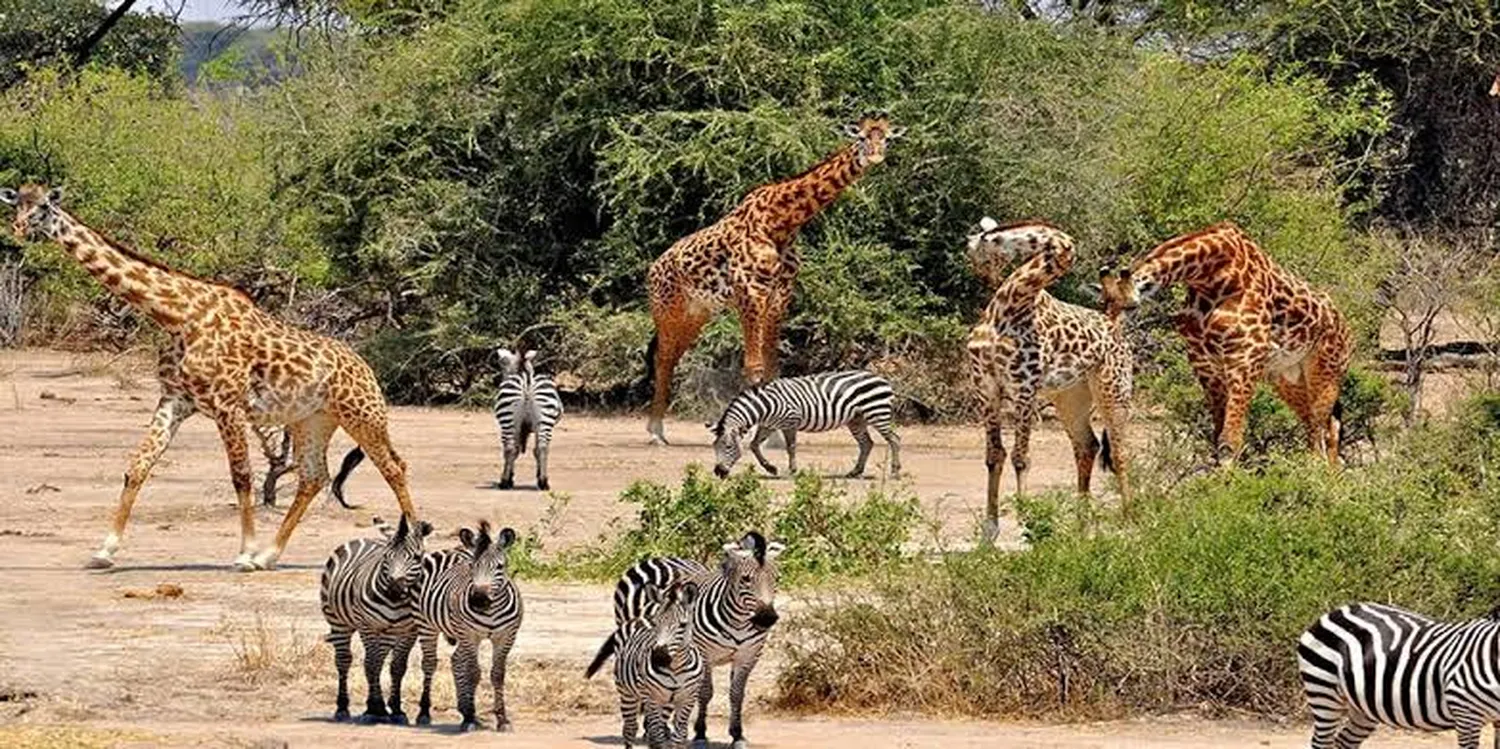
Yes—Katavi is worth the journey for experienced safari travellers, photographers and wildlife-focused visitors who can spend at least three nights in the park. Its strongest appeal is not a checklist of the Big Five. It is the combination of huge floodplains, seasonal buffalo concentrations, elephant, lion, crowded hippo pools, crocodiles and an unusually low number of safari vehicles.
The main trade-off is cost and logistics. Scheduled flights are limited, camps are few, many operate seasonally and a short stay can feel expensive because aviation costs are spread across only three or four nights. A first-time visitor with five total safari days may get better value from northern Tanzania; a repeat visitor seeking wilderness may consider Katavi one of the country's most rewarding parks.
Katavi National Park at a glance
| Planning point | Practical answer |
|---|---|
| Location | Western Tanzania, east of Lake Tanganyika and south of Mpanda |
| Official park area | Approximately 4,471 km² |
| Best wildlife period | Broadly June to October; September and October bring the most intense water pressure |
| Recommended stay | 3–4 nights; the official TANAPA guide advises at least three days |
| Signature wildlife | Buffalo, elephant, hippo, crocodile, lion, giraffe, zebra, topi and waterbirds |
| Birdlife | More than 400 recorded species |
| Main access | Light aircraft; scheduled western-circuit service is limited to selected days |
| Best combined with | Mahale Mountains, Ruaha or a longer western Tanzania itinerary |
| Crowd level | Very low compared with Serengeti, Ngorongoro and Tarangire |
| Ideal traveller | Repeat safari guest, photographer, birder or wilderness enthusiast |
What makes a Katavi safari different?
Katavi feels less managed than Tanzania's better-known circuits. The central experience is the changing relationship between water and wildlife. During the rains, animals spread into a much larger ecosystem. As rivers, lakes and floodplains contract, wildlife returns to permanent or semi-permanent water.
That concentration can create scenes that are difficult to find elsewhere: long lines of buffalo crossing open plains, elephants arriving at river systems, hippos compressed into shrinking pools and crocodiles using riverbank cavities during the driest period. Sightings remain natural and unpredictable, but the absence of vehicle congestion often gives guides more freedom to watch behaviour patiently.
Who should choose Katavi—and who should not?
| Katavi is a strong choice for | Another park may be better for |
|---|---|
| Travellers who have already visited Serengeti or Ngorongoro | First-time safari guests with only two or three days |
| Photographers who value fewer vehicles | Travellers who need daily flight flexibility |
| Wildlife enthusiasts interested in behaviour and habitat | Visitors whose priority is guaranteed Big Five coverage |
| Guests comfortable with small bush aircraft and remote camps | Anyone who needs a large resort, extensive facilities or easy medical access |
| Travellers combining Katavi with Mahale | Guests on a tightly timed international-flight connection |
Compare Katavi packages on the Katavi National Park tours page, or review the 3-day Katavi safari and 5-day Katavi itinerary.
How do you fly to Katavi National Park?
Most international visitors reach Katavi by light aircraft. The important point is that Katavi is not served like a busy northern-circuit airstrip with multiple convenient departures every day. Western-circuit schedules are built around specific operating days, minimum passenger requirements, seasonal demand and the routing required on that date.
Safari Air Link's published 2026/2027 timetable shows western-circuit services on Mondays and Thursdays during the main June–October season, with some routes available on request from November to February. It also states that flights are suspended from the end of March to the beginning of June and that exact routing can change according to bookings.
Published Katavi flight examples for 2026/2027
The figures below are examples from Safari Air Link's published rack timetable for travel from 1 June 2026 to 31 March 2027. They are one-way rack fares in US dollars and should be reconfirmed because taxes, minimum-seat requirements, routing and government charges can change.
| Published route | Indicative time | Rack fare + listed tax | Important condition |
|---|---|---|---|
| Ruaha to Katavi | 07:00–08:50 | USD 615 + USD 10 | Monday and Thursday, June–October |
| Katavi to Ruaha | 10:40–12:25 | USD 615 + USD 10 | Monday and Thursday; on request in parts of Nov–Feb |
| Katavi to Dar es Salaam | 10:40–16:45 | USD 925 + USD 10 | Routing includes stops; timing is approximate |
| Katavi to Zanzibar | 10:40–16:15 | USD 1,050 + USD 10 | Monday and Thursday; routing varies |
| Katavi to Mahale | 08:30–09:30 | USD 510 + USD 10 | Published minimum of four passengers |
| Seronera to Ruaha connection | Published on selected days | Varies by routing | Useful for combining northern and western circuits, but not daily |
These are timetable examples, not a promise that every leg will operate for one or two passengers. A specialist itinerary should be built around confirmed seats before non-refundable lodge nights or international connections are finalised. See the broader Tanzania fly-in safari guide.
Katavi flight baggage rules and connection planning
Safari Air Link publishes a total luggage allowance of 23 kg per passenger, including hand luggage. Bags must be soft-sided, and the published maximum bag size is 77.5 × 37 cm. Hard-shell suitcases may be refused because small aircraft have narrow luggage holds.
- Use one soft duffel and a small camera bag.
- Tell the operator about heavy camera equipment before tickets are issued.
- Reconfirm the flight at least 72 hours before departure.
- Avoid same-day international departures after a long multi-stop Katavi flight.
- Keep medicine, documents and one change of clothing in hand luggage.
- Expect approximate, not guaranteed, departure and arrival times.
The safest plan is to spend a final night in Dar es Salaam, Zanzibar, Arusha or another well-connected point before an important international flight.
Can you drive to Katavi?
You can, but Katavi is rarely a sensible road add-on to a short Tanzania holiday. TANAPA's national-park guide lists roughly 550 km from Mbeya, around 390 km from Kigoma in the dry season and approximately 1,400 km from Dar es Salaam, with the Dar journey requiring more than 20 hours of driving.
| Access method | Advantages | Limitations |
|---|---|---|
| Scheduled bush flight | Fastest practical access; connects well with Ruaha and Mahale | Limited days, seasonal service and high fare |
| Private charter | More control over date and routing | Expensive, especially for two travellers |
| 4x4 from Mbeya | Useful in a long western or southern overland expedition | Full-day drive and road conditions vary |
| Road from Dar | Possible for expedition-style travel | About 1,400 km and more than 20 hours before stops |
| Train to Mpanda plus road | Lower-cost adventure for flexible travellers | Slow, timetable-sensitive and not a standard luxury safari |
For most visitors, the road only makes sense when the journey itself is part of the trip and at least two extra travel days are available.
What is the best time to visit Katavi?
July to October is the most dependable period for concentrated wildlife, with September and October usually producing the most dramatic dry-season scenes. June is attractive for cooler conditions and a greener landscape, while November can offer fewer visitors and fresh vegetation if flights and camps are operating.
| Period | Wildlife and landscape | Access and price | Best for |
|---|---|---|---|
| June | Plains drying; wildlife begins returning to key areas | Scheduled season starts; some lower shoulder rates | Cooler mornings, green-gold scenery |
| July–August | Strong general game viewing; vegetation thins | Good scheduled access; high-season rates | First Katavi visit, walking and photography |
| September–October | Maximum pressure around remaining water; dust and heat increase | Peak demand and strongest wildlife concentration | Hippo pools, buffalo and dramatic behaviour |
| November | Possible first rains; greener landscape; wildlife starts dispersing | Some camps remain open; flights may be on request | Value, birding and fewer guests |
| December–February | Green season, migratory birds, dispersed game and afternoon storms | Limited seasonal inventory and request-based flights | Birders and repeat visitors |
| March–May | Heavy rain, high grass and difficult internal roads | Many camps close; scheduled services may be suspended | Generally not recommended for a first trip |
For a wider seasonal comparison, read the best time to visit Tanzania.
Month-by-month Katavi planning guide
June: the park begins to open up
The rains have recently ended, the plains can remain green and the air is often cooler. Wildlife is returning toward open areas, although tall grass may still make smaller predators difficult to see. June suits travellers who prefer softer light and less severe heat.
July and August: reliable all-round safari months
Water recedes, roads improve and game becomes easier to locate. Buffalo, elephant, giraffe, zebra and topi use the plains and river systems, while walking conditions improve as vegetation dries.
September and October: peak dry-season drama
These months usually deliver the strongest concentrations. TANAPA's guide describes buffalo herds around 1,000 strong on dried floodplains and hippos and crocodiles increasingly confined to pools and wallows. The scenes can be extraordinary, but days are hotter and dustier.
November to February: green season with compromises
Rain transforms the park quickly. Birding improves, colours become richer and there may be almost no other visitors. Large mammals disperse, grass rises and some camps or flights stop operating, so the itinerary needs careful confirmation.
March to May: difficult access and seasonal closures
This is the least practical period. Some roads become unreliable, the park's wildlife spreads widely and the main scheduled aviation season is suspended. A trip should only be considered after current camp and park-access checks.
What wildlife can you see in Katavi?
| Wildlife | What Katavi is known for | Expectation to set |
|---|---|---|
| Buffalo | Large dry-season herds across Chada and Katisunga plains | One of the park's strongest and most reliable highlights |
| Hippo | Large pods compressed into shrinking river pools | Most dramatic late in the dry season |
| Crocodile | Concentrations around remaining water and riverbanks | Best observed with patient guiding near water systems |
| Elephant | Regular use of plains, woodlands and rivers | Often seen, especially as the dry season advances |
| Lion | Prides follow buffalo and plains game | Good potential, but not guaranteed each drive |
| Leopard and hyena | Present in riverine and woodland habitats | Leopard remains an unpredictable sighting |
| Plains game | Topi, zebra, giraffe, impala, reedbuck and waterbuck | Strong variety across floodplains and woodland edges |
| Birds | Waterbirds, storks, raptors and seasonal migrants | More than 400 species recorded |
| Rhino | Not a normal Katavi safari expectation | Do not choose Katavi for a Big Five checklist |
The Katavi hippo and crocodile spectacle
Katavi's most famous wildlife story develops as water disappears. Hippos that occupied separate stretches of river are forced into smaller pools. Crocodiles gather at remaining water or shelter in riverbank cavities. Competition rises, and guides may observe territorial displays and intense interactions.
This is not a staged attraction and no exact pool can be guaranteed months in advance. Rainfall, river flow and local water levels determine where the strongest concentration forms. A camp with experienced local guides is more important than a rigid promise to visit one named site.
Is Katavi good for birdwatching?
Yes. TANAPA records more than 400 bird species, including fish eagles, bateleurs, vultures, herons, plovers, spoonbills, open-billed storks, yellow-billed storks and saddle-billed storks. Migratory species are most prominent from roughly November to April.
Dry-season birding concentrates around rivers and pools, while the green season brings migrants, breeding colour and richer vegetation. Serious birders should ask for a guide who is comfortable identifying calls and smaller woodland species, not only large mammals.
Where do game drives focus inside Katavi?
Most short safaris concentrate on the Chada and Katisunga plains, the Katuma River system and productive lake or swamp edges. These areas combine open visibility with access to water, woodlands and predator habitat.
- Chada Plain: open landscape, buffalo, elephant and classic wide-angle scenery.
- Katisunga Plain: seasonal floodplain used by large herbivore concentrations.
- Katuma River: hippo, crocodile, waterbirds and dry-season wildlife movement.
- Lake Chada and Lake Katavi areas: changing seasonal water, birds and plains game.
- Miombo woodland edges: quieter routes, elephant, giraffe and less predictable species.
The park is large, and one three-night visit does not cover everything. A good guide chooses areas according to current water and recent sightings rather than repeating the same circuit mechanically.
What activities are available?
| Activity | Why do it | Planning note |
|---|---|---|
| Day game drives | Main way to cover plains, rivers and woodland | Early morning and late afternoon are most comfortable |
| Full-day game drive | Allows distant areas and long wildlife observations | Carry breakfast, lunch, water and sun protection |
| Guided walking safari | Tracks, plants, birds and a ground-level sense of scale | Must be arranged with qualified guides and required park support |
| Fly-camping | Simple overnight wilderness experience away from main camp | Seasonal, premium-priced and not offered by every camp |
| Birding | Waterbirds, raptors and woodland species | Best with a specialist or bird-confident guide |
| Cultural visit | Local history linked to the Katabi tradition and surrounding communities | Should be community-led and arranged respectfully |
How many nights should you spend in Katavi?
Three nights is the practical minimum; four nights is better. The flight schedule may consume part of the arrival and departure days, so three nights usually create two strong full-day wildlife windows. Four nights gives a weather buffer, allows a walking safari and reduces pressure to chase every sighting.
| Stay length | What it provides | Verdict |
|---|---|---|
| 2 nights | One full day plus partial arrival/departure drives | Too short for the cost and flight effort |
| 3 nights | Two full wildlife days | Minimum sensible stay |
| 4 nights | Three full days and time for a walk or distant area | Best balance for most travellers |
| 5 nights | Slow pace, specialised photography and varied habitats | Excellent for enthusiasts |
See the 4-day Katavi safari for the minimum fly-in format.
Sample 4-day Katavi fly-in itinerary
Day 1: fly into Katavi and begin with an afternoon game drive
Arrive at the airstrip, meet the camp guide and transfer through the park. After lunch and a briefing, explore a nearby river or plain. Keep this first drive flexible because flight routing may shift.
Day 2: Chada and Katisunga plains
Leave early with breakfast or return to camp after a morning drive. Focus on buffalo, elephant, plains game and predators using woodland edges. A full-day drive works well in late dry season when wildlife is concentrated.
Day 3: Katuma River and optional walking safari
Visit productive river pools for hippos, crocodiles and waterbirds. A guided walk can replace one vehicle session when conditions, camp programme and park arrangements allow.
Day 4: final drive and flight onward
Use the morning for a short drive or relaxed breakfast depending on the confirmed departure. Fly to Ruaha, Mahale, Dar es Salaam, Zanzibar or the next connection in the itinerary.
How much does a Katavi safari cost in 2026/2027?
A realistic four-day, three-night fly-in Katavi safari commonly needs a planning budget of about USD 3,000–7,000 per person sharing. The lower end uses a simpler seasonal camp and carefully matched scheduled flights. Premium camps, private guiding, single supplements, charter sectors and a Katavi–Mahale combination can raise the total significantly.
| Trip style | Indicative 2026/2027 planning range | What usually drives the cost |
|---|---|---|
| 4 days / 3 nights, good-value camp | USD 3,000–4,800 pp sharing | Return flights, full board, shared game drives and park fees |
| 4 days / 3 nights, premium camp | USD 4,800–7,000+ pp sharing | Higher nightly rate, inclusive activities and stronger guiding package |
| 5 days / 4 nights | USD 4,000–8,500+ pp sharing | One additional camp night and park-fee period |
| Katavi plus Mahale, 7–8 days | USD 9,000–16,000+ pp sharing | Two remote camps, internal western flight and chimpanzee activities |
| Private charter or solo travel | Often substantially higher | Empty-seat costs, single room and dedicated aircraft or vehicle |
These are planning estimates, not fixed package prices. Use the Tanzania safari cost guide to compare Katavi with other circuits.
What are you paying for?
| Cost component | Why it is significant in Katavi |
|---|---|
| Bush flights | Long distances, limited operating days and minimum passenger requirements |
| Camp accommodation | Remote staffing, food, fuel, maintenance and seasonal setup |
| Game-drive package | Guide, specialist vehicle, fuel, recovery equipment and airstrip transfers |
| Park fees | Conservation entry charged by visitor category and time period |
| Concession or overnight fees | May apply separately depending on camp and current TANAPA tariff |
| Single supplement | Remote camps have few rooms and high fixed operating costs |
| Special activities | Walking, fly-camping, private vehicle or specialist guide may be extra |
| Taxes and levies | Government and tourism charges may be included or shown separately |
Published camp-rate examples
Published rates illustrate the difference between accommodation tiers, but inclusions are not identical. Nomad's 2026 Chada Katavi page lists seasonal prices from about USD 865 per person per night in June and November and about USD 1,130 in July–October. Its broader western Tanzania planner recommends three nights and gives a general Chada range around USD 825–1,075 per person per night.
Katavi Wildlife Camp is positioned as a more accessible seasonal option, while published reseller examples for 2026 show roughly USD 445 per person sharing in June and shoulder periods and USD 575 in July–October. These figures are useful benchmarks only. Check whether game drives, drinks, laundry, airstrip transfers, park fees, concession fees and taxes are included before comparing two rates.
TANAPA fee benchmark and why it needs reconfirmation
TANAPA's public tariff page currently displays a Katavi non-resident entry benchmark of USD 35.40, an EAC-citizen benchmark of TZS 11,800 and a resident benchmark of TZS 5,900. However, the page carries an older financial-year label. Treat these values as a reference, not a guaranteed 2026/2027 invoice.
A correct quotation should identify the current conservation fee, vehicle charges, concession or camping fee, activity charges and applicable taxes. The operator should also explain how many 24-hour park periods are included.
What should a Katavi package include?
- Confirmed bush flights and all stated aviation taxes.
- Airstrip transfers in Katavi.
- Accommodation and clearly defined meal plan.
- Scheduled or private game drives as specified.
- Professional English-speaking safari guide.
- Park entry, overnight or concession charges where stated.
- Drinking water during activities.
- Emergency contact and flight-reconfirmation support.
Common exclusions are international flights, travel insurance, visas, premium drinks, tips, private vehicle supplements, fly-camping, medical costs and baggage above the airline limit.
Katavi accommodation: what should you compare?
Do not compare camps using room photos alone. The camp's game package, airstrip transfer, operating dates and location can matter more than décor.
- Location: distance from Chada, Katisunga or the river systems you want to explore.
- Included activities: shared drives, private drives, walking and fly-camping.
- Vehicle policy: maximum guests per vehicle and whether photographers can reserve private use.
- Operating months: many properties close for part of the rains.
- Power and communication: charging, Wi-Fi limits and emergency systems.
- Children: minimum ages for walks, fly-camping and shared game drives.
Should you combine Katavi with Mahale?
Katavi and Mahale are one of Tanzania's strongest specialist combinations. Katavi provides open-plains wildlife and dry-season drama; Mahale adds Lake Tanganyika, forest scenery and chimpanzee trekking. Published western-circuit flights can link the two in roughly one hour on selected days.
The combination usually needs at least seven or eight days because both destinations reward three-night stays. Review the 8-day Katavi and Mahale safari, the Mahale chimpanzee trekking guide and the 10-day Katavi, Mahale and Gombe itinerary.
Katavi versus Serengeti, Ruaha and Nyerere
| Destination | Main strength | Access | Choose it when |
|---|---|---|---|
| Katavi | Remoteness, buffalo, hippo pools and almost no traffic | Limited western-circuit flights | You prioritise wilderness over convenience |
| Serengeti | Big cats, migration and broad accommodation choice | Multiple daily air routes and roads | It is your first major Tanzania safari |
| Ruaha | Large wilderness, predators and southern/eastern species overlap | Daily southern-circuit flights in season | You want remote safari with easier access than Katavi |
| Nyerere | River scenery, boat safaris and wild dogs | Frequent flights from Dar and Zanzibar | You want varied activities in a shorter trip |
Health, safety and packing for remote Katavi
Katavi is far from major hospitals, so comprehensive travel insurance with medical evacuation cover is important. Speak with a qualified travel-health professional about vaccines and malaria prevention for your personal circumstances.
- Soft duffel within the airline's 23 kg total allowance.
- Neutral, lightweight clothing and a warm layer for early drives.
- Wide-brim hat, high-protection sunscreen and sunglasses.
- Closed shoes for walking and camp movement after dark.
- Binoculars and camera dust protection.
- Personal medicines in original packaging.
- Power bank and spare camera batteries.
- Reusable water bottle where the camp supports safe refilling.
Common Katavi planning mistakes
- Booking only two nights. Flight days reduce useful safari time.
- Choosing dates before checking flight days. Katavi's schedule should shape the itinerary.
- Connecting directly to an international flight. Multi-stop bush flights can change timing.
- Comparing camp rates without inclusions. A lower room rate may exclude game drives and transfers.
- Expecting Serengeti-style species density all year. Katavi's strongest concentration is seasonal.
- Overpacking. Soft-bag and weight rules are operational, not optional.
- Planning around a guaranteed hippo pool. Water conditions change each year.
- Treating Katavi as a Big Five checklist. The value is wilderness and behaviour, not rhino coverage.
Katavi booking checklist for 2026/2027
- Confirm the exact camp opening dates.
- Secure flight seats before paying non-refundable accommodation.
- Check the minimum passenger basis for every flight sector.
- Ask whether the fare is rack, net or fully taxed.
- Confirm the airstrip and transfer time to camp.
- Request an itemised list of government fees.
- Check shared versus private vehicle arrangements.
- Review walking-safari age and fitness rules.
- Buy travel and evacuation insurance.
- Schedule a buffer night before the international departure.
Data notes and trusted sources
This guide uses official TANAPA park information for park size, access distances, wildlife seasonality and bird records; the current TANAPA online tariff display for fee benchmarks; Safari Air Link's 2026/2027 rates and timetable for schedule, fare and baggage examples; and current camp information from Nomad Tanzania, Katavi Wildlife Camp and Mbali Mbali.
Flight schedules, government fees, wildlife distribution and lodge rates can change. Numerical prices in this article are planning benchmarks. Reconfirm every flight, camp opening, tax and authority fee for the exact travel dates before presenting or accepting a final quotation.
Frequently asked questions
How many days do you need in Katavi National Park?
Plan at least three nights. Four nights is better because it creates three full wildlife days and leaves room for a walking safari or a distant game-drive area.
What is the best month for Katavi?
September and October usually provide the most intense dry-season concentrations. July and August offer a strong balance of wildlife, cooler conditions and reliable access.
Can you fly directly from Dar es Salaam to Katavi?
Western-circuit flights can connect Katavi with Dar, but the routing may include stops and does not operate like a simple daily nonstop service. Confirm the exact operating day, routing and minimum passenger basis.
Can you fly from Zanzibar to Katavi?
Published schedules include Katavi–Zanzibar connections on selected western-circuit days. The journey is normally multi-stop and should not be treated as a guaranteed direct flight.
How much is a flight to Katavi?
Published one-way 2026/2027 examples range from about USD 615 plus tax between Ruaha and Katavi to about USD 925–1,050 plus tax from Katavi to Dar or Zanzibar. Actual quotes depend on route, seats and season.
How much does a Katavi safari cost?
A four-day, three-night fly-in safari commonly needs a planning budget around USD 3,000–7,000 per person sharing. Premium camps, private charter sectors and solo travel can cost more.
Does Katavi have the Big Five?
Katavi is excellent for buffalo, elephant and lion, while leopard is present but unpredictable. Rhino is not a normal viewing expectation, so Katavi should not be sold as a guaranteed Big Five destination.
Are there many tourists in Katavi?
No. Katavi is one of Tanzania's least-visited major safari parks. Even in the dry season, vehicle numbers are generally low compared with the northern circuit.
Is Katavi suitable for children?
It can suit older, safari-experienced children who are comfortable with small aircraft, long drives and remote camps. Families should check camp age policies and restrictions for walks or fly-camping.
Is Katavi open during the rainy season?
The park exists year-round, but many camps and scheduled flights close or become request-only during the rains. March to May is the most difficult period for access and game viewing.
What luggage can you take on a Katavi flight?
Safari Air Link publishes a 23 kg total allowance per passenger, including hand luggage, in a soft bag. Confirm the limit with the operating airline because different carriers may apply different rules.
Is Katavi better than Serengeti?
Neither is universally better. Serengeti is easier to reach and stronger for a first safari or migration trip. Katavi is better for experienced travellers seeking remote wilderness and very low vehicle density.
Plan a Katavi safari with realistic flights and costs
Katavi works best when the itinerary is built around confirmed flight days, at least three nights in the park and an honest understanding of seasonal wildlife. Explore Katavi safari packages or combine the park with Mahale, Ruaha or a longer western Tanzania journey through Jaynevy Tours.