
Kilimanjaro for Photographers
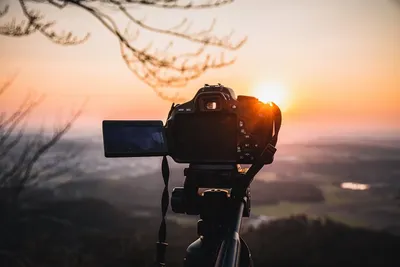
For photographers, climbing Mount Kilimanjaro is a dream come true. The mountain offers breathtaking vistas at every turn, from the lush rainforest to the stark alpine desert and the icy glaciers near the summit. The diverse landscapes and changing light conditions provide endless opportunities to capture stunning images. At Jaynevy Tours, we recommend lightweight, weather-sealed cameras, plenty of memory cards, and a tripod for the best shots. Whether you're photographing wildlife, the expansive views, or the sunrise from the summit, Kilimanjaro is a photographer's paradise.
Kilimanjaro for Photographers | Best Photography Tips & Spots
Mount Kilimanjaro offers an unparalleled canvas for photographers—from lush rainforests and moorlands to stark alpine deserts and the icy summit of Uhuru Peak. Whether you’re a professional shooter or an enthusiastic amateur, this guide will help you capture the magic of Africa’s tallest mountain, with the best viewpoints, gear recommendations, and insider tips for stunning images.
Top Photography Spots on Kilimanjaro
- Shira Plateau (3,800 m): Wide‑angle shots of Kibo Peak rising above open moorland.
- Barranco Wall: Dramatic rock formations framed by rolling valleys—perfect for telephoto work.
- Lava Tower (4,630 m): Stark volcanic spire providing strong compositional contrast.
- The Saddle: High‑altitude desert landscape offering minimalist, graphic compositions.
- Uhuru Peak (5,895 m): Sunrise shots above the clouds, glaciers, and endless vistas.
Best Times to Shoot
The golden hours—shortly after sunrise and before sunset—offer the softest, warmest light and the most dramatic skies. On summit night, aim to start your headlamp‑lit sunrise shoot around 05:00 AM to catch the first alpenglow on Kibo’s glaciers. In the rainforest and moorland zones, early morning mist adds atmosphere to your wide‑angle landscapes.
Essential Photography Tips
- Battery Management: Cold drains batteries quickly—store spares in inner pockets at body temperature.
- Protect Your Gear: Use rain covers and silica packs to combat dust, moisture, and condensation.
- Composition: Incorporate foreground interest—rocks, plants, or trekking poles—to add depth.
- Manual Settings: Shoot in RAW, use low ISO for landscapes, and lock exposure for sunrise/sunset.
- Stabilization: A lightweight tripod or monopod is invaluable for long exposures and low‑light summit shots.
Recommended Camera Gear
- Camera Body: Mirrorless or DSLR with good high‑ISO performance.
- Lenses: Wide‑angle (16–35 mm) for landscapes; telephoto (70–200 mm) for details; macro for flora.
- Tripod: Compact, sturdy, and lightweight carbon‑fiber model.
- Filters: Polarizer to enhance skies; ND filters for long exposures of clouds or waterfalls.
- Accessories: Extra batteries, memory cards, lens cloths, and waterproof camera bag.
Ethical & Practical Considerations
- Leave No Trace: Stay on trails and avoid disturbing fragile vegetation.
- Wildlife Respect: Keep distance, use telephoto lenses, and avoid flash.
- Local Customs: Ask permission before photographing guides, porters, or local communities.
- Safety First: Prioritize footing and weather—don’t risk gear damage for a shot.
FAQs for Kilimanjaro Photographers
1. Can I use drones on Kilimanjaro?
Drone use requires permits from TCAA and Kilimanjaro National Park. Follow the park’s wildlife and camp‑area restrictions. See our drone guide for details.
2. How do I keep my camera warm at high altitude?
Keep cameras in padded, insulated pouches when not shooting. Warm batteries in inner pockets until you’re ready to swap them.
3. Is smartphone photography viable?
Modern smartphones with RAW capture can deliver impressive results—just mind battery life and protect against moisture.
4. How much gear can porters carry?
Porters carry up to 15 kg. Pack camera gear in protective pelican‑style cases and discuss with your operator to ensure safe handling.
5. What’s the best route for photography?
Machame and Lemosho routes offer the most scenic variety and photo stops. Rongai provides solitude, while Marangu offers hut‑based convenience.
Conclusion: Capture Your Kilimanjaro Story
With its diverse ecosystems and epic summit, Kilimanjaro is a photographer’s paradise. By planning shoots around light, protecting gear from the elements, and respecting the mountain, you’ll return with images that tell a powerful story of adventure and natural beauty. Prepare well, stay flexible, and let the mountain inspire your creativity.