
Machame vs Rongai Route | Kilimanjaro 2026/2027
Machame and Rongai are established camping routes on Mount Kilimanjaro, but they approach the mountain from different sides and use different descent networks. TANAPA’s current facilities map places Machame on the southwest side, with the mapped descent through Mweka, while Rongai enters from the north and connects with the eastern/Marangu-side trail system for descent. Both ultimately enter Kilimanjaro’s 5,895-metre high-altitude environment. This 2026/2027 comparison focuses on verified geography, camping, scenery context and planning differences without promising that either route is universally easier, safer, drier, quieter or more successful.
What Is the Main Difference Between Machame and Rongai?
Machame is a southwestern approach that joins Kilimanjaro’s southern upper trail network and uses Mweka as the mapped descent corridor. Rongai approaches from the north and connects toward the eastern/Marangu-side descent network. Both are wilderness camping routes. These are route-layout differences only; they do not predict how a particular traveler will respond to altitude, weather or other mountain conditions.
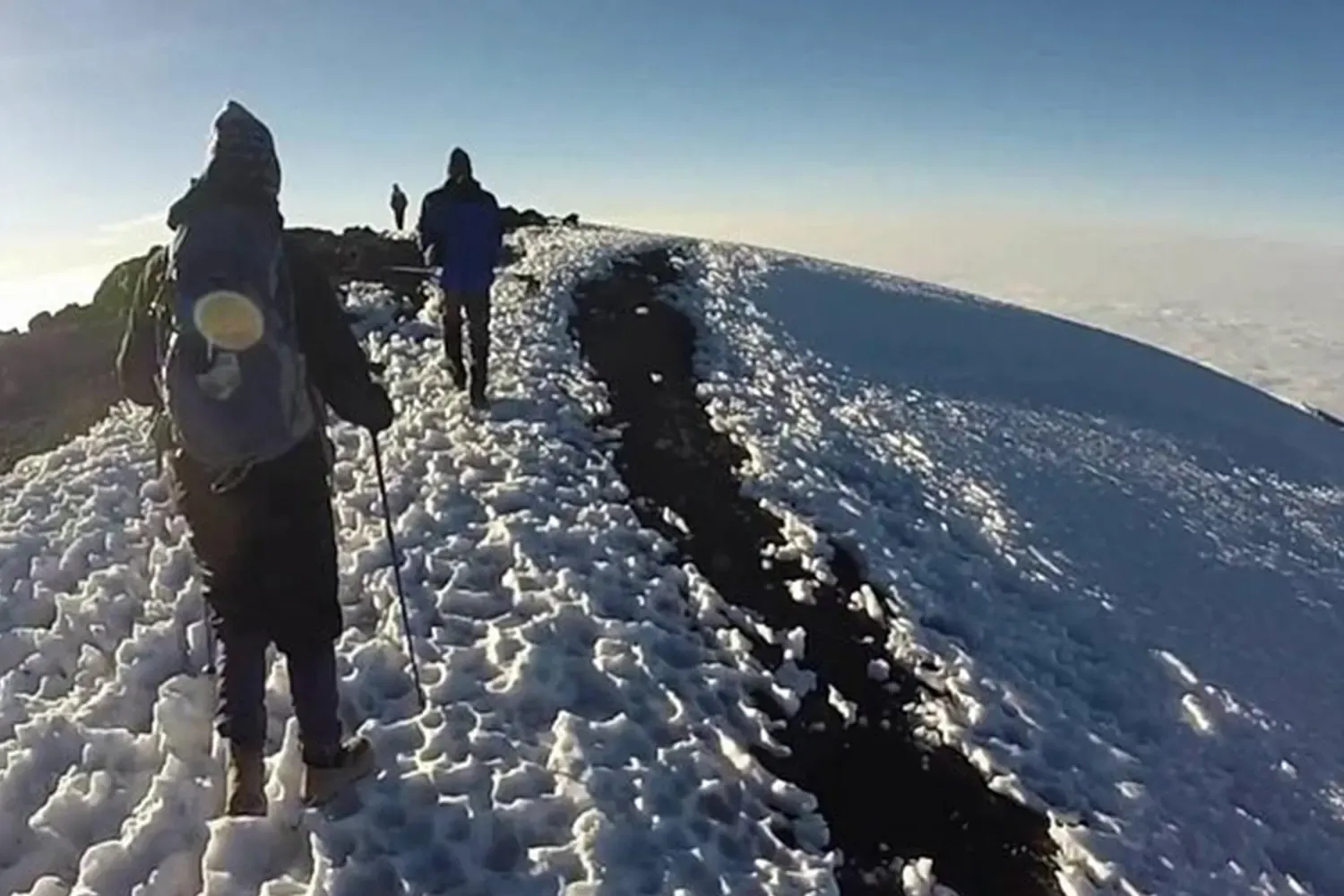
Machame vs Rongai at a Glance
| Comparison Point | Machame Route | Rongai Route |
|---|---|---|
| Approach side | Southwest side of Kilimanjaro | Northern side of Kilimanjaro |
| Upper trail connection | Connects through the southern upper route network | Connects through the northern/eastern route network |
| Mapped descent | Mweka descent corridor | Marangu-side descent network |
| Overnight setup | Designated camping | Designated camping |
| Mountain environment | Both enter Kilimanjaro’s high-altitude environment and are affected by variable mountain weather | |
| What should not be assumed | Neither route guarantees acclimatization, summit success, dry weather, low traffic, easy terrain or a particular personal outcome | |
1. How Do the Official Route Layouts Differ?
TANAPA’s current Kilimanjaro facilities map places the Machame Route on the southwest side of the mountain. It enters the southern trail system and the map identifies Mweka as the descent corridor associated with this side of the upper network.
The Rongai Route begins on Kilimanjaro’s northern side and connects toward the eastern trail network. TANAPA route guidance also associates Rongai with descent through the Marangu side. This geography is the clearest objective difference between the two routes.
2. Do Machame and Rongai Both Use Campsites?
Yes. TANAPA’s Kilimanjaro information identifies designated camping facilities on wilderness routes including Machame and Rongai. This differs from Marangu, where hut facilities form part of the route infrastructure.
Camping changes the overnight logistics, but it does not by itself determine altitude response, weather exposure or individual suitability.
3. What Is Different About the Machame Approach?
Machame begins on the southwest side and reaches Kilimanjaro’s upper southern network after passing through changing mountain environments. The exact campsite sequence depends on the itinerary being sold, so this page does not apply one fixed number of days or one universal daily-distance schedule to every Machame climb.
The important comparison point is that Machame’s approach and descent occur on different parts of the mountain, with Mweka used as the mapped descent corridor.
4. What Is Different About the Rongai Approach?
Rongai is the principal northern approach in this comparison. TANAPA’s route network places it on the north to northeast side before it joins the eastern upper-mountain system.
This gives Rongai a different early-route geography from Machame. However, the route name alone does not establish that the itinerary will be easier, quieter or more suitable for an individual traveler.
5. Why Is Altitude Relevant on Both Routes?
UNESCO identifies Mount Kilimanjaro as Africa’s highest point at 5,895 metres. Both Machame and Rongai therefore enter a very high-altitude environment on summit itineraries.
No route name can guarantee acclimatization or predict an individual outcome. The exact itinerary, current conditions and appropriate professional assessment matter more than simplified route labels.
6. How Do the Landscapes Differ?
Machame approaches from the southwest, while Rongai enters from the north. Because the routes start on different sides of Kilimanjaro and connect with different trail networks, their lower and middle mountain views can differ.
UNESCO identifies five main vegetation zones on Kilimanjaro: lower slopes, montane forest, heath and moorland, alpine desert and summit. Cloud, rain, wind and visibility can change what is actually seen on any departure.
7. Is Rongai Always Drier Than Machame?
No route should be sold as weather-proof. The northern and southern sides of Kilimanjaro can experience different rainfall patterns, but rain, cloud, wind and cold remain possible on both routes, especially as elevation increases.
For 2026/2027 planning, current weather and trail conditions are more useful than a guarantee that Rongai will be dry or that Machame will be wet on a particular date.
8. Is Rongai Always Quieter Than Machame?
No. Historical visitor patterns can provide context, but they are not a live forecast for a specific departure. Group schedules, season, campsite use and park operations can change traffic levels.
Neither Machame nor Rongai should therefore be marketed with a guaranteed “quiet trail” or “crowded trail” promise.
9. Is Either Route a Beginner Route?
Neither route should be described as universally suitable for beginners. Both are multi-day treks in a mountain environment whose summit reaches 5,895 metres.
Simple labels such as “easy route,” “gentle route” or “beginner route” can hide important differences in itinerary, altitude exposure, terrain, weather and individual response.
10. Does Either Route Have a Guaranteed Summit-Success Advantage?
No universal route-success percentage should be treated as a guarantee. Published percentages can differ by operator, itinerary length, reporting method and group profile.
This page therefore does not claim that Machame or Rongai guarantees a better summit outcome.
11. What Should Be Confirmed for a 2026/2027 Trek?
Confirm the current TANAPA route status, exact written itinerary, planned camps, descent corridor, current park charges, guide and crew arrangements, transport, equipment or services included, and the booking terms that apply to your travel date.
The Product schema on this page contains an aggregate USD 1,250–2,850 range for two offers, but it does not provide a clear route-by-route visible price. Final Machame or Rongai pricing should therefore come from a current written quotation rather than from this comparison page alone.
Which Route Information Should You Read Next?
For more on the northern approach, see the existing Rongai Route page. For broader planning, compare Kilimanjaro climbing packages, read the Mount Kilimanjaro overview, or browse Jaynevy Tours articles and guides.
Frequently Asked Questions About Machame vs Rongai
How do Machame and Rongai differ geographically?
Machame approaches Kilimanjaro from the southwest and uses the southern trail network with descent through Mweka. Rongai approaches from the north and connects toward the eastern/Marangu-side descent network.
Does either route guarantee better acclimatization?
No. Acclimatization depends on the complete itinerary and the individual response to altitude. A route name or advertised duration cannot guarantee a particular outcome.
Is Rongai always less crowded than Machame?
No. Historical use patterns do not guarantee current crowd levels. Departure dates, group schedules, campsite use and park operations all change over time.
Is either Machame or Rongai suitable for beginners?
Neither should be treated as universally suitable for beginners. Both are high-altitude multi-day mountain routes, so suitability cannot be decided from the route name alone.