Rainforest Zone (1,800–2,800 meters) – Kilimanjaro Climate Zones Explained
Discover the Rainforest Zone of Kilimanjaro between 1,800 and 2,800 meters. Learn about its lush vegetation, wildlife, and climate on the mountain’s slopes.

Discover the Rainforest Zone of Kilimanjaro between 1,800 and 2,800 meters. Learn about its lush vegetation, wildlife, and climate on the mountain’s slopes.
The Rainforest Zone of Mount Kilimanjaro stretches from about 1,800 to 2,800 meters in elevation. This zone is characterized by dense, lush vegetation with towering trees, thick undergrowth, and a rich diversity of plant and animal species. Frequent rainfall and cooler temperatures create a moist environment that supports unique ecosystems including various birds, monkeys, and rare orchids. Trekkers passing through this zone experience a refreshing canopy of greenery and vibrant wildlife sounds. The rainforest also plays a crucial role in maintaining the mountain’s water cycle by capturing moisture and preventing soil erosion. This zone offers an immersive natural experience and marks the transition from cultivated farmland to the wild mountainous terrain.
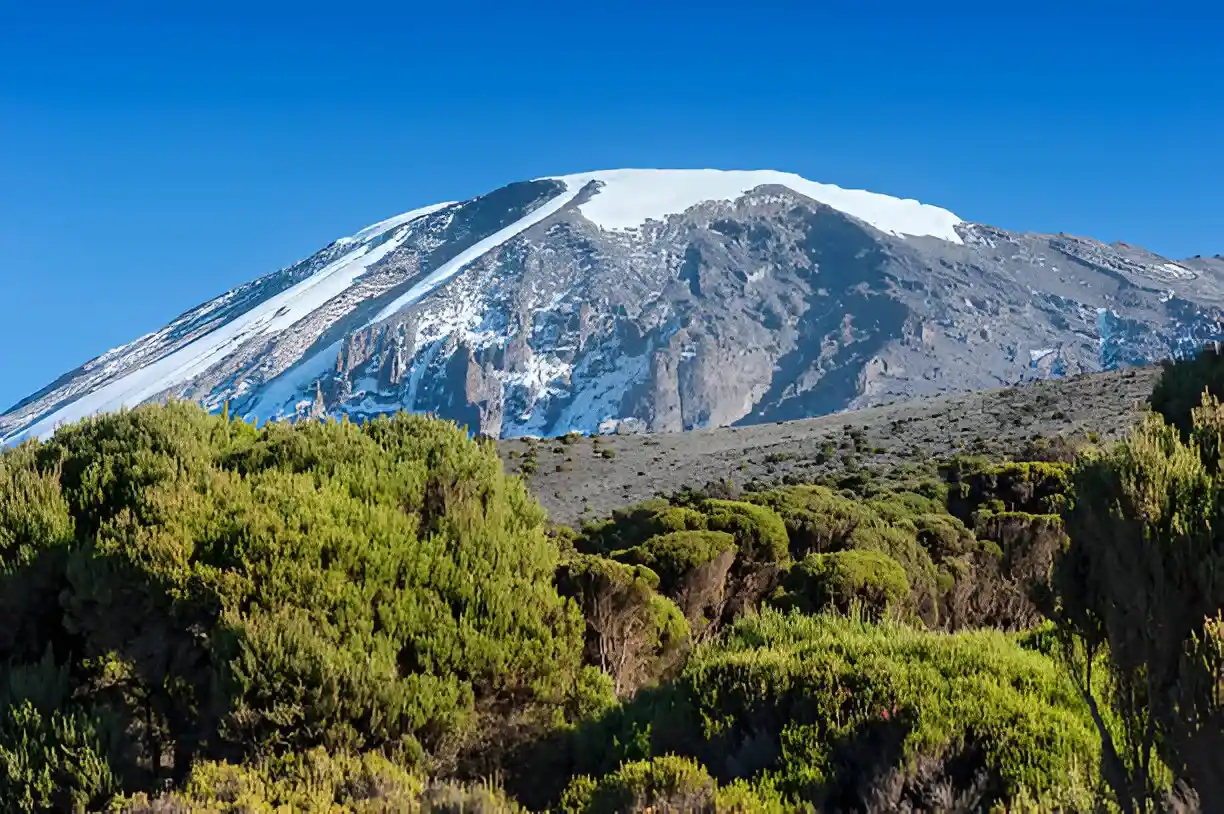
The Rainforest Zone on Mount Kilimanjaro, located between approximately 1,800 and 2,800 meters (5,900 to 9,200 feet) above sea level, represents one of the most lush and ecologically significant zones on the mountain. This zone is distinguished by its dense tropical montane forest, dominated by towering hardwood trees, thick undergrowth, and an extraordinary variety of plant and animal species. It serves as a critical life-supporting ecosystem not only for the mountain itself but also for the millions of people who rely on Kilimanjaro’s natural resources downstream.
The Rainforest Zone is the wettest part of Kilimanjaro, receiving on average between 2,000 and 3,000 millimeters (80 to 120 inches) of rainfall annually. The high moisture content is a result of moist air masses from the Indian Ocean rising and cooling over the mountain slopes, leading to frequent mist, fog, and rain showers. Temperatures here are moderate, generally ranging from 10°C (50°F) to 20°C (68°F), with cooler nights and warmer, humid days. This stable climate creates ideal conditions for dense forest growth, rich soil, and diverse habitats.
The Rainforest Zone is home to a fascinating array of plant life, many of which are endemic or rare:
The rainforest is a crucial habitat for many mammal, bird, and insect species:
The rainforest zone functions as a vital water catchment area, often called Kilimanjaro’s “green lung.” The dense vegetation intercepts and stores rainwater, which gradually filters into streams and rivers that sustain the surrounding regions. This natural water regulation prevents soil erosion, reduces the risk of floods, and ensures steady water supply for agriculture, drinking, and hydroelectric power downstream.
Additionally, the rainforest plays a critical role in carbon sequestration, absorbing significant amounts of atmospheric CO2 and helping to mitigate climate change impacts. Protecting this forest is not just about biodiversity conservation but also about maintaining ecosystem services vital to human well-being in Tanzania and neighboring countries.
For local Chagga and Maasai communities living on the slopes of Kilimanjaro, the rainforest holds cultural and spiritual importance. The forest is often associated with ancestral spirits and traditional beliefs. It also provides natural resources such as medicinal plants, honey, and wood for local use. Sustainable management practices led by indigenous knowledge play a role in preserving this delicate ecosystem.
Most popular Kilimanjaro trekking routes — including the Machame, Lemosho, and Umbwe routes — pass through the rainforest during their early days. This section offers a sensory-rich experience:
Despite being part of Kilimanjaro National Park, the rainforest zone faces several threats:
Ongoing conservation efforts focus on community engagement, sustainable tourism practices, reforestation projects, and strict park enforcement to preserve the rainforest’s health for future generations.
Depending on the route and pace, trekkers usually spend 1-2 days crossing the rainforest zone, often during the first or second day of the climb.
While the trails are not steep, the combination of humidity, rain, and mud can be challenging for beginners. Good preparation and proper gear help ease the difficulty.
Yes, the rainforest is one of the best zones for spotting wildlife like monkeys, birds, and occasionally larger mammals.
The rainforest can be visited year-round, but drier months from January to March and June to October offer better trekking conditions and more wildlife sightings.
The Rainforest Zone is a cornerstone of the Kilimanjaro experience, offering breathtaking natural beauty, ecological richness, and cultural depth. It is a vital area for both environmental sustainability and the local communities that depend on it. For trekkers, this zone provides an immersive and unforgettable introduction to the mountain’s diverse ecosystems. By traveling responsibly and supporting conservation efforts, visitors can help preserve this extraordinary forest for generations to come.
For more detailed trekking plans, expert advice, and customized Kilimanjaro tours passing through the rainforest, reach out to us at Chat on WhatsApp or jaynevytours@gmail.com.