
Tanzania Safari in Low Season: Affordable Wildlife Adventures
Discover why a Tanzania safari in the low season is worth it—fewer crowds, lush landscapes, and discounted rates. Learn what to expect during this time.
Is It Worth Visiting Tanzania During the Low Season?
A Tanzania Safari in the low season offers a rewarding experience for travelers seeking solitude, dramatic scenery, and more budget-friendly adventures. While most people travel during the dry months, the low season—typically April to May and sometimes November—transforms Tanzania into a vibrant green paradise with fewer tourists. Despite occasional rains, many parks remain accessible, wildlife sightings are still possible, and accommodations often offer reduced rates. Whether you're a photographer, birdwatcher, or traveler looking to stretch your budget, the low season has plenty to offer without compromising on the experience.
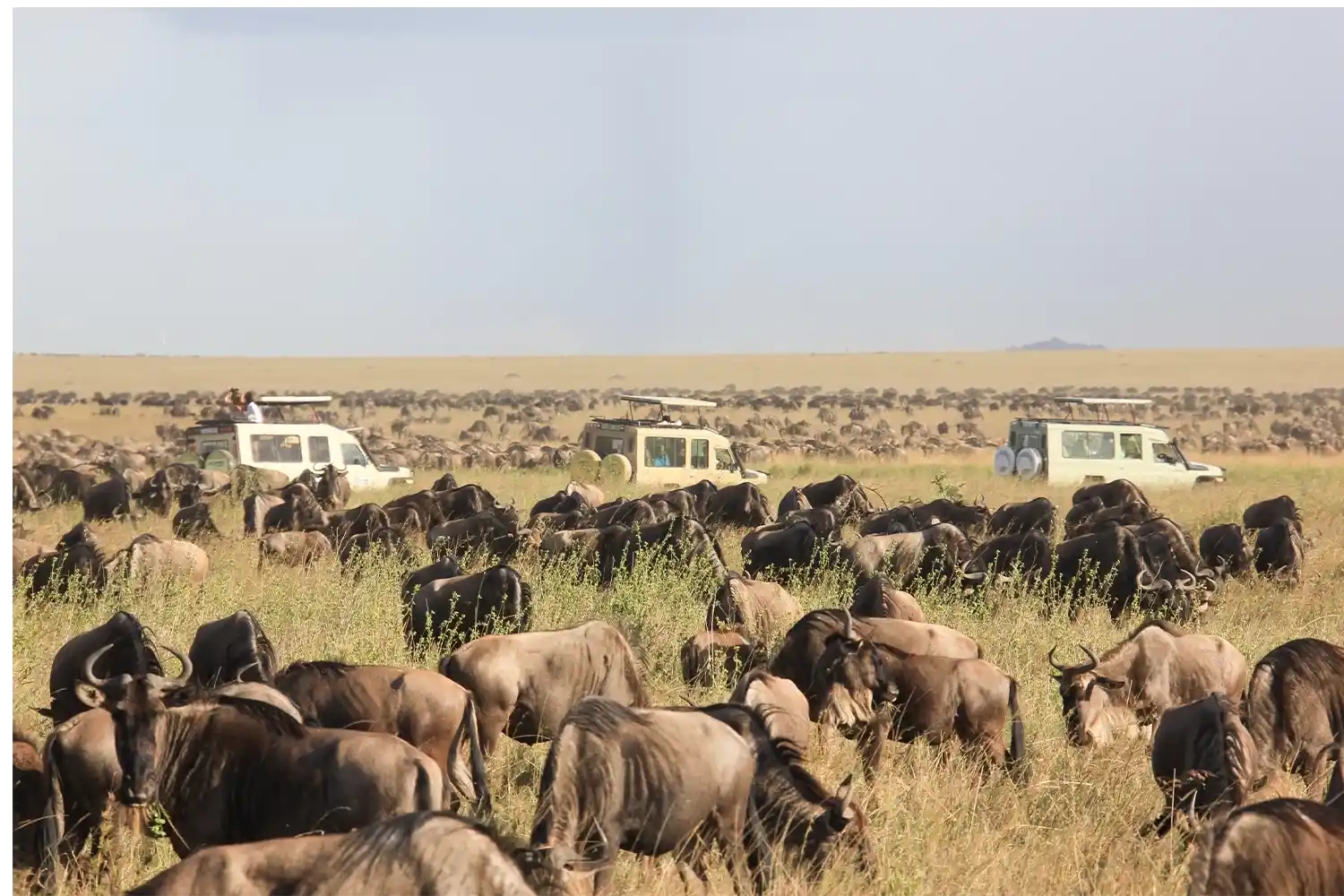
What is Considered the Low Season in Tanzania?
The low season in Tanzania mainly refers to the months of April and May, which coincide with the long rainy season. November also experiences short rains, but is often still considered part of the shoulder season. During these periods, rainfall can affect accessibility in some regions, but many areas—especially the northern circuit—remain open and are still rewarding to visit.
Benefits of Visiting Tanzania in the Low Season
- Lower Prices: Safari lodges, camps, and tour operators often reduce their rates significantly.
- Fewer Tourists: Enjoy a more intimate experience in parks like Serengeti and Ngorongoro Crater with minimal crowds.
- Lush Landscapes: Green, flowering terrain makes for stunning photography and vibrant scenery.
- Birdwatching: This season is perfect for spotting migratory bird species across Tanzania"s wetlands and forests.
- Exclusive Attention: With fewer visitors, guides and camp staff can offer more personalized service.
Challenges of Low Season Safaris
While the low season has many perks, there are also a few drawbacks to be aware of:
- Rainy Conditions: Heavy rains in April and May can make dirt roads muddy and some areas inaccessible.
- Wildlife Visibility: Animals may be more dispersed due to abundant water sources, making sightings slightly less predictable.
- Closures: Some camps in the southern parks like Selous or Ruaha temporarily close during this time.
Where to Go on Safari During the Low Season
- Serengeti National Park: Still accessible and active with wildlife, especially in the central and western parts.
- Ngorongoro Crater: Offers year-round wildlife viewing thanks to its enclosed ecosystem.
- Lake Manyara & Tarangire: Green and scenic, although Tarangire is less active during rains.
- Arusha National Park: Ideal for day safaris, birdwatching, and walking safaris with fewer crowds.
Tips for a Successful Low Season Safari
- Bring proper rain gear—light waterproof jackets and covers for cameras are essential.
- Choose 4x4 vehicles with experienced guides who know how to navigate wet terrain.
- Focus on destinations with good infrastructure and year-round access.
- Take advantage of the lower rates and consider longer stays or private safari upgrades.
Best Activities in the Low Season
- Photographic Safaris: The dramatic skies and green backdrops make photos more vivid.
- Birdwatching: Wetlands teem with migratory birds during this time.
- Cultural Tours: Visit Maasai villages or local markets without tourist crowds.
- Zanzibar Beach Holidays: November remains good for beach escapes despite short rains.
Low Season vs High Season Comparison
| Feature | Low Season | High Season |
|---|---|---|
| Safari Prices | Lower | Higher |
| Tourist Crowds | Minimal | Heavy |
| Wildlife Visibility | Good but scattered | Excellent and concentrated |
| Landscape | Green & lush | Dry & dusty |
| Accommodation Availability | Plenty | Limited (early booking needed) |
Frequently Asked Questions
Is it safe to travel to Tanzania during the rainy season?
Yes, traveling during the rainy season is generally safe. However, it’s important to plan your route carefully and choose reliable tour operators with vehicles suited for wet roads.
Can I see the Great Migration in the low season?
The Great Migration calving season occurs around January to March. However, during April and May, herds may move less visibly. Central Serengeti still offers good wildlife viewing during this time.
Which national parks stay open during the low season?
Serengeti, Ngorongoro, Lake Manyara, and Arusha National Parks are typically open and accessible. Some southern parks may close temporarily or be harder to access due to muddy roads.
Will I miss out on big game sightings?
Not necessarily. While animals are more spread out, experienced guides still deliver quality game drives, especially in well-known areas like the Ngorongoro Crater and Serengeti.
To plan your low season safari in Tanzania with expert advice and flexible options, contact us via WhatsApp: +255 678 992 599 or email jaynevytours@gmail.com.