
Where to See Leopards in Tanzania
Where to see leopards in Tanzania is one of the most exciting questions for travelers who love big cats. The best places to plan a leopard safari are Serengeti National Park, especially Seronera Valley, Ruaha National Park, Nyerere National Park, Tarangire National Park, Katavi National Park and selected parts of Ngorongoro Conservation Area. Serengeti is usually the best overall choice for first-time visitors because it combines leopards with lions, cheetahs, elephants, buffalo, migration landscapes and a strong northern safari route.
Leopard safaris need realistic expectations. Leopards are not like lions that may rest openly in a pride. They are solitary, secretive, mostly active in cooler hours and excellent at hiding in trees, riverine woodland, rocky outcrops and tall grass. A leopard sighting in Tanzania often depends on guide skill, time of day, habitat, patience and luck. The right park improves your chance, but no ethical operator should guarantee a leopard.
Quick answer: best places to see leopards in Tanzania
- Best overall leopard safari: Serengeti National Park.
- Best year-round leopard area: Seronera Valley in central Serengeti.
- Best quieter wilderness leopard safari: Ruaha National Park.
- Best southern Tanzania leopard option: Nyerere National Park and Ruaha.
- Best remote leopard possibility: Katavi National Park.
- Best northern circuit add-on: Tarangire National Park.
- Most famous Big Five route: Tarangire, Serengeti and Ngorongoro.
- Best time: June to October for easier visibility, with leopards present year-round.
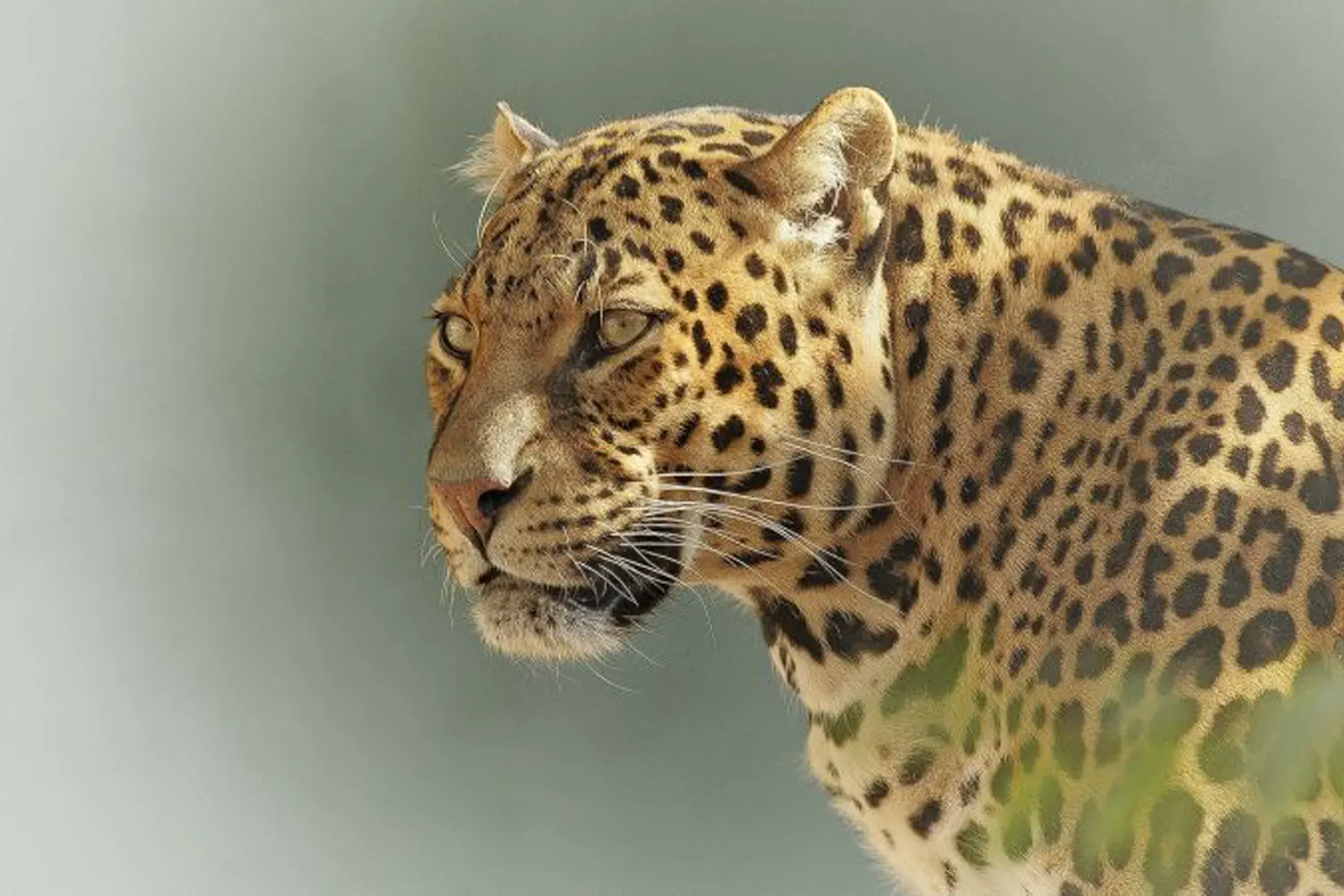
Best places to see leopards in Tanzania comparison table
| Place | Why It Is Good for Leopards | Best For | Leopard Sightings Expectation |
|---|---|---|---|
| Serengeti National Park | Strong big-cat habitat, river valleys, kopjes, trees and year-round predator viewing | Best overall Tanzania leopard safari | Good chance with enough time, but not guaranteed |
| Seronera Valley, Central Serengeti | Riverine woodland, sausage trees, prey animals and resident predator habitat | First-time visitors focused on leopard photography and big cats | One of the strongest planning areas in Tanzania |
| Ruaha National Park | Large southern wilderness, river systems, rocky areas and fewer safari vehicles | Repeat travelers, photographers and quieter leopard safaris | Good with expert guiding and enough days |
| Nyerere National Park | Large wild landscape with woodland, rivers and varied predator habitat | Southern Tanzania safari with boat and game-drive variety | Possible, but the park's size makes sightings less predictable |
| Tarangire National Park | Riverine areas, trees, rocky sections and dry-season prey movement | Short northern safari and Arusha-based routes | Possible but not as reliable as Serengeti |
| Katavi National Park | Remote wilderness with buffalo, floodplains, woodland and predators | Experienced safari travelers wanting a remote park | Possible, but requires patience and specialist planning |
| Ngorongoro Conservation Area | Big Five habitat and highland forests, but crater leopards are harder to see | Big Five route combined with Serengeti | Occasional; better as a bonus than main leopard target |
1. Serengeti National Park: best overall place to see leopards in Tanzania
Serengeti National Park is the best overall place to see leopards in Tanzania because it has strong big-cat habitat and a practical safari route for first-time visitors. TANAPA's Serengeti brochure describes the park as having the highest concentration of carnivores, especially the big African cats such as lions, leopards and cheetahs. This makes Serengeti the first destination to consider when a traveler wants a serious Tanzania big-cat safari.
The Serengeti is also large enough to offer different leopard habitats. Leopards may use riverine woodland, acacia trees, kopjes and areas with enough cover to hide during the day. A leopard may be seen resting on a branch, walking along a river line, carrying prey into a tree or disappearing into grass before most people notice it.
Why Serengeti is strong for leopard safaris
- It is one of Tanzania's most important big-cat landscapes.
- It combines leopards with lions, cheetahs, hyenas, elephants, buffalo and migration herds.
- Central Serengeti works well in most months.
- Serengeti is easy to combine with Ngorongoro and Tarangire.
- It offers enough habitat variety for multi-day leopard searching.
2. Seronera Valley: best year-round leopard area in Serengeti
Seronera Valley in central Serengeti is one of the best-known leopard areas in Tanzania. The valley has riverine woodland, trees, drainage lines, prey animals and resident predators. TANAPA photo information describes Serengeti as famous for big cats and mentions Seronera Valley at the heart of the park as a notable area for leopards.
Seronera is especially useful because it works throughout the year. Even when the migration moves far north or south, central Serengeti still supports resident wildlife. This makes it a strong base for first-time travelers who want a chance of seeing lions, leopards and cheetahs without depending entirely on the moving herds.
How to search for leopards in Seronera
- Drive slowly along river lines and woodland edges.
- Look carefully into sausage trees and acacia branches.
- Watch for impala, baboon and bird alarm calls.
- Use binoculars even when the guide has already stopped.
- Spend enough time in central Serengeti instead of rushing one afternoon drive.
3. Ruaha National Park: best quiet leopard safari in southern Tanzania
Ruaha National Park is an excellent leopard destination for travelers who want fewer vehicles and a more rugged wilderness atmosphere. Ruaha's river systems, dry-country woodland, rocky hills and large predator landscape create good leopard habitat. It is also a strong choice for repeat safari travelers who have already visited Serengeti and want a different big-cat experience.
Leopard sightings in Ruaha can be rewarding because the park often feels quieter than the northern circuit. The drier months are often better because thinner vegetation makes spotting easier. A private guide with strong local knowledge is important because leopards may use shade, rocks and thick cover during the heat of the day.
Why choose Ruaha for leopards?
- It offers fewer vehicles than the most popular northern parks.
- It has strong predator habitat, including lions, leopards, hyenas and wild dogs.
- It suits photographers who prefer quiet sightings.
- It combines leopards with elephants, buffalo, kudu, baobabs and river landscapes.
- It is ideal for travelers who want a wilder southern Tanzania safari.
4. Nyerere National Park: leopards in a large wilderness
Nyerere National Park is a vast southern Tanzania wilderness with rivers, woodland, floodplains and predator habitats. TANAPA's Nyerere brochure notes that visitors may spot shy nocturnal creatures such as leopards, aardvark, genet and smaller cats during night-focused wildlife experiences where permitted and arranged by the park or camp.
Nyerere is not the easiest place for a first-time traveler who wants a simple leopard checklist. The park is very large, and wildlife can be spread out. However, it is excellent for travelers who want a broader safari with game drives, boat safaris, walking activities where allowed and a less crowded southern experience.
When Nyerere is a good leopard choice
- You want southern Tanzania rather than the classic northern route.
- You are combining safari with Zanzibar or Dar es Salaam.
- You want river scenery and more activity variety.
- You accept that leopard sightings may require patience.
- You prefer wilderness atmosphere over high vehicle density.
5. Tarangire National Park: possible leopard sightings near Arusha
Tarangire National Park is better known for elephants, baobabs and dry-season wildlife, but it can also produce leopard sightings. Leopards may use riverine woodland, trees and rocky areas. Tarangire is especially useful for travelers with limited time because it is easier to include from Arusha than Serengeti.
Tarangire should not be chosen as the main leopard destination if you have enough time for Serengeti. However, it is a valuable add-on because it adds elephants, landscapes and predator possibility before continuing to Ngorongoro or Serengeti.
Best way to use Tarangire for leopard chances
- Stay one or two nights rather than visiting for only a few hours.
- Search slowly around riverine areas and quieter tracks.
- Travel in the dry season when wildlife concentrates near water.
- Combine Tarangire with Serengeti for a stronger big-cat route.
6. Katavi National Park: remote leopard possibility for repeat travelers
Katavi National Park is a remote western Tanzania destination with floodplains, rivers, buffalo herds, lions, crocodiles, hippos and leopards. TANAPA's Katavi brochure describes the park as having flourishing elephants, lions, leopards, crocodiles and hippos, with game viewing focused around rivers during the dry season.
Katavi is not a quick or cheap leopard safari. It is best for experienced safari travelers who want remote wilderness and are comfortable with seasonal planning. Leopard sightings here feel special because the park receives far fewer visitors than Serengeti or Ngorongoro.
7. Ngorongoro Conservation Area: leopards are present but harder to see
Ngorongoro Conservation Area is a Big Five destination, and the official Ngorongoro Conservation Area Authority lists leopards among the mammals found in the area. However, leopards are usually harder to see on the crater floor than lions, hyenas, buffalo, zebras, wildebeest or even black rhino possibilities. Leopard habitat is more limited and the animal's secretive nature makes sightings occasional rather than reliable.
Ngorongoro is still worth including in a Tanzania safari, but not as the main leopard target. It is better used for Big Five variety, scenery and a concentrated wildlife day, while Serengeti or Ruaha should carry the main leopard-searching focus.
Best time to see leopards in Tanzania
Leopards can be seen year-round in Tanzania because they are resident predators, not seasonal migrants. However, the dry season from June to October is often easier for general leopard spotting because vegetation becomes thinner, visibility improves and guides can read animal movement around water and shade more effectively.
| Season | Best Leopard Areas | Why It Works |
|---|---|---|
| January to March | Seronera, southern Serengeti, Tarangire, Ngorongoro area | Green scenery and strong predator activity around plains wildlife, though foliage can be thicker |
| April to May | Central Serengeti, Ruaha, Nyerere | Fewer visitors and green landscapes, but rain may affect roads and visibility |
| June to October | Serengeti, Ruaha, Tarangire, Katavi, Nyerere | Dry-season visibility, thinner vegetation and water-related wildlife movement |
| November to December | Central Serengeti, Tarangire, Nyerere, Ngorongoro area | Short rains and fresh grass; sightings depend on local conditions and guide skill |
Best time of day to see leopards
Time of day matters more for leopards than for many other safari animals. Leopards often rest during hot hours and become more active in cooler periods. Early morning and late afternoon are usually the best game-drive times. Midday can still work if a leopard is resting in a tree, but movement is often lower.
Leopard spotting time guide
- Early morning: best for movement, fresh tracks and cooler temperatures.
- Late morning: useful for searching trees and river lines as leopards settle into shade.
- Midday: slower, but possible if a leopard is found resting in a tree.
- Late afternoon: strong period as temperatures cool and predators may begin moving.
- Night drives: only where legally permitted outside strict national park rules or in approved areas.
How to increase your chances of seeing leopards
- Choose the right habitat: riverine woodland, trees, kopjes and rocky areas are important.
- Spend enough nights: one quick game drive is not enough for a leopard-focused safari.
- Use a skilled guide: leopard sightings often depend on experience, tracks and alarm calls.
- Drive slowly: leopards are easy to miss when the vehicle moves too fast.
- Look up: scan sausage trees, acacia branches and shaded limbs.
- Listen to the bush: impala, baboons and birds may alarm when a leopard is nearby.
- Use binoculars: a leopard can look like a shadow in a tree from far away.
- Be patient: a quiet drive can turn into a major sighting within minutes.
Serengeti vs Ruaha for leopards
Choose Serengeti if this is your first Tanzania safari and you want the strongest overall big-cat route. Serengeti is easier to combine with Ngorongoro, Tarangire and migration planning. Central Serengeti, especially Seronera, is the best practical leopard area for most first-time visitors.
Choose Ruaha if you want fewer vehicles, a wilder atmosphere and a southern Tanzania predator safari. Ruaha is excellent for travelers who prefer quiet sightings and do not mind a more specialist route with fly-in or longer logistics.
Best Tanzania leopard safari itinerary ideas
Option 1: 5-day northern big-cat safari
- Day 1: Arusha to Tarangire for elephants, baobabs and predator possibility.
- Day 2: Drive to Serengeti with game viewing on the route.
- Day 3: Full day in central Serengeti and Seronera focused on lions, leopards and cheetahs.
- Day 4: Serengeti morning game drive, then transfer toward Ngorongoro highlands.
- Day 5: Ngorongoro Crater for Big Five variety, then return to Arusha.
Option 2: 7-day leopard-focused Serengeti safari
- Day 1: Arrival in Arusha.
- Day 2: Tarangire National Park.
- Day 3: Ngorongoro highlands or crater day.
- Day 4: Transfer to central Serengeti.
- Day 5: Full day around Seronera riverine woodland and kopjes.
- Day 6: Second full Serengeti day for patient leopard and big-cat searching.
- Day 7: Fly or drive back depending on budget and route.
Option 3: Southern Tanzania leopard safari
- Day 1: Fly to Ruaha or Nyerere depending on route.
- Days 2-4: Game drives in riverine woodland, rocky areas and predator zones.
- Day 5: Extra game-drive day or approved activity depending on camp and park rules.
- Day 6: Fly back to Dar es Salaam, Arusha or Zanzibar.
Responsible leopard viewing in Tanzania
Leopards are sensitive animals. A good leopard sighting should not disturb the animal, block its path or pressure it to move. If a leopard has a kill in a tree, vehicles should keep respectful distance. If cubs are present, extra caution is needed. The best guides help guests enjoy sightings without damaging the animal's natural behavior.
Responsible viewing rules
- Do not ask the guide to drive too close.
- Do not shout, clap or make sounds to wake or move a leopard.
- Do not block the animal's escape route.
- Respect vehicle limits around popular sightings.
- Never pressure a guide to drive off-road where it is not allowed.
- Keep quiet and give the animal space.
Final recommendation
If you want the best answer to where to see leopards in Tanzania, choose Serengeti National Park, especially Seronera Valley in central Serengeti. It offers the best balance of leopard habitat, guide knowledge, year-round wildlife and practical route planning for first-time visitors.
For a quieter and more wilderness-focused leopard safari, choose Ruaha National Park. For southern Tanzania variety, include Nyerere National Park. For remote and experienced safari travelers, Katavi can be rewarding. Use Ngorongoro for Big Five variety, but do not rely on it as your main leopard destination.
Frequently asked questions about where to see leopards in Tanzania
1. Where can I see leopards in Tanzania?
The best places are Serengeti National Park, Seronera Valley, Ruaha National Park, Nyerere National Park, Tarangire National Park, Katavi National Park and parts of Ngorongoro Conservation Area.
2. What is the best place to see leopards in Tanzania?
Serengeti National Park is usually the best overall choice, especially the Seronera Valley in central Serengeti.
3. Can I see leopards in Serengeti?
Yes. Serengeti is one of Tanzania's strongest leopard areas, especially around central Serengeti riverine woodland and kopjes.
4. Is Seronera good for leopards?
Yes. Seronera is one of the best year-round leopard areas because it has river lines, trees, prey animals and strong resident predator habitat.
5. Can I see leopards in Ngorongoro Crater?
Leopards are present in the Ngorongoro Conservation Area, but crater sightings are less reliable than Serengeti because leopards are secretive and suitable habitat is more limited.
6. Is Ruaha good for leopards?
Yes. Ruaha is excellent for travelers who want a quiet southern Tanzania leopard safari with fewer vehicles and strong wilderness atmosphere.
7. Can I see leopards in Nyerere?
Yes, leopards are found in Nyerere, but sightings can be more unpredictable because the park is very large and wild.
8. What is the best time to see leopards?
Leopards are resident year-round, but June to October often improves visibility because vegetation is thinner.
9. What time of day is best for leopards?
Early morning and late afternoon are usually best. Midday can still work if a leopard is resting in a tree.
10. Are leopard sightings guaranteed?
No. Leopards are secretive and sightings are never guaranteed. The right guide, habitat and enough time improve your chances.
11. Which is better for leopards, Serengeti or Ruaha?
Serengeti is better for first-time visitors and classic routes. Ruaha is better for quieter, wilder leopard safaris.
12. Can Jaynevy Tours help plan a leopard safari?
Yes. Jaynevy Tours can help match your dates, budget and wildlife goals with the best Tanzania parks and routes for leopard sightings.
Data notes and trusted sources
This guide uses official and established reference points available in June 2026. Leopards are wild, solitary and secretive animals, so sightings and behavior cannot be guaranteed.
- Tanzania National Parks: Serengeti National Park brochure
- Tanzania National Parks: Serengeti big cat photo information
- Tanzania National Parks: Nyerere National Park brochure
- Tanzania National Parks: Katavi National Park brochure
- Ngorongoro Conservation Area Authority: Wild animals
- Jaynevy Tours: Tanzania Safari
For help planning the best Tanzania leopard safari, contact Jaynevy Tours via email at info@jaynevytours.com or WhatsApp at +255 678 992 599.