
Zanzibar vs Madagascar | Top Indian Ocean Island Destinations
Zanzibar, a Tanzanian archipelago, and Madagascar, the world’s fourth-largest island, are two of the Indian Ocean’s most captivating destinations, each offering stunning beaches, unique cultures, and diverse activities. While both promise tropical allure, they cater to different travel styles. This comparison explores beaches, costs, accommodations, activities, culture, accessibility, best time to visit, and vibe to help you choose your perfect island getaway.
Zanzibar vs Madagascar: Which Island Adventure Suits You?
Zanzibar’s Swahili charm and accessible beaches contrast with Madagascar’s vast wilderness and unique biodiversity. Whether you seek a cultural beach escape or an off-the-beaten-path eco-adventure, this guide highlights key differences to guide your choice.
Beaches
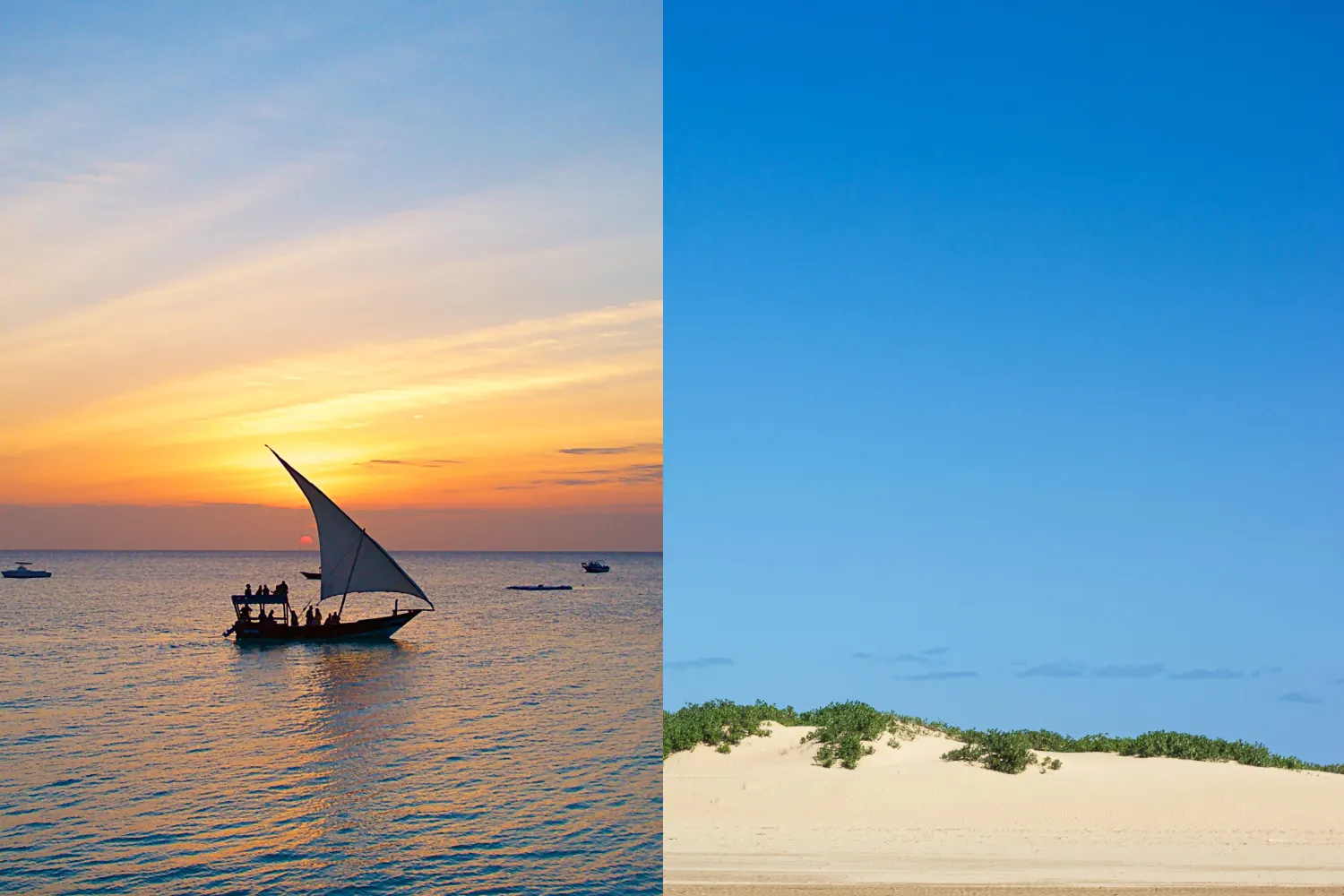
Zanzibar is famous for its idyllic beaches like Nungwi, Kendwa, and Paje, with powdery white sand and turquoise waters. Tidal variations can affect swimming, but coral reefs around Mnemba Atoll offer vibrant snorkeling and diving opportunities.
Madagascar boasts stunning beaches, particularly on islands like Nosy Be, Île Sainte-Marie, and Anakao, with soft sands and clear waters. While less developed than Zanzibar’s, these beaches offer a more secluded, untouched vibe, ideal for tranquil escapes.
Price
Zanzibar has daily costs of $50-$200 per person. Budget accommodations start at $20-$50 per night, mid-range at $80-$150, and luxury resorts like Zuri Zanzibar at $300-$600. Meals cost $5-$20, and activities like snorkeling range from $20-$50.
Madagascar varies widely, with daily costs of $40-$250 per person. Budget options in Nosy Be or Morondava start at $15-$40 per night, mid-range at $50-$100, and luxury lodges like Anjajavy at $500-$1,000. Meals cost $3-$15, but internal travel and remote tours ($50-$150) can add up.
Accommodation Options
Zanzibar offers diverse stays, from budget guesthouses like Mnarani Beach Cottages ($30-$80) to boutique hotels in Stone Town like Emerson on Hurumzi ($100-$200) and luxury resorts like Baraza Resort ($400-$800). Options are concentrated and accessible.
Madagascar has varied lodging, from budget bungalows in Nosy Be like Vanilla Hotel ($20-$50) to mid-range eco-lodges like Chez Maggie ($50-$120) and high-end resorts like Constance Tsarabanjina ($400-$900). Accommodations are spread out, often requiring internal travel.
Activities
Zanzibar excels in marine activities, including diving at Mnemba Atoll ($50-$100), snorkeling ($20-$50), and kite-surfing in Paje. Land-based options include spice tours ($20-$40), Stone Town cultural walks ($15-$30), and Jozani Forest for red colobus monkeys ($10-$20).
Madagascar is a haven for nature lovers, with activities like lemur spotting in Andasibe-Mantadia or Ranomafana National Parks ($30-$80), whale watching in Île Sainte-Marie (June-September, $50-$100), and hiking in Tsingy de Bemaraha ($40-$120). Nosy Be offers diving and snorkeling ($30-$80).
Culture
Zanzibar is rich in Swahili culture, with Stone Town’s UNESCO-listed historic sites showcasing Arab, Indian, and African influences. Spice plantations, dhow boat rides, and Taarab music performances provide immersive cultural experiences.
Madagascar offers unique Malagasy culture, blending Austronesian and African roots. Traditional villages, ancestral rituals like famadihana, and local markets in Antananarivo or Ambalavao provide cultural depth, though accessing these often requires travel beyond beach areas.
Accessibility
Zanzibar is easily reached via Abeid Amani Karume International Airport, with flights from Dar es Salaam (20 minutes, $50-$100) or Nairobi ($150-$300). Ferries from Dar es Salaam take 2 hours ($35-$50). Visas cost $50-$100 on arrival for most nationalities.
Madagascar is accessed via Ivato International Airport in Antananarivo, with flights from Johannesburg, Nairobi, or Paris ($400-$1,200). Internal flights or long drives (e.g., to Nosy Be, $100-$250) are often needed. Visas cost $35-$50 on arrival for up to 30 days.
Best Time to Visit
Zanzibar is ideal during dry seasons: June-October and December-February, with clear skies and temperatures of 25-30°C. Short rains (November) and long rains (March-May) bring humidity but lower prices and fewer crowds.
Madagascar is best from April-November, with dry weather and temperatures of 20-30°C. July-September is peak for Nosy Be beaches and whale watching. The wet season (December-March) brings cyclones and heavy rain, particularly in eastern regions.
Vibe
Zanzibar has a relaxed island vibe, blending serene beaches with vibrant Swahili culture. Its compact size and accessible attractions suit travelers seeking a mix of relaxation, adventure, and cultural immersion.
Madagascar offers a rugged, adventurous vibe, with vast landscapes and a sense of discovery. Its remote beaches and unique wildlife appeal to eco-travelers and those craving an off-the-grid experience.
FAQs About Zanzibar vs Madagascar
Which is more budget-friendly, Zanzibar or Madagascar?
Zanzibar is generally more budget-friendly, with more affordable accommodations and dining options. Madagascar can be cheaper for budget travel but has higher costs for remote areas.
Which destination offers more cultural experiences?
Zanzibar provides richer cultural experiences with its Swahili heritage and Stone Town. Madagascar offers unique Malagasy culture but requires more travel to access cultural sites.
Which is better for wildlife and nature activities?
Madagascar is unmatched for wildlife, with unique species like lemurs and diverse ecosystems. Zanzibar excels in marine activities like diving and snorkeling.
Can I combine Zanzibar and Madagascar in one trip?
Combining both is possible but challenging due to flight connections and costs. A multi-destination trip typically pairs Zanzibar with Tanzania safaris, while Madagascar is often a standalone adventure.
Final Thoughts
Choosing between Zanzibar and Madagascar depends on your travel goals and preferences. Zanzibar is ideal for those seeking an accessible, budget-friendly island escape with stunning beaches, rich Swahili culture, and marine adventures, perfect for a relaxed yet culturally immersive holiday. Madagascar suits adventurous travelers craving unique wildlife, untouched beaches, and a vast, off-the-beaten-path experience, though it requires more planning and expense. Both deliver unforgettable Indian Ocean adventures, but Zanzibar offers polished charm, while Madagascar promises raw, wild beauty.