
6 Day Tanzania Safari Weather and Temperature Guide 2026/2027
A six-day Tanzania safari can move from warm Tarangire woodland to cool Ngorongoro highlands and open Serengeti plains in less than a week. This guide explains the temperature ranges, rain seasons, park-by-park differences and clothing strategy that matter most for Northern Circuit travel in 2026/2027.
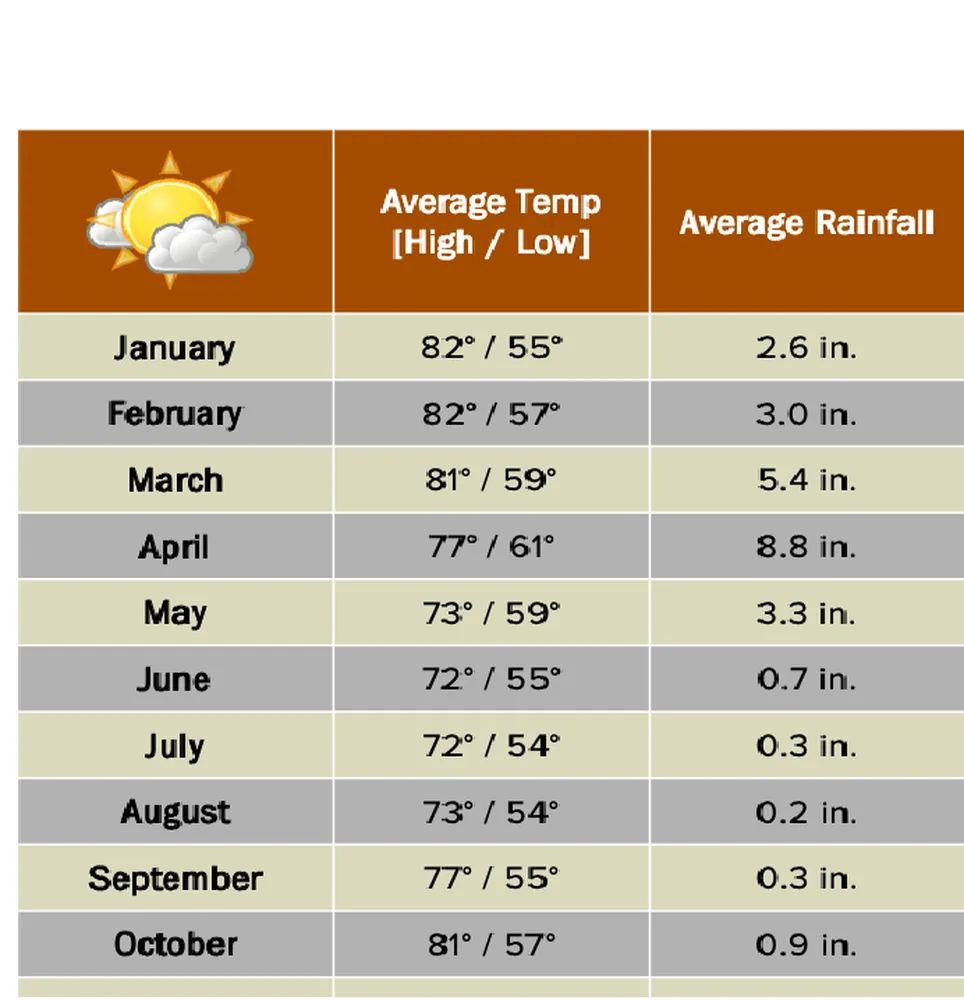
Quick Answer: What Weather Should You Expect on a 6-Day Tanzania Safari?
A six-day Northern Circuit safari can move through several climates in the same week. Tarangire and Lake Manyara are often warm in the afternoon, central Serengeti commonly reaches the mid-to-upper 20s °C, while the Ngorongoro highlands can feel genuinely cold before sunrise. June to September is normally the driest period; March to May brings the long rains; October to December is the short-rain season; and January to February is often a warmer, relatively drier interval in northern Tanzania.
The practical rule is simple: pack for cold dawns, warm midday game drives, strong equatorial sun, dust and the possibility of rain. A safari guest wearing only “summer clothes” can be uncomfortable at 6:00 a.m. on the Ngorongoro rim, while someone dressed for cold weather all day will overheat in Tarangire by lunchtime.
Tanzania Climate in Numbers: The Baseline Behind Your Safari
Tanzania is tropical, but altitude creates large local differences. The Tanzania Meteorological Authority (TMA) reports that long-term annual average temperatures across its stations range from 14.7°C to 27.5°C. Long-term annual minimum temperatures across stations range from 9.9°C to 24°C, while annual maximum temperatures range from 19.5°C to 31.2°C. TMA identifies October through February or March as the generally warmer part of the year and May through August as the cooler season.
For the Northern Circuit—Arusha, Manyara, Kilimanjaro and nearby safari areas—the key rainfall pattern is bimodal. TMA describes the long rains (Masika) as March–May and the short rains (Vuli) as October–December. January and February are relatively dry in this regime, while June through September are dry months across Tanzania.
| Climate fact | Research figure | What it means on safari |
|---|---|---|
| Long-term annual mean temperature across TMA stations | 14.7–27.5°C | Altitude and geography matter more than the word “tropical” suggests. |
| Long-term annual station minimums | 9.9–24°C | Highland mornings can be much colder than lowland afternoons. |
| Long-term annual station maximums | 19.5–31.2°C | Warm game-drive afternoons are normal in lower parks. |
| Long rains in northern Tanzania | March–May | Expect greener scenery, more showers and occasionally slower roads. |
| Short rains in northern Tanzania | October–December | Showers often return, but entire days are not automatically washed out. |
| Broad dry period | June–September | Lower rain risk, cool mornings and progressively drier landscapes. |
For a broader overview, read how Tanzania weather changes through the year and the best time for safari in Tanzania for wildlife viewing.
Typical Daytime Temperatures by Safari Area
The following table is a planning comparison, not a forecast. It uses published long-term monthly climate averages for representative locations. Central Serengeti is represented by Seronera; Ngorongoro figures represent the cooler highland environment rather than the warmer crater floor; and Tarangire values represent the park’s warmer low-elevation feel.
| Month | Central Serengeti typical daytime high | Tarangire typical daytime high | Ngorongoro typical daytime high | Safari feel |
|---|---|---|---|---|
| January | 28°C | 29°C | 23°C | Warm, green, intermittent showers possible |
| February | 28°C | 30°C | 23°C | Warm; often one of the easier wet-season windows |
| March | 28°C | 29°C | 22°C | Long rains begin to build |
| April | 26°C | 27°C | 21°C | Wettest-feeling period; roads can become muddy |
| May | 25°C | 25°C | 19°C | Cooler transition out of long rains |
| June | 25°C | 24°C | 19°C | Drying fast; crisp mornings |
| July | 25°C | 24°C | 19°C | Dry, cool and often cold before sunrise at altitude |
| August | 26°C | 25°C | 20°C | Dry, dusty and sometimes breezy |
| September | 27°C | 28°C | 21°C | Dry, warmer afternoons |
| October | 28°C | 29°C | 22°C | Warm; short rains may start |
| November | 27°C | 29°C | 22°C | Green-up period with short rains |
| December | 27°C | 29°C | 22°C | Warm, green and showery around the holidays |
Important: Ngorongoro mornings feel colder than the daytime-high column suggests. Long-term climate data show July lows around the high single digits to roughly 10°C in the highlands, and local rim conditions can be colder with wind or mist. Keep a fleece or insulated layer inside the vehicle rather than buried in your main luggage.
How Weather Changes During a Typical 6-Day Northern Circuit Safari
A six-day safari is long enough to move between lowland woodland, open plains and highland crater country. That means you should not plan clothing around a single temperature forecast for “Tanzania.” A typical route linking Tarangire, Lake Manyara, Serengeti and Ngorongoro can produce a 10°C or greater perceived difference between a cold dawn and a sunny afternoon.
| Typical safari stage | Weather pattern | What to keep in the vehicle |
|---|---|---|
| Arusha/Moshi departure | Mild highland morning; warmer by midday | Light layer, sunglasses, sunscreen |
| Tarangire | Often warmer and drier-feeling than the highlands | Sun hat, water, light long sleeves |
| Lake Manyara/Rift Valley | Warm afternoons; humidity can rise in wetter months | Breathable shirt, light rain shell in wet season |
| Central Serengeti | Open plains, strong sun, cool-to-mild mornings | Layers, dust protection, camera cover |
| Ngorongoro rim | Coolest point of many Northern Circuit itineraries | Fleece, warm hat in June–August, wind/rain shell |
| Ngorongoro Crater floor | Warms after descent; exposed sun at midday | Layer you can remove, sunscreen, water |
Travellers choosing a premium version can compare this weather logic with the 6-day luxury Tanzania safari packages. Travellers concentrating heavily on the plains can also review the 6-day Serengeti Tanzania safari.
Serengeti Weather: What Changes Most Through the Year?
Central Serengeti does not experience huge seasonal swings in daytime temperature. Long-term published averages keep daytime highs roughly between 25°C and 28°C through the year. The bigger change is rainfall, grass height, dust, cloud cover and where wildlife concentrations are strongest.
From June into September, central Serengeti is generally dry, mornings can be fresh and tracks become dusty. In the green months, afternoon showers can transform the light quickly: dark clouds, bright grass and dramatic skies often produce excellent photography, but camera bodies and lenses need protection from sudden rain.
Do not assume “rainy season” means six consecutive days of rain. Tropical showers are often episodic and highly local. Equally, do not assume dry season guarantees blue skies every hour. Weather systems, local convection and climate drivers can still produce unexpected cloud or rain.
Ngorongoro Weather: Why the Crater Rim Feels So Much Colder
Ngorongoro is the place where safari packing mistakes become obvious. The highlands are cooler than Tarangire or the Serengeti plains, especially before sunrise, after sunset and in mist. Typical daytime highs are around 19–23°C across the year in published climate averages, with July among the coldest months.
A 6:00 a.m. departure in June, July or August can feel cold enough for a fleece, warm hat and closed shoes. Once you descend to the crater floor and the sun rises, you may remove two layers before lunch. Dress like an onion: several light layers are more useful than one bulky coat.
Tarangire Weather: Warm Afternoons, Dust and Strong Dry-Season Contrast
Tarangire is usually warmer than the Ngorongoro highlands. Published monthly daytime highs range from about 24°C in June and July to around 30°C in February. During the dry season, dust increases and vegetation becomes more open, so a buff or light scarf can be useful on game-drive tracks.
Rain changes Tarangire fast. Green vegetation returns, baobab landscapes become more photogenic and temporary water appears, but dirt tracks may be slippery after heavy showers. If your trip is in the wet months, keep a waterproof shell accessible rather than packed under suitcases.
Lake Manyara Weather: Warm Valley Conditions With Seasonal Humidity
Lake Manyara sits in the Rift Valley below higher escarpments, so it often feels warmer than Ngorongoro. Published long-term climate data show daytime highs close to 30°C in January to March and around 25°C in June and July. The forest and lakeshore environment can also feel more humid than open dry woodland.
If Lake Manyara is part of your route, read the Lake Manyara National Park guide and plan light breathable clothing for midday, while still carrying a layer for the morning drive from the highlands.
6-Day Tanzania Safari Weather Month by Month
| Month | Typical weather | Temperature feel | Best preparation |
|---|---|---|---|
| January | Green season; often a relatively drier break in the northern bimodal pattern | Warm afternoons | Sun protection plus light rain shell |
| February | Warm and often comparatively dry in the north | Among the warmer months | Breathable clothing, hydration, rain layer |
| March | Long rains begin or strengthen | Warm, more humid | Waterproof shell, quick-dry clothing |
| April | Core long-rain period | Cloudier and cooler during rain | Waterproof footwear strategy and flexible schedule |
| May | Long rains taper; landscapes remain green | Cooler than February–March | Layers and rain protection |
| June | Dry season establishes | Cool mornings, comfortable afternoons | Fleece for dawn drives |
| July | Dry, low rainfall risk | Coldest dawns, especially Ngorongoro | Warm layer, hat, lip balm |
| August | Dry and increasingly dusty | Cool dawns, mild/warm afternoons | Dust protection and layers |
| September | Dry; temperatures rise | Warmer afternoons | Sun protection, hydration |
| October | Hotter transition; short rains may start | Warm | Rain shell plus sun gear |
| November | Short rains and rapid green-up | Warm with cooler showers | Quick-dry layers and camera rain cover |
| December | Green, warm, short-rain pattern | Warm days, mild nights | Flexible game-drive timing and rain shell |
For detailed seasonal planning, compare a dry-season safari in Tanzania with a wet-season Tanzania safari.
Which Months Have the Most Comfortable Weather for a 6-Day Safari?
June through September offers the most consistently dry weather for a classic Northern Circuit road safari. That does not automatically make those months “best” for every traveller. July and August can have very cold dawns at Ngorongoro, higher visitor demand and dusty roads. January and February can offer warm green landscapes with a lower chance of prolonged rain than the March–May period.
| Your priority | Strong weather window | Main trade-off |
|---|---|---|
| Lowest rain risk | June–September | Cool dawns, dust, peak-season demand |
| Warm green scenery | January–February | Showers still possible |
| Photography with dramatic skies | November–March | More variable roads and rain |
| Lower-season feel | April–May | Highest rain risk and muddy tracks |
| Warm holiday season | December | Short rains and festive demand |
Month-specific planning is available for Tanzania safari in June, August, September and December.
How Much Can Rain Disrupt a 6-Day Safari?
Usually, rain changes the rhythm of the day more than it cancels the safari. A strong shower can turn a dry track into mud, slow driving, hide distant views and make animals seek shelter. The same rain can also cool the air, reduce dust and produce vivid green landscapes.
April is the month when road conditions deserve the most respect on many Northern Circuit routes. A skilled driver-guide chooses tracks conservatively, adjusts departure times and avoids treating every kilometre as mandatory. If your itinerary uses remote seasonal tracks, travel time should include weather margin.
What happens after heavy rain?
- Black-cotton soils can become slippery and sticky.
- Short sections of track may require slower four-wheel-drive travel.
- Cloud cover can reduce photographic contrast but soften harsh midday light.
- Dust falls dramatically, improving comfort for people with sensitive eyes or contact lenses.
- Animal movement can change quickly as water becomes available away from permanent sources.
Why Historical Averages Cannot Predict Your Exact Safari Week
Tanzania’s climate varies from year to year. TMA reported that 2024 was the warmest year in Tanzania since 1970. The national annual mean temperature was 24.3°C, 0.7°C above the 1991–2020 long-term average. The average annual maximum was 28.8°C, 0.4°C above average, while the average annual minimum was 19.3°C, 1.1°C above average.
Rainfall was unusually variable too. TMA recorded national rainfall of 1,307.6 mm in 2024, equal to 128% of the long-term average. January 2024 was exceptionally wet and was identified as the wettest January nationally since 1970. That unusual event was linked to major climate drivers including El Niño and a positive Indian Ocean Dipole.
The lesson for a traveller is not that every future safari will be hotter or wetter. It is that a month label—“dry season” or “green season”—is a probability, not a promise. Check the forecast and TMA updates shortly before travel.
What Is the Daily Temperature Cycle on Safari?
- 05:30–07:30: often the coldest part of the safari day. Open windows and pop-up roofs make windchill noticeable.
- 08:00–10:30: temperatures rise quickly after sunrise. One layer usually comes off.
- 11:00–15:30: strongest sun and warmest period, especially in Tarangire and lower areas.
- 16:00–18:30: comfortable game-drive light; temperatures begin falling.
- After sunset: highland camps and lodges cool quickly, while lower areas remain milder.
This daily swing is why neutral-coloured, removable layers work better than one heavy jacket. Keep the warm layer beside you in the vehicle so you can remove and replace it without opening luggage.
What to Pack for a 6-Day Tanzania Safari in Different Seasons
| Item | June–September | October–February | March–May |
|---|---|---|---|
| Light fleece or insulated mid-layer | Essential | Recommended for highlands | Recommended |
| Waterproof shell | Useful backup | Recommended | Essential |
| Breathable long-sleeve shirts | Essential | Essential | Essential |
| Warm hat | Useful for Ngorongoro dawns | Optional | Optional/useful at altitude |
| Sun hat and SPF | Essential | Essential | Essential |
| Buff/scarf for dust | Very useful | Useful | Less important after rain |
| Closed comfortable shoes | Recommended | Recommended | Strongly recommended |
| Camera rain cover/dry bag | Backup | Recommended | Essential |
Avoid overpacking. On a six-day safari, two or three neutral safari shirts, two trousers, one warm layer and one shell can cover most weather when combined intelligently. Laundry availability at camps may reduce what you need further.
Weather Protection for Cameras, Phones and Binoculars
Weather affects electronics in three main ways: dust, rain and temperature change. During dry months, fine dust enters lens barrels, phone ports and bag zips. During wet months, a sudden shower can arrive while the roof is open. Moving from a cold dawn into warm humid air can also encourage condensation on glass.
- Carry a simple rain sleeve or dry bag inside the vehicle.
- Use a blower before wiping dusty lenses; rubbing grit across glass can scratch coatings.
- Keep spare batteries out of direct sun.
- Do not leave expensive equipment uncovered on a seat when a storm is approaching.
- Pack a microfiber cloth and a few reusable silica-gel packs.
Weather Planning for Families and Older Travellers
Children and older travellers often feel early-morning cold more strongly than adults expecting “African heat.” For June–August departures, warm layers should be available before leaving the lodge. At midday, hydration and sun protection become the bigger issue.
A private safari is useful when a group wants to adjust game-drive length around heat, rain, toilet stops or fatigue. Weather flexibility is often more valuable than trying to follow an inflexible hour-by-hour plan.
What to Check 7 Days Before Your Tanzania Safari
- Check forecasts for Arusha, Seronera/central Serengeti and Ngorongoro, not one generic “Tanzania” forecast.
- Look at overnight lows as carefully as daytime highs.
- Ask whether your camp is on a high plateau, valley floor or exposed plain.
- Confirm whether the vehicle has blankets or whether you should bring your own warm layer.
- During rainy months, ask your operator about road conditions and whether any route changes are advisable.
- Keep at least one waterproof layer in hand luggage in case checked bags are delayed.
Dry Season or Green Season: Which Weather Is Better for You?
| Factor | Dry season | Green / wet season |
|---|---|---|
| Rain risk | Lower | Higher and more variable |
| Morning temperatures | Often coldest June–August | Generally milder |
| Landscape | Golden/brown, increasingly dry | Green and lush |
| Dust | Higher | Lower after rain |
| Road conditions | Usually easier | Can be muddy, especially long rains |
| Cloud drama | Less frequent | Excellent for atmospheric photography |
| Best for | Travellers prioritising predictable road conditions | Travellers who value green scenery and can accept weather variability |
Common Tanzania Safari Weather Mistakes
- Packing only shorts because Tanzania is near the equator. Ngorongoro dawns can be cold.
- Believing a rainy-season icon means all-day rain. Showers can be local and intermittent.
- Leaving the rain jacket in a suitcase. It should be inside the game-drive vehicle.
- Ignoring wind. An open safari roof can make a mild morning feel much colder.
- Using one city forecast for the whole Northern Circuit. Your six-day route crosses different elevations and ecosystems.
- Assuming climate averages are guarantees. ENSO, Indian Ocean conditions and local storms can produce major anomalies.
- Forgetting dust protection in peak dry season. Dust is a practical comfort issue as well as a camera issue.
Useful Next Steps for Planning the Same 6-Day Safari
Weather is only one part of route design. Use the seasonal guide together with your wildlife priorities, lodge locations and daily driving times. A six-day trip that looks short on a map can still feel tiring if every day starts before sunrise and finishes after dark.
- Compare the 6-day luxury Tanzania safari structure.
- See a Serengeti-focused option in the 6-day Serengeti itinerary.
- Review Tanzania safari timing for wildlife viewing.
- Compare dry-season and wet-season safari conditions.
- Check the general Tanzania weather guide before choosing dates.
Research Sources and Data Notes
Climate data can differ slightly between datasets because stations, elevations, interpolation methods and reference periods are not identical. This article therefore uses numbers as planning normals, not promises for a specific date.
- Tanzania Meteorological Authority — Statement on the Status of Tanzania Climate in 2024: national temperature ranges, rainfall regimes, 1991–2020 reference period and 2024 anomalies.
- Seronera/Serengeti long-term climate averages: representative monthly daytime highs for central Serengeti.
- Tarangire National Park long-term climate averages: representative monthly daytime highs.
- Ngorongoro long-term climate averages: representative cool-highland daytime highs.
- Lake Manyara climate averages: representative monthly daytime highs.
Frequently Asked Questions About 6-Day Tanzania Safari Weather
What is the best weather for a 6-day Tanzania safari?
June through September normally has the lowest rain risk in northern Tanzania. The trade-off is colder dawns, more dust and stronger peak-season demand.
What is the coldest month on a Tanzania safari?
July is typically among the coldest months, especially in higher areas such as Ngorongoro. Central Serengeti and Tarangire are milder, but sunrise game drives can still feel cool in an open vehicle.
What is the hottest month for a Northern Circuit safari?
February is one of the warmer months in Tarangire and Arusha-area climate records, while October can also be warm before or around the onset of short rains. Exact temperatures depend on elevation.
Does it rain all day in April in Tanzania?
No. April is part of the long-rain season and has a high rain risk, but rain is not necessarily continuous all day. Heavy showers, cloudy periods and dry intervals can occur within the same day.
Is June cold on safari in Tanzania?
June mornings can be cold, particularly at Ngorongoro and other highland lodges. Afternoons are usually comfortable, so layered clothing is the best solution.
How cold is Ngorongoro in July?
Published highland climate averages place typical July daytime highs around 19°C, while early-morning lows can be around the high single digits to roughly 10°C. Wind and mist can make it feel colder.
Is Serengeti hot in July and August?
Central Serengeti is usually mild to warm rather than extremely hot. Typical daytime highs are around the mid-20s °C, while mornings are cooler.
Do I need a rain jacket on safari in the dry season?
Yes, a lightweight shell is still sensible. Dry season means lower rain probability, not zero rain, and the same shell can work as a wind layer on cold dawn drives.
Which is better for weather, January or February?
Both can be good warm green-season choices in the northern bimodal climate. February is often a particularly attractive window before the long rains become more established in March.
Is November a bad month for Tanzania safari weather?
No. November is within the short-rain period, so showers are more likely, but the landscape greens up and safari remains possible. It suits travellers who accept weather variability.
What clothes should I wear on an early-morning game drive?
Wear long trousers, a shirt, a fleece or light insulated layer, and a windproof or waterproof shell when needed. Remove layers as the sun rises.
How accurate is a Tanzania weather forecast six months in advance?
It is not reliable for daily conditions. Six months ahead, use climate normals to choose a season. For actual rain and temperature decisions, rely on short-range forecasts close to departure.
Final Verdict: How Should Weather Influence Your 6-Day Tanzania Safari?
Choose your month based on the type of safari you want, then pack for temperature changes rather than one fixed climate. June–September offers the most predictable dry-season road conditions; January–February gives warm green scenery with relatively drier northern weather; March–May carries the highest rain risk; and October–December brings warmer conditions and short rains.
The biggest practical surprise for first-time visitors is usually not rain—it is the cold at dawn in the highlands followed by strong sun a few hours later. If your day bag contains a warm layer, waterproof shell, sun protection and water, you are prepared for most weather a six-day Northern Circuit safari can reasonably produce.