
Coffee Plantations in Tanzania
Explore Tanzania’s renowned coffee plantations, from the lush slopes of Kilimanjaro to the southern highlands of Mbeya, known for producing high-quality Arabica and Robusta beans.
Discover Tanzania’s Coffee Plantations
Tanzania’s coffee plantations are celebrated for their rich volcanic soils and ideal climates, producing some of the world’s finest Arabica and Robusta beans. Learn about the key regions and notable estates that make Tanzania a coffee lover’s paradise.
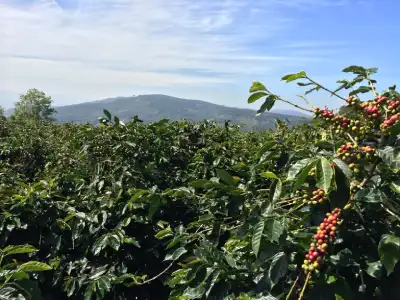
Overview of Coffee Plantations
Tanzania is a leading coffee producer in East Africa, with plantations spread across its northern and southern regions. The country’s coffee is grown on fertile volcanic soils, benefiting from high altitudes and favorable climates. Arabica dominates in the northern regions like Kilimanjaro and Arusha, while both Arabica and Robusta thrive in the southern highlands of Mbeya and Mbinga. These plantations, ranging from large estates to smallholder farms, contribute significantly to Tanzania’s economy and global coffee trade.
Key Coffee-Growing Regions
- Kilimanjaro: Known for its bright, fruity Arabica beans, grown on the slopes of Kilimanjaro, with estates like Materuni leading the way.
- Arusha: Home to premium Arabica plantations, such as Burka Coffee Estate, set against the backdrop of Mount Meru.
- Mbeya: A hub for both Arabica and Robusta, with estates like Utengule Coffee Estate producing bold, chocolatey flavors.
- Mbinga: Famous for its Ruvuma coffee, offering complex, fruity notes from smallholder farms.
Notable Plantations and Estates
Materuni Coffee Plantation (Kilimanjaro): A historic estate offering immersive tours, showcasing organic Arabica production and Chagga cultural experiences.
Burka Coffee Estate (Arusha): One of Tanzania’s oldest plantations, known for high-quality Arabica and guided tours with processing demonstrations.
Utengule Coffee Estate (Mbeya): A leading producer of Arabica and Robusta, emphasizing sustainable practices and rich, bold flavors.
Kilimanjaro Native Cooperative Union (KNCU): A cooperative of smallholder farmers in Kilimanjaro, producing Fair Trade-certified Arabica.
Significance of Tanzanian Coffee Plantations
Tanzanian coffee plantations are vital to the country’s agricultural heritage, supporting thousands of farmers and contributing to global coffee markets. Many estates and cooperatives focus on sustainable and organic practices, earning certifications like Fair Trade and Rainforest Alliance. The unique flavors of Tanzanian coffee—bright and fruity for Arabica, bold and earthy for Robusta—make it a favorite among coffee enthusiasts worldwide.
Visiting Coffee Plantations
Many plantations offer guided tours, allowing visitors to explore coffee fields, learn about cultivation and processing, and enjoy tastings. Popular destinations include Moshi, Arusha, and Mbeya. Tours typically last 4–7 hours and include hands-on activities and cultural insights. Contact Jaynevy Tours via WhatsApp (+255 678 992 599) or email (jaynevytours@gmail.com) to book a tour.
Coffee Plantations in Tanzania FAQs
Key regions include Kilimanjaro, Arusha, Mbeya, and Mbinga, with notable estates in Moshi, Arusha, and the southern highlands.
Tanzania primarily grows Arabica in regions like Kilimanjaro and Arusha, and both Arabica and Robusta in Mbeya and Mbinga.
Yes, many plantations, such as Materuni, Burka, and Utengule, offer guided tours with coffee processing demos and tastings.
Tanzanian plantations combine rich volcanic soils, ideal climates, and sustainable practices, producing high-quality beans with distinct flavors.
Book through Jaynevy Tours via WhatsApp (+255 678 992 599) or email (jaynevytours@gmail.com) for tours in Moshi, Arusha, or Mbeya.
For booking a coffee plantation tour or any further inquiries, please contact us via WhatsApp: +255 678 992 599 or email jaynevytours@gmail.com.