
Types of Coffee in Tanzania
Explore the rich world of Tanzanian coffee, from the delicate Arabica to the bold Robusta and unique specialty varieties, grown in diverse regions with distinct flavors and a storied history.
Overview of Coffee Cultivation in Tanzania
Tanzania is a renowned coffee-producing country, with its fertile volcanic soils, ideal altitudes, and favorable climates nurturing a thriving coffee industry. Coffee cultivation is a significant part of Tanzania’s economy, supporting thousands of smallholder farmers and large plantations.
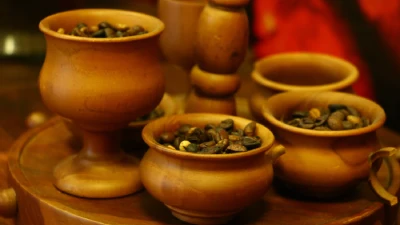
Main Coffee Varieties
Arabica: Known for its smooth, mild flavor with floral and fruity notes, Arabica dominates Tanzania’s coffee production, grown at higher altitudes (1,200–2,000 meters) in regions like Kilimanjaro, Arusha, and Mbeya.
Robusta: A hardier variety with a stronger, more bitter taste, Robusta thrives at lower altitudes (800–1,200 meters) in areas like Kagera and Bukoba, often used in blends and instant coffee.
Specialty Types: These include unique varieties like Tanzanian Peaberry, a small, round bean with intense flavor, often grown in Arusha and Kilimanjaro, prized for its bright acidity and complex notes.
Flavor Profiles and Differences
Arabica offers bright acidity, with notes of citrus, berries, and florals, varying by region—Kilimanjaro Arabica has wine-like tones, while Mbeya’s is chocolatey. Robusta is earthy, with nutty and grain-like flavors, ideal for espresso. Specialty coffees like Peaberry have concentrated sweetness and vibrant acidity, setting them apart in global markets.
Growing Conditions
Arabica thrives in cooler, high-altitude climates with rich, volcanic soils and consistent rainfall (1,200–1,800 mm annually). Robusta prefers warmer, lower-altitude areas with higher humidity. Both require well-drained soils, with shade trees often used to protect crops and enhance flavor complexity.
Regions Known for Each Type
Kilimanjaro and Arusha: Prime Arabica regions, known for premium beans with bright acidity.
Mbeya: Produces both Arabica and specialty varieties, noted for rich, full-bodied flavors.
Kagera and Bukoba: Major Robusta hubs, with beans suited for robust blends.
Songwe and Ruvuma: Emerging regions for specialty Arabica, gaining international acclaim.
History of Coffee in Tanzania
Coffee was introduced to Tanzania by German colonists in the 19th century, with Arabica first cultivated in Kilimanjaro. Post-independence, cooperatives grew, and today, Tanzania exports over 30,000 tons annually, with smallholder farmers producing 70% of the crop. The industry blends tradition with modern sustainable practices.
Popular Uses
Arabica is favored for specialty brews, pour-overs, and single-origin roasts. Robusta is used in espresso blends, instant coffee, and local beverages like “kahawa chungu” (bitter coffee). Specialty types are sought after by global roasters for premium markets.
Certification and Quality Grades
Tanzanian coffee is graded by bean size and quality (AA, AB, PB for Peaberry). Certifications like Fair Trade, Rainforest Alliance, and Organic ensure sustainable practices and premium quality, with many farms in Arusha and Mbeya earning these labels.
Coffee FAQs
Arabica and Robusta are the primary varieties, with specialty types like Peaberry gaining popularity for their unique flavors.
Arabica has bright, fruity notes and grows at higher altitudes, while Robusta is bolder, earthier, and thrives at lower elevations.
Kilimanjaro, Arusha, Mbeya, and Kagera offer immersive coffee tours with farm visits and tastings.
Many coffees carry Fair Trade, Rainforest Alliance, or Organic certifications, ensuring quality and sustainability.
Purchase from local markets, plantations, or online shops like Jaynevy Tours’ store for authentic, high-quality beans.
For booking your coffee tour or any further inquiries, please contact us via WhatsApp: +255 678 992 599 or email jaynevytours@gmail.com.