
Where is Arabica Coffee Found
Discover the lush regions of Tanzania where Arabica coffee thrives, from the volcanic slopes of Kilimanjaro to the high plateaus of Mbeya, known for their premium beans and unique flavor profiles.
Arabica Coffee in Tanzania
Tanzania’s Arabica coffee, grown in high-altitude regions with volcanic soils, is celebrated for its bright acidity and complex flavors, making it a cornerstone of the country’s coffee industry and a must-visit for coffee enthusiasts.
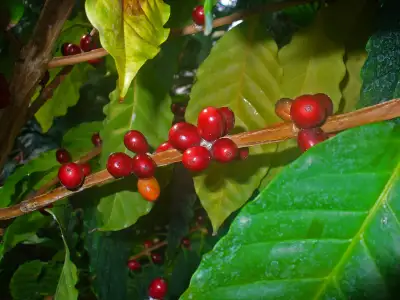
Definition and Characteristics of Arabica Coffee
Arabica coffee, known scientifically as Coffea arabica, is prized for its smooth, mild flavor with bright acidity and notes of citrus, berries, and florals. It accounts for about 70% of Tanzania’s coffee production, favored for its quality in specialty brews and single-origin roasts.
Major Tanzanian Arabica Regions
Kilimanjaro: The volcanic soils and high altitudes (1,400–2,000 meters) produce Arabica with wine-like acidity and fruity notes, grown on estates like Kilimanjaro Plantation.
Arusha: Known for estates like Burka and Ngila, Arusha yields beans with floral and citrus flavors.
Mbeya: High plateaus (1,300–1,900 meters) produce rich, chocolatey Arabica, often specialty grades, at farms like Mbozi Coffee Estate.
Songwe and Ruvuma: Emerging regions with vibrant, fruity Arabica gaining global recognition for their unique profiles.
Climate and Altitude Preferences
Arabica thrives at 1,200–2,000 meters with temperatures of 15–24°C and annual rainfall of 1,200–1,800 mm. Tanzania’s volcanic soils and shade-grown methods enhance flavor complexity, with regions like Kilimanjaro offering ideal conditions.
Notable Farms and Estates
Burka Estate (Arusha): A historic estate producing premium Arabica with floral notes, open for tours.
Ngila Estate (Arusha): Known for Peaberry and high-grade AA beans, popular among specialty coffee buyers.
Mbozi Coffee Estate (Mbeya): Specializes in organic, Fair Trade-certified Arabica, offering farm-to-cup experiences.
Kilimanjaro Plantation: Offers tours and produces award-winning beans, known for their bright acidity.
Unique Flavor Notes
Kilimanjaro Arabica features wine-like acidity with berry and citrus notes. Arusha beans offer floral and jasmine hints, while Mbeya’s Arabica has chocolatey, nutty undertones. Specialty varieties like Peaberry deliver intense sweetness and vibrant acidity, making them stand out in global markets.
Harvesting and Processing Methods
Arabica is typically hand-picked during the wet season (October–February) to ensure only ripe cherries are selected. Most Tanzanian Arabica is wet-processed (washed), enhancing its clean, bright flavors. Some estates use natural (dry) processing for fruitier profiles, especially for specialty beans.
Economic Importance
Arabica coffee is a major export for Tanzania, contributing significantly to the economy. It supports thousands of smallholder farmers and large estates, with cooperatives in Kilimanjaro and Mbeya ensuring fair trade practices. The premium quality of Tanzanian Arabica drives demand in global markets, particularly in Europe and North America.
Arabica Coffee FAQs
Its bright acidity, floral and fruity notes, and cultivation in volcanic soils at high altitudes create distinct flavor profiles.
Kilimanjaro, Arusha, and Mbeya are top regions, with estates like Burka and Mbozi producing premium beans.
Most Arabica is wet-processed for clean flavors, though some estates use natural processing for fruitier notes.
Yes, farms like Kilimanjaro Plantation and Burka Estate offer tours, bookable through Jaynevy Tours.
It’s a major export, supporting farmers and cooperatives, with high demand in global specialty coffee markets.
For booking your Arabica coffee tour or any further inquiries, please contact us via WhatsApp: +255 678 992 599 or email jaynevytours@gmail.com.