
Where is Robusta Coffee Found
Discover the vibrant regions of Tanzania where Robusta coffee thrives, from the fertile lowlands of Kagera to the shores of Lake Victoria in Bukoba, known for their bold, earthy beans.
Robusta Coffee in Tanzania
Tanzania’s Robusta coffee, grown in the lush lowlands of Kagera and Bukoba, is renowned for its bold, earthy flavors, making it a key player in espresso blends and a fascinating destination for coffee enthusiasts.
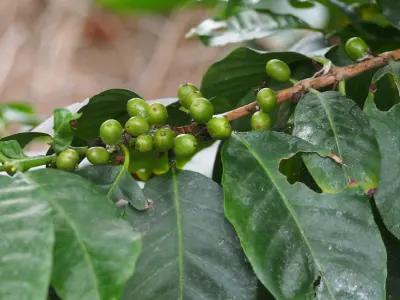
Definition and Characteristics of Robusta Coffee
Robusta coffee, known scientifically as Coffea canephora, is valued for its strong, bold flavor with earthy, nutty, and grain-like notes. It constitutes about 30% of Tanzania’s coffee production, often used in espresso blends and instant coffee due to its high caffeine content and robust profile.
Major Tanzanian Robusta Regions
Kagera: The primary Robusta region, located near Lake Victoria, produces beans with deep, earthy flavors at altitudes of 800–1,200 meters.
Bukoba: Also near Lake Victoria, Bukoba yields high-quality Robusta, often processed for export markets.
Morogoro: An emerging region for Robusta, with smallholder farms contributing to local and regional markets.
Climate and Altitude Preferences
Robusta thrives at lower altitudes (800–1,200 meters) with warmer temperatures (20–30°C) and high humidity (1,500–2,000 mm annual rainfall). Tanzania’s fertile lowlands, particularly in Kagera, provide ideal conditions, with well-drained soils and shade trees enhancing bean quality.
Notable Farms and Cooperatives
Kagera Cooperative Union (KCU): Represents thousands of smallholder farmers, producing high-quality Robusta with sustainable practices.
Bukoba Coffee Estate: A key producer of export-grade Robusta, offering farm tours and processing insights.
Missenyi Coffee Farms: Smallholder farms in Kagera known for organic Robusta, often Fair Trade-certified.
Unique Flavor Notes
Tanzanian Robusta is characterized by bold, earthy flavors with nutty undertones and a hint of dark chocolate. Kagera’s Robusta often has grain-like notes, while Bukoba’s beans may exhibit subtle bitterness, making them ideal for espresso and traditional Tanzanian “kahawa chungu” (bitter coffee).
Harvesting and Processing Methods
Robusta is typically hand-picked during the wet season (June–October) to select ripe cherries. Most Tanzanian Robusta is dry-processed, enhancing its full-bodied, earthy flavors. Some farms use wet processing for cleaner, milder profiles, particularly for specialty markets.
Economic Importance
Robusta is a vital economic driver in Tanzania’s western regions, supporting smallholder farmers and cooperatives like the KCU. It contributes to coffee exports, particularly for blends and instant coffee, with growing demand in African and Asian markets. Sustainable practices and certifications boost its global appeal.
Robusta Coffee FAQs
Its bold, earthy flavor with nutty and grain-like notes, grown in low-altitude regions like Kagera, makes it ideal for espresso blends.
Robusta is primarily grown in Kagera and Bukoba, near Lake Victoria, with smaller production in Morogoro.
Most Robusta is dry-processed for a fuller, earthier flavor, though some farms use wet processing for cleaner profiles.
Yes, farms in Kagera and Bukoba offer tours, bookable through Jaynevy Tours, showcasing cultivation and processing.
Robusta supports smallholder farmers in Kagera, contributing to Tanzania’s coffee exports, particularly for blends and instant coffee.
For booking your Robusta coffee tour or any further inquiries, please contact us via WhatsApp: +255 678 992 599 or email jaynevytours@gmail.com.