
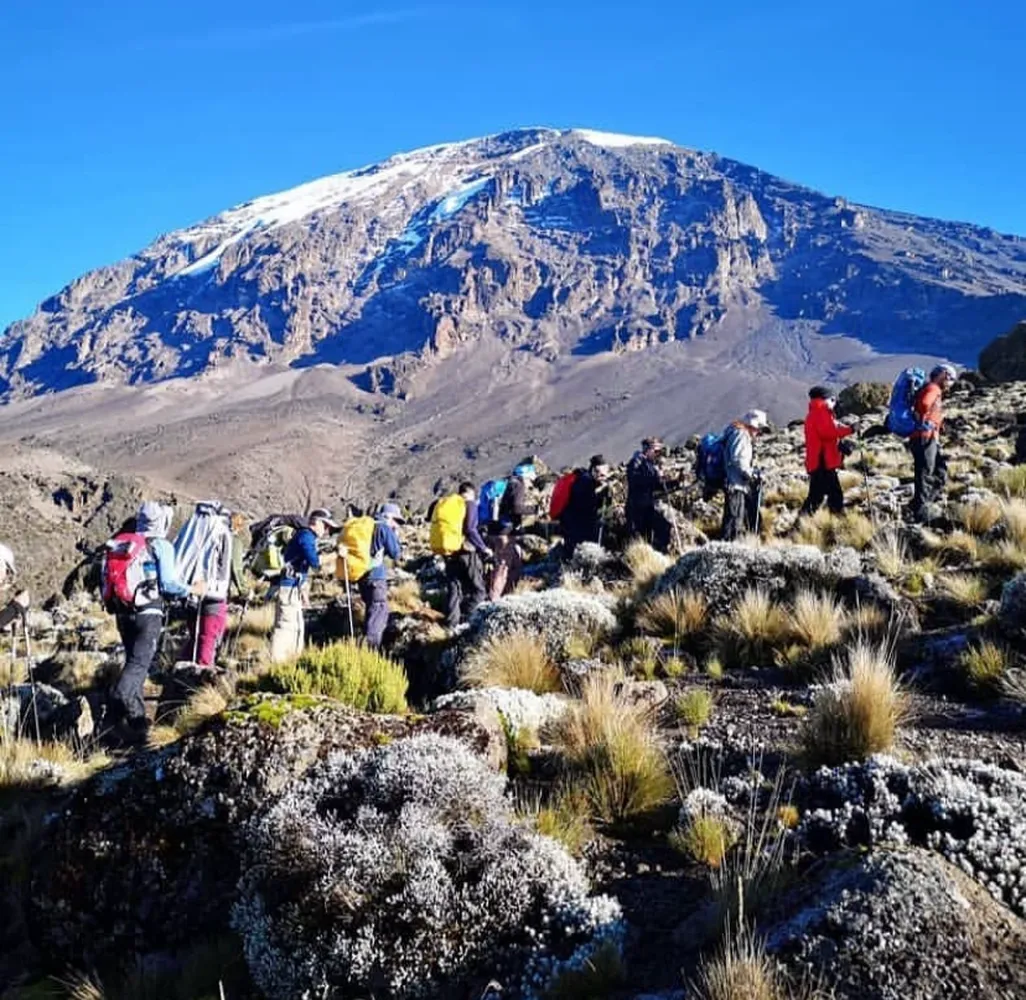
Quick Answer: How Should You Prepare for Kilimanjaro?
For adult travelers, start with consistency rather than extreme workouts. Build a regular aerobic base, include basic full-body strength, spend time walking or hiking on varied terrain, learn how your footwear and daypack feel, and protect recovery. A common planning window is around 8–12 weeks, but that is a practical convention rather than a medical rule. Adults starting from a low fitness base may need longer.
Most importantly, do not confuse fitness with acclimatization. CDC guidance states that training and physical fitness do not determine susceptibility to altitude illness. Route pace and sleeping-altitude progression remain separate safety questions.
Safety Note
This page is general information for adult travelers, not an individualized exercise or medical prescription. People with chronic health conditions, important previous injuries, concerns about vigorous exercise or a history of altitude problems should speak with an appropriate healthcare professional before materially increasing training or travelling to high altitude. Travelers under 18 should train and climb only with a parent or guardian and qualified medical/outdoor professionals.
What Kilimanjaro Training Can—and Cannot—Do
Training can improve walking efficiency, general endurance, leg and core strength, balance, confidence with equipment and recovery between trekking days. Those are meaningful advantages on a multi-day mountain trip.
Training cannot make a person immune to acute mountain sickness. The CDC notes that fitness does not predict who will become ill at altitude. This corrects a common misconception found in many commercial training pages: being strong, young or aerobically fit is not a guarantee of safe altitude adaptation.
Kilimanjaro Fitness Baseline: What Does the Evidence Support?
There is no validated fitness test that proves someone is “ready for Kilimanjaro.” A sensible starting point is to distinguish general health activity guidance from mountain-specific preparation. For adults, CDC guidance recommends at least 150 minutes of moderate-intensity aerobic activity per week plus muscle-strengthening activity on 2 or more days. That is a public-health baseline, not a summit-readiness certificate.
| Preparation Area | Why It Matters | What Good Preparation Looks Like |
|---|---|---|
| Aerobic base | Supports sustained walking | Regular activity that can be maintained consistently without repeated exhaustion |
| Hiking-specific endurance | Transfers most directly to trail demands | Comfort with prolonged walking, hills and varied surfaces |
| Strength | Supports legs, hips, trunk and posture | Basic full-body strength work with sound technique |
| Balance and movement control | Useful on uneven ground and descents | Stable, controlled movement rather than speed-focused training |
| Recovery | Training only works if the body can adapt | Regular sleep, easier days and attention to persistent pain or fatigue |
| Gear familiarity | Reduces avoidable comfort problems | Boots, socks, layers and daypack tested before travel |
A Safety-First 12-Week Kilimanjaro Preparation Framework
The table below is an editorial planning framework for adult climbers, not a fixed prescription. A qualified trainer can change the duration and workload for age, current fitness, previous injuries and route choice.
| Phase | Main Goal | General Focus | What to Avoid |
|---|---|---|---|
| Weeks 1–4: Foundation | Create consistency | Regular moderate aerobic activity, basic strength and comfortable walking | Sudden jumps in volume or training through pain |
| Weeks 5–8: Build | Become more hiking-specific | More hill or stair exposure, varied walking surfaces, footwear and daypack familiarity | Turning every session into a hard workout |
| Weeks 9–10: Specific preparation | Practice sustained trail effort | Longer outdoor walking and, where appropriate, consecutive moderate walking days with recovery | Heavy last-minute changes in footwear, pack setup or training style |
| Weeks 11–12: Taper and travel readiness | Arrive recovered | Reduced training load, normal movement, sleep, mobility and equipment organization | Trying to “make up” missed fitness with exhausting sessions |
1. Aerobic Training: Build an Endurance Base
Walking uphill at altitude is primarily an endurance task, so aerobic conditioning deserves a major place in preparation. Brisk walking, hiking, cycling, swimming and similar activities can all contribute. Running is optional; it is not a requirement for Kilimanjaro.
The most important principle is sustainable consistency. Adults who are currently inactive should not jump directly into high-volume or vigorous training. CDC advice also recommends speaking with a doctor before starting vigorous-intensity activity when a person has been inactive or has relevant health concerns.
2. Hiking-Specific Preparation Matters More Than Gym Numbers
Kilimanjaro is walked, not bench-pressed. Gym strength can help, but outdoor walking gives experience with uneven ground, pacing, footwear, weather and sustained time on the feet. If access to hills is limited, stairs or an inclined treadmill can supplement training, but they do not reproduce every feature of a mountain trail.
For adult climbers who are new to trekking, the objective should be to become comfortable with regular walking before chasing speed or heavy loads. Read the Kilimanjaro guide for beginners alongside this training page.
3. Strength Training: Focus on Durability, Not Maximum Lifts
Basic strength supports posture, balance and repeated climbing and descending. A complete adult program normally covers the major muscle groups rather than only the legs. Technique, control and consistency are more useful for trekking preparation than testing maximum strength.
Strength work should complement hiking, not leave a climber too sore to walk comfortably. If strength training is new, learning technique from a qualified coach is safer than copying advanced routines.
4. Downhill Conditioning and Balance Are Easy to Ignore
Many training plans focus only on uphill effort, but descending also creates fatigue and requires control on uneven ground. Adults can prepare by including normal walking on varied terrain and balance-focused movement where appropriate. Persistent knee, ankle or foot pain should be addressed rather than treated as a normal part of preparation.
5. Train With Your Real Footwear and Daypack
Equipment familiarity is one of the easiest problems to solve before travel. Boots should be tested before the climb, socks should be familiar, and the daypack should fit comfortably. The goal is not to train with an unnecessarily heavy load; it is to discover fit, rubbing, pressure points and organization issues before the mountain.
Use the Kilimanjaro packing checklist and Kilimanjaro rental gear guide to separate personal essentials from equipment that may be rented.
6. Recovery Is Part of the Training Plan
More exercise is not automatically better. Training adaptations occur during recovery, and persistent fatigue can reduce training quality. A sensible plan includes easier days, adequate sleep and enough time for minor soreness to settle. Pain that changes walking mechanics, recurrent swelling or symptoms that are worsening deserve professional assessment rather than “pushing through.”
Altitude: The Part Training Cannot Solve
Uhuru Peak is approximately 5,895 m. At that elevation, low oxygen pressure is a central challenge regardless of fitness. CDC guidance emphasizes gradual acclimatization and notes that acute acclimatization develops over the first several days at altitude.
Kilimanjaro Research Numbers Worth Using
- A prospective cohort included 1,237 recreational Kilimanjaro hikers.
- 87.9% reached Uhuru Peak in that study population.
- 8.6% developed severe altitude-illness symptoms.
- 1.1% were hospitalized because of severe altitude illness.
- Climbing in more days was one factor associated with summit success.
- An earlier observational study of 112 Finnish trekkers reported 75% acute mountain sickness on a rapid Marangu schedule; 53% reached Gillman’s Point or Uhuru Peak.
These studies do not establish a guaranteed success rate for a particular training plan. They show why altitude management must remain separate from fitness marketing.
For altitude planning, use the Kilimanjaro acclimatization guide and compare itineraries through the Kilimanjaro route guide.
Do Altitude Masks or Hypoxic Training Replace Acclimatization?
No home or gym tool should be presented as a guarantee against altitude illness. Breathing-resistance masks do not reproduce the reduced oxygen pressure of high altitude, and even genuine pre-acclimatization does not remove the need for a sensible itinerary and symptom-aware decisions on the mountain.
CDC notes that recent exposure above about 2,750 m for at least two nights can be useful, but individual response still varies. Any specialized hypoxic program should be discussed with appropriately qualified professionals rather than improvised.
How Route Choice Changes the Preparation Question
Training should not be planned in isolation from the itinerary. Routes differ in number of days, terrain, camp sequence and altitude profile. A person choosing a longer route may face more total walking days but gain more acclimatization time; a short route may compress altitude gain even if the trail appears technically simple.
Before booking, compare the main Kilimanjaro routes, review common Kilimanjaro climbing challenges and read the Kilimanjaro safety guide.
Common Kilimanjaro Training Mistakes
- Starting too hard. Large jumps in workload increase the chance that soreness or injury interrupts consistency.
- Only doing cardio. Walking durability also depends on strength, balance and recovery.
- Only training in a gym. Outdoor walking teaches terrain and equipment lessons that machines cannot fully reproduce.
- Using fitness as proof of altitude safety. CDC specifically says physical fitness does not determine altitude-illness susceptibility.
- Ignoring footwear until late. Equipment problems are easier to solve before the trip.
- Training through persistent pain. Worsening pain is a reason to reassess, not a badge of commitment.
- Skipping recovery before travel. Arriving exhausted is not the goal of a training program.
How to Know Whether Your Preparation Is on Track
There is no scientific pass/fail Kilimanjaro fitness test. For an adult climber, useful signs of preparation include:
- Regular aerobic activity has become routine rather than occasional.
- Walking on hills or varied ground feels increasingly familiar.
- Basic strength work can be completed with sound technique.
- Boots, socks and daypack have been used enough to identify comfort problems.
- Training can be completed without persistent pain or excessive fatigue.
- The route and acclimatization plan have been reviewed separately from fitness.
Medical, Insurance and Safety Preparation
Fitness preparation should sit inside a wider safety plan. Adults with health questions should seek appropriate medical advice before travel, and insurance should be checked for high-altitude trekking terms rather than assumed to cover every mountain activity. Review the Kilimanjaro travel insurance guide and confirm the operator’s emergency procedures in writing.
Final Verdict: What Makes a Good Kilimanjaro Training Plan?
A good plan is consistent, progressive, hiking-specific and recoverable. It should improve general fitness without creating avoidable injury, build familiarity with walking and equipment, and leave enough recovery before travel. It should also be honest about its limits: no training plan can guarantee a summit or prevent altitude illness.
For most adult climbers, the best preparation combines a sensible fitness program with a well-chosen route, realistic pacing, appropriate equipment and professional medical or training input when needed. Price and itinerary options can then be compared in the Kilimanjaro cost guide.
Frequently Asked Questions
How long should you train for Kilimanjaro?
There is no single evidence-based number of weeks that fits every adult. Many commercial plans use roughly 8 to 12 weeks, but the right lead time depends on current fitness, hiking experience, injury history and the route selected. A qualified trainer can individualize progression.
Do you need to be extremely fit to climb Kilimanjaro?
Kilimanjaro is a demanding multi-day high-altitude trek, but extreme athletic fitness is not the main requirement. Adult climbers benefit from steady aerobic fitness, leg and core strength, hiking durability and good recovery habits. Fitness does not prevent altitude illness.
What is the most useful training for Kilimanjaro?
For adult climbers, hiking-specific endurance is usually the most transferable type of preparation because the mountain involves repeated days of walking on uneven terrain. General aerobic conditioning and strength work support that hiking base.
Is running required for Kilimanjaro training?
No. Running can build aerobic fitness, but it is not required. Brisk walking, hiking, cycling, swimming and other aerobic activities can all contribute. The best plan is one that can be sustained without creating injury problems.
Should you train with a backpack?
Adult climbers should become familiar with the daypack and footwear they expect to use. The goal is comfort, fit and movement familiarity rather than carrying unnecessarily heavy loads during training.
Can gym training replace hiking?
Gym work can improve aerobic fitness and strength, but outdoor walking on hills and uneven ground provides movement and footwear experience that a gym cannot fully reproduce. A combined approach is usually more practical.
Does getting fitter prevent altitude sickness?
No. CDC guidance states that training and physical fitness do not determine susceptibility to altitude illness. Route pace, sleeping altitude, ascent rate, prior altitude response and individual biology matter more.
Do altitude masks prepare you for Kilimanjaro?
Breathing-resistance masks are not a substitute for true altitude exposure or a sensible ascent itinerary. They may make breathing feel harder, but they should not be treated as protection against altitude illness.
Should beginners train differently for Kilimanjaro?
Beginners generally need more time to establish consistent walking, aerobic fitness and basic strength without injury. The plan should progress gradually and should be adjusted by an adult health or fitness professional when needed.
What should happen during the final week before travel?
The final days should emphasize recovery, normal movement, sleep, equipment organization and travel readiness rather than trying to gain new fitness at the last moment. Major training gains require more time than a few days.
Does route choice affect how much training you need?
Yes. Longer itineraries can involve more total walking days, while shorter or steeper routes can feel more compressed. Route choice also affects acclimatization, which is separate from fitness. Compare route profiles before deciding how to prepare.
Who should get medical advice before training for Kilimanjaro?
Adults with chronic health conditions, significant previous injuries, concerns about vigorous exercise or a history of problems at altitude should discuss the trip with an appropriate healthcare professional before increasing training or travelling to high altitude.
Research and Planning Sources
This guide separates general adult physical-activity guidance from Kilimanjaro-specific altitude evidence. Training advice should be individualized where health, age, injury or fitness history makes a generic plan inappropriate.
- CDC: adult physical activity guidelines
- CDC Yellow Book: high-altitude travel and altitude illness
- Prospective Kilimanjaro cohort study: 1,237 recreational hikers
- Observational study of 112 Finnish Kilimanjaro trekkers
- Google Search Central: generative AI Search guidance
- Google Search Status Dashboard: ranking update history