Mount Kilimanjaro: Climbing Guide, Routes, Cost & Packages
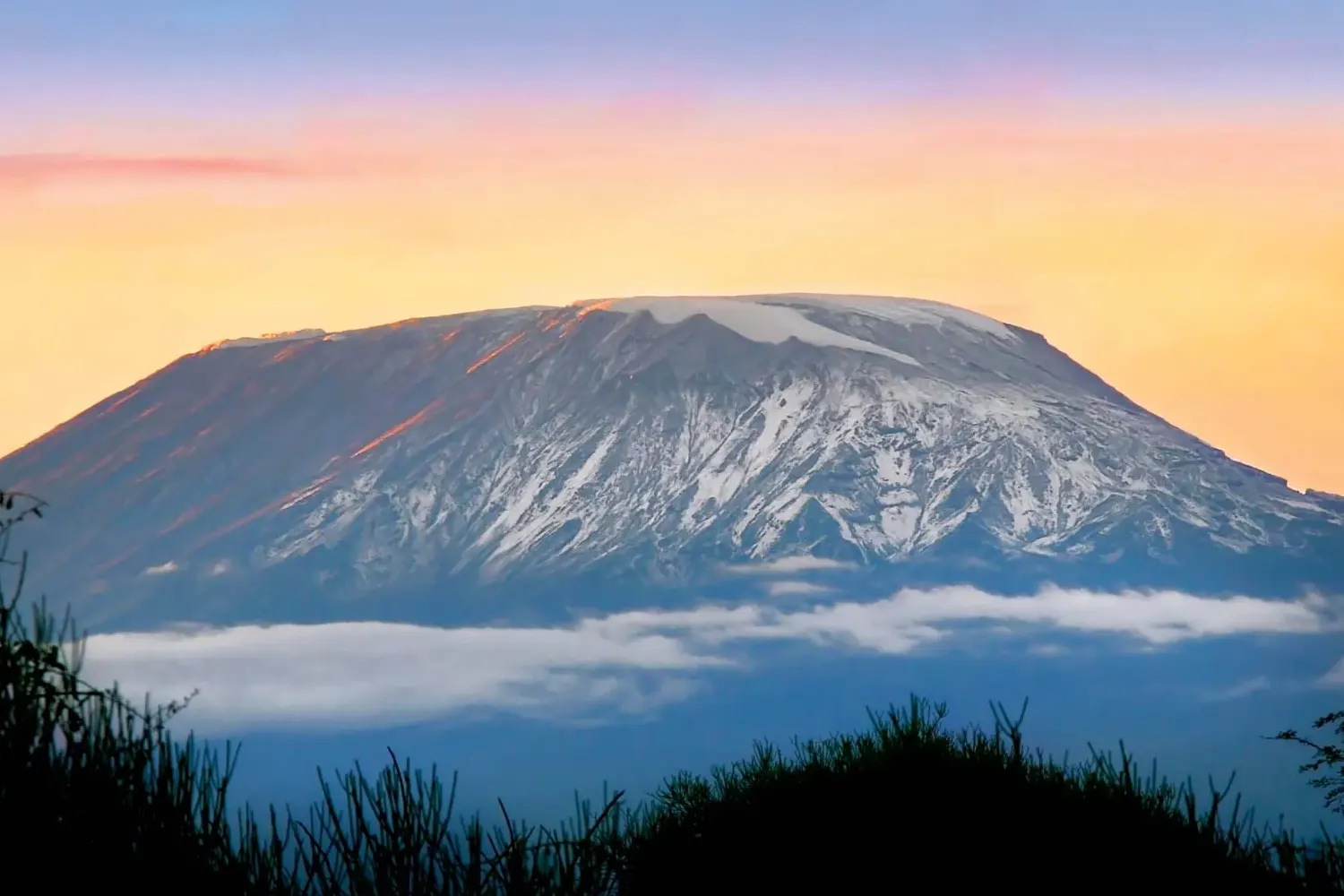
Mount Kilimanjaro rises from the plains of northern Tanzania to
5,895 metres (19,341 feet), making Uhuru Peak the highest point in Africa. It is a high-altitude trekking
mountain rather than a routine hill walk: most climbers spend between five and nine days moving from the
cultivated lower slopes and rainforest to moorland, alpine desert and the cold summit zone.
This page gives a clear overview of the mountain and the decisions that shape a successful trip. It covers
the main climbing routes, realistic duration, package styles, current planning costs, weather, equipment
and safety. Each subject links to a dedicated guide where you can compare the details without turning this
page into a collection of repeated itineraries.
Mount Kilimanjaro at a glance
- Elevation: 5,895 metres or 19,341 feet above sea level.
- Highest summit: Uhuru Peak, on the rim of Kibo.
- Location: Kilimanjaro Region in northern Tanzania, close to Moshi.
- Mountain type: A volcanic massif formed by Kibo, Mawenzi and Shira. Kibo is dormant.
- Protected status: Kilimanjaro National Park became a UNESCO World Heritage Site in 1987.
- UNESCO property: Approximately 75,575 hectares, protecting the mountain and its ecological zones.
- Typical trek length: Five to nine days on the mountain, depending on route and itinerary.
- Accommodation: Camping on most routes; shared huts on the Marangu Route.
- Technical level: Standard routes normally require trekking rather than ropes or specialist climbing techniques.
- Main challenge: Adapting safely to altitude while maintaining steady energy over several days.
Kilimanjaro stands about 4,877 metres above the surrounding plains. That exceptional vertical rise
is why a climber can experience major changes in vegetation, temperature and oxygen availability
within a single journey. The mountain is accessible to prepared first-time trekkers, but its
altitude must never be underestimated.
What climbing Mount Kilimanjaro is really like
A Kilimanjaro climb is a supported expedition. Climbers walk with a licensed local mountain team
that normally includes a lead guide, assistant guides, a cook and porters. The crew manages camp,
meals, water and group equipment while climbers carry a daypack containing drinking water, rain
protection, warm layers, snacks and personal essentials.
The route changes character as elevation increases. UNESCO identifies five broad vegetation zones:
- Lower cultivated slopes: Farms and settlements around the mountain's base.
- Montane forest: A humid belt with tall trees, mosses, birds and primates.
- Heath and moorland: Open terrain with giant heathers and wider mountain views.
- Alpine desert: Dry, exposed ground with strong sun, cold nights and sparse plant life.
- Summit zone: Rock, scree, ice and severe high-altitude conditions near Kibo's crater rim.
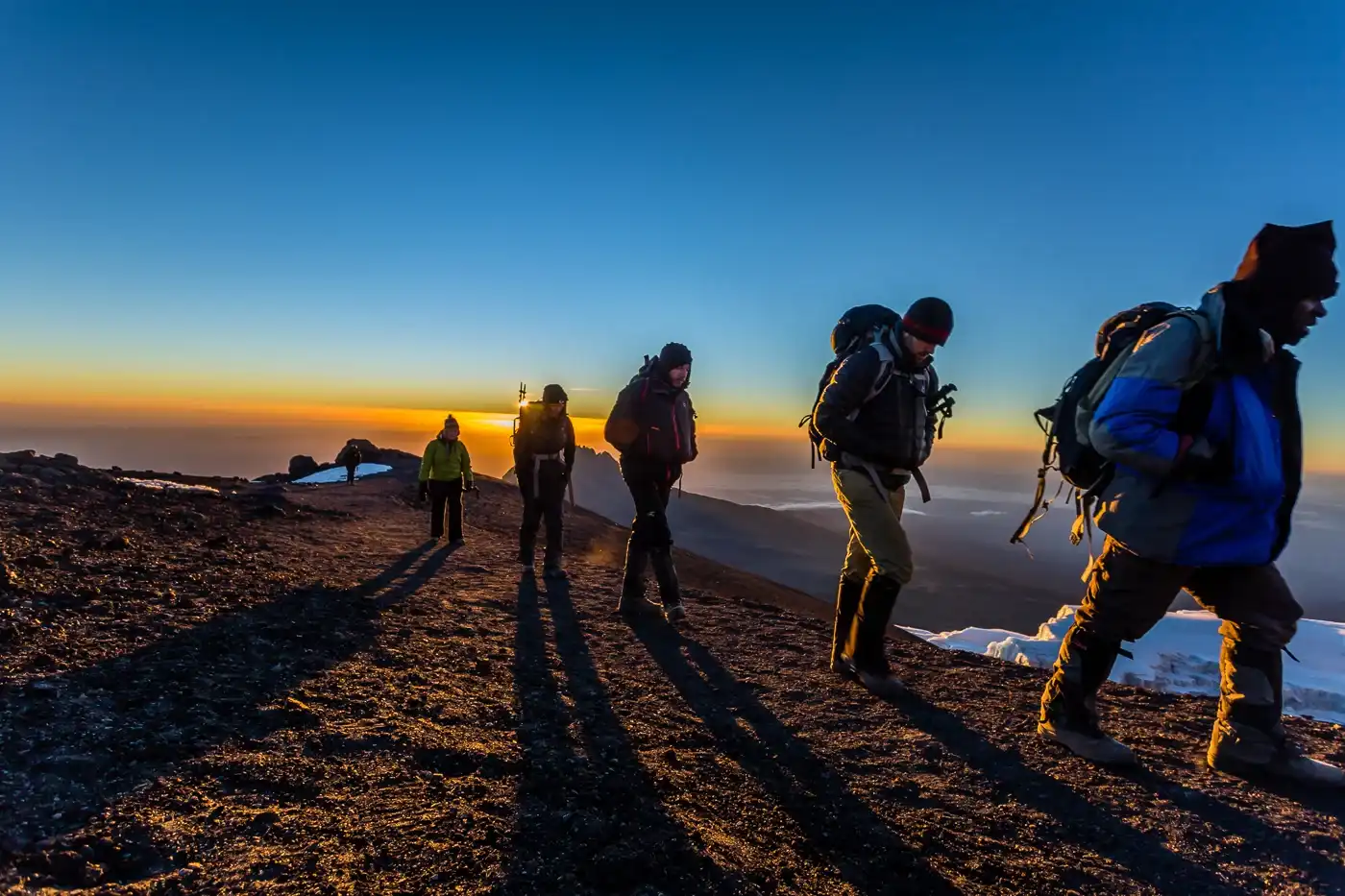
Most walking days are steady rather than technically difficult. Summit night is different. It
usually begins late at night, follows a slow ascent over scree and reaches the crater rim around
dawn before continuing toward Uhuru Peak. The combination of darkness, cold, fatigue and thin air
makes this the hardest part of the climb for many people.
Plan your Mount Kilimanjaro climb
Use the six planning sections below to move from general research to a route and package that match your
time, fitness, preferred comfort and budget.
Choosing a Kilimanjaro route without overcomplicating it
The route name matters, but duration and daily altitude profile matter just as much. Two trips
using the same trail can feel very different when one is rushed and the other includes an extra
acclimatization day.
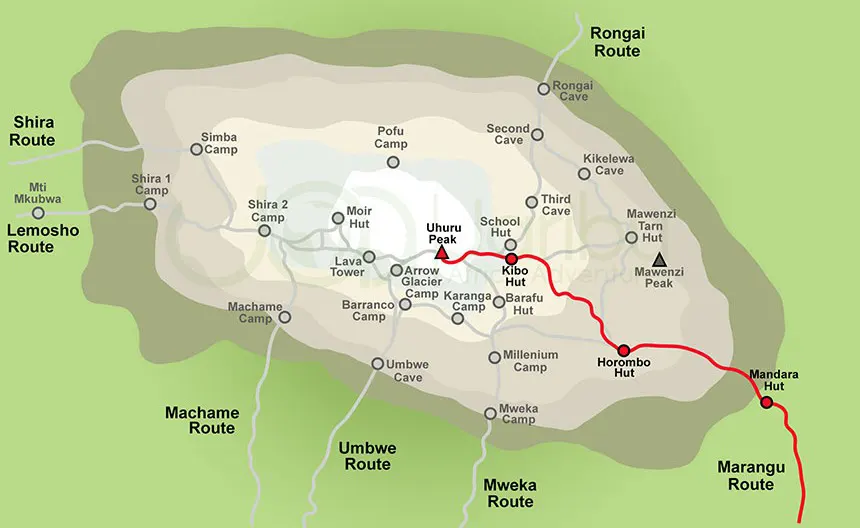
- Marangu: The only main route with shared hut accommodation. It uses the same general corridor for ascent and descent and is commonly offered over five or six days.
- Machame: A camping route from the south with varied scenery. Six-day versions exist, although seven days provides a less compressed schedule.
- Lemosho: Begins on the western side, crosses the Shira Plateau and later joins the southern circuit. Seven or eight days is common.
- Northern Circuit: A long itinerary that continues around the quieter northern side of Kibo. It is normally planned over eight or nine days.
- Rongai: Approaches from the north near the Kenyan border and usually descends toward Marangu. Six or seven days is common.
- Umbwe: A steep, direct southern approach with limited early acclimatization time. It suits experienced and well-prepared trekkers more than first-time high-altitude hikers.
- Shira: Starts high on the western side and joins trails used by Lemosho and Machame. The high starting point requires careful consideration of acclimatization.
Mweka is primarily used as a descent trail by several camping routes rather than as a normal
summit approach. For a side-by-side comparison of route length, scenery, accommodation and
recommended number of days, visit the Kilimanjaro climbing routes guide.
How many days should you allow?
A shorter itinerary saves money and time, but it also compresses the ascent. Your body does not
adapt to lower oxygen simply because you are fit, and strong runners can experience altitude
problems just as easily as less athletic climbers.
- Five days: Available on selected routes, especially Marangu, but the schedule is fast and leaves little room for adaptation.
- Six days: Common on Marangu, Machame, Rongai and Umbwe. It can work for prepared climbers, although the daily profile should be reviewed carefully.
- Seven days: A balanced choice for Machame, Lemosho and Rongai, with more time to walk slowly and respond to altitude.
- Eight to nine days: Common on longer Lemosho and Northern Circuit programs. These itineraries cost more but provide a more gradual journey and more time on the mountain.
Do not choose only by the lowest price or the shortest number of days. Compare sleeping elevations,
acclimatization walks, start altitude, summit schedule and the operator's procedure when a climber
becomes unwell.
Understanding Kilimanjaro climbing costs
A Kilimanjaro quotation combines government charges, mountain logistics and the level of service
requested. For 2026 planning, Jaynevy's published ranges run from approximately USD 1,200–1,500
for budget climbs, USD 1,800–2,500 for mid-range options and USD 3,000–5,000 or more for luxury
service. Prices should always be confirmed for your dates, route and group size.
A complete quotation should explain whether it includes:
- Kilimanjaro National Park entry, camping or hut charges and applicable rescue fees.
- Licensed guides, assistant guides, cooks and porters.
- Meals and safe drinking water while on the mountain.
- Tents or hut reservations, sleeping mats and shared camp equipment.
- Transfers between Moshi or Arusha and the relevant park gate.
- Hotel nights before and after the trek, when stated in the package.
- Emergency oxygen, pulse oximeter checks and communication equipment, when stated.
International flights, visa charges, travel insurance, crew tips, personal clothing and optional
gear rental are commonly separate. Read the full Kilimanjaro climbing cost breakdown
before comparing quotations that appear to offer the same route.
Weather, seasons and summit conditions
The most popular climbing windows are January to early March and June to October. These periods
are generally drier, but no month is completely predictable. The long-rain pattern is usually most
noticeable from March to May, while shorter rains often occur around November and into December.
Local conditions can vary from the seasonal pattern.
Season also affects the experience. July through September is popular and can bring more people
to shared camps. January and February often offer a good balance of conditions and trail activity.
Rainy-season climbs can be quieter, but wet forest trails, cloud, mud and damp equipment make the
trek more demanding.
Near the summit, expect freezing temperatures, wind and rapid weather changes even when lower
slopes are warm. Pack for the mountain's altitude rather than for the daytime weather in Moshi.
The detailed best-time guide
explains the trade-offs month by month.
Altitude, acclimatization and safety decisions
Uhuru Peak is above 5,500 metres, an elevation classified as extreme altitude. Oxygen availability
decreases as you climb, and no training program can guarantee that a person will acclimatize well.
The safest approach is a gradual itinerary, a very steady walking pace, sufficient rest and honest
communication with the guide.
General high-altitude guidance recommends that, once above 3,000 metres, sleeping elevation should
normally increase by no more than about 500 metres per day, with an additional acclimatization day
for each further 1,000 metres of sleeping elevation gained. Kilimanjaro trail layouts do not always
follow that formula perfectly, which is why longer itineraries and “climb high, sleep lower” walks
are valuable.
Headache, nausea, dizziness, unusual fatigue, poor coordination or breathing difficulty must be
reported immediately. Symptoms should never be hidden to protect a summit attempt. A guide may slow
the pace, stop the ascent or arrange descent. Supplemental oxygen can support emergency management,
but it is not a substitute for descending when a climber's condition is worsening.
Before travel, discuss significant health concerns and high-altitude medication with a qualified
medical professional. Confirm that your insurance explicitly covers trekking to 5,895 metres and
understand how evacuation approval and payment are handled. More detail is available in the
Mount Kilimanjaro safety guide.
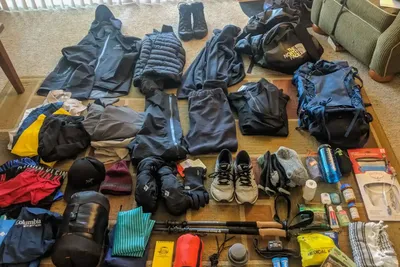
What to pack for Mount Kilimanjaro
There is no single heavy coat that solves every condition on Kilimanjaro. A flexible layering system
is more useful: synthetic or merino base layers, fleece or insulated mid-layers, a warm down or
synthetic jacket and waterproof outer clothing. Layers can be added during cold mornings and removed
as the day warms.
Core equipment includes well-broken-in waterproof boots, warm socks, insulated gloves, a warm hat,
sun hat, UV-protective sunglasses, headlamp with spare batteries, trekking poles, sunscreen, lip
protection, water containers and a sleeping bag suitable for sub-zero mountain nights. Most climbers
carry a 30–40 litre daypack with roughly 5–8 kilograms of items needed during the day.
Keep the main duffel compact and waterproofed inside. Jaynevy generally plans around a 15-kilogram
personal duffel allowance, but the final limit should be confirmed with your booking documents.
Boots are best brought from home because fit matters; sleeping bags, insulated jackets and trekking
poles can often be rented in Moshi. Use the complete Kilimanjaro packing checklist
before departure.
Accommodation, meals and daily camp life
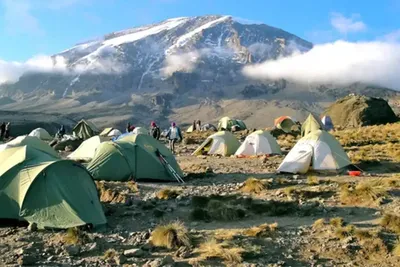
On camping routes, porters move ahead to prepare the next camp while the climbing group walks with
its guides. Standard packages normally use two-person mountain tents and a separate dining tent.
Higher-service packages may include larger tents, thicker sleeping mats, camp beds, private toilet
tents and a higher crew-to-climber ratio.
Marangu uses permanent shared huts at Mandara, Horombo and Kibo. Huts remove the need to sleep in a
tent, but they are still basic mountain accommodation with shared facilities. Climbers need a warm
sleeping bag on every route.
Mountain meals are designed to provide energy and hydration. A normal day may include breakfast,
packed or cooked lunch, afternoon tea, dinner and hot drinks. Dietary requirements should be shared
before arrival, not at the park gate. Appetite can decrease at altitude, so familiar snacks are useful
even when full meals are provided.
Preparing your body and schedule
Training should focus on consistent walking rather than only short, intense gym sessions. Build up
to long hikes on consecutive days, use hills or stairs, carry the daypack you will use on the mountain
and test your boots, socks and rainwear before traveling. Strength work for legs and core improves
stability, while aerobic exercise helps you recover between walking days.
Plan to arrive in Tanzania before the climb rather than connecting directly from an international
flight to the trail. A night in Moshi allows time for a briefing, equipment check, gear rental and
recovery from travel. Many packages also include a hotel night after descent so climbers can shower,
eat, rest and reorganize before a safari, Zanzibar holiday or flight home.
Leave flexibility after the climb. Summit day and descent are tiring, and a tight same-day flight
connection creates unnecessary pressure. Share flight times, medical information, dietary needs and
equipment sizes with the operator early.
Responsible climbing and the mountain crew
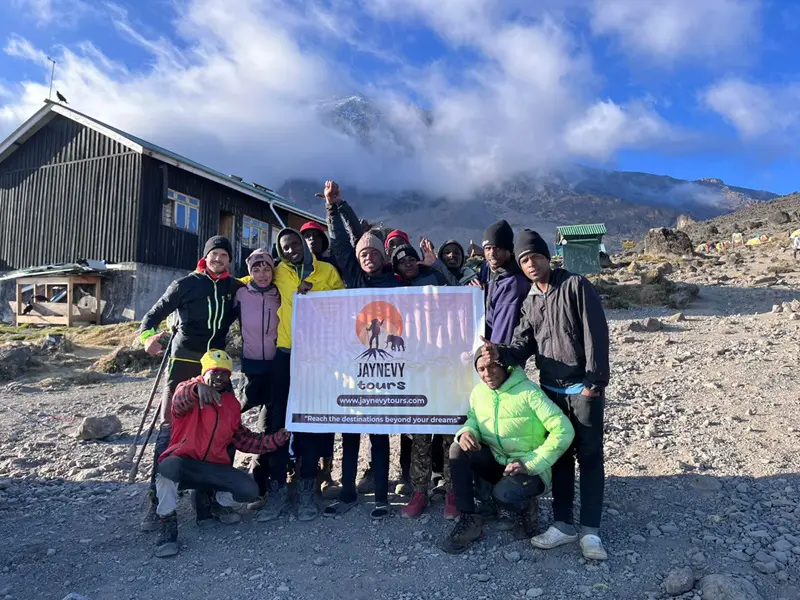
Every Kilimanjaro expedition depends on local guides, cooks and porters. Responsible climbing means
choosing an operator that respects load limits, provides crew meals and shelter, uses clear wage and
tipping procedures and does not reduce safety standards to offer an unrealistic price.
Climbers also have a role. Pack only what is necessary, keep waste with the group until it can be
removed, use established toilets or the facilities provided, stay on designated trails and follow
park instructions. Small decisions repeated by many visitors affect water sources, campsites and
the working conditions of the people who make each climb possible.
Frequently asked questions about Mount Kilimanjaro
Can a beginner climb Mount Kilimanjaro?
Yes. Standard routes normally do not require technical mountaineering skills. A beginner still needs
consistent fitness training, suitable equipment, a sensible itinerary and the discipline to walk
slowly. Previous hiking experience is helpful because it teaches pacing and gear management.
Is Kilimanjaro an easy mountain because it is a trek?
No. The trails are walkable, but the summit is at 5,895 metres. Altitude, cold, long days and summit
night make Kilimanjaro a serious challenge even without ropes or rock-climbing techniques.
How many days does it take to climb Kilimanjaro?
Most itineraries take five to nine days on the mountain. Six to eight days is common. The best choice
depends on the route and daily altitude profile, not only the total number of days.
Which Kilimanjaro route is best?
There is no universal answer. Lemosho and Northern Circuit suit travelers who value longer schedules
and varied scenery. Machame is a popular camping route. Marangu offers huts. Rongai approaches from
the north, while Umbwe is steep and better suited to experienced trekkers.
Do climbers sleep in tents?
Yes on Machame, Lemosho, Rongai, Umbwe, Shira and Northern Circuit itineraries. Marangu is the main
exception because it uses shared huts.
Is a guide required?
Kilimanjaro climbs are organized through registered operators and authorized mountain teams. This
protects park management, coordinates permits and provides the guides and crew needed for a supported
high-altitude expedition.
Can anyone guarantee that I will reach Uhuru Peak?
No. A responsible company can improve preparation, pacing, comfort and safety, but it cannot control
weather or an individual's response to altitude. A summit decision must always place health first.
How far in advance should I book?
Several months is sensible, especially for July to September, Christmas and New Year periods. Early
booking gives more time for fitness preparation, insurance, flights, equipment and a private or group
departure that matches your preferred route.
Start planning your Kilimanjaro climb
Begin with your available dates and the number of days you can spend on the mountain. Then compare
routes, package inclusions and the level of support you need. A good plan should be comfortable enough
to protect acclimatization, clear enough to understand every cost and flexible enough to put safety
ahead of the summit.