
What is in Tanzania – Complete 2026 Travel and Culture Guide
Are you wondering what is in Tanzania and why it’s one of Africa’s most loved destinations? This complete guide explores everything Tanzania offers — from world-famous national parks and Mount Kilimanjaro to Zanzibar’s white-sand beaches, rich culture, and vibrant cities. Whether you’re planning a safari, beach holiday, or cultural tour, here’s what makes Tanzania a truly unique country to visit in 2026.
1. Where is Tanzania Located?
Tanzania is located in East Africa , bordered by Kenya and Uganda to the north, Rwanda, Burundi, and the Democratic Republic of Congo to the west, and Zambia , Malawi, and Mozambique to the south. To the east, it has a long coastline along the Indian Ocean. The country’s strategic location gives it both stunning inland wildlife reserves and beautiful coastal beaches.
2. Tanzania’s Major Cities and Regions
Tanzania is divided into 31 regions, each offering unique experiences. The main cities include:
- Dar es Salaam: The largest city, main commercial hub, and entry point for most travelers.
- Dodoma: The capital city and political center of Tanzania.
- Arusha: Gateway to the northern safari circuit, including Serengeti and Ngorongoro.
- Mwanza: A bustling port city on Lake Victoria .
- Zanzibar City: Home to Stone Town, a UNESCO World Heritage site.
3. National Parks and Wildlife in Tanzania
Tanzania is home to some of the most famous wildlife destinations in the world. Its protected areas cover more than 30% of the country’s land — perfect for safaris and nature lovers.
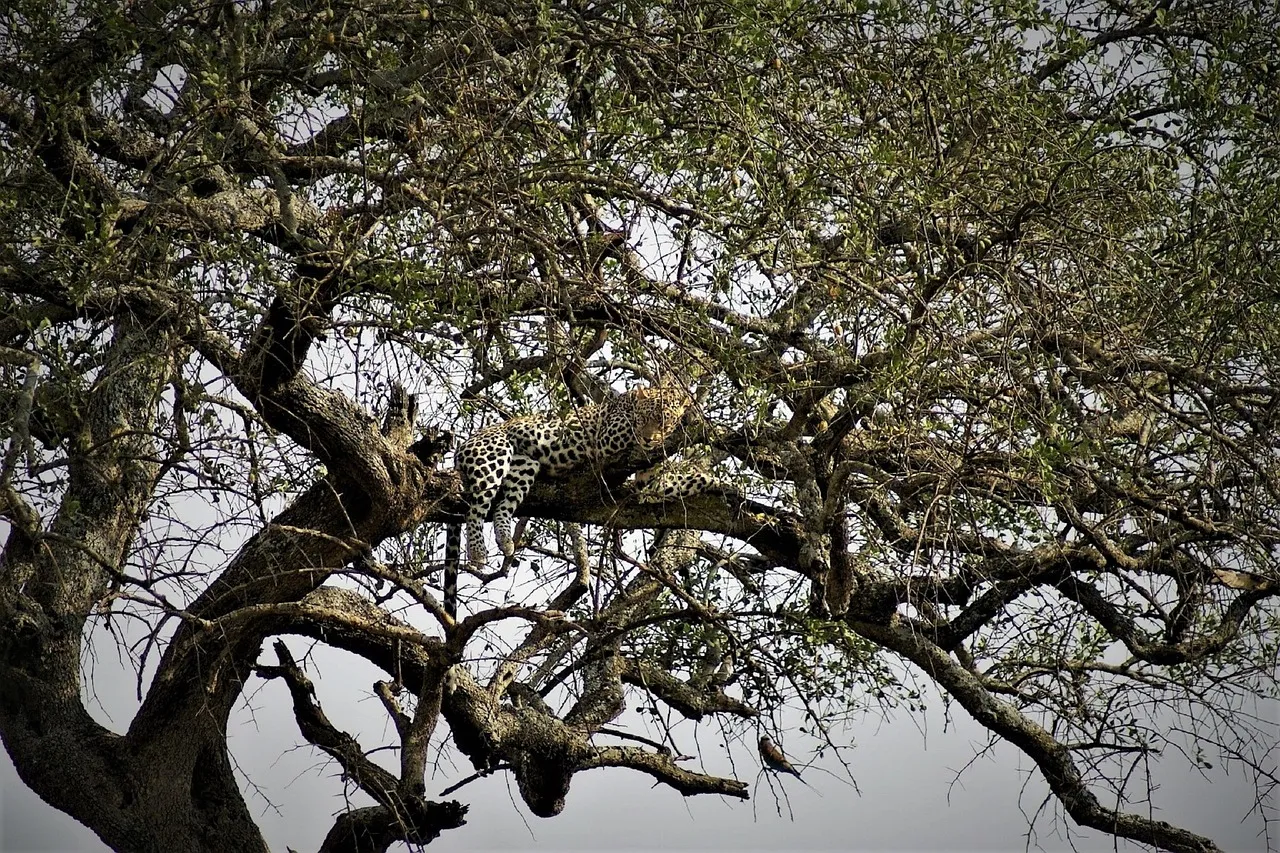
- Serengeti National Park : Known for the Great Wildebeest Migration and the Big Five (lion, leopard, elephant, buffalo, rhino).
- Ngorongoro Crater : A UNESCO World Heritage site with dense wildlife and breathtaking views.
- Tarangire National Park: Famous for large elephant herds and baobab trees.
- Lake Manyara National Park: Home to tree-climbing lions and flamingos.
- Ruaha and Mikumi National Parks: Less crowded parks offering authentic wilderness experiences.
4. Mount Kilimanjaro – The Roof of Africa
One of Tanzania’s greatest landmarks is Mount Kilimanjaro, the highest mountain in Africa at 5,895 meters (19,341 ft). Thousands of climbers visit every year to hike to its snow-capped summit. Kilimanjaro National Park is a UNESCO World Heritage site and offers several climbing routes like Marangu, Machame, and Lemosho.
5. Zanzibar – Tanzania’s Island Paradise
The Zanzibar Archipelago is located off the coast of mainland Tanzania and is famous for its turquoise waters, coral reefs, and spice farms. Top attractions include:
- Stone Town: A cultural gem with narrow streets, ancient buildings, and markets.
- Nungwi and Kendwa Beaches: Ideal for swimming, snorkeling, and nightlife.
- Jambiani and Paje: Perfect for kite surfing and laid-back beach stays.
- Spice Tours: Explore Zanzibar’s rich history as the “Spice Island.”
6. Lakes and Mountains in Tanzania
Tanzania is blessed with vast lakes and mountain ranges that shape its natural beauty:
- Lake Victoria: The largest lake in Africa, shared with Kenya and Uganda.
- Lake Tanganyika: The world’s second-deepest freshwater lake.
- Lake Nyasa (Malawi): A scenic lake ideal for fishing and relaxation.
- Udzungwa Mountains: Known for hiking, waterfalls, and rare species.
- Uluguru and Usambara Mountains: Great for trekking and birdwatching.
7. People and Culture of Tanzania
Tanzania’s population of over 65 million people includes more than 120 ethnic groups, each with distinct traditions. The official languages are Swahili and English.
- Swahili culture: Dominates the coastal regions and Zanzibar, known for hospitality and vibrant traditions.
- Maasai people: Famous for their red attire, beadwork, and traditional lifestyle in northern Tanzania.
- Chagga tribe: Reside on the slopes of Kilimanjaro, known for coffee farming and banana beer.
Tanzanians are known for their friendliness and the national motto “Uhuru na Umoja” — Freedom and Unity.
8. Economy and Natural Resources
Tanzania’s economy is based on agriculture, mining, tourism, and fishing. Major exports include coffee, cashew nuts, gold, and gemstones such as Tanzanite — found only in northern Tanzania near Arusha.
Tourism is one of the largest contributors to Tanzania’s GDP, with millions of visitors each year exploring safaris, mountains, and beaches.
9. Tanzania’s Climate and Best Time to Visit
Tanzania has a tropical climate with regional variations. Coastal areas are hot and humid, while highlands are cooler. The best time to visit depends on your interests:
- June to October: Dry season, perfect for safaris and climbing Kilimanjaro.
- November to May: Green season, great for birdwatching and fewer crowds.
- December to March: Ideal for Zanzibar beach holidays.
10. Summary – What is in Tanzania
In summary, Tanzania is a country full of natural wonders, cultural diversity, and warm hospitality. From the Great Migration in Serengeti to the crystal-clear waters of Zanzibar, there’s no shortage of breathtaking experiences. Here’s a quick recap of what is in Tanzania:
- World-renowned national parks like Serengeti and Ngorongoro.
- Mount Kilimanjaro – Africa’s highest peak.
- Beautiful beaches and spice culture in Zanzibar.
- Friendly people, rich traditions, and over 120 ethnic groups.
- Adventure, wildlife, history, and peace — all in one destination.
Tanzania is more than a travel destination — it’s an experience that connects you to nature, culture, and the heart of Africa. For more travel guides, safari itineraries, and tips, visit www.jaynevytours.com.