
Bird Watching in Tanzania: A Complete Month-by-Month Guide
Explore the best months for bird watching in Tanzania. This month-by-month guide reveals what birds to expect and where to go throughout 2026.
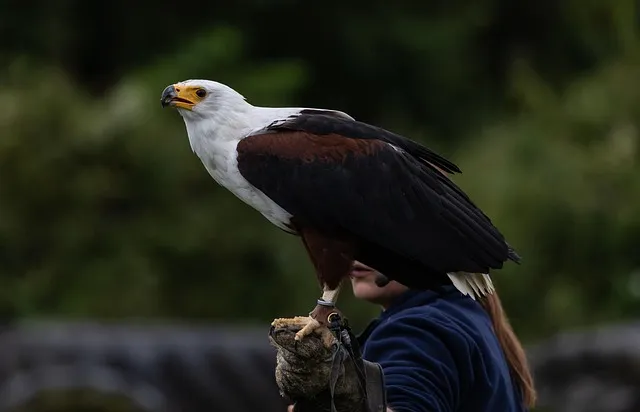
Seasonal Birding Guide for Every Month in Tanzania
Tanzania offers an exceptional bird watching experience year-round, but each month reveals different highlights, from colorful migrants to breeding spectacles. With over 1,100 bird species, including endemics and Palearctic migrants, Tanzania’s ecosystems—from wetlands to savannahs—transform with the seasons, making it a paradise for serious and casual birders alike.
This month-by-month from January - December birding calendar ensures every trip is timed to maximize sightings, whether you"re looking for rare migrants or vibrant residents. Tanzania’s diverse habitats and professional guides make each season a new chapter in your birdwatching journey.
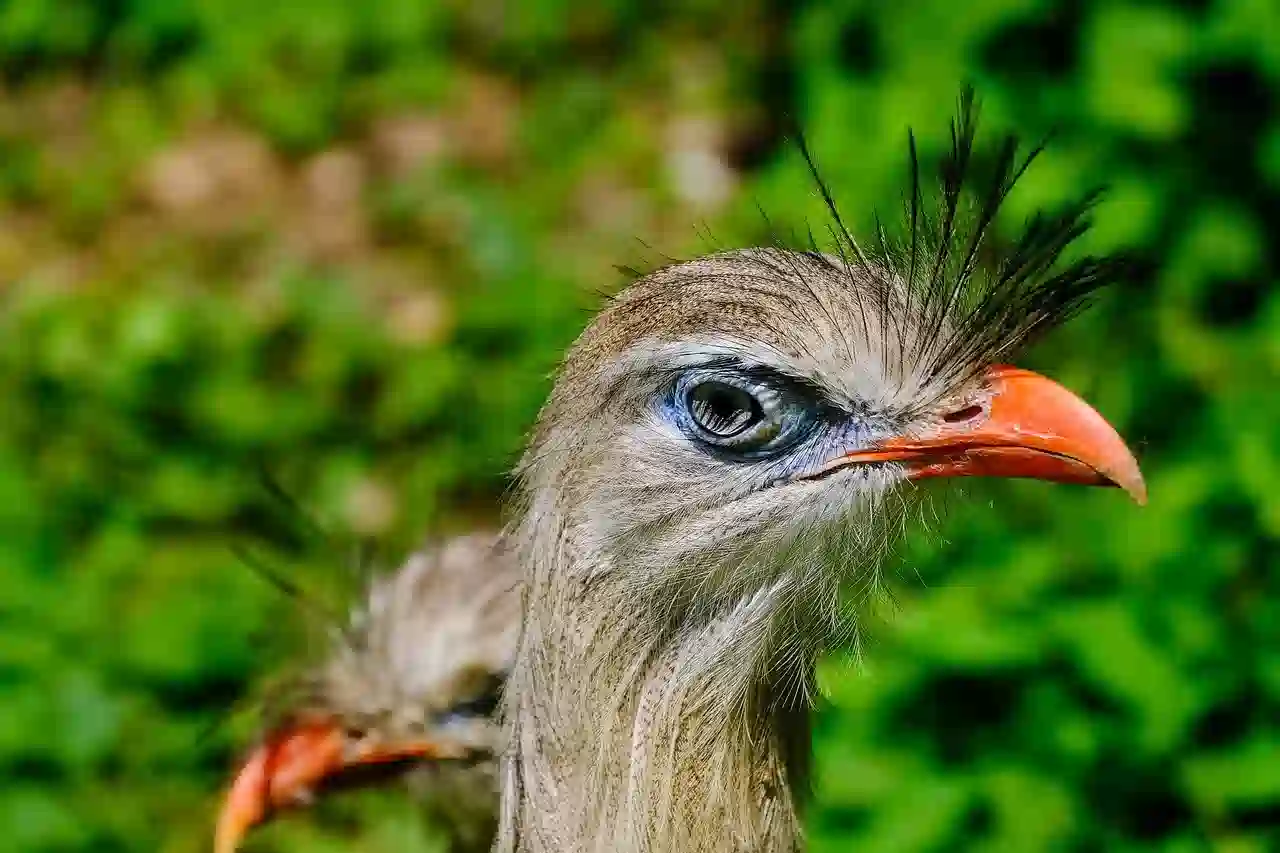
Bird Watching in Tanzania: A Complete Month-by-Month Guide
Bird watching in Tanzania is a dream for both novice and seasoned birders. With over 1,100 recorded bird species, including endemics, migrants, and rare sightings, Tanzania is among the best destinations for bird enthusiasts in Africa. This complete month-by-month guide explores what to expect during each time of year, highlighting key locations, bird species to look out for, and seasonal advantages of planning your birding safari accordingly.
Why Bird Watching in Tanzania is Exceptional
Tanzania offers incredibly diverse habitats—from alkaline lakes and wetlands to highland forests and savannas. These ecosystems support a wide range of avian species, including flamingos, hornbills, bee-eaters, weavers, sunbirds, and more. Whether you"re birding in Serengeti, Lake Manyara, or the Usambara Mountains, bird watching in Tanzania guarantees an extraordinary experience.
Month-by-Month Bird Watching in Tanzania
January - February
These months mark the peak of the short dry season and are excellent for bird watching in Tanzania. Migratory birds from Europe and Asia are present, and many local species are actively nesting. Visit Lake Manyara and Tarangire for spectacular sightings of raptors, waterbirds, and songbirds.
March
March brings the start of the long rains. While roads may become challenging, this month is rich in bird activity, with breeding plumages more vibrant and mating calls more frequent. Usambara and Uluguru Mountains are fantastic for endemic forest birds.
April - May
April and May are Tanzania’s wettest months. These are considered off-season for general safaris but ideal for hardcore bird watchers who don’t mind a bit of rain. Wetland areas like Lake Victoria Basin and Ruaha National Park offer amazing bird densities, with lower human traffic enhancing the serenity of bird watching in Tanzania.
June
The rains begin to subside, and green landscapes provide a beautiful backdrop for bird photography. Bird watching in Tanzania during June is great in places like Arusha National Park, where montane forest birds such as trogons and turacos thrive.
July - August
These are peak dry months and ideal for birding in northern and southern Tanzania. Ruaha, Selous (now Nyerere), and Ngorongoro Crater are top choices. Migratory birds have left, but many residents are easily spotted around water sources. Bird watching in Tanzania during this time is also perfect for combining with general wildlife viewing.
September
Water levels begin to lower, drawing birds to concentrated areas. Lake Natron becomes a haven for thousands of lesser flamingos. September also offers a great opportunity to witness birds in breeding plumage, especially in Rift Valley lakes.
October
October marks the arrival of some Eurasian migratory species. It"s a rewarding time to spot early returnees like Amur falcons and European bee-eaters. Coastal areas like Saadani and Pangani River delta also become active birding zones.
November
Short rains begin, and migratory species arrive in large numbers. The Serengeti and Lake Eyasi come alive with both local and international species. Bird watching in Tanzania during November offers some of the year’s highest diversity in avian sightings.
December
With lush greenery and abundant food sources, December is one of the most visually appealing months for birders. The Ngorongoro highlands and Usambara forests are ideal for forest and montane species, including the endemic Usambara weaver and African hill babbler.
Top Birding Destinations in Tanzania
- Lake Manyara National Park – Famous for flamingos, storks, and pelicans.
- Ngorongoro Crater – Home to bustards, secretary birds, and raptors.
- Ruaha National Park – Great for hornbills, sunbirds, and fish eagles.
- Usambara Mountains – Best spot for endemics and montane species.
- Selous/Nyerere National Park – Diverse species across rivers, lakes, and forests.
Sample 7-Day Tanzania Bird Watching Itinerary
Day 1: Arrival in Arusha
Arrive at Kilimanjaro International Airport and transfer to your lodge near Lake Duluti. Afternoon bird walk to spot sunbirds, barbets, and forest weavers.
Day 2: Arusha National Park
Full-day bird watching in forested and wetland habitats. Look for Hartlaub’s turaco, silvery-cheeked hornbill, and African fish eagle.
Day 3: Lake Manyara National Park
Enjoy the famous flamingos and pelicans along the alkaline lake. The groundwater forest offers sightings of crowned hornbills and paradise flycatchers.
Day 4: Ngorongoro Crater
Explore highland and open savannah birds like kori bustard, augur buzzard, and rosy-throated longclaw.
Day 5: Serengeti National Park
Full-day birding safari in central Serengeti. Look out for ostriches, secretary birds, and numerous larks and pipits.
Day 6: Serengeti to Lake Natron
Early morning drive to Lake Natron to witness flamingo breeding colonies and other waterbirds like avocets and stilts.
Day 7: Departure
Return to Arusha with en-route birding stops. End your unforgettable bird watching in Tanzania adventure.
FAQs: Bird Watching in Tanzania
Is Tanzania good for bird watching year-round?
Yes, bird watching in Tanzania is excellent throughout the year, with each season offering different highlights including migratory and breeding species.
What are the best parks for bird watching in Tanzania?
Lake Manyara, Ngorongoro Crater, Serengeti, Ruaha, and Usambara Mountains are among the top birding destinations.
What gear should I bring for bird watching?
A good pair of binoculars, bird field guide (e.g., “Birds of East Africa”), camera with zoom lens, and comfortable clothing suitable for varied weather.
Are there birding guides in Tanzania?
Yes, many local companies offer experienced bird guides who specialize in ornithology and know the best locations and times to find specific species.
Can I combine bird watching with wildlife safaris?
Absolutely! Many of Tanzania’s national parks are rich in both birds and iconic mammals, allowing for a perfect combination of birding and wildlife safaris.