
Ngorongoro Crater Birding: Rare Birds You Can Spot
Discover rare bird species in Ngorongoro Crater, one of Tanzania’s richest birding destinations. Ideal for bird watchers exploring highland forests and soda lakes in 2026.
Overview of Bird Watching in Ngorongoro Crater, Tanzania
Ngorongoro Crater is not only a world-famous wildlife sanctuary but also one of the most rewarding birding spots in Tanzania. With its unique blend of highland forests, open grasslands, soda lakes, and freshwater swamps, the crater supports over 500 bird species, making it a paradise for both novice and experienced birdwatchers.
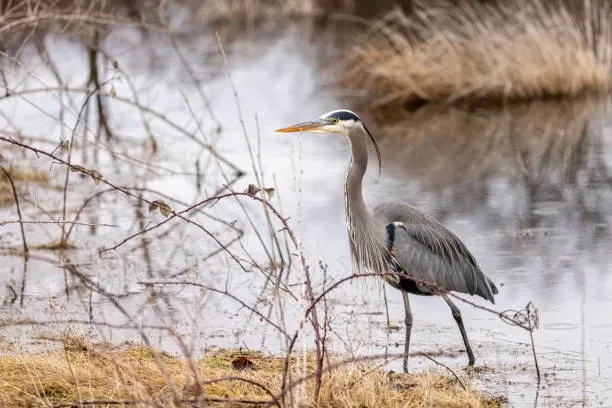
The alkaline Lake Magadi, found on the crater floor, is a major draw for lesser and greater flamingos, along with avocets, stilts, and other waders. The surrounding marshes attract sacred ibis, crowned cranes, and herons, while the grasslands are patrolled by kori bustards, ostriches, and Secretary birds.
One of the most exciting aspects of Ngorongoro birding is the chance to spot rare and localized species, including the Athi short-toed lark, Hildebrandt’s spurfowl, Jackson’s widowbird, and Hunter’s cisticola. The forested crater rim offers opportunities to see colorful turacos, sunbirds, and birds of prey such as the African hawk-eagle and augur buzzard.
Thanks to its protected status and permanent water sources, birding in Ngorongoro is excellent year-round, though the dry season from June to October provides clearer views and better walking conditions. Combined with breathtaking landscapes and abundant wildlife, Ngorongoro offers a truly unforgettable birding experience within a single, compact ecosystem.
Ngorongoro Crater Birding: Rare Birds You Can Spot
Ngorongoro Crater birding offers one of the most exciting birdwatching opportunities in Tanzania. The crater, a UNESCO World Heritage Site and part of the larger Ngorongoro Conservation Area, is not only known for its spectacular landscapes and wildlife but also as a haven for hundreds of bird species, including several rare and endemic species. Bird lovers from around the world visit Ngorongoro Crater specifically for birdwatching, and with good reason—the diversity, accessibility, and beauty of this region make it one of Africa"s top birding destinations.
With habitats ranging from montane forests, open grasslands, soda lakes, and acacia woodlands, Ngorongoro Crater attracts a rich variety of bird species throughout the year. From large flocks of flamingos coloring the alkaline Lake Magadi pink, to elusive forest dwellers and raptors soaring above the rim, this area delivers unforgettable birdwatching moments. Whether you"re an experienced birder or a curious traveler, Ngorongoro Crater birding tours provide an intimate experience with Tanzania’s avian treasures.
Rare and Notable Birds to Watch in Ngorongoro Crater
Ngorongoro Crater birding is famed for its diversity, but also for several rare and notable birds that are either endemic or difficult to see elsewhere in East Africa. Below are some of the remarkable species birders should watch out for:
- Lesser Flamingo – Found in thousands at Lake Magadi within the crater, these elegant birds are a stunning sight.
- Secretary Bird – An iconic bird of prey with long legs and eagle-like strength, often seen striding through grasslands.
- Kori Bustard – The heaviest flying bird in Africa, commonly spotted in the open plains of the crater floor.
- Augur Buzzard – A dramatic raptor with a striking black and white plumage, often soaring near the crater rim.
- Schalow’s Turaco – A colorful and somewhat secretive bird found along forested areas on the rim.
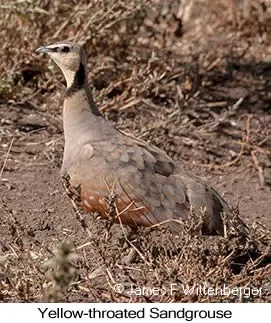
- Yellow-throated Sandgrouse – Typically seen in dry, open areas inside the crater during morning hours.
- Rosy-throated Longclaw – A rare and beautiful grassland species that is difficult to find elsewhere in Tanzania.
- Montane White-eye – Small but vibrant, these birds thrive in the highland forests on the outer slopes.
Best Time for Birdwatching in Ngorongoro Crater
While Ngorongoro Crater birding is possible year-round, the best time for birdwatching is during the wet season from November to April. During these months, migratory species from Europe and northern Africa arrive, significantly boosting the diversity. Moreover, many resident birds are in their breeding plumage, making them easier to identify and more visually impressive.
The dry season from June to October also offers good birding, especially for waterbirds around Lake Magadi and raptors hunting over the plains. Birdwatchers are likely to see different behaviors and species depending on the time of year, making multiple visits worthwhile.
Ngorongoro Crater Birding Safari Tips
- Bring a good pair of binoculars and a bird field guide specific to East Africa.
- Consider hiring a professional birding guide for detailed insights and species identification.
- Early morning game drives are best for active birdlife and better lighting for photography.
- Dress in muted colors to avoid disturbing birds, and carry plenty of water and sun protection.
- Use a spotting scope for distant birds near water bodies such as Lake Magadi.
Where to Spot Birds in Ngorongoro Crater
Birding in Ngorongoro Crater can be enjoyed in various zones. Key hotspots include:
- Lake Magadi – Ideal for flamingos, stilts, and other waterbirds.
- Gorigor Swamp – Known for cranes, herons, and storks.
- Crater Rim Forests – Best for turacos, sunbirds, and forest specialists.
- Grasslands on the Crater Floor – Excellent for bustards, sandgrouse, and larks.
FAQs – Ngorongoro Crater Birding
What makes Ngorongoro Crater birding unique?
The high concentration of habitats in a compact area, the year-round presence of birds, and accessibility make Ngorongoro Crater birding a uniquely rewarding experience for all levels of birdwatchers.
How many bird species are in Ngorongoro Crater?
Over 500 species have been recorded in the wider Ngorongoro Conservation Area, with hundreds regularly seen within the crater itself.
Can I combine birding with game viewing in Ngorongoro?
Yes. A typical Ngorongoro Crater birding safari also includes views of lions, elephants, rhinos, hippos, and other iconic wildlife. It"s a fantastic combination of birdwatching and big game experiences.
Do I need a special permit for birding in the crater?
No additional permit is required beyond the standard Ngorongoro Conservation Area entry fee, which includes access to the crater floor.
What gear should I bring for Ngorongoro Crater birding?
Binoculars, a spotting scope, bird guidebook, sunhat, camera with telephoto lens, and a notepad for recording sightings.
Final Thoughts on Ngorongoro Crater Birding
Ngorongoro Crater birding is an unforgettable experience that offers more than just checklists—it’s about witnessing the vibrant harmony between birds and a unique ecosystem. Whether you"re spotting flamingos wading in soda lakes or listening to the melodic calls of turacos in forested highlands, birdwatching in Ngorongoro Crater will leave a lasting impression. With the right guide, planning, and a bit of patience, this spectacular region can easily become one of your most cherished birding adventures in Africa.