
Kenya vs Tanzania Safari: Which Is Better?
Kenya vs Tanzania safari is not a contest with one universal winner. Tanzania is generally the better choice for travelers who want vast wilderness, more time in the Serengeti ecosystem, Ngorongoro Crater and an easy safari-and-Zanzibar combination. Kenya is often the better choice for a shorter trip, easier international access through Nairobi, more budget flexibility, private conservancies and a route that combines Maasai Mara, Amboseli, Lake Nakuru or the Kenyan coast.
Both countries share the same East African wildlife heritage. The Great Migration moves through one connected Serengeti-Mara ecosystem rather than two separate natural systems. Both countries have the Big Five, expert guides, tented camps, luxury lodges, family safaris and Indian Ocean beaches. The useful question is therefore not simply “Which country has better wildlife?” It is “Which country matches your travel month, available days, budget and preferred style?”
Kenya vs Tanzania safari: the quick verdict
- Choose Tanzania for Serengeti, Ngorongoro, larger wilderness, a longer migration-focused itinerary and Zanzibar.
- Choose Kenya for a shorter safari, easier Nairobi access, Maasai Mara conservancies, Amboseli views and wider lower-cost choice.
- Choose both when you have at least 10–14 days and want Maasai Mara, Serengeti and Ngorongoro in one journey.
- Best overall for seven or more safari days: Tanzania.
- Best overall for four to six safari days: Kenya.
- Best for migration calving: Tanzania.
- Best for a concentrated river-crossing season: Kenya.
- Best safari-beach combination: Tanzania for Zanzibar; Kenya for Diani, Watamu and the Mombasa coast.

Kenya vs Tanzania safari comparison table
| Comparison | Kenya Safari | Tanzania Safari | Better Choice |
|---|---|---|---|
| Best-known safari area | Maasai Mara National Reserve | Serengeti National Park and Ngorongoro | Depends on season and trip length |
| Flagship area size | Maasai Mara Reserve: about 1,510 km² | Serengeti National Park: 14,763 km² | Tanzania for scale |
| Great Migration | Concentrated Mara season, commonly July–October | Broader annual cycle including southern calving | Tanzania for full cycle; Kenya for a compact peak window |
| First short safari | Strong 4–6 day itineraries from Nairobi | Best with 6–8 days or more from Arusha | Kenya |
| Long wildlife safari | Mara, Amboseli, Nakuru, Samburu and Tsavo | Serengeti, Ngorongoro, Tarangire, Nyerere and Ruaha | Tanzania for uninterrupted wilderness scale |
| Published budget average | About US$200 per person per day | About US$250 per person per day | Kenya |
| Published mid-range average | About US$300 per person per day | About US$375 per person per day | Kenya, although itinerary details matter |
| Published luxury average | About US$550 per person per day | About US$600 per person per day | Broadly similar |
| Private conservancies | Major strength around Maasai Mara and elsewhere | Available in selected concessions and private reserves | Kenya |
| Boat safaris | Limited in classic circuits | Nyerere is a leading boat-safari destination | Tanzania |
| City-access safari | Nairobi National Park is 117 km² beside the capital | Arusha National Park is accessible from Arusha, but not inside the city | Kenya |
| Mountain backdrop | Amboseli views of Mount Kilimanjaro | Kilimanjaro climbs and northern safari combinations | Kenya for classic views; Tanzania for climbing |
| Beach extension | Diani, Mombasa, Watamu, Malindi and Lamu | Zanzibar, Pemba, Mafia and mainland coast | Tanzania for Zanzibar; otherwise personal preference |
| Entry process | Kenya Electronic Travel Authorisation for eligible foreign visitors | Separate Tanzania visa or eVisa rules by nationality | Check both official systems |
Is Kenya or Tanzania better for safari?
Tanzania is better for the classic long-form safari. Its northern circuit links Tarangire, Ngorongoro and Serengeti, while its southern and western parks add Nyerere, Ruaha, Katavi and Mahale. The distances are larger, but so are the landscapes. Travelers who imagine several days moving through broad, lightly developed wilderness usually find Tanzania closer to that picture.
Kenya is better for variety within a shorter schedule. Nairobi is a major international hub, Nairobi National Park sits beside the capital, and short flights connect Wilson Airport with Maasai Mara, Amboseli, Samburu and the coast. Kenya also has a mature network of community and private conservancies, where activities and vehicle density can differ from the adjoining national reserves.
The decision becomes simple when trip length is considered. With four to six safari days, Kenya can provide a complete first experience without forcing too many long transfers. With seven to ten safari days, Tanzania has enough time to reveal the scale that makes it special.
Maasai Mara vs Serengeti: the main comparison
Maasai Mara and Serengeti are parts of the same cross-border ecosystem, but they create different visitor experiences. Narok County reports the Maasai Mara National Reserve at approximately 1,510 square kilometres. Tanzania National Parks records Serengeti National Park at 14,763 square kilometres. The Serengeti is therefore almost ten times the size of the main Maasai Mara reserve, although the wider Mara ecosystem includes substantial community conservancies outside the reserve.
| Feature | Maasai Mara, Kenya | Serengeti, Tanzania |
|---|---|---|
| Core protected area used in comparison | About 1,510 km² for the national reserve | 14,763 km² for the national park |
| Safari pace | Concentrated; strong results possible in 2–3 nights | Expansive; 3–5 nights better, often divided by region |
| Migration strength | Mara River period and northern grazing | Calving, central movement, western corridor and northern movement |
| Predator viewing | Excellent, especially in reserve and conservancies | Excellent across several regions and seasons |
| Crowds | Can be concentrated around major sightings in peak months | Busy in famous sectors, but greater size creates more routing options |
| Private conservancy experience | A major advantage, with selected night drives and walking activities | More dependent on the specific concession or private reserve |
Maasai Mara is not an inferior small version of Serengeti. Its compactness is a strength when time is limited. A skilled guide can cover productive river, grassland and woodland habitats without spending an entire day changing regions. Serengeti's strength is scale: travelers can follow seasonal wildlife patterns across southern, central, western and northern zones.
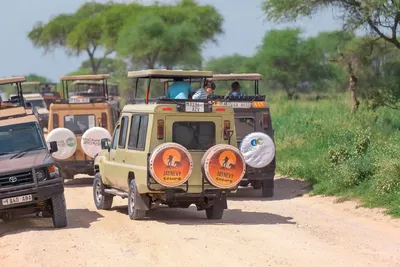
Which country is better for the Great Migration?
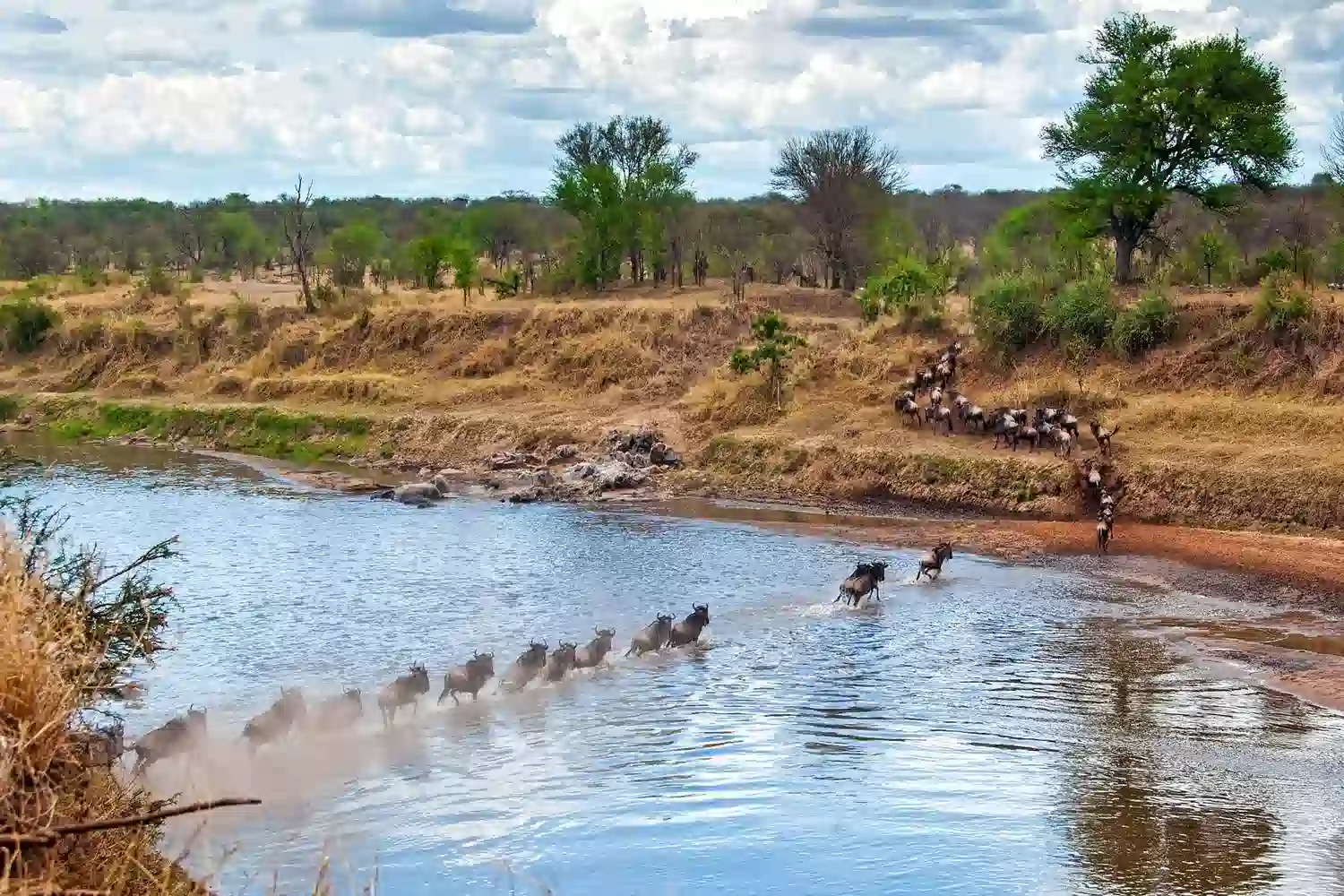
Tanzania is the better choice for the migration as a complete annual story. UNESCO describes a circular trek of approximately 1,000 kilometres involving over one million wildebeest and hundreds of thousands of other grazing animals across Tanzania and Kenya. The exact timing changes with rainfall and pasture, so no river crossing or herd location should be guaranteed for a fixed date.
Great Migration in Tanzania
- January to March: southern Serengeti and the wider Ndutu plains are associated with calving and high predator activity.
- April to May: herds usually begin moving away from the southern plains as rain and grazing patterns change.
- May to July: western and central areas become important, with river crossings possible in the western corridor.
- July to October: northern Serengeti becomes a major focus as herds move through the Mara River system.
- November to December: movement commonly turns southward with the short rains, but exact timing is variable.
Great Migration in Kenya
Kenya's migration season is shorter but can be highly dramatic. The Maasai Mara is commonly strongest from July through October, when some herds are in the northern part of the ecosystem. River crossings receive attention, but they are unpredictable. A traveler can wait several days without seeing one, while another visitor may arrive at the right place by chance.
Migration verdict: choose Tanzania for calving and the broadest seasonal coverage. Choose Kenya when traveling in the July-to-October window and wanting a shorter Mara-focused itinerary.
Wildlife comparison: Kenya vs Tanzania
Both countries support lion, leopard, elephant, buffalo and rhinoceros. Neither country can ethically guarantee every Big Five species on one trip. Black rhino is generally the least predictable, while leopard sightings often depend on guide skill, habitat and patience.
Kenya wildlife strengths
- Maasai Mara: lions, cheetahs, leopards, hyenas and migration herds.
- Amboseli: elephants in open landscapes with Mount Kilimanjaro views.
- Samburu: dry-country species such as Grevy's zebra, reticulated giraffe, gerenuk and Beisa oryx.
- Lake Nakuru: rhinoceros, Rothschild's giraffe and Rift Valley scenery.
- Tsavo: an immense combined landscape; Tsavo East is 13,747 km² and Tsavo West approximately 9,065 km².
- Nairobi National Park: a 117 km² park offering a genuine wildlife experience beside a capital city.
Tanzania wildlife strengths
- Serengeti: predators, migration herds and year-round resident game.
- Ngorongoro: concentrated wildlife within a volcanic caldera and a possibility of black rhino.
- Tarangire: elephants, baobabs and dry-season wildlife around the river.
- Nyerere: river wildlife, boat safaris and African wild dog habitat.
- Ruaha: large predator populations, elephants and southern species including greater kudu, sable and roan antelope.
- Mahale and Gombe: chimpanzee trekking beside Lake Tanganyika.
Wildlife verdict: there is no meaningful winner for the Big Five. Tanzania wins for scale and habitat continuity; Kenya wins for regional variety that can be combined within a shorter trip.
Safari cost: is Kenya or Tanzania cheaper?
Kenya is usually slightly cheaper, especially for group safaris and shorter mid-range itineraries. Published SafariBookings averages place a Kenya safari at approximately US$200 per person per day for budget travel, US$300 for mid-range and US$550 for luxury. The equivalent published Tanzania averages are approximately US$250, US$375 and US$600. These are market-planning averages, not fixed prices or a quotation from Jaynevy Tours.
| Safari Level | Kenya Published Average | Tanzania Published Average | Typical Difference |
|---|---|---|---|
| Budget | About US$200 per person per day | About US$250 per person per day | Kenya has more low-cost group options |
| Mid-range | About US$300 per person per day | About US$375 per person per day | Tanzania's distances and premium northern parks can add cost |
| Luxury | About US$550 per person per day | About US$600 per person per day | Top properties in either country can exceed these averages greatly |
Why safari prices differ
- Number of travelers: a private vehicle divided between two people costs more per person than the same vehicle shared by four or five.
- Park and conservation fees: premium parks, crater visits and conservancies have different fee structures.
- Accommodation location: a camp inside a park or migration area may cost more than a lodge outside the gate.
- Road or air travel: bush flights save time but increase the total.
- Season: migration months, Christmas, New Year and school holidays often carry higher rates.
- Private or joining safari: fixed group departures are usually cheaper.
- Included services: drinks, laundry, transfers and gratuities may be included in one quote but excluded from another.
Do not choose a safari from the headline price alone. Compare exact camps, room categories, vehicle occupancy, park fees, domestic flights, cancellation terms and whether the guide remains with you throughout the trip.
Landscape and scenery comparison
Kenya landscapes
Kenya changes quickly over relatively short distances. The route can move from Nairobi's highlands to the Rift Valley, Maasai Mara grasslands, Samburu's dry river country, Amboseli's wetlands and Kilimanjaro views, Tsavo's lava and red soil, then onward to the Indian Ocean coast. This diversity is one reason Kenya works well for travelers who want wildlife plus scenery rather than one long savanna journey.
Tanzania landscapes
Tanzania feels larger and more continuous. Northern itineraries pass baobab country in Tarangire, the Rift Valley, Ngorongoro highlands, volcanic plains and the open Serengeti. Southern Tanzania adds the Rufiji River and Ruaha's dry interior. Western Tanzania brings Lake Tanganyika, forests and chimpanzee habitats. Kilimanjaro, Zanzibar and the mainland coast can be added without leaving the country.
Scenery verdict: Kenya delivers faster visual variety; Tanzania delivers a stronger sense of uninterrupted scale.
Crowds and safari atmosphere
Both countries have busy areas in peak season. A famous lion sighting in Maasai Mara or central Serengeti may attract many vehicles. The difference lies in how easily the itinerary can move away from those concentrations.
Kenya crowd advantages
Private and community conservancies around Maasai Mara limit the number of beds and vehicles in selected areas. Depending on conservancy rules, night drives, guided walks and off-road viewing may be possible. Visitors should check whether a camp includes reserve access, conservancy access or both.
Tanzania crowd advantages
Serengeti's size makes it possible to select different regions by season. Southern parks such as Nyerere and Ruaha generally receive fewer vehicles than the busiest northern attractions. Katavi and Mahale are much more remote, but access costs are higher.
Crowd verdict: Kenya wins when staying in a well-managed private conservancy. Tanzania wins when choosing remote parks or less-used Serengeti regions.
Which country has better safari accommodation?
Both countries offer public campsites, budget camps, mid-range lodges, permanent tented camps, seasonal migration camps and ultra-luxury properties. The room category does not determine wildlife quality, but location changes how much time is spent driving to productive areas.
Kenya accommodation advantage
Kenya has a long-established safari industry and a wide range of prices. Mara conservancies provide intimate camps, while Nairobi, Naivasha and the coast offer a broad hotel choice. This is useful for travelers combining business, city time, safari and beach.
Tanzania accommodation advantage
Tanzania has exceptional camps positioned across different Serengeti regions. Mobile or seasonal camps can follow the likely migration pattern. Ngorongoro offers crater-rim properties and more affordable accommodation around Karatu. Zanzibar then adds beach resorts, boutique hotels and historic Stone Town stays.
Road travel, flights and accessibility
Kenya's main safari gateway is Nairobi. Jomo Kenyatta International Airport handles international arrivals, while Wilson Airport serves many safari flights. Tanzania's northern circuit is normally reached through Kilimanjaro International Airport and Arusha, with Arusha Airport serving domestic routes.
Kenya transport strengths
- Nairobi National Park can fit into an arrival, departure or stopover plan.
- Wilson Airport connects Nairobi with Maasai Mara, Amboseli, Samburu and the coast.
- Maasai Mara can be visited in a compact fly-in itinerary.
- Road routes can combine Nakuru, Naivasha and Maasai Mara.
Tanzania transport strengths
- Arusha is a practical road-safari base for Tarangire, Manyara, Ngorongoro and Serengeti.
- Serengeti airstrips connect different regions with Arusha and Zanzibar.
- Southern fly-in circuits connect Nyerere and Ruaha with Dar es Salaam and Zanzibar.
- A single-country itinerary can combine safari, Kilimanjaro and Zanzibar.
Access verdict: Kenya is easier for a short fly-in safari. Tanzania is highly connected once the itinerary is properly designed, but its distances reward more days.
Best time for a Kenya vs Tanzania safari
| Travel Period | Kenya | Tanzania | Best Choice |
|---|---|---|---|
| January–February | Good general safari conditions in many parks | Southern Serengeti calving season and predator activity | Tanzania for migration-focused travel |
| March–May | Main rains can affect roads; green scenery and lower demand | Main rains in the north; some remote camps close | Either for value, with flexible expectations |
| June | Drying conditions and improving wildlife concentration | Dry-season transition and migration movement north and west | Both |
| July–October | Prime Maasai Mara migration and dry-season safari period | Strong dry-season viewing and northern Serengeti migration | Both; choose by itinerary style |
| November–December | Short rains, fresh landscapes and migrant birds | Short rains and migration turning toward southern areas | Both for green-season travel |
Weather does not follow a perfect calendar. Rain may begin early, arrive late or fall in localized areas. Migration planning should use seasonal probability, not a promise that animals will be at one river or camp on a particular day.
Kenya vs Tanzania for first-time safari visitors
Choose Kenya for your first safari when:
- You have only four to six safari days.
- You want a simple Nairobi arrival and domestic flight to Maasai Mara.
- You prefer a group-joining safari or lower-cost lodge range.
- You want Maasai Mara plus Amboseli, Nakuru or Naivasha.
- You value private-conservancy activities and limited vehicle numbers.
Choose Tanzania for your first safari when:
- You have at least six to eight full safari days.
- Serengeti and Ngorongoro are your main priorities.
- You want a private 4x4 road safari with one guide.
- You are traveling for the southern Serengeti calving season.
- You want to add Zanzibar or climb Kilimanjaro.
Kenya vs Tanzania for families
Kenya is often easier for families with younger children because a fly-in Mara safari reduces long road transfers, Nairobi has strong hotel infrastructure, and short itineraries can still feel complete. Conservancies can provide flexible activities, but age restrictions may apply to walking safaris and shared game drives.
Tanzania works especially well for families using a private vehicle. The guide can adjust stops, meal times and game-drive length. A seven-day northern circuit followed by Zanzibar provides a natural change of pace. Families should avoid changing accommodation every night and should ask about family rooms, pool supervision, camp fencing and escort rules after dark.
Kenya vs Tanzania for honeymoon safaris
Tanzania has the strongest classic honeymoon combination: Serengeti tented camp, Ngorongoro highlands and Zanzibar beach. The route feels like three separate journeys—open savanna, volcanic highlands and Indian Ocean island—within one country.
Kenya is equally attractive for couples who prefer private conservancies, intimate camps and shorter flights. Maasai Mara can be combined with Amboseli, Laikipia or Samburu, followed by Diani, Watamu or Lamu. The better honeymoon is determined by camp atmosphere, privacy and pacing rather than the country name.
Kenya vs Tanzania for photography
Photographers should prioritize private vehicles, guide quality and time at sightings. Kenya's conservancies can offer lower vehicle density and selected off-road flexibility. Maasai Mara's open terrain is excellent for predators and action during the migration season.
Tanzania offers more regional variety and time to follow subjects across broad landscapes. Serengeti is especially strong for environmental wildlife images, while Ngorongoro provides elevated crater views and concentrated game. Ndutu's open plains are important during calving season.
Photography verdict: Kenya conservancies are excellent for controlled vehicle numbers; Tanzania is stronger for long, landscape-led assignments and seasonal variety.
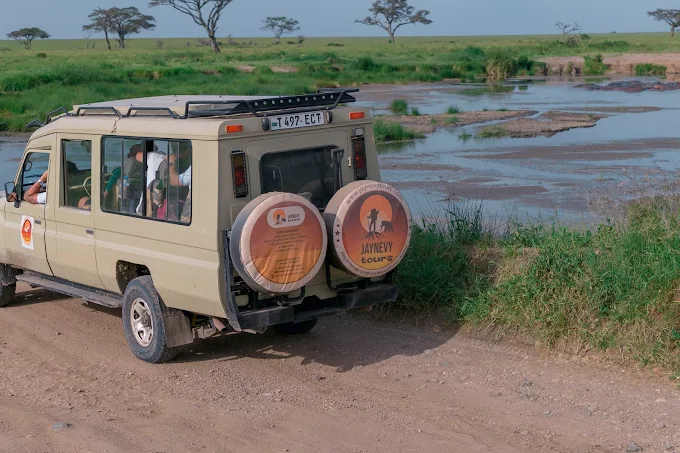
Beach after safari: Kenya coast vs Zanzibar
Kenya coast
- Diani: long beach, resorts, water activities and access through Mombasa.
- Watamu: marine experiences, reefs and a smaller coastal atmosphere.
- Mombasa: city history, resort areas and strong flight connections.
- Lamu: Swahili heritage and a slower island-town experience.
Tanzania islands and coast
- Zanzibar: the broadest safari-beach choice, including Stone Town, northern beaches and tidal east-coast resorts.
- Pemba: quieter island travel, diving and fewer large resorts.
- Mafia Island: marine-focused travel and seasonal whale-shark experiences.
- Mainland coast: less-visited beaches and access through Dar es Salaam.
Beach verdict: Tanzania wins when Zanzibar is a major travel goal. Kenya is better when the safari begins and ends in Nairobi and a Diani or Watamu flight creates the simplest route.
Kenya and Tanzania entry requirements
Kenya and Tanzania do not share one entry document. Kenya's official Electronic Travel Authorisation system states that eligible foreign visitors must submit travel information before departure. Its published application requirements include a passport valid for at least six months with at least one blank page, a photograph, itinerary and accommodation details.
Tanzania operates a separate visa and eVisa system. Tanzania Immigration also states that an ordinary visa applicant's passport should have at least six months of validity; requirements and fees depend on nationality and visa category. Entry rules can change, so travelers should use the official immigration websites instead of an old article or unverified visa agency.
- Apply only through official government systems or an authorized process.
- Check whether your nationality is exempt or requires prior approval.
- Allow time for two separate processes on a combined safari.
- Carry accommodation, onward travel and emergency contact details.
- Check health-certificate requirements for your full travel route.
Sample seven-day Kenya safari
| Day | Destination | Main Experience |
|---|---|---|
| Arrival | Nairobi | Airport transfer and rest; optional city activity if flight time allows |
| 1 | Amboseli | Travel from Nairobi and afternoon elephant viewing |
| 2 | Amboseli | Full-day safari with Kilimanjaro views when weather is clear |
| 3 | Lake Naivasha or Lake Nakuru | Rift Valley scenery, boat option or rhino-focused game drive |
| 4 | Maasai Mara | Transfer or flight and afternoon game drive |
| 5 | Maasai Mara | Full-day predator and plains wildlife viewing |
| 6 | Maasai Mara | Second full day or conservancy activities |
| 7 | Nairobi | Return by road or air for onward travel |
Sample seven-day Tanzania safari
| Day | Destination | Main Experience |
|---|---|---|
| Arrival | Arusha | Kilimanjaro Airport transfer, rest and safari briefing |
| 1 | Tarangire | Baobab landscape, elephants and river habitats |
| 2 | Karatu or Ngorongoro highlands | Morning Tarangire viewing followed by a manageable transfer |
| 3 | Ngorongoro Crater | Crater descent and concentrated wildlife viewing |
| 4 | Serengeti | Scenic transfer and game drive after entering the park |
| 5 | Serengeti | Full-day game drive in the most suitable seasonal region |
| 6 | Serengeti | Second full day for predators, plains and migration if present |
| 7 | Arusha or Zanzibar | Bush flight to reduce return travel time |
Sample 12-day Kenya and Tanzania safari
A combined trip should not simply add every famous park. Border procedures, vehicle logistics and long distances require realistic pacing. A practical first combination is:
- Day 1: arrive in Nairobi.
- Days 2–3: Amboseli National Park.
- Days 4–6: Maasai Mara Reserve or adjoining conservancy.
- Day 7: planned border and transfer day toward northern Serengeti.
- Days 8–9: Serengeti National Park.
- Day 10: Serengeti to Ngorongoro highlands.
- Day 11: Ngorongoro Crater.
- Day 12: transfer to Arusha or flight onward to Zanzibar.
Adding Lake Nakuru, Tarangire or more Serengeti regions is possible, but the itinerary should then be extended rather than compressing every destination into one night.
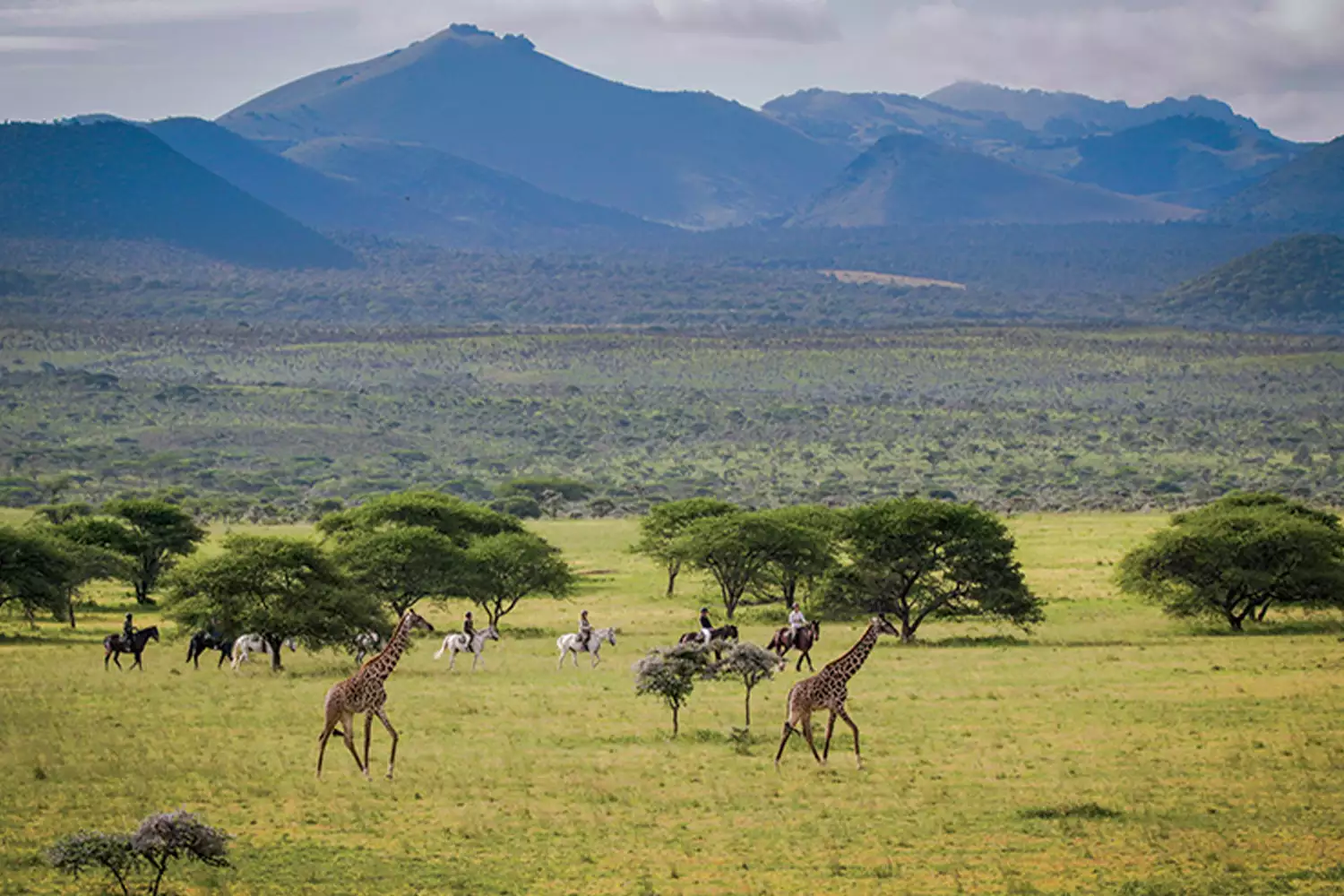
Who should choose Kenya?
- First-time visitors with fewer than seven safari days.
- Travelers seeking a lower-cost joining safari.
- Families wanting short domestic flights and less road travel.
- Travelers interested in private Mara conservancies.
- Visitors combining safari with Nairobi business or a short stopover.
- Travelers wanting Maasai Mara, Amboseli, Samburu or Tsavo.
- Beach travelers choosing Diani, Watamu, Mombasa or Lamu.
Who should choose Tanzania?
- Travelers with seven to ten safari days or more.
- Visitors whose priorities are Serengeti and Ngorongoro.
- Travelers interested in the migration calving season.
- Couples combining safari with Zanzibar.
- Travelers who value large landscapes and longer wildlife drives.
- Visitors combining safari with Mount Kilimanjaro.
- Repeat safari travelers exploring Nyerere, Ruaha, Katavi or Mahale.
Common mistakes when comparing Kenya and Tanzania
- Comparing countries instead of itineraries: a well-designed Kenya safari is better than a rushed Tanzania safari, and the reverse is also true.
- Assuming the migration stays in one place: it moves through one ecosystem according to rain and grazing.
- Comparing only the total price: vehicle occupancy, park location, room type and included fees may be different.
- Ignoring transfer time: adding more parks can reduce actual wildlife viewing.
- Expecting guaranteed river crossings: crossings are natural, unpredictable events.
- Booking one Serengeti night: the park's scale deserves at least two, preferably three nights.
- Assuming Maasai Mara and Serengeti have a direct tourist gate: international border and road logistics must be built into a combined trip.
- Using an unofficial visa website: each country has a separate government entry system.
Final verdict: Kenya vs Tanzania safari
Choose Kenya when the trip is short, cost control is important, Nairobi is your easiest gateway, or private conservancies are a priority. Kenya offers one of Africa's strongest wildlife experiences without requiring a long itinerary.
Choose Tanzania when you have more time, want the greatest wilderness scale, need the broadest Great Migration options, or want Serengeti, Ngorongoro and Zanzibar in one journey. Tanzania's advantage is not simply more land; it is the feeling of moving through connected landscapes for several days.
Choose both when the trip has at least 10–14 days and the budget can absorb two entry systems, border logistics and additional transport. A properly paced combined safari is one of the most complete wildlife journeys in East Africa.
Frequently asked questions about Kenya vs Tanzania safari
1. Is Kenya or Tanzania better for safari?
Tanzania is better for large wilderness, Serengeti, Ngorongoro and longer itineraries. Kenya is better for shorter trips, Nairobi access, budget variety and private conservancies.
2. Is Kenya cheaper than Tanzania?
Kenya is often slightly cheaper. Published averages are about US$200 budget, US$300 mid-range and US$550 luxury per person per day in Kenya, compared with approximately US$250, US$375 and US$600 in Tanzania. Actual quotes vary widely.
3. Is Maasai Mara or Serengeti better?
Maasai Mara is excellent for concentrated wildlife in a short stay. Serengeti is better for scale, habitat variety and longer seasonal migration coverage.
4. Which country is better for the Great Migration?
Tanzania is better for the overall annual cycle and calving season. Kenya is excellent for the concentrated northern migration period, commonly from July through October.
5. Which country has more animals?
Both support exceptional wildlife. Numbers change with season and ecosystem movement, so a simple national total is not a useful way to choose. Tanzania generally offers larger continuous habitats, while Kenya offers strong density in compact reserves and conservancies.
6. Which is better for the Big Five?
Both countries can produce Big Five sightings. Serengeti and Ngorongoro form a strong Tanzania combination; Maasai Mara, Lake Nakuru and selected Kenya parks provide an excellent Kenya route. No sighting is guaranteed.
7. Which is better for first-time visitors?
Kenya is easier for a four-to-six-day introduction. Tanzania is better for visitors with six to ten safari days who want a deeper wilderness journey.
8. Can I combine Kenya and Tanzania?
Yes. Allow at least 10–14 days for Maasai Mara, Serengeti and Ngorongoro, with a realistic border-transfer day and separate entry requirements.
9. Which is better for families?
Kenya is convenient for shorter trips and fly-in safaris. Tanzania is excellent for families using a private vehicle and adding Zanzibar, provided enough days are available.
10. Which is better for honeymooners?
Tanzania has the classic Serengeti, Ngorongoro and Zanzibar combination. Kenya offers intimate Mara conservancies followed by Diani, Watamu or Lamu.
11. What is the best month for both countries?
July to October is the strongest shared dry-season window. January and February favor the southern Serengeti calving season, while green-season travel can offer lower demand and fresh landscapes.
12. Do Kenya and Tanzania use the same visa?
No. Kenya uses its Electronic Travel Authorisation process for eligible foreign visitors, while Tanzania has a separate visa and eVisa system. Check the official rules for your nationality before travel.
Data notes and trusted sources
Park sizes, immigration requirements and market cost averages were checked against government, UNESCO and established safari-industry sources available in June 2026. Safari prices, entry rules, park fees and migration conditions can change and should be reconfirmed for the travel date.
- Narok County: Maasai Mara National Reserve area
- Tanzania National Parks: Serengeti and other national-park areas
- UNESCO: Serengeti National Park and Great Migration
- Kenya Wildlife Service: Nairobi National Park
- Kenya Wildlife Service: Tsavo East National Park
- Kenya Wildlife Service: Tsavo West National Park
- Kenya Electronic Travel Authorisation: official application requirements
- Tanzania Immigration: official visa guidelines
- SafariBookings: Kenya safari cost averages
- SafariBookings: Tanzania safari cost averages
For help deciding between Kenya, Tanzania or a combined East Africa safari, contact Jaynevy Tours via email at info@jaynevytours.com or WhatsApp at +255 678 992 599.